Fish Sauce
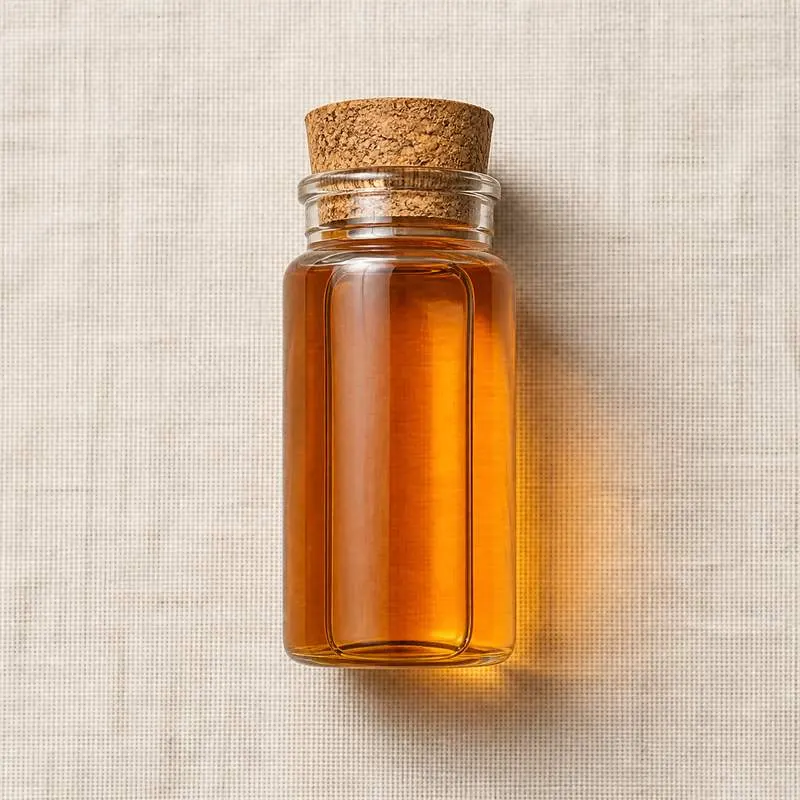
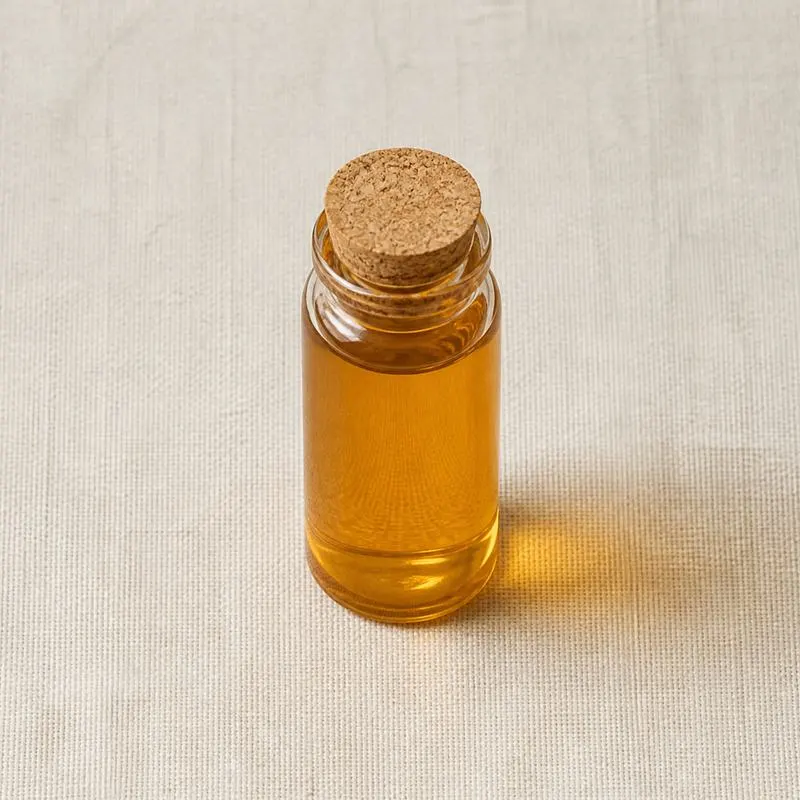
Fish sauce is the clear amber to dark brown liquid drawn off from small marine fish, usually anchovy, that have been salted heavily and left to autolyse for a year or more. It is the primary savoury seasoning of Southeast Asian cooking and one of the most concentrated natural sources of free glutamate available to a formulator.
The process is enzymatic rather than microbial in the main. Proteases from the fish viscera and muscle break the protein down into peptides and free amino acids while the fish is held under enough salt to stop spoilage organisms, and salt-tolerant halophilic bacteria contribute the volatile acids and sulphur compounds that give the aroma. The result is a solution of amino acids, small peptides, salt and organic acids at around twenty to twenty-five percent sodium chloride.
The liquid is fully water miscible and stable at ambient temperature, with the salt providing preservation. Total nitrogen is the trade index of quality and roughly tracks both flavour intensity and price. Colour deepens with age and with heating, and histamine control is the central safety parameter for the category.
We source bulk Fish Sauce from top China manufacturers for our partners, working with several of them. The manufacturers are in Hebei, Shandong and Zhejiang. A smaller requirement can ship in a combined container with other ingredients.
Please send the grade you need, the volume and your destination port, and we will come back with a solution and a price.
or call +86-21-6858 0751
- Function
- Flavours and Aromas
Specifications
| Item | Specification |
|---|---|
| Appearance | Clear amber to dark brown liquid, free from sediment |
| Odour and Flavour | Characteristic fermented fish aroma, salty savoury taste |
| Total Nitrogen | Not less than 20 g/l for a first grade sauce |
| Amino Acid Nitrogen | Not less than 40 percent of total nitrogen |
| Sodium Chloride | 200 to 250 g/l |
| pH | 5.0 to 6.5 |
| Histamine | Within the applicable regulatory limit for the destination market |
| Lead | Not more than 0.5 mg/kg |
| Cadmium | Not more than 0.1 mg/kg |
| Mercury | Not more than 0.5 mg/kg |
| Total Plate Count | Not more than 10,000 cfu/ml |
| Yeast and Mould | Not more than 50 cfu/ml |
| E. coli | Absent in 1 ml |
| Salmonella | Absent in 25 ml |
Common Markets Grades
Grading runs on total nitrogen, expressed in grams per litre. First extraction sauce, drawn from the tank without dilution after the full fermentation, carries the highest nitrogen and the cleanest flavour, and is bottled as a table product. Later extractions, made by washing the residual fish mass with brine, are lower in nitrogen and go into cooking grades and industrial seasoning. Blended grades combine extractions and may carry added sugar, hydrolysed protein or caramel to adjust taste and colour, and are labelled accordingly.
Species and origin form the second axis, with Vietnamese and Thai anchovy sauces the reference articles and squid, shrimp and mixed-species sauces traded separately at different flavour profiles. Reduced-salt versions are produced by membrane treatment after fermentation. Spray-dried fish sauce powder on a maltodextrin carrier is used for dry seasoning blends, and anchovy-free versions built on fermented soy are sold to serve markets where fish allergen declaration is a barrier.
Applications
- Table and cooking condiment across Southeast Asian retail and foodservice
- Dipping sauces such as nuoc cham, blended with lime, sugar and chilli
- Noodle soup bases including pho and other broth systems
- Curry pastes and stir-fry sauces, supplying salt and savoury depth together
- Marinades and injection brines for meat, poultry and seafood
- Instant noodle and convenience meal seasoning sachets
- Snack seasoning, generally as spray-dried powder in a dry blend
- Kimchi and other fermented vegetable products, contributing amino acids to the ferment
- Retorted and frozen ready meals in Southeast Asian formats
- Reduced-sodium seasoning systems, where the umami load allows salt to be cut elsewhere
Brands Using Fish Sauce
Widely-distributed consumer products that list Fish Sauce on the ingredient label.
Brand names, product names and logos are the property of their owners. They appear here as published evidence that the ingredient is used, taken from the brand's own label or website. Their appearance is not an endorsement, and it does not mean the brand buys from us or from any manufacturer listed on this site.
China Manufacturers of Fish Sauce
Top Fish Sauce manufacturers in China.
 Baoding Weijia Food Ingredients Co., Ltd.4 ingredients in the directory
- Weihai Puyuan Food Co., Ltd.4 ingredients in the directory
- Zhoushan Lingxian Marine Biotechnology Co., Ltd.7 ingredients in the directory
Company names and logos are the property of the manufacturers themselves. They are listed here because our own directory records them as producing this ingredient. A listing is not an endorsement by them, and we do not represent them or speak on their behalf.
Regulatory Status
In the United States fish sauce is a food, and imported product is subject to FDA seafood HACCP requirements, under which the processor must have controls for histamine and for the adequacy of the salt-to-fish ratio that prevents its formation. Histamine is the principal reason for import detention in this category. Fish must be declared as a major allergen on the label.
In the European Union fish sauce is a fishery product under the food hygiene package, so it must come from an approved establishment in a listed third country and travel with a health certificate. Histamine limits for fishery products from species associated with high histidine content are set in the microbiological criteria regulation and are enforced at import, and fish allergen declaration is mandatory. Any added preservative, sweetener or caramel colour is a food additive in its own right and is used within its own authorisation and declared. Codex maintains a standard for fish sauce covering total nitrogen, salt content and histamine, together with its code of practice for fish and fishery products.
Manufacturing Process
Small pelagic fish, most often anchovy of the genus Stolephorus or Engraulis, are landed and salted whole without gutting, since the digestive enzymes are part of the process. Fish and solar salt are layered in concrete tanks or wooden vats at a ratio in the region of three parts fish to one part salt, and the mass is weighted down and sealed. Under-salting risks spoilage and histamine formation, so the salt level is the primary control point.
The tank is then left for twelve to eighteen months, and longer for the highest grades, at ambient tropical temperature. Fish tissue liquefies progressively as the fish's own proteases release amino acids, and the liquid layer that forms is periodically drawn off and returned over the mass to even out the extraction. When the fermentation is judged complete, the first liquor is drained through the bed of residual fish and bone, which acts as its own filter, then settled and matured in open air to develop colour and aroma. Residual solids are washed with brine to give second and third extractions. The sauce is filtered, standardised for nitrogen and salt, pasteurised and bottled.