Fresh Cow Bone Collagen Peptide
Fresh cow bone collagen peptide is a collagen hydrolysate produced from cattle bone processed fresh, rather than from dried bone meal or from the residue left after other extractions. The distinction the name draws is a real one in this trade: bone that has been dried, stored or rendered before extraction yields a darker, more strongly flavoured peptide with a higher ash and fat oxidation load, while bone taken chilled from the abattoir within a day or two gives a lighter, cleaner product.
The collagen itself is type I, the same protein as in hide, but it is laid down within a hydroxyapatite mineral matrix that has to be dealt with before extraction. The peptides that result are rich in glycine, proline and hydroxyproline and lack tryptophan, so the material is bought for its peptide profile rather than as a complete protein, and hydroxyproline content is the analytical marker that confirms collagen origin.
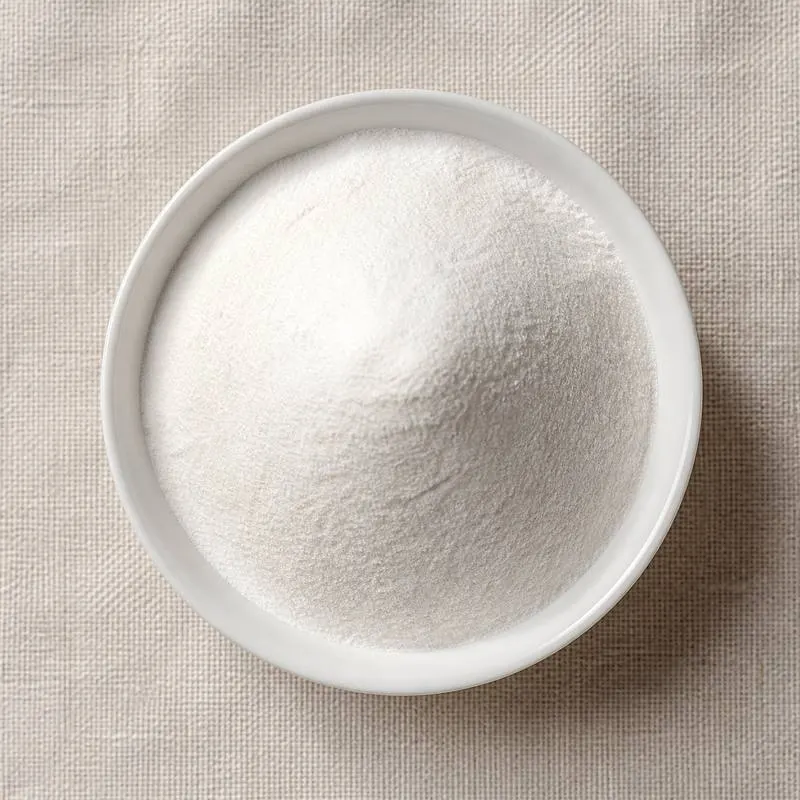
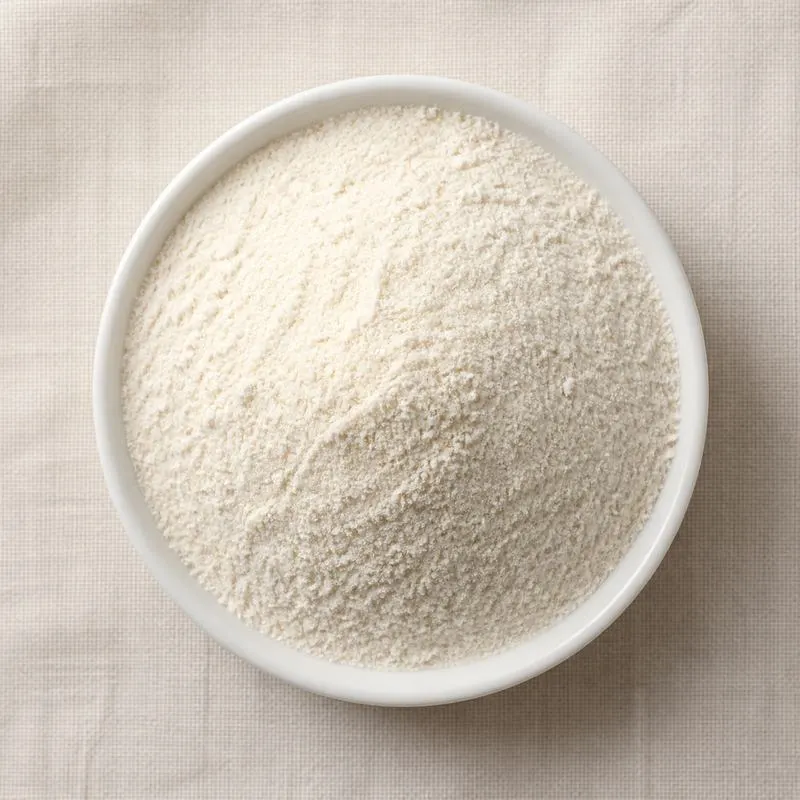
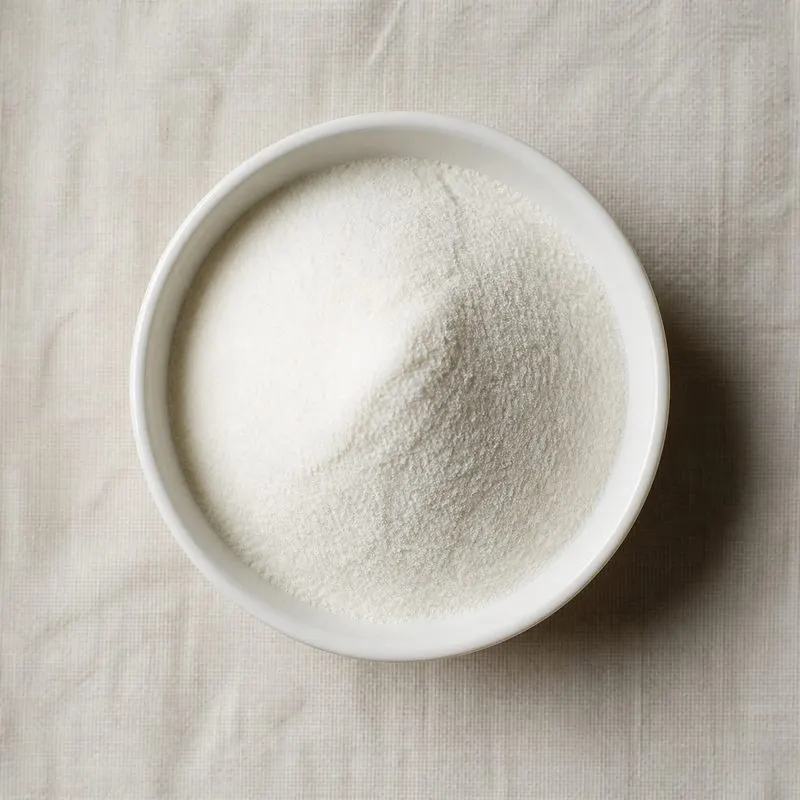
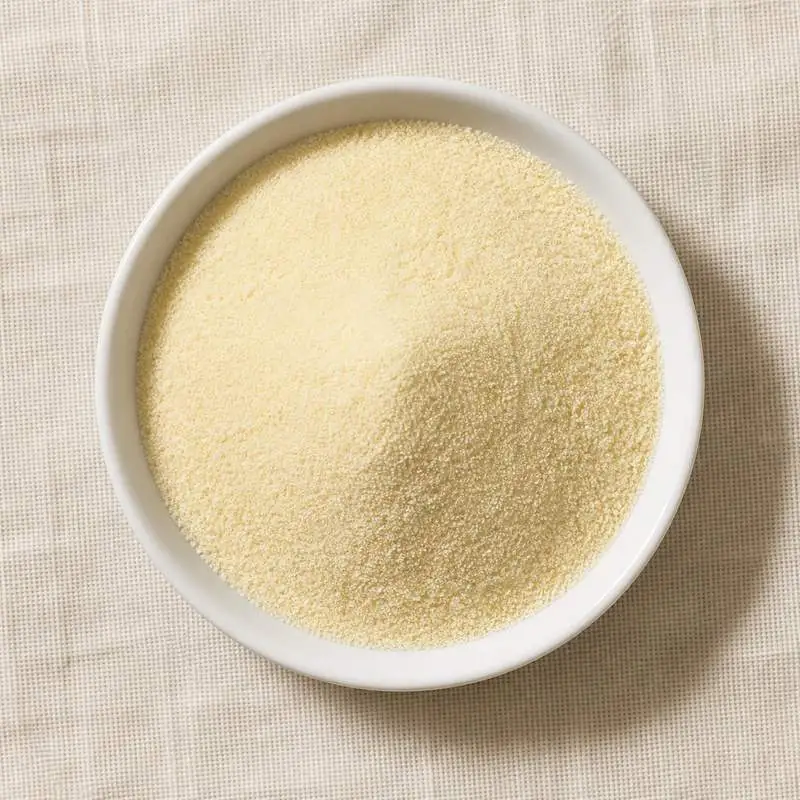
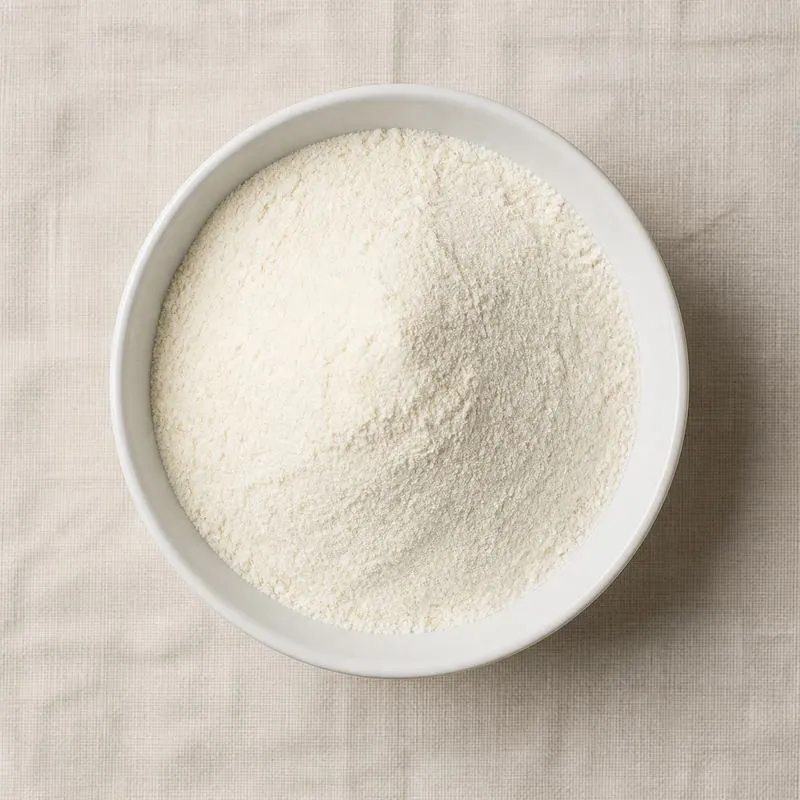
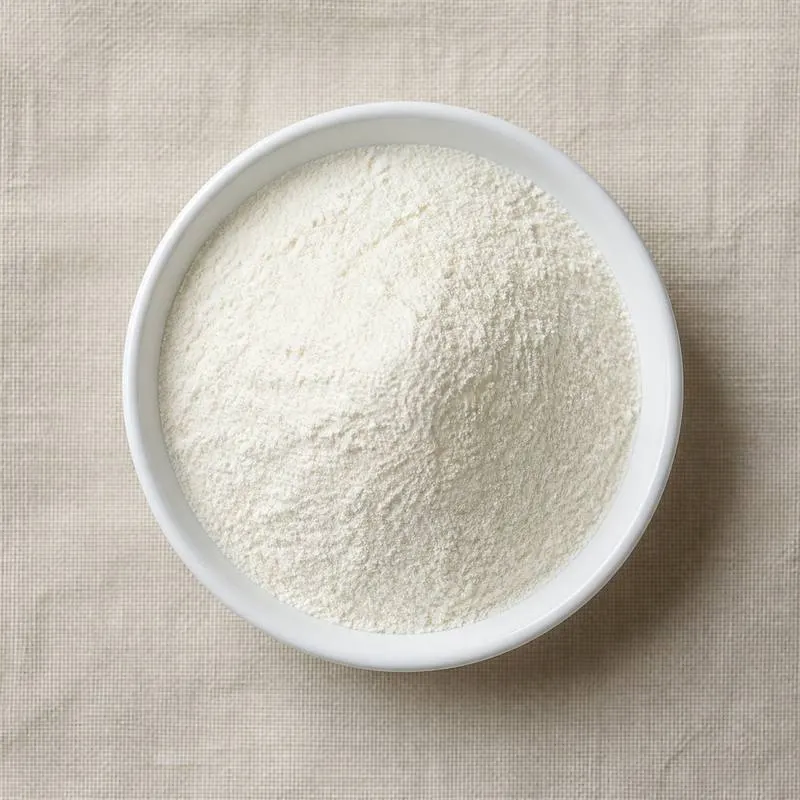
The finished ingredient is a white to pale yellow spray dried powder with a faint characteristic odour, dissolving completely in cold water to a clear low viscosity solution. It does not gel on cooling because the chains are far shorter than in gelatin, and it holds through pasteurisation and at the acid pH of a fruit beverage, which allows it to be dosed at supplement levels in a drink without changing its texture.
We source bulk Fresh Cow Bone Collagen Peptide from top China manufacturers for our partners. The manufacturer is in Shanxi. A smaller requirement can ship in a combined container with other ingredients.
Please send the grade you need, the volume and your destination port, and we will come back with a solution and a price.
or call +86-21-6858 0751
- Function
- Protein
Specifications
| Item | Specification |
|---|---|
| Appearance | White to pale yellow free flowing powder |
| Odour and Taste | Faint characteristic odour, bland taste |
| Species of Origin | Bovine, traceable to inspected slaughter |
| Protein (dry basis, N x 5.55) | Not less than 90.0 percent |
| Hydroxyproline | Not less than 11.0 percent of protein |
| Average Molecular Weight | 1000 to 3000 Daltons |
| Loss on Drying | Not more than 7.0 percent |
| Ash | Not more than 2.0 percent |
| Fat | Not more than 0.5 percent |
| pH (1 percent solution) | 5.0 to 7.0 |
| Solubility in Water at 20 C | Not less than 99.0 percent |
| Transmittance of 5 percent Solution | Not less than 90 percent |
| Lead | Not more than 0.5 mg/kg |
| Arsenic | Not more than 0.5 mg/kg |
| Chromium | Not more than 2.0 mg/kg |
| Total Plate Count | Not more than 10000 cfu/g |
| Yeast and Mould | Not more than 100 cfu/g |
| E. coli | Negative in 1 g |
| Salmonella | Negative in 25 g |
Common Markets Grades
Molecular weight is the main technical specification, with general grades averaging 2000 to 5000 daltons, beauty and beverage grades 1000 to 2000, and low molecular weight material below 1000 daltons sold at a premium on absorption claims. Protein content runs from about 88 percent on a dry basis to 93 percent for the most thoroughly purified grades, with ash accounting for most of the difference.
Ash itself is the second axis and reflects how completely the bone mineral was removed. Low ash grades below 2 percent have been demineralised thoroughly and membrane treated, and are used where clarity in solution matters. Calcium bearing grades that deliberately retain part of the mineral are sold as a combined peptide and bone calcium ingredient and are a different commercial item. Beyond that, decoloured and deodorised grades are traded for white blends and clear drinks, and every consignment carries species declaration, halal certification where the destination requires it, and documentation of the bovine sourcing controls, which control market access more tightly than any technical figure.
Applications
- Beauty from within supplements and collagen drinks, blended with or in place of marine collagen
- Joint and bone health formulations, often alongside calcium and vitamin D
- Sachet and stick pack collagen powders dosed at five to ten grams
- Protein fortified waters and clear beverages that must stay clear at low pH
- Nutrition bars and gummies positioned on collagen content
- Sports nutrition products aimed at tendon and ligament recovery
- Clinical and wound healing nutrition, as a source of glycine and proline
- Middle aged and elderly nutrition powders in the Chinese market
- Companion animal joint supplements
China Manufacturers of Fresh Cow Bone Collagen Peptide
Top Fresh Cow Bone Collagen Peptide manufacturers in China.
Company names and logos are the property of the manufacturers themselves. They are listed here because our own directory records them as producing this ingredient. A listing is not an endorsement by them, and we do not represent them or speak on their behalf.
Regulatory Status
In the United States collagen hydrolysate from cattle slaughtered under federal inspection is handled as a conventional food ingredient, and the manufacturer establishes the generally recognised as safe status. Supplement presentations fall under the dietary supplement framework. The controlling requirements concern sourcing rather than composition: the specified risk material rules exclude the skull, the vertebral column of older cattle and other central nervous tissue from the food supply, and sourcing by the transmissible spongiform encephalopathy status of the country of origin forms part of the supplier documentation. Collagen is not a major food allergen and requires no allergen declaration.
In the European Union collagen and gelatin have dedicated sections in the hygiene rules for food of animal origin, which list the permitted raw materials, require the acid or alkaline treatment and heat extraction, and set out the health documentation accompanying consignments. The transmissible spongiform encephalopathy regulation further restricts which bovine tissues may be used and requires bone derived material to be produced by a process that removes the mineral phase, which the demineralisation step satisfies. Skin, joint and beauty claims may only be made where authorised on the Union register of health claims, and none is authorised for collagen peptide. The material is not a food additive and holds no E number.
Manufacturing Process
Cattle bone is collected chilled from the deboning line and processed within a short window, which is the point of difference the product is sold on. It is crushed, and the adhering meat, fat and marrow are removed by a combination of mechanical separation and hot water washing, since residual fat oxidises during downstream heating and is the principal cause of off odour in bone derived peptide. The cleaned bone is then demineralised in dilute hydrochloric or another food grade acid over several days, which dissolves the hydroxyapatite and leaves the flexible collagen matrix known as ossein, and the acid liquor carrying the calcium and phosphate is drawn off separately.
The ossein is washed to neutrality and pretreated with lime or dilute acid to break the collagen crosslinks, then washed again and extracted with hot water in successive batches at rising temperature, dissolving the collagen as gelatin. The liquor is filtered and defatted hot, then cooled to enzyme temperature and hydrolysed with a food grade protease, an endoprotease taking the chains to the target molecular weight and an exopeptidase stage trimming the bitter terminal residues. The enzyme is inactivated by heating, the liquor is ultrafiltered to control molecular weight, deionised on ion exchange resin and treated with activated carbon, then concentrated under vacuum, spray dried, sieved and packed with a moisture barrier.