Bone Collagen Peptide
Bone collagen peptide is hydrolysed type I collagen produced from animal bone rather than from hide or skin. Bone is a composite of a mineral phase, calcium hydroxyapatite, and an organic phase that is roughly 90 percent collagen, and the process depends on separating the two: dissolving the mineral away in dilute acid leaves ossein, the collagen matrix of the bone, which is then converted to gelatin and cut enzymatically into peptides.
The finished peptides average roughly 2,000 to 5,000 daltons and no longer gel. Unlike gelatin, which sets a solution on cooling and dissolves only in hot water, bone collagen peptide dissolves in cold water at above 20 percent, gives a low viscosity solution, stays clear through pasteurisation and is stable across a wide pH range, which is what allows it into drinks and dry beverage powders.
The amino acid composition is distinctive: about one third glycine, with high proline and hydroxyproline and no tryptophan, so it is an incomplete protein by conventional scoring and is bought for its specific peptide profile rather than as a general protein source. Hydroxyproline is the marker used both to confirm identity and to quantify collagen content.
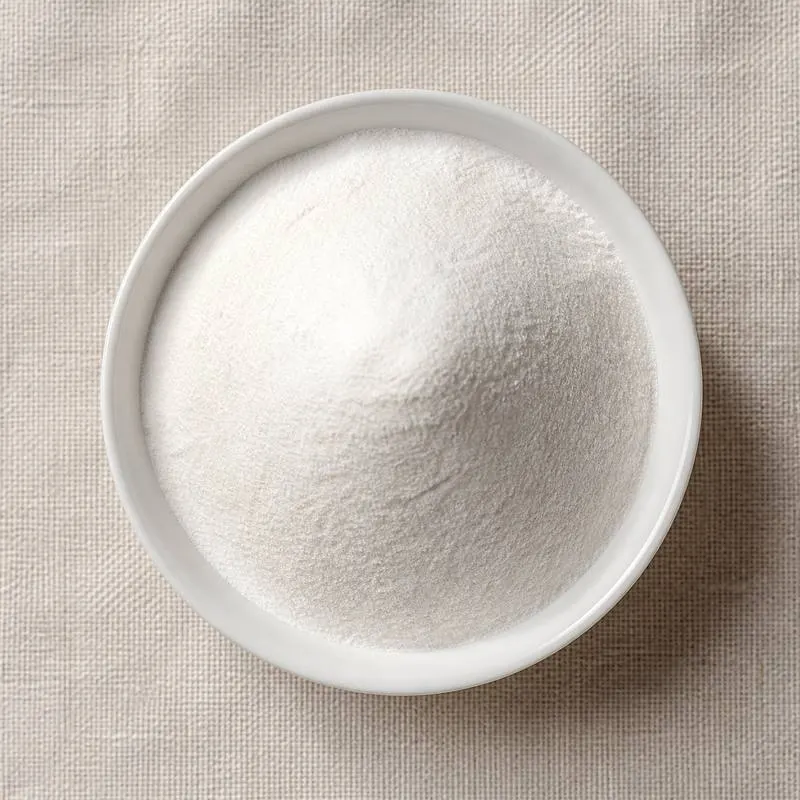
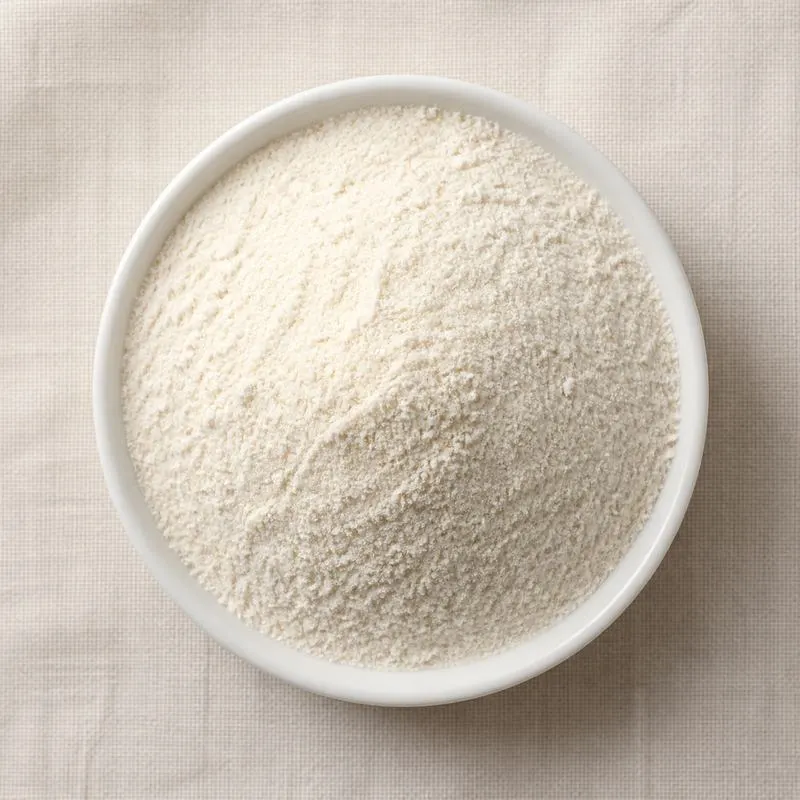
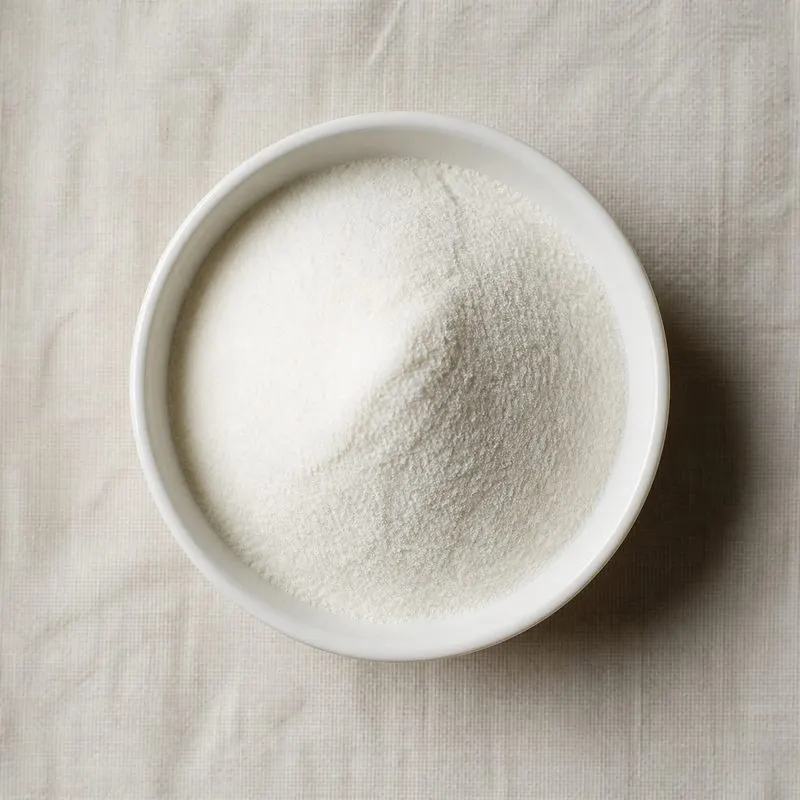
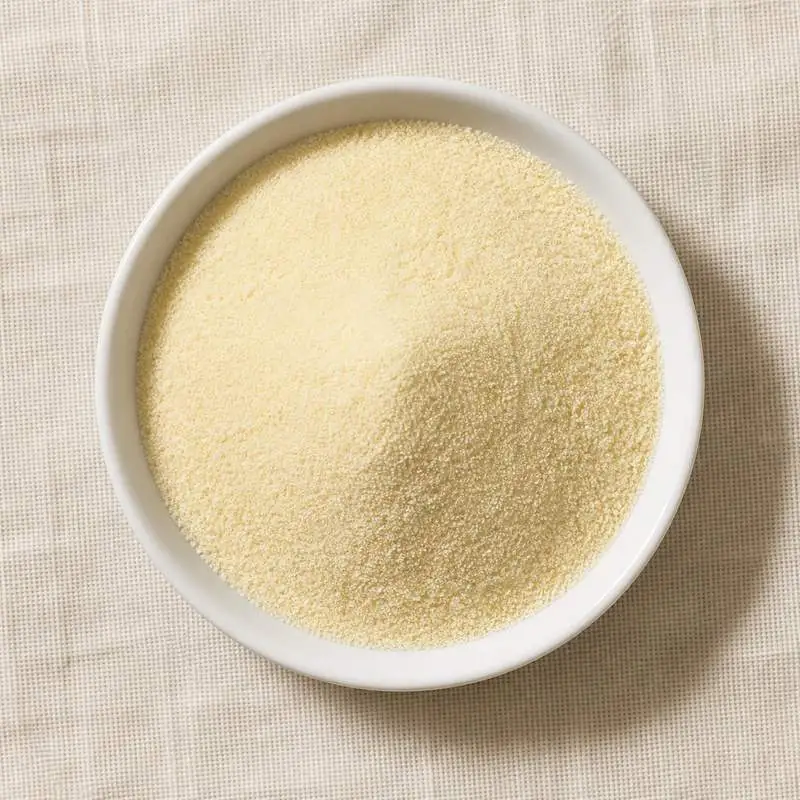
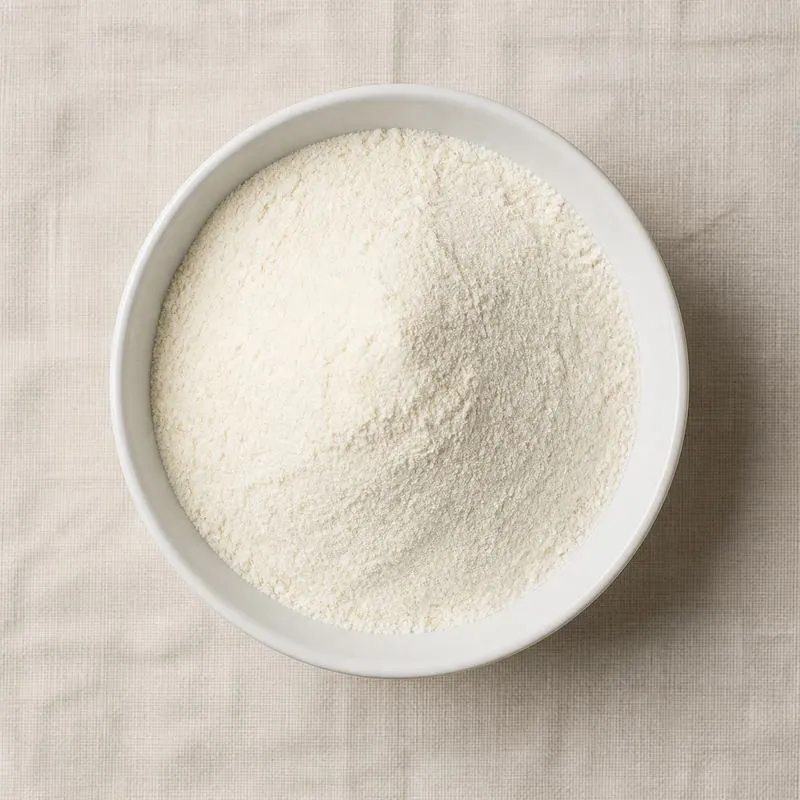
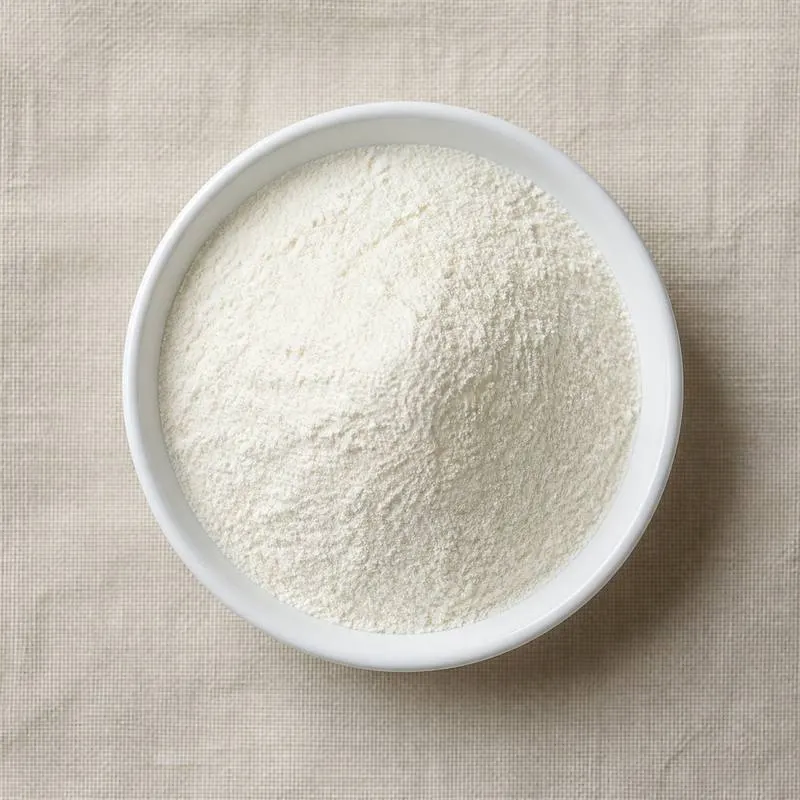
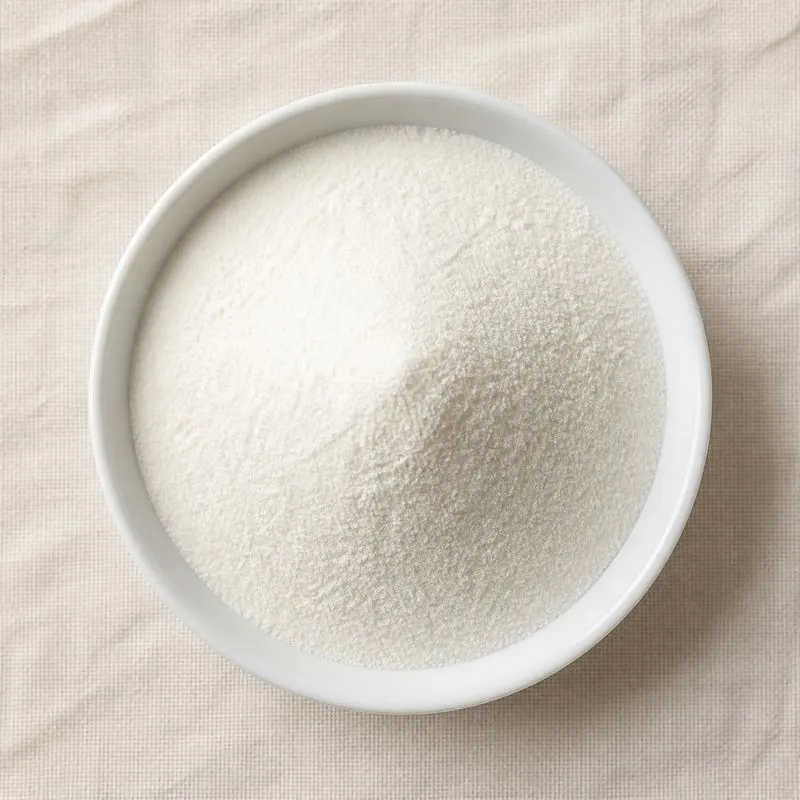
It is a white to pale yellow free flowing powder at 5 to 7 percent moisture with 90 percent or higher protein on the dry basis, close to neutral in odour and taste in well made grades.
We source bulk Bone Collagen Peptide from top China manufacturers for our partners. The manufacturers are in Guangdong and Shandong. A smaller requirement can ship in a combined container with other ingredients.
Please send the grade you need, the volume and your destination port, and we will come back with a solution and a price.
or call +86-21-6858 0751
- Function
- Protein
Specifications
| Item | Specification |
|---|---|
| Appearance | White to pale yellow free flowing powder |
| Odour and Taste | Neutral to slightly characteristic, free from off notes |
| Protein, N x 5.55, dry basis | ≥ 90.0% |
| Average Molecular Weight | 2,000 to 5,000 Da, per declared grade |
| Hydroxyproline | ≥ 11.0% |
| Solubility, 10% cold water | Complete, clear to slightly hazy |
| Viscosity, 10% at 25°C | ≤ 10 mPa·s |
| Moisture | ≤ 7.0% |
| Ash | ≤ 2.0% |
| Calcium | ≤ 0.5%, unless deliberately retained |
| pH, 10% solution | 5.0 to 7.0 |
| Lead | ≤ 0.5 mg/kg |
| Arsenic | ≤ 1.0 mg/kg |
| Total Plate Count | ≤ 1,000 CFU/g |
| Yeast and Mould | ≤ 100 CFU/g |
| E. coli | Absent in 1 g |
| Salmonella | Absent in 25 g |
Common Markets Grades
The animal source is the first specification, since it determines religious and dietary acceptability as much as it determines the peptide profile. Bovine bone is the highest volume source, porcine bone is used but is excluded from halal and kosher supply, and poultry and fish bone are traded in smaller volumes. Source documentation and traceability accompany every lot.
The second variable is molecular weight distribution, declared as an average and often as a size range, with grades from below 1,000 to around 5,000 daltons traded. Dissolution rate, solution clarity and taste all follow from that figure, and low molecular weight grades are specified for clear beverages.
Beyond those, ash content distinguishes a well demineralised material from a poorly washed one, since residual calcium is the characteristic defect of a bone derived peptide. Instantised agglomerated grades for beverage powders, low ash and low sodium grades, and versions carrying a declared calcium content where the mineral is deliberately retained as a co-product are all offered.
Applications
- Bone and joint health supplements, where the bone origin is itself part of the product positioning
- Skin, hair and nail supplements in powder, sachet and capsule form
- Ready to drink collagen beverages and shots, using cold solubility and low viscosity
- Protein and sports nutrition powders, blended with whey or plant protein to raise total protein
- Combination formulations with calcium, vitamin D and vitamin K for bone positioning
- Nutrition bars and gummies, contributing protein without the gelling behaviour of gelatin
- Clinical and elderly nutrition, where high protein loading at low viscosity is required
- Bone broth style powders and savoury nutrition products
- Pet supplements for joint and mobility support
- Cosmetic formulations, as a humectant and film forming skin conditioning agent
China Manufacturers of Bone Collagen Peptide
Top Bone Collagen Peptide manufacturers in China.
 Guandong Audima Bio-tech Co., Ltd.6 ingredients in the directory
 Shandong Taiai Peptide Biotechnology Co., Ltd.4 ingredients in the directory
Company names and logos are the property of the manufacturers themselves. They are listed here because our own directory records them as producing this ingredient. A listing is not an endorsement by them, and we do not represent them or speak on their behalf.
Regulatory Status
In the United States collagen hydrolysate from established food animals is used as a food ingredient and as a dietary ingredient under the dietary supplement framework, and gelatin and its hydrolysates are treated as generally recognised as safe. Bovine sourced material is additionally subject to the Food and Drug Administration's rules restricting the use of certain cattle material, which control the source tissues and the origin of the animals in order to manage the risk of bovine spongiform encephalopathy. Statements about joint, bone or skin benefit are structure and function claims rather than authorised health claims.
In the European Union collagen and gelatin intended for human consumption are covered by the hygiene regulation for food of animal origin, which sets specific requirements on the raw materials that may be used, on the approval of the establishments that process them and on the treatments applied, together with the transmissible spongiform encephalopathy controls that apply to bovine bone in particular. The ingredient is a food ingredient rather than a food additive, so no E number applies, and any health claim requires authorisation under the nutrition and health claims regulation. Codex has no specific standard for collagen peptides, so its general standards for contaminants, hygiene and labelling apply.
Manufacturing Process
Bone is received as crushed and degreased material, sorted and washed, then degreased further with hot water or steam to strip residual fat, which would otherwise carry a rancid note through the entire process. The cleaned bone chip is then demineralised by steeping in dilute hydrochloric acid over several days, which dissolves the calcium phosphate and leaves a soft, translucent collagen matrix known as ossein. The spent acid liquor is a source of dicalcium phosphate and is normally recovered as a co-product.
The ossein is washed to neutrality and conditioned, usually by liming in an alkaline bath over a period of weeks, which removes non-collagen protein and opens the triple helical structure so that it will extract cleanly. It is then washed again, neutralised, and extracted with hot water in successive batches at rising temperature, converting the collagen to soluble gelatin.
The gelatin liquor is filtered, deionised over ion exchange resin to remove residual salts, and concentrated. Hydrolysis follows: the solution is brought to the working pH and temperature of the enzyme and treated with food grade proteases that cut the chains to the target molecular weight, monitored by viscosity or gel permeation chromatography. The enzymes are heat inactivated, and the hydrolysate is decolourised over activated carbon, filtered, sterilised, concentrated under vacuum and spray dried. Instant grades are agglomerated in a fluidised bed before packing.