Ganoderma Extract
Ganoderma extract is a concentrated preparation made from the fruiting body, spore or mycelium of the reishi mushroom, Ganoderma lucidum and closely related species such as Ganoderma sinense. It is traded as a standardised botanical ingredient rather than as a flavour, and its declared actives are two chemically unrelated families: high molecular weight beta-glucan polysaccharides, which are water soluble, and lanostane-type triterpenoids known as ganoderic and ganoderenic acids, which are soluble in ethanol and largely insoluble in water.
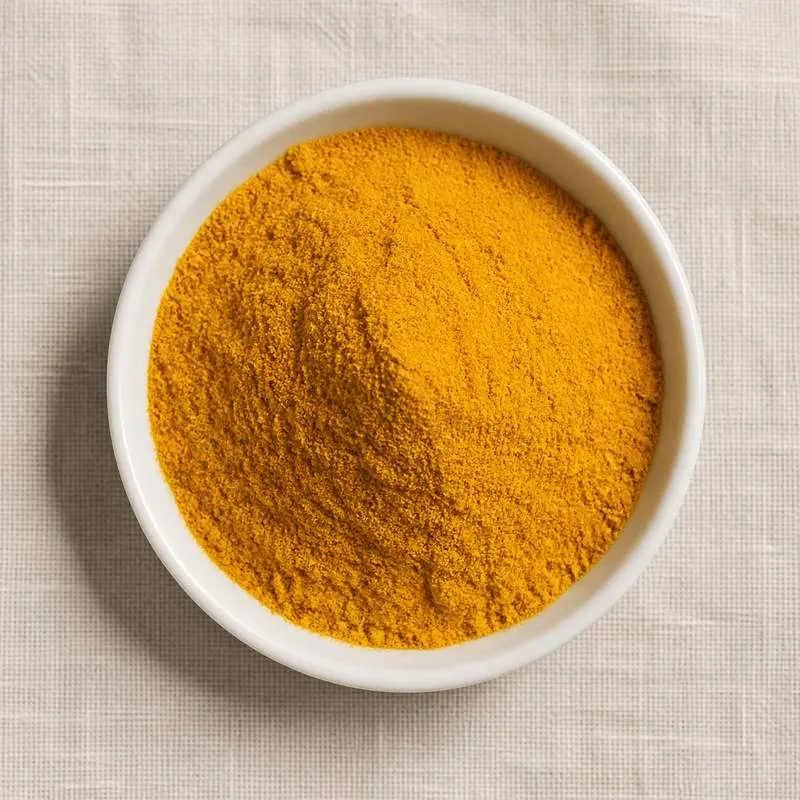
The commercial material is a fine hygroscopic powder ranging from light tan to dark brown, the colour deepening as the triterpene fraction rises. Extracts made by hot water alone are the paler grades and dissolve readily to give a slightly cloudy, faintly bitter solution. Ethanol and dual extraction grades are darker and markedly more bitter, and disperse rather than fully dissolve in cold water.
The powder is stable at ambient temperature when kept dry and out of direct light. Polysaccharide content survives normal beverage pasteurisation, while the triterpene fraction is more sensitive to prolonged heat in alkaline conditions. Because the powder picks up moisture quickly it is normally packed in foil laminate liners with desiccant.
We source bulk Ganoderma Extract from top China manufacturers for our partners. The manufacturer is in Shanghai. A smaller requirement can ship in a combined container with other ingredients.
Please send the grade you need, the volume and your destination port, and we will come back with a solution and a price.
or call +86-21-6858 0751
- Function
- Plant extract
Specifications
| Item | Specification |
|---|---|
| Appearance | Fine brown to dark brown powder |
| Odour and Taste | Characteristic mushroom odour, bitter taste |
| Identification | Conforms by TLC and HPLC against reference extract |
| Polysaccharides | Not less than 30.0% by UV colourimetry |
| Triterpenes | Not less than 4.0% as ganoderic acid A |
| Loss on Drying | Not more than 5.0% |
| Total Ash | Not more than 5.0% |
| Particle Size | 100% through 80 mesh |
| Residual Ethanol | Not more than 0.5% |
| Heavy Metals | Not more than 10 mg/kg |
| Lead | Not more than 2.0 mg/kg |
| Arsenic | Not more than 1.0 mg/kg |
| Total Plate Count | Not more than 10,000 cfu/g |
| Yeast and Mould | Not more than 100 cfu/g |
| E. coli | Absent in 1 g |
| Salmonella | Absent in 25 g |
Common Markets Grades
Grades are defined first by extraction route and then by the assay used to sell them. Hot water extracts are usually offered as ratio products at 10:1, 20:1 or 30:1 with polysaccharide content declared at 10, 20 or 30 percent, measured by a colourimetric method. Ethanol extracts are sold on triterpene content, commonly 1 to 6 percent but occasionally higher for supplement concentrates. Dual extracted grades carry both claims, for example 30 percent polysaccharide with 4 percent triterpene, and command the strongest positioning in finished supplements.
Separate lines exist for shell-broken spore powder and spore oil, which differ in composition from fruiting body extract and should not be substituted for it. Physical options include standard 80 mesh powder, fine 100 to 200 mesh for capsules and tablets, granulated instant grades made by fluid bed agglomeration for beverage sachets, and organic certified lots produced from log or substrate cultivation audited to organic rules.
Applications
- Capsules and tablets in the dietary supplement trade, where the extract is the primary active and is dosed on its declared polysaccharide or triterpene assay
- Instant beverage sachets and coffee blends, using agglomerated grades that disperse in hot water without lumping
- Functional drinks and shots, where the water extract contributes soluble beta-glucans without clouding the pack excessively
- Mushroom blend powders combined with lion's mane, chaga and cordyceps for stacked immune positioning
- Traditional herbal tonics and decoction concentrates in Chinese and other East Asian formats
- Gummies and soft chews, where the bitterness of the triterpene fraction has to be masked with acid and fruit flavour
- Pet supplements for companion animals, typically using the water extract for palatability reasons
- Skin care and topical formulations, where polysaccharide fractions are used as humectant and conditioning agents
- Broth, soup and savoury seasoning bases in East Asian cooking, contributing an earthy bitter-umami background
Brands Using Ganoderma Extract
Widely-distributed consumer products that list Ganoderma Extract on the ingredient label.
- Real MushroomsOrganic Reishi Mushroom Capsules ↗Reishi capsules at 1000 mg per serving, named on the page by the botanical name Ganoderma lucidum.Label verified 2026-08-31
- Terrasoul SuperfoodsReishi 4:1 Extract Powder ↗The ingredient statement reads organic reishi mushroom extract powder (Ganoderma lucidum) and nothing else.Label verified 2026-08-31
- Moon JuicePlump Jelly ↗This hyaluronic acid serum lists Ganoderma lucidum (reishi mushroom) extract among its skin soothing ingredients.Label verified 2026-08-31
- Oregon's Wild HarvestAstragalus Reishi Capsules ↗The ingredient list names organic reishi mushroom mycelia (Ganoderma lucidum) cultured on millet or brown rice with organic astragalus root.Label verified 2026-08-31
- Transparent LabsMushroom Stack ↗The ingredient profile gives 500 mg of organic reishi (Ganoderma lucidum) per serving with cordyceps and lion's mane.Label verified 2026-08-31
Brand names, product names and logos are the property of their owners. They appear here as published evidence that the ingredient is used, taken from the brand's own label or website. Their appearance is not an endorsement, and it does not mean the brand buys from us or from any manufacturer listed on this site.
China Manufacturers of Ganoderma Extract
Top Ganoderma Extract manufacturers in China.
 Shanghai Dahan Lingzhi Health Care Products Co., Ltd.Products Co., Ltd.1 ingredient in the directory
Company names and logos are the property of the manufacturers themselves. They are listed here because our own directory records them as producing this ingredient. A listing is not an endorsement by them, and we do not represent them or speak on their behalf.
Regulatory Status
In the United States Ganoderma lucidum is used almost entirely as a dietary ingredient under DSHEA, where it qualifies as a botanical present in the food supply before 1994 and therefore does not require a new dietary ingredient notification. Some reishi preparations also hold self-affirmed GRAS conclusions for use in conventional foods and beverages, but that status attaches to the specific preparation and use level rather than to reishi in general. Structure and function claims are permitted with the standard disclaimer, and disease claims are not.
In the European Union reishi has no E number because it is not a food additive. Its status depends on whether a given preparation counts as having a significant history of consumption in the EU before May 1997. Traditional dried fruiting body and simple water extracts are generally treated as foods, while spore oil and other novel preparations are more likely to fall under the Novel Food Regulation and require authorisation. Health claims are only permitted where they appear on the authorised list, and reishi claims are not currently on it. Codex has no commodity standard specific to reishi extract, so trade specifications are set by contract.
Manufacturing Process
Cultivated fruiting bodies are grown on hardwood logs or on sawdust and grain substrate blocks, harvested before or shortly after spore release, then dried and milled to a coarse powder. The mill feed is extracted with hot water at 90 to 100 degrees Celsius over several hours, sometimes with a preceding cellulase treatment to break the chitinous cell wall and raise polysaccharide yield. The aqueous extract is separated from the spent biomass by filter press or decanter centrifuge and clarified.
For dual extracted grades the spent or fresh biomass is separately percolated with 60 to 95 percent ethanol to recover the triterpene fraction, and the alcohol is stripped under vacuum before the two streams are recombined. The combined liquor is concentrated in a falling film or vacuum evaporator to a thick extract, then spray dried, usually with maltodextrin as a carrier to control the hygroscopicity of the powder. The dried product is sieved, blended to the declared assay against an in-house standard, checked for residual solvent and packed.