Ganoderma Polysaccharides
Ganoderma polysaccharides are the polysaccharide fraction extracted from the fruiting body, spores or mycelium of Ganoderma lucidum and related species, the fungus known as reishi or lingzhi. The fraction is dominated by beta-glucans, chiefly beta-1,3-glucans with beta-1,6 branches, together with heteropolysaccharides containing galactose, mannose, xylose and arabinose, and a proportion of protein-bound polysaccharide, the polysaccharide peptide complex.
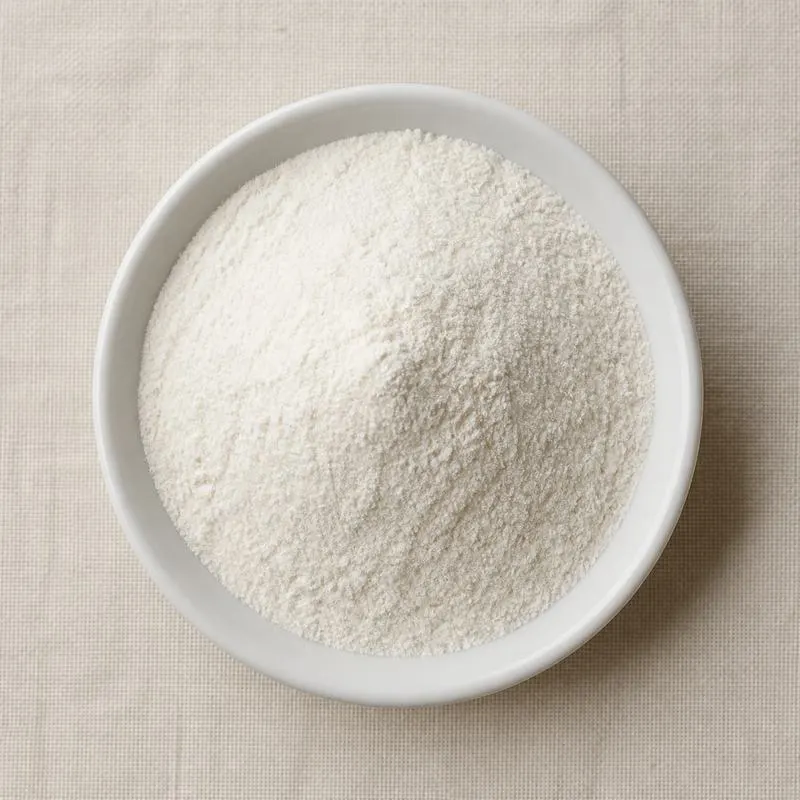
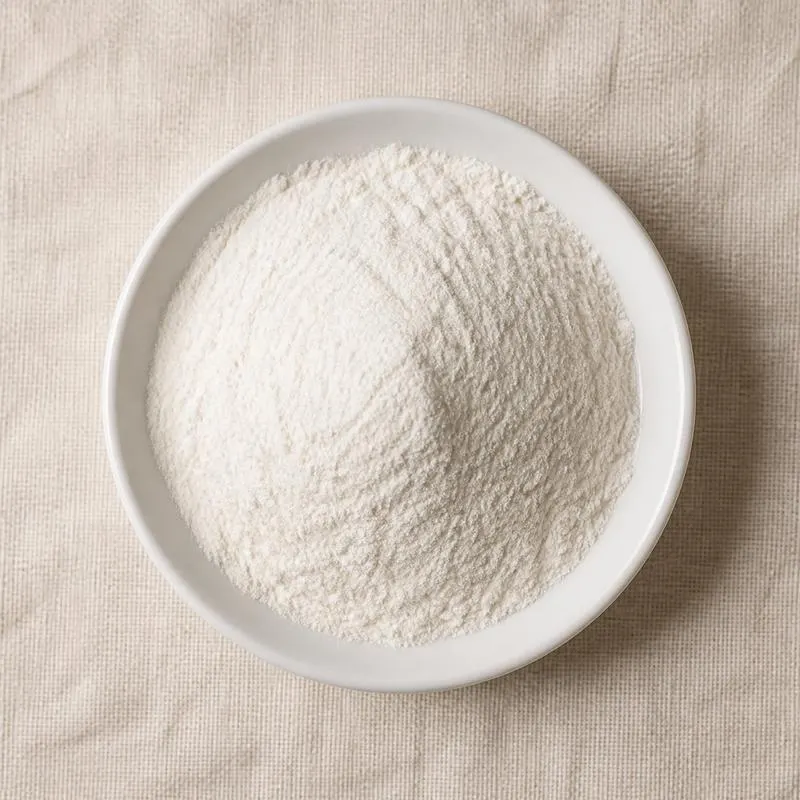
The commercial article is a light yellow to brown hygroscopic powder with a faint mushroom odour and a bland to slightly bitter taste. It dissolves or disperses in hot water to give a slightly viscous, cloudy solution. It is insoluble in ethanol and other organic solvents, and precipitates when ethanol is added to its aqueous solution, which is how it is recovered in manufacture. It is stable through pasteurisation and across the ordinary food pH range and does not gel.
Content is stated as total polysaccharide, determined colorimetrically as glucose equivalents after hydrolysis, and grades run from 10 per cent in crude extracts to above 50 per cent in refined material. Triterpene content, the other marker group in Ganoderma, is usually reported alongside it, since the two fractions are extracted by different solvents and a water extract standardised on polysaccharide carries little triterpene while an ethanol extract carries the reverse.
We source bulk Ganoderma Polysaccharides from top China manufacturers for our partners. The manufacturer is in Shaanxi. A smaller requirement can ship in a combined container with other ingredients.
Please send the grade you need, the volume and your destination port, and we will come back with a solution and a price.
or call +86-21-6858 0751
- Function
- Dietary Fibres
Specifications
| Item | Specification |
|---|---|
| Appearance | Light yellow to brown fine powder |
| Total Polysaccharide | Not less than 30.0 per cent as glucose by colorimetry |
| Beta-Glucan | Not less than 15.0 per cent |
| Total Triterpenes | Not less than 2.0 per cent where declared |
| Identification | Positive phenol sulphuric acid reaction |
| Loss on Drying | Not more than 7.0 per cent |
| Ash | Not more than 6.0 per cent |
| Lead | Not more than 2 mg/kg |
| Arsenic | Not more than 1 mg/kg |
| Cadmium | Not more than 0.5 mg/kg |
| Total Plate Count | Not more than 10000 cfu/g |
| Yeast and Mould | Not more than 100 cfu/g |
| Escherichia coli | Absent in 1 g |
| Salmonella | Absent in 25 g |
Common Markets Grades
Grading is by total polysaccharide assay and by the part of the organism used. Fruiting body extracts are the traditional and best documented article. Spore powder, in which the sporoderm has been mechanically or enzymatically broken to make the contents accessible, is sold separately and is specified on the percentage of broken spores as well as on assay. Mycelium grown in submerged fermentation is cheaper and is used where volume and consistency matter more than origin; mycelium on grain, in which the substrate is milled together with the fungus, gives a much lower marker figure and is a distinct product that should not be confused with a fruiting body extract.
Assay grades run at 10, 20, 30 and 50 per cent total polysaccharide, with dual-standardised grades stating both polysaccharide and triterpene content. Particle size runs from 80 mesh through 200 mesh superfine for beverage use. Food grade produced under controlled cultivation is the standard, with organic certification available where the substrate and cultivation qualify, and extract ratio expressed as raw material weight per unit of extract is quoted alongside but is not a substitute for the assay.
Applications
- Dietary supplements in capsule, tablet and powder form, the largest single outlet
- Functional beverages, instant teas and coffee blends, using superfine grades to avoid sedimentation
- Mushroom blend powders formulated alongside cordyceps, lion's mane and chaga
- Traditional health food and tonic preparations in East Asian markets, where reishi has a long established position
- Meal replacement and nutritional powders, contributing beta-glucan and a mild savoury note
- Confectionery, jellies and gummies in health-positioned lines
- Skin care formulations, where the polysaccharide acts as a humectant and film former
- Pet supplements and functional pet food
- Soups, broths and savoury bases, where the mushroom character is part of the flavour profile
Brands Using Ganoderma Polysaccharides
Widely-distributed consumer products that list Ganoderma Polysaccharides on the ingredient label.
- PureBulkReishi Mushroom Powder ↗The supplement facts panel lists 1500 mg of reishi mushroom (Ganoderma lucidum) fruiting body standardised to at least 50 percent polysaccharides.Label verified 2026-08-31
- HorbaachReishi Mushroom 200 Capsules ↗The product copy states the capsules supply naturally occurring polysaccharides derived from the Ganoderma lucidum fruiting body.Label verified 2026-08-31
Brand names, product names and logos are the property of their owners. They appear here as published evidence that the ingredient is used, taken from the brand's own label or website. Their appearance is not an endorsement, and it does not mean the brand buys from us or from any manufacturer listed on this site.
China Manufacturers of Ganoderma Polysaccharides
Top Ganoderma Polysaccharides manufacturers in China.
Company names and logos are the property of the manufacturers themselves. They are listed here because our own directory records them as producing this ingredient. A listing is not an endorsement by them, and we do not represent them or speak on their behalf.
Regulatory Status
Ganoderma lucidum is a traditional food and medicinal material in China, Japan, Korea and other East Asian markets, where fruiting body and extracts of it have an established position in health food and supplement use. In the United States it is marketed as a dietary ingredient in supplements under the Dietary Supplement Health and Education Act framework, with a new dietary ingredient notification required where a specific preparation lacks the necessary history of use, and use in conventional food would rest on a generally recognised as safe determination for that use.
In the European Union, preparations of Ganoderma lucidum are addressed in the Commission novel food catalogue, and whether a given preparation requires novel food authorisation depends on whether significant consumption in the Union before the novel food cut-off can be demonstrated for that specific form, so extracts and spore preparations are assessed individually. National rules on food supplements and on botanical preparations apply in addition. No disease-related health claim is authorised for the material in the European Union, and permitted statements are limited to those the claims regulation allows. Codex has no standard covering it, so the material is traded against its analytical specification.
Manufacturing Process
Cultivated Ganoderma fruiting bodies are grown on sterilised hardwood logs or on bagged sawdust substrate over several months, harvested, cleaned and dried. The dried material is milled and, in most plants, first extracted with aqueous ethanol to remove triterpenes, pigments and lipids, a step that both yields a separate triterpene product and cleans up the polysaccharide extract that follows. The dewaxed residue is then extracted with hot water in several countercurrent stages, sometimes with a cellulase pretreatment to break down the chitinous cell wall and release bound polysaccharide, since the fungal wall is the limiting barrier to yield.
The aqueous extract is separated from the spent solids by filtration or centrifugation and concentrated under vacuum at a temperature that avoids caramelisation. Protein is removed enzymatically with a protease followed by heat coagulation and filtration, or by the Sevag method at smaller scale. The polysaccharide is then precipitated by adding ethanol to the concentrate, recovered by centrifugation, washed with ethanol and redissolved, with the ethanol distilled and recycled. The purified solution is decolourised over activated carbon, fractionated or desalted by ultrafiltration where a refined grade is specified, then concentrated and spray dried, milled, sieved and blended to the target assay.