Giant Salamander Peptide
Giant salamander peptide is a protein hydrolysate made from the farmed Chinese giant salamander, Andrias davidianus, using the skin, muscle and processing trimmings of licensed captive bred animals. The skin is the part of most technical interest, since amphibian skin is exceptionally rich in collagen and in the mucus glycoproteins that keep it moist, and most commercial material is dominated by collagen derived peptides.
The species is protected in the wild and the entire legitimate supply chain rests on registered breeding operations, which is the first thing a buyer needs to establish about any offer. Farming developed in central China as a conservation linked aquaculture industry, and the peptide trade exists because farmed animals generate skin and trimmings that have no other outlet at scale.
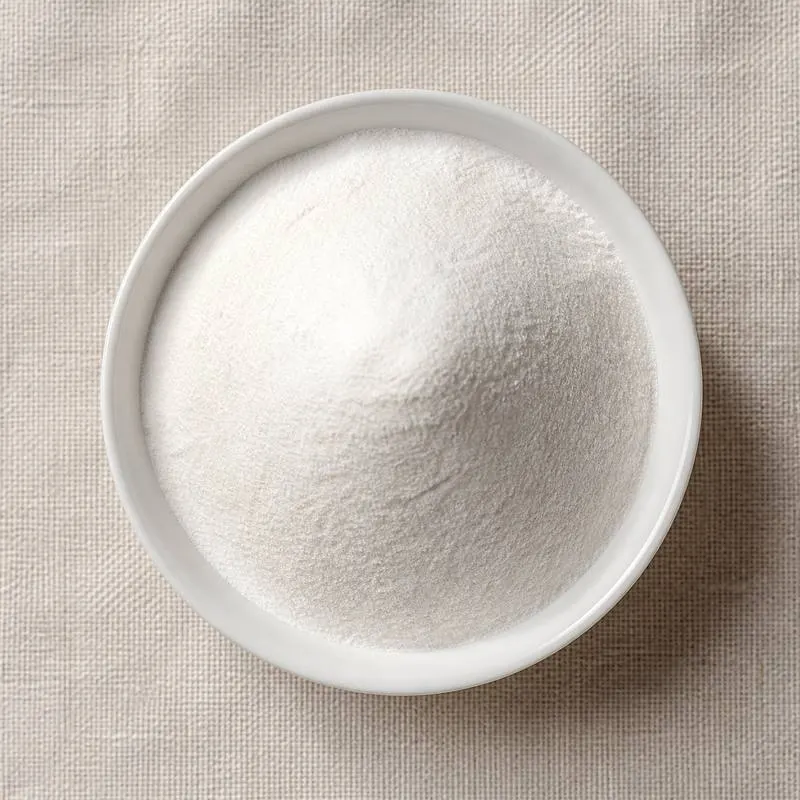
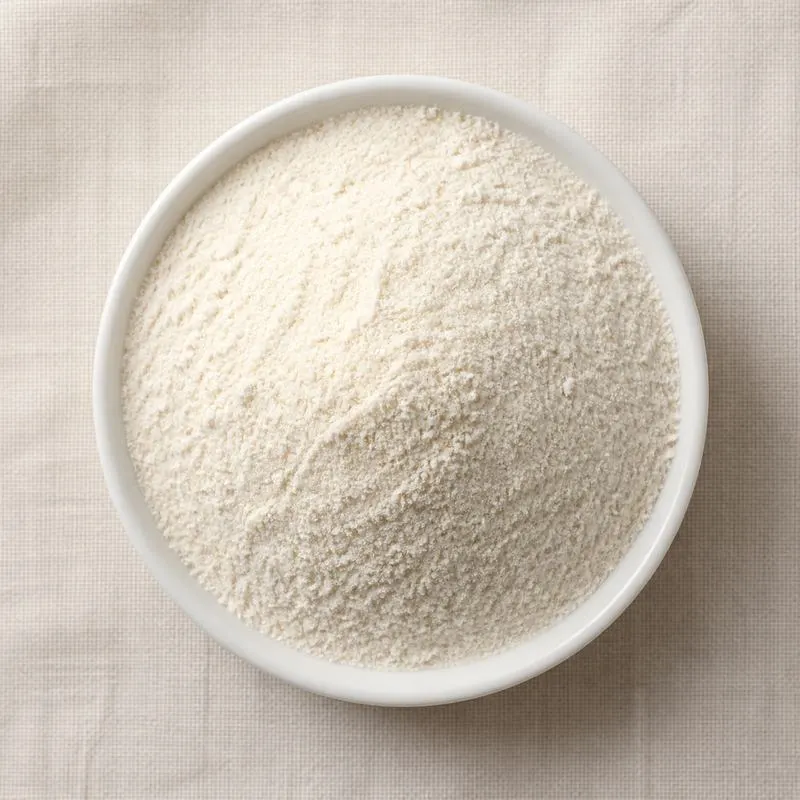
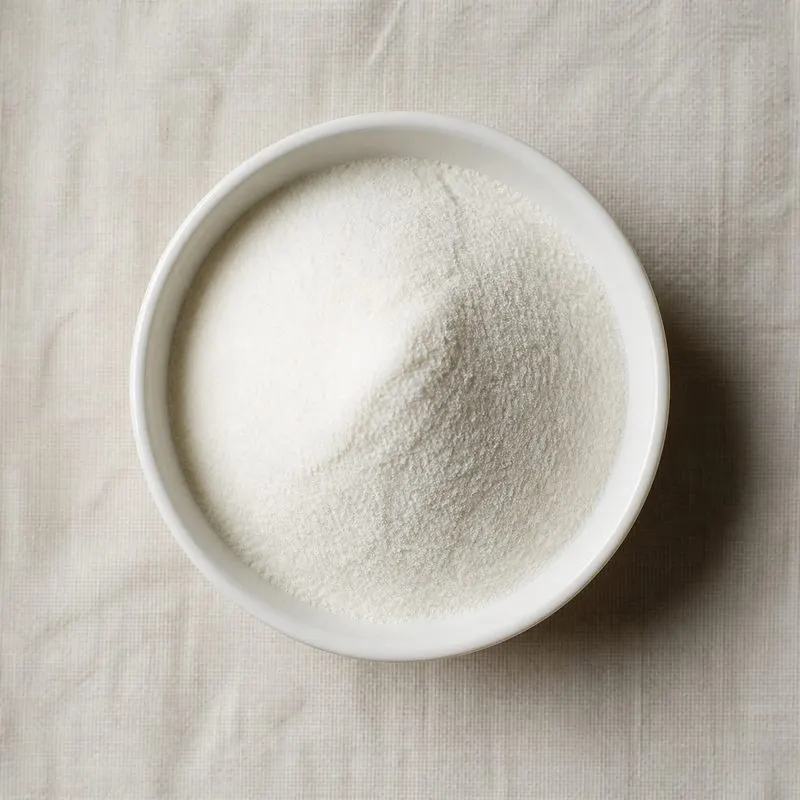
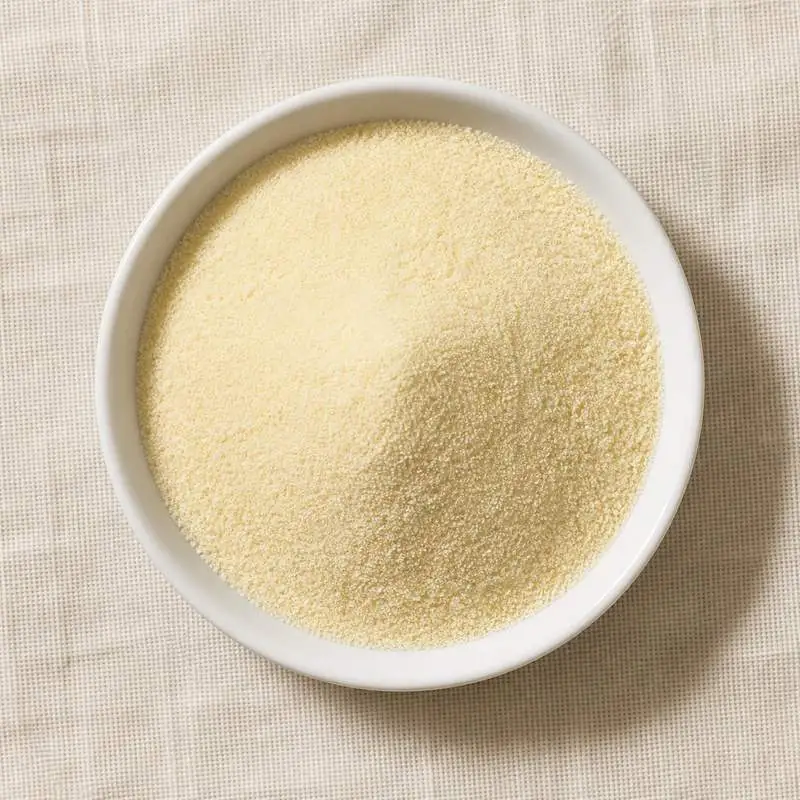
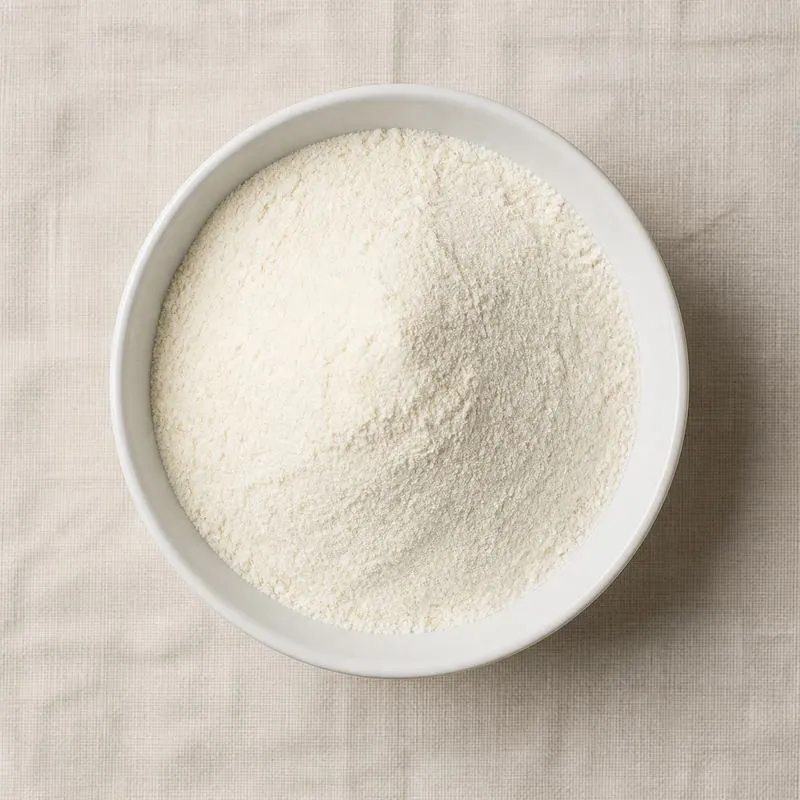
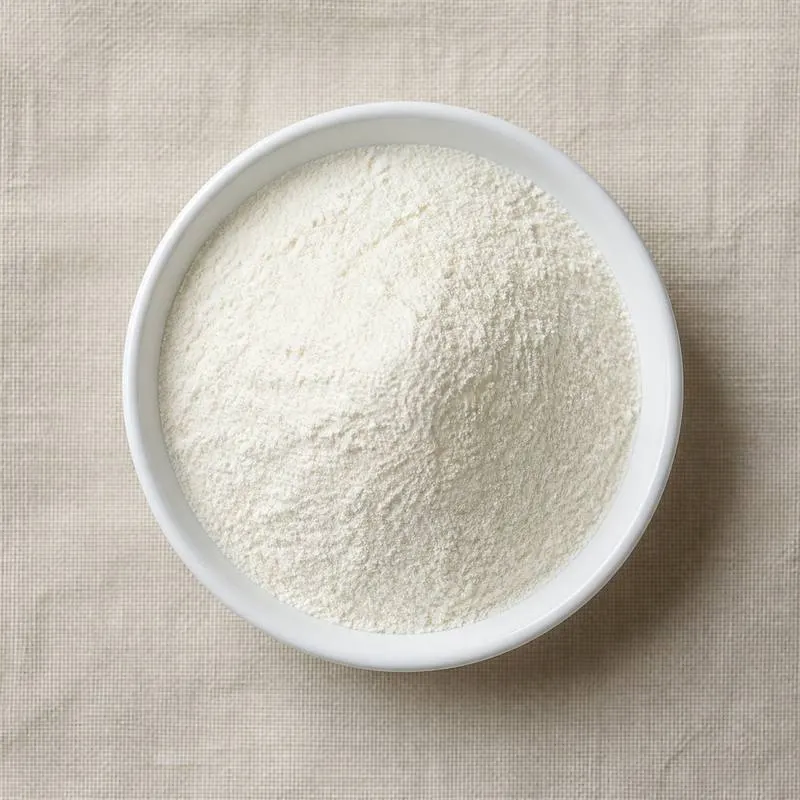
In composition the hydrolysate is a mixture of short peptides and free amino acids, high in glycine, proline and hydroxyproline where skin is the main input, with a more balanced profile where muscle is included. It is a white to pale yellow spray dried or freeze dried powder with a faint characteristic odour, dissolving completely in cold water, holding through pasteurisation and adding no viscosity to a formulation. Marketing in China positions it on skin and general tonic benefits, which follows the traditional standing of the animal rather than any established distinct property of the peptides.
We source bulk Giant Salamander Peptide from top China manufacturers for our partners. The manufacturer is in Shandong. A smaller requirement can ship in a combined container with other ingredients.
Please send the grade you need, the volume and your destination port, and we will come back with a solution and a price.
or call +86-21-6858 0751
- Function
- Protein
Specifications
| Item | Specification |
|---|---|
| Appearance | White to pale yellow fine powder |
| Odour and Taste | Faint characteristic odour, bland to slightly bitter |
| Species and Provenance | Andrias davidianus from a registered breeding operation, confirmed by DNA identification |
| Peptide Content (dry basis) | Not less than 85.0 percent |
| Hydroxyproline (skin derived grades) | Not less than 6.0 percent of protein |
| Peptides below 1000 Daltons | Not less than 85.0 percent |
| Loss on Drying | Not more than 7.0 percent |
| Ash | Not more than 6.0 percent |
| Fat | Not more than 1.0 percent |
| pH (1 percent solution) | 5.5 to 7.5 |
| Solubility in Water | Not less than 98.0 percent |
| Lead | Not more than 0.5 mg/kg |
| Arsenic | Not more than 0.5 mg/kg |
| Mercury | Not more than 0.5 mg/kg |
| Total Plate Count | Not more than 10000 cfu/g |
| Yeast and Mould | Not more than 100 cfu/g |
| E. coli | Negative in 1 g |
| Salmonella | Negative in 25 g |
Common Markets Grades
The defining commercial distinction is legal origin rather than assay: material from a registered breeding operation with the documentation to prove it, against material of uncertain origin, which no responsible buyer should handle. Beyond that, grades separate by tissue, with skin derived collagen peptide traded at a premium over muscle derived material and blends of the two sold as a general grade.
Technical specifications follow the usual peptide axes. Peptide content runs from around 80 percent on a dry basis for simple hydrolysates to 90 percent for membrane purified material, and molecular weight distribution is declared, generally with 80 to 90 percent below 1000 daltons. Hydroxyproline is stated where the material is sold as a collagen peptide. Spray dried powder is the volume format and freeze dried material carries a premium in the tonic segment. Because the species is protected and the ingredient is expensive, species identification by DNA testing is a reasonable requirement to include on the specification.
Applications
- Premium supplements in the Chinese market, positioned on skin and general tonic benefits
- Beauty from within products, sold on the collagen peptide fraction
- Sachet powders and instant preparations for reconstitution in cold water
- Functional shots and small format beverages, where the peptide dissolves clear
- Traditional tonic formulations blended with botanical extracts
- Cosmetic serums and creams, using the hydrolysate as a film forming protein derivative
- Gift packed health food products, a substantial format for premium Chinese ingredients
- Nutrition products aimed at recovery and convalescence in the domestic market
China Manufacturers of Giant Salamander Peptide
Top Giant Salamander Peptide manufacturers in China.

Company names and logos are the property of the manufacturers themselves. They are listed here because our own directory records them as producing this ingredient. A listing is not an endorsement by them, and we do not represent them or speak on their behalf.
Regulatory Status
The controlling issue is species protection rather than food law. Andrias davidianus is listed on Appendix I of the Convention on International Trade in Endangered Species, which prohibits international commercial trade in wild specimens and requires that specimens from registered captive breeding operations be traded under permits issued by the exporting and importing authorities. Any consignment crossing a border needs that documentation, and an offer that cannot produce it should not be pursued. In China the species is state protected and its farming, slaughter and sale are licensed.
In the United States there is no generally recognised as safe listing for this material, and an amphibian derived peptide would be sold under the dietary supplement framework, with a new dietary ingredient notification likely required. Imports are additionally subject to wildlife trade controls administered by the Fish and Wildlife Service alongside the food import requirements. In the European Union the material has no history of significant consumption and would require novel food authorisation before being placed on the market as a food or supplement ingredient, and the species is covered by the Union wildlife trade regulations implementing the convention. It is not a food additive and holds no E number, and Codex has published no specification for it.
Manufacturing Process
Raw material comes from licensed farms, where animals processed for food yield skin, trimmings and frames. The material is received chilled or frozen, washed to remove mucus and blood, trimmed and minced. Skin is normally handled separately from muscle because the two need different treatment: skin is degreased and then swollen in dilute alkali or acid to open the collagen fibre structure, while muscle goes directly to hydrolysis.
Where collagen peptide is the target, the swollen skin is washed until neutral and extracted with hot water to dissolve the collagen as gelatin, and the liquor is filtered and defatted hot before hydrolysis. Hydrolysis itself uses a food grade protease system, an endoprotease takes the chains down to the target molecular weight, then an exopeptidase stage trims the bitter terminal residues. The enzymes are inactivated by heating, the hydrolysate is centrifuged and filtered to remove undigested residue and fat, and ultrafiltration controls the molecular weight while nanofiltration concentrates and desalts the permeate. Activated carbon treatment removes colour and odour, and the purified concentrate is evaporated under vacuum and spray dried, or frozen and freeze dried for premium presentation, then sieved, metal checked and packed with a moisture barrier.