Ginseng Postbiotic
Ginseng postbiotic is a preparation in which ginseng extract has been used as the fermentation substrate and the finished material retains both the biotransformed plant compounds and the inactivated microbial cells and metabolites produced during the fermentation. It sits at the point where two ingredient categories meet: a fermented botanical extract, valued for the conversion of its ginsenosides, and a postbiotic, defined as a preparation of inanimate microorganisms and their components that gives a health benefit.
The plant chemistry is the reason the process is applied. Panax ginseng root contains ginsenosides, triterpene saponins carrying two or three sugar chains, and the major ones, Rb1, Rb2, Rc and Rd, are large, poorly absorbed molecules. In people they are converted by gut bacteria into smaller deglycosylated forms, principally compound K, and the extent of that conversion varies widely between individuals because it depends on which organisms a person carries. Fermenting the extract in the factory with a culture that has the necessary glycosidases performs the conversion in advance, so the preparation delivers the minor ginsenosides directly rather than relying on the consumer's own flora.
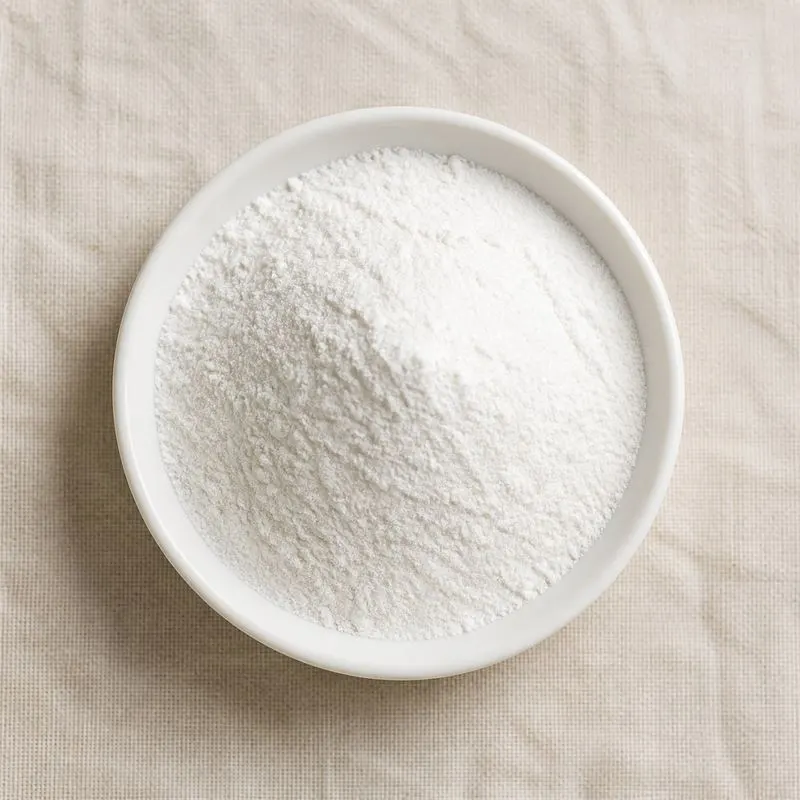
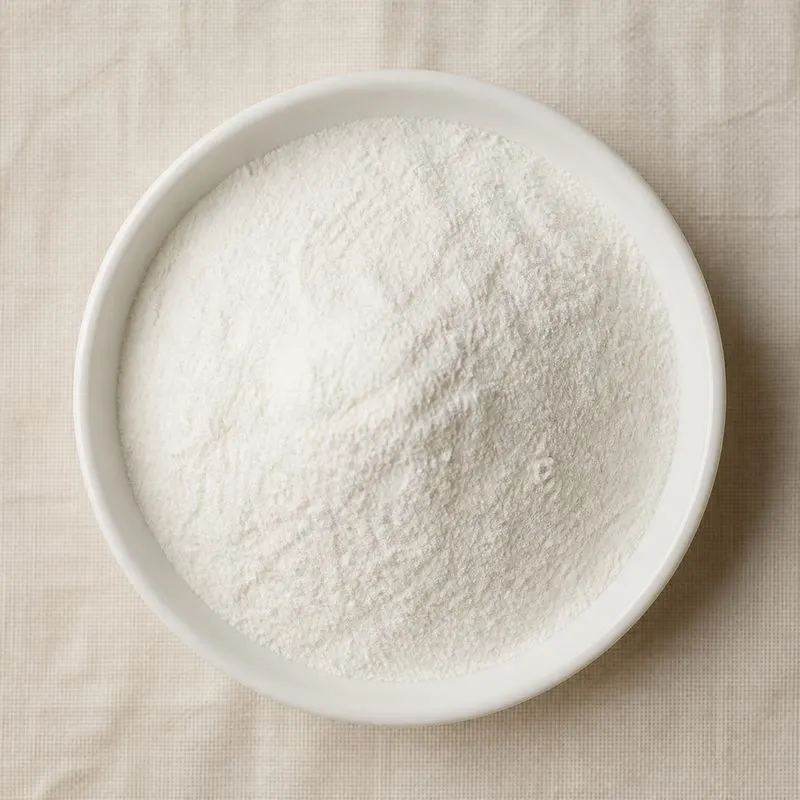
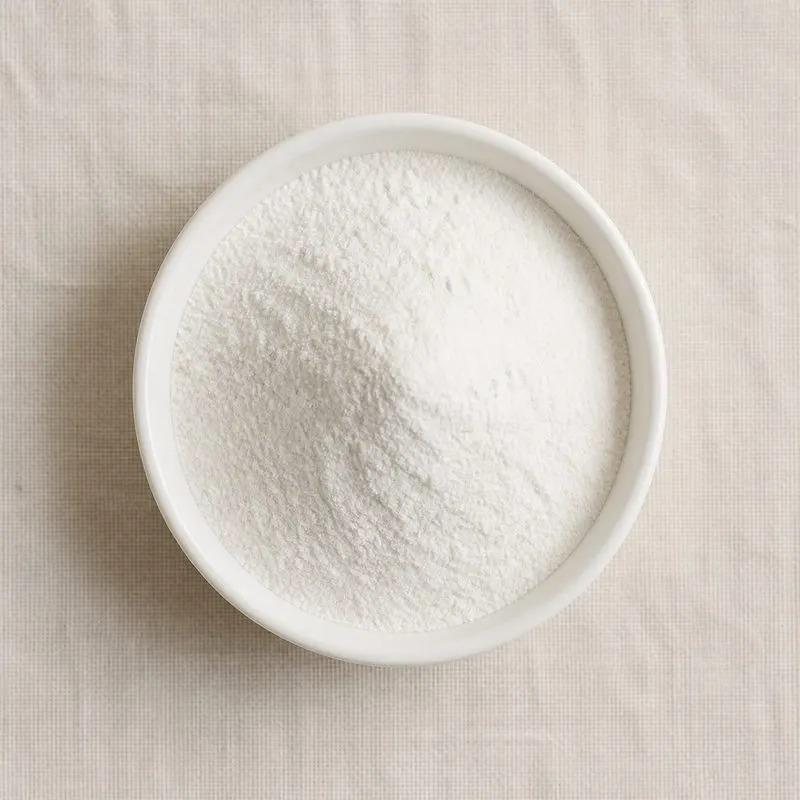
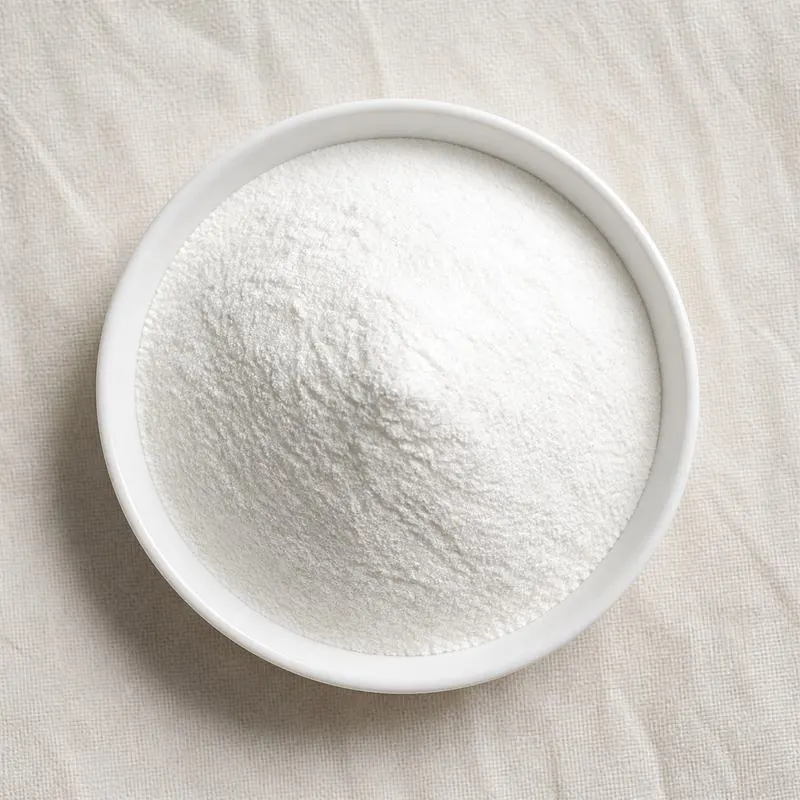
The postbiotic element follows from not separating the culture out. After the conversion is complete the broth is inactivated and dried whole, so the cell walls, peptidoglycan fragments and microbial metabolites remain in the product alongside the converted saponins. The result is a light to medium brown powder with a fermented, slightly bitter character, dispersible in water, ambient stable, and specified on both the ginsenoside profile and the cell content.
We source bulk Ginseng Postbiotic from top China manufacturers for our partners. The manufacturer is in Tianjin. A smaller requirement can ship in a combined container with other ingredients.
Please send the grade you need, the volume and your destination port, and we will come back with a solution and a price.
or call +86-21-6858 0751
- Function
- Probiotic
Specifications
| Item | Specification |
|---|---|
| Appearance | Light to medium brown free flowing powder |
| Odour and Taste | Characteristic fermented ginseng, slightly bitter |
| Botanical Identity | Panax ginseng confirmed by chromatographic fingerprint |
| Compound K | Not less than declared minimum content |
| Total Minor Ginsenosides | Not less than declared level |
| Residual Parent Ginsenosides Rb1 and Rb2 | Not more than declared maximum |
| Cell Equivalents | Not less than declared count per gram |
| Viable Organisms | Less than 10 cfu/g |
| Loss on Drying | Not more than 6.0 percent |
| Water Activity | Not more than 0.30 |
| Residual Ethanol | Not more than 0.5 percent |
| Lead | Not more than 1 mg/kg |
| Arsenic | Not more than 1 mg/kg |
| Cadmium | Not more than 0.5 mg/kg |
| Total Plate Count | Not more than 1000 cfu/g |
| Yeast and Mould | Not more than 100 cfu/g |
| Salmonella | Absent in 25 g |
Common Markets Grades
The first and most important grade axis is the ginsenoside profile after fermentation, expressed as the content of the target minor ginsenosides and as the ratio of converted to unconverted forms. A preparation sold on a conversion has to demonstrate the conversion, so a specification quoting only total ginsenosides, or only the parent compounds, does not describe what the buyer is paying for. Compound K, Rg3, Rh1 and Rh2 are the forms usually declared.
The second is the plant material. White ginseng, the dried root, and red ginseng, steamed before drying and already carrying some heat converted ginsenosides, give different starting profiles, and American ginseng and notoginseng are separate species with their own saponin patterns that should not be traded interchangeably. The third is the culture and whether the cells are retained. Preparations described as postbiotic keep the inactivated biomass and declare a cell count or cell equivalent alongside the saponin assay, while preparations that separate and discard the cells are fermented extracts rather than postbiotics, and the difference should be evident from the specification. The fourth is form and concentration, covering liquid, vacuum concentrate and spray dried powder on a carrier.
Applications
- Ginseng supplements positioned on the minor ginsenosides that conventional extracts contain only in traces
- Energy and vitality formulations, the traditional positioning of the botanical
- Cognitive and stress support products, where ginseng is combined with other adaptogenic botanicals
- Postbiotic positioned supplements, where the inactivated cell fraction is part of the claim
- Functional beverages and shots, where ambient stability and heat tolerance suit the format
- Traditional style tonic preparations, where fermentation is an accepted step in preparing the root
- Skin care and cosmetic formulations, where fermented ginseng is used for penetration and for its organic acid content
- Immune support products combining converted saponins with the cell wall fraction
- Capsules, tablets and sachets, where the dried powder allows a fixed dose
- Sports nutrition, where the botanical carries a recovery and endurance positioning
China Manufacturers of Ginseng Postbiotic
Top Ginseng Postbiotic manufacturers in China.
Company names and logos are the property of the manufacturers themselves. They are listed here because our own directory records them as producing this ingredient. A listing is not an endorsement by them, and we do not represent them or speak on their behalf.
Regulatory Status
In the United States ginseng is an established dietary ingredient with a long history of use, and preparations are marketed as dietary supplement ingredients or, for food use, on the basis that the specific preparation is generally recognised as safe. A fermented preparation whose composition differs substantially from the traditional extract, particularly one enriched in ginsenosides present only in traces in the root, raises the question of whether it is the same substance as the article with a history of use, and may need to satisfy the requirements applying to new dietary ingredients. Claims are limited to structure and function statements with the required disclaimer.
In the European Union Panax ginseng root has a history of consumption and is not itself a novel food, but the fermented preparation is a different question: a process that substantially changes the composition of a material can bring it within the scope of the novel food regulation, and preparations enriched in minor ginsenosides that the traditional extract does not contain in significant amounts fall squarely into that area, so the status of a specific preparation should be confirmed rather than assumed from the status of the root. Health claims are limited to those authorised under the nutrition and health claims regulation, and claims for botanicals largely remain unresolved within that framework. Preparations presented with medicinal claims fall under the medicines legislation, including the traditional herbal medicinal product route, for which ginseng has an established monograph. Codex maintains no standard for the material, and its general standards on contaminants, hygiene and labelling apply.
Manufacturing Process
Dried ginseng root is identified to species, cleaned and milled, then extracted in water or in a water and ethanol mixture to bring the saponins into solution. Where ethanol has been used it is removed under vacuum before fermentation, since it would inhibit the culture. The extract is supplemented with a fermentable sugar and a nitrogen source, because a ginseng extract on its own is a poor growth medium, then pasteurised and cooled.
The culture is added and the fermentation is run in a closed stirred tank at controlled temperature. Lactic acid bacteria are used where a straightforward deglycosylation is wanted, while filamentous fungi such as Aspergillus species bring a broader range of glycosidases and are used where the stepwise removal of several sugar units is needed to reach compound K. The endpoint is determined by liquid chromatography rather than by elapsed time, because the same enzymes that produce the target compound will degrade it if the run continues past its maximum. When the target is reached the broth is heated under validated conditions, which stops the conversion and inactivates the culture, and absence of viable organisms is verified by plating, since that is the release criterion for a postbiotic. The whole broth, cells included, is then concentrated under vacuum at low temperature, blended with a carrier and spray dried, then milled, assayed for the ginsenoside profile and for cell equivalents, standardised and packed under moisture barrier.