Green Lipped Mussel
Green lipped mussel is Perna canaliculus, a bivalve endemic to New Zealand and farmed on suspended long lines there, whose meat is processed into a freeze dried powder and a lipid extract used in joint health supplements.
The interest in the species rests on its lipid fraction. Alongside eicosapentaenoic and docosahexaenoic acid, the mussel carries an unusual set of omega-3 fatty acids not common in other marine sources, including eicosatetraenoic acid, together with sterols, carotenoids and a glycosaminoglycan and mucopolysaccharide fraction from the connective tissue. The whole meat is also a conventional source of protein, taurine, zinc, selenium and iodine.
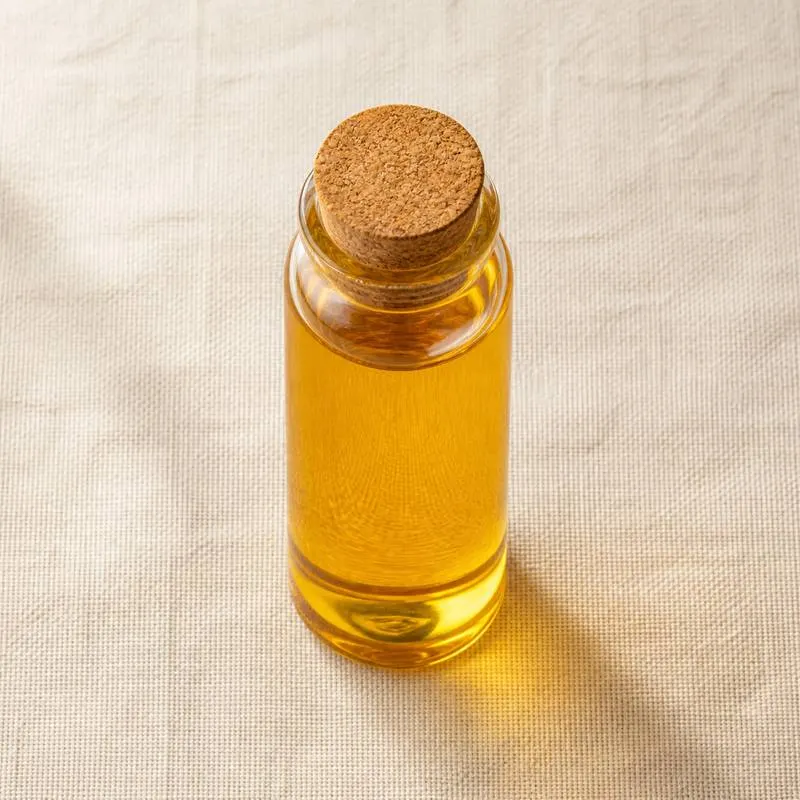
Two ingredient forms dominate. Freeze dried whole mussel powder is a light tan to greenish grey material with a marine odour, dosed in hundreds of milligrams to grams, in which the native lipid is preserved by drying without heat. Lipid extract, taken off with supercritical carbon dioxide or with solvent, is a viscous oil filled into softgels and dosed at a fraction of that level. Both are oxidation sensitive because of the long chain polyunsaturated content, so they are stabilised with tocopherol or the mussel's own antioxidants, blanketed with nitrogen and held cool and dark.
We source bulk Green Lipped Mussel from top China manufacturers for our partners. The manufacturer is in Shaanxi. A smaller requirement can ship in a combined container with other ingredients.
Please send the grade you need, the volume and your destination port, and we will come back with a solution and a price.
or call +86-21-6858 0751
- Function
- Nutraceutical
Specifications
| Item | Specification |
|---|---|
| Appearance | Light tan to greenish grey fine powder |
| Species Identification | Perna canaliculus |
| Crude Protein, dry basis | Not less than 55.0% |
| Total Lipid | Not less than 6.0% |
| Total Omega-3 Fatty Acids | Not less than 1.5% |
| Loss on Drying | Not more than 8.0% |
| Total Ash | Not more than 12.0% |
| Peroxide Value, on extracted lipid | Not more than 5.0 meq/kg |
| Cadmium | Not more than 1.0 mg/kg |
| Lead | Not more than 1.5 mg/kg |
| Mercury | Not more than 0.5 mg/kg |
| Marine Biotoxins | Below regulatory limits |
| Total Plate Count | Not more than 10,000 CFU/g |
| Salmonella | Absent in 25 g |
Common Markets Grades
The powder grades split by processing route, which is what determines whether the lipid survives. Freeze dried powder made from raw or lightly opened mussel is the higher specification grade and is specified on lipid content and on the fatty acid profile; heat opened and hot air dried material is cheaper and analytically poorer, since cooking degrades the polyunsaturated fraction, and it is normally declared as such. Whether the mussel was shucked live and stabilised before drying is a recognised point of specification.
Lipid extract is graded on total lipid, on the omega-3 profile and on peroxide and anisidine value, with supercritical carbon dioxide extracted material distinguished from solvent extracted on both residual solvent and marketing grounds. Beyond that, buyers specify particle size for the powder, whether the shell and byssus have been fully removed, and the source fishery documentation, since the species is farmed in a defined region and traceability supports the specification. Deodorised and encapsulated versions are made where the marine note has to be masked, and marine biotoxin testing accompanies commercial lots.
Applications
- Joint health capsules and tablets, the principal outlet for the freeze dried powder
- Softgel supplements built on the lipid extract, dosed at a fraction of the powder level
- Combination joint products with glucosamine, chondroitin and collagen
- Mobility formulations for older consumers, positioned on the marine omega-3 fraction
- Sports nutrition products aimed at recovery under repetitive loading
- Companion animal joint supplements for dogs, cats and horses, a substantial application
- Marine omega-3 blends where an unusual fatty acid profile is the point of difference
- Functional foods and bars in New Zealand and Australian domestic markets
- Cosmetic preparations using the lipid and glycosaminoglycan fractions
Brands Using Green Lipped Mussel
Widely-distributed consumer products that list Green Lipped Mussel on the ingredient label.
Brand names, product names and logos are the property of their owners. They appear here as published evidence that the ingredient is used, taken from the brand's own label or website. Their appearance is not an endorsement, and it does not mean the brand buys from us or from any manufacturer listed on this site.
China Manufacturers of Green Lipped Mussel
Top Green Lipped Mussel manufacturers in China.

Company names and logos are the property of the manufacturers themselves. They are listed here because our own directory records them as producing this ingredient. A listing is not an endorsement by them, and we do not represent them or speak on their behalf.
Regulatory Status
In the United States, green lipped mussel powder and lipid extract are sold as dietary ingredients under the Dietary Supplement Health and Education Act, and molluscan shellfish is a major allergen under the Food Allergen Labelling and Consumer Protection Act, so both the ingredient and any product containing it must carry that declaration. As a molluscan shellfish product the raw material falls under the seafood HACCP rules and, for material entering the food supply, the controls of the National Shellfish Sanitation Program and the corresponding memoranda with exporting countries, which cover harvest area classification and biotoxin monitoring.
In the European Union, live bivalve molluscs and products made from them are regulated under the hygiene rules for products of animal origin, which require classified production areas, approved dispatch and processing establishments, and monitoring for marine biotoxins, Escherichia coli and heavy metals; the contaminants regulation sets limits for cadmium, lead and mercury in bivalves. Molluscs are Annex II allergens under the food information regulation. A freeze dried mussel powder with a history of consumption is handled as an ordinary food, while a lipid extract produced by a specific novel process may require assessment under the novel food regulation on its own specification. The material is not a food additive, carries no E number, and JECFA has issued no specification for it. Codex addresses the raw material through its standard and code of practice for live and processed bivalve molluscs.
Manufacturing Process
Mussels are grown on suspended ropes in sheltered coastal water and harvested by vessel, then held live and chilled in transit because the process depends on stabilising the animal before its own enzymes and oxidation degrade the lipid. At the plant the shells are washed, declumped and stripped of byssus, then opened. The route taken here determines the grade: the gentler process opens the shell mechanically or with minimal heat and shucks the meat cold, while the commodity process steams the mussels open, which is faster and cheaper but partially cooks the meat.
Shucked meat is inspected, washed and, for the freeze dried grade, frozen quickly and then dried under vacuum, where the ice sublimes without the meat ever passing through a hot liquid phase, preserving both the lipid profile and the heat sensitive fractions. The dried meat is milled to the target particle size and sieved, with shell and grit removed by screening and magnetic separation, then blended, assayed and packed under nitrogen. For lipid extract the freeze dried powder is the feedstock: it is extracted with supercritical carbon dioxide, sometimes with an ethanol co-solvent to carry the more polar lipids, and the extract is separated from the carbon dioxide by pressure release, then stabilised with tocopherol, filtered and filled under nitrogen. The de-lipidised residue is recovered as a protein rich meal. Marine biotoxin and heavy metal testing is applied at both raw material and finished product stages.