Taurine
Taurine is a sulphur-containing amino acid with the systematic name 2-aminoethanesulfonic acid, formula C₂H₇NO₃S, and CAS 107-35-7.
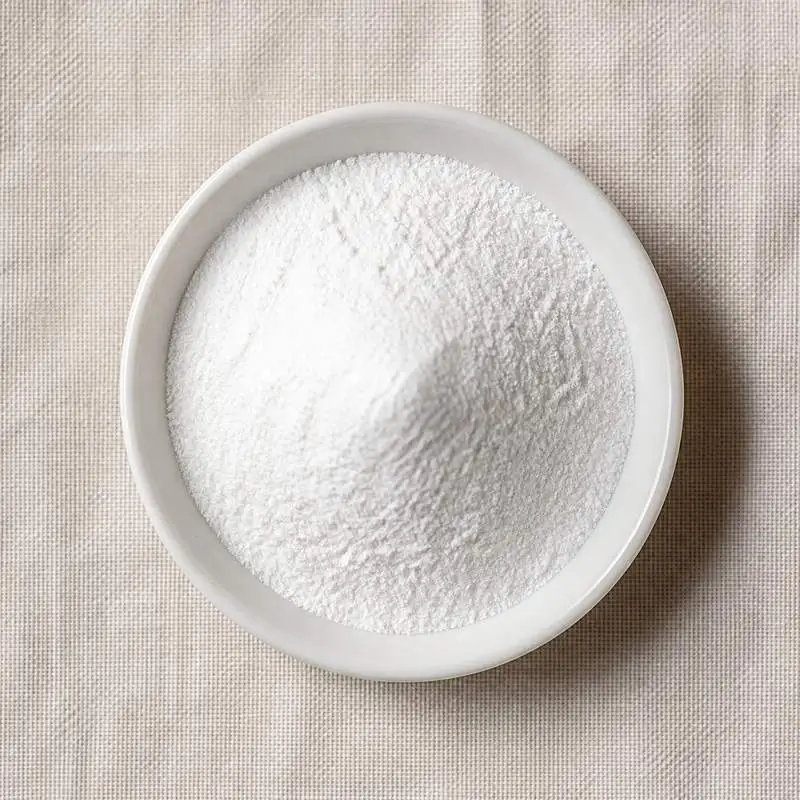
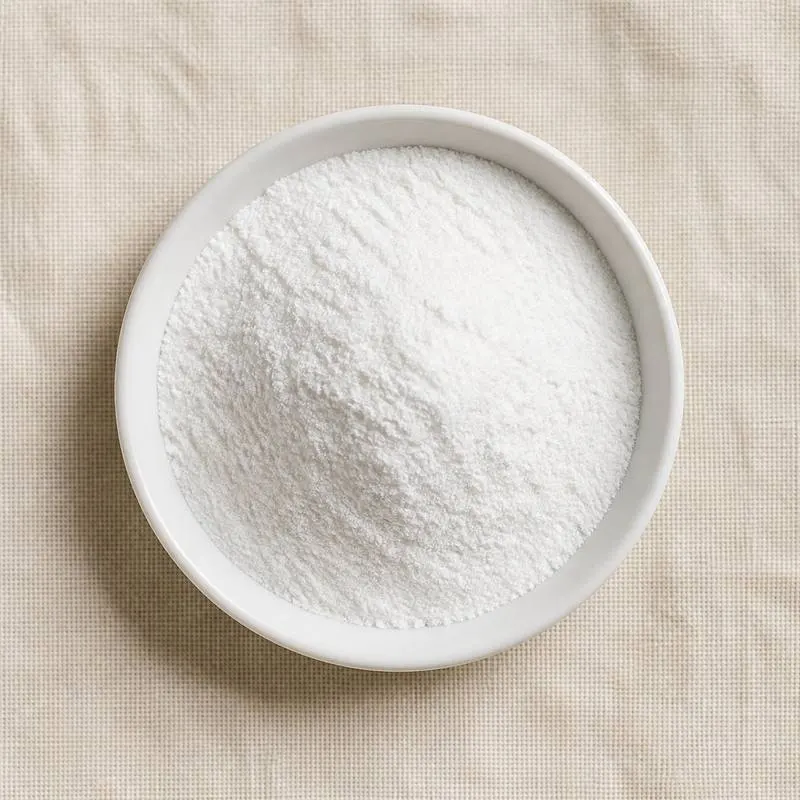
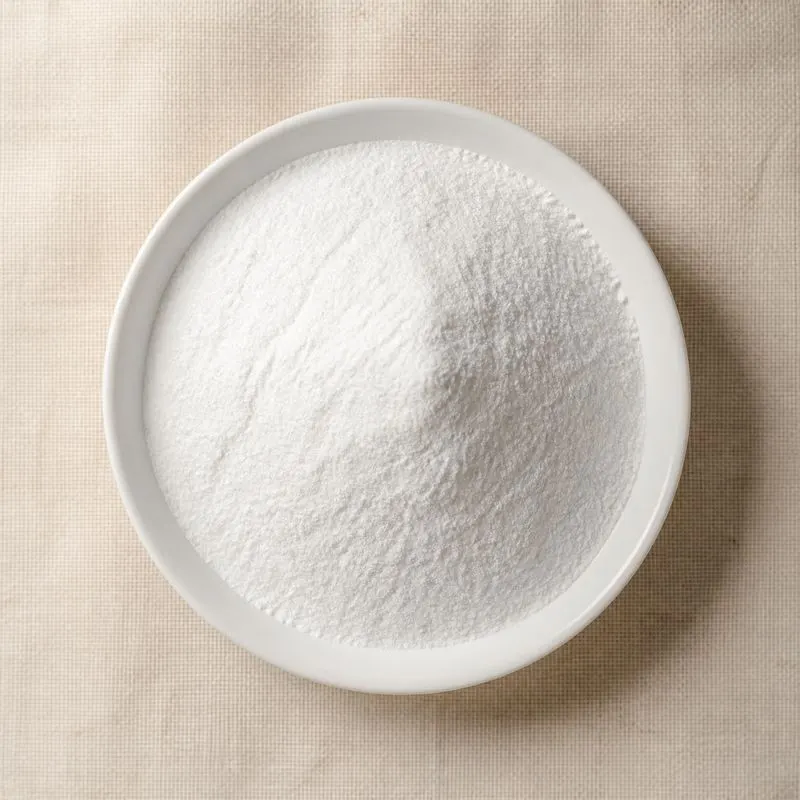
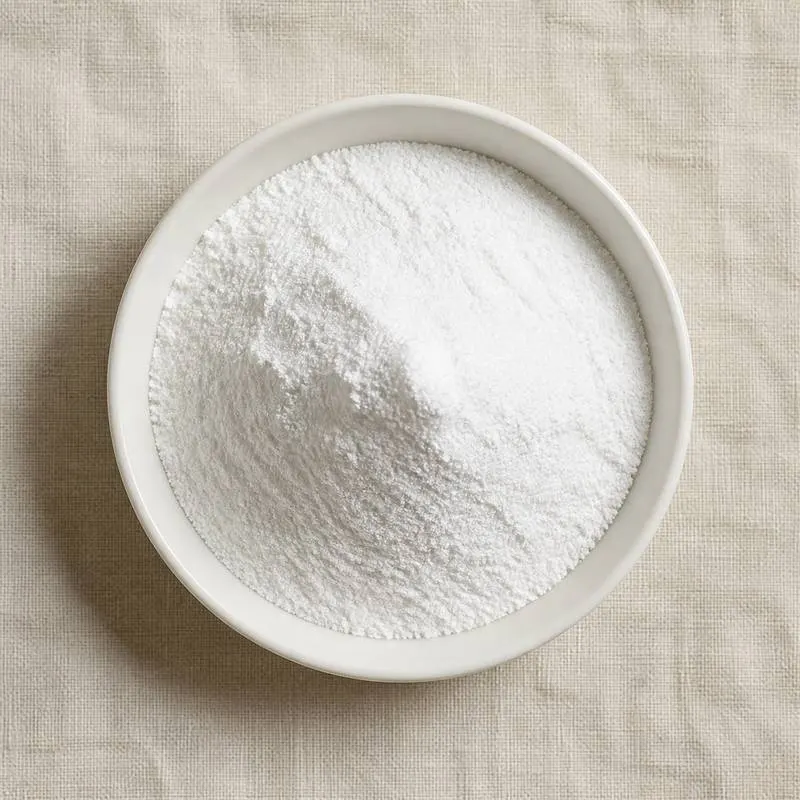
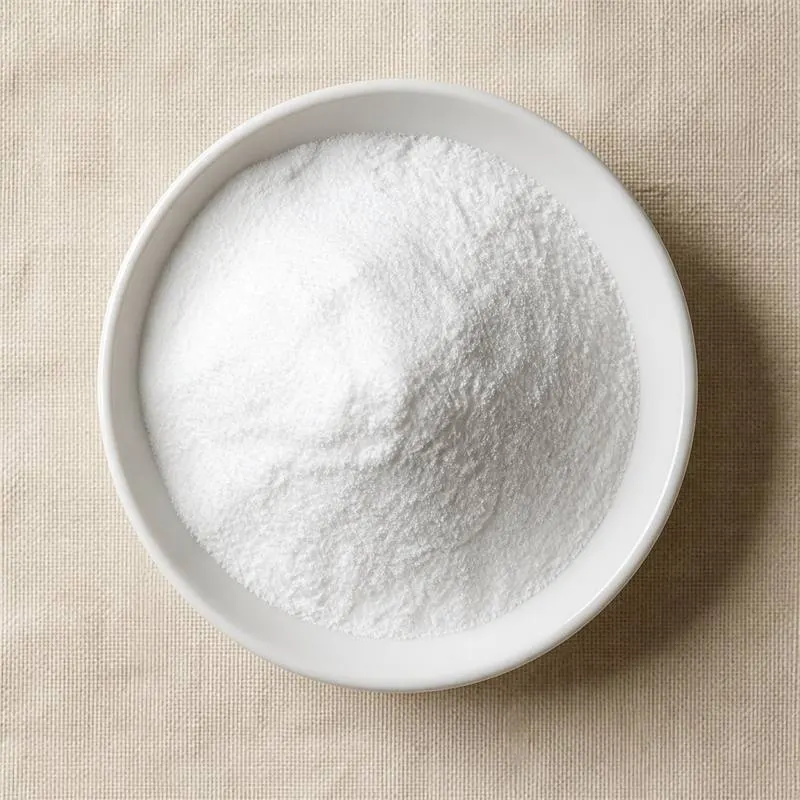
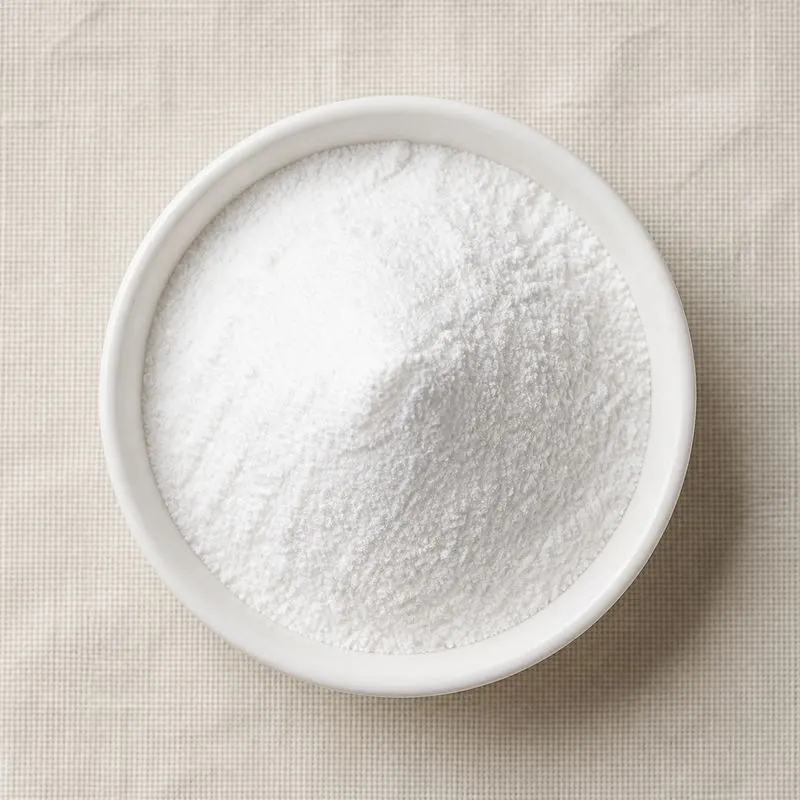
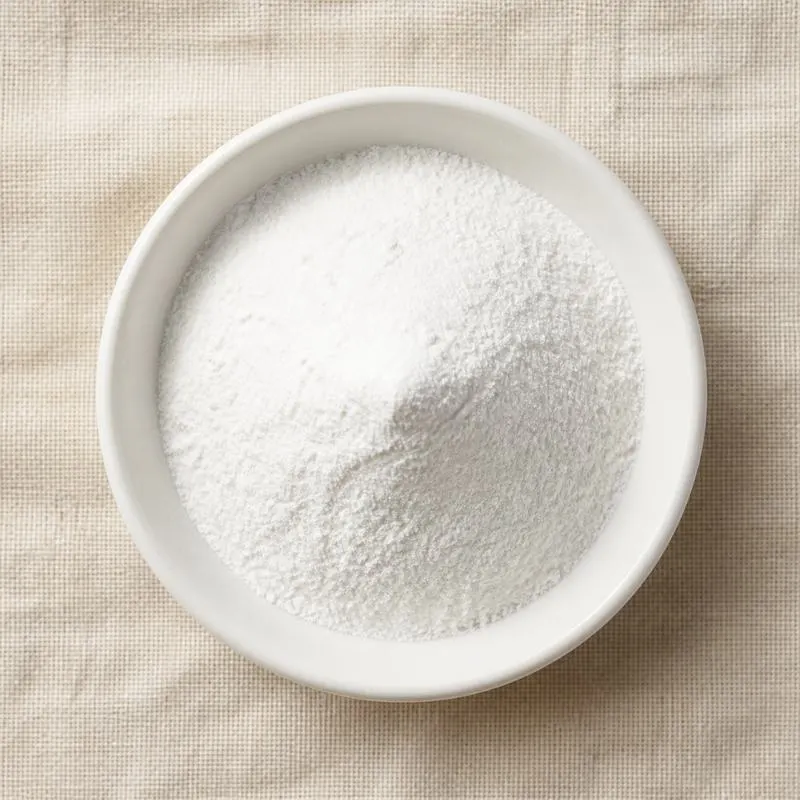
Unlike the twenty proteinogenic amino acids, taurine carries a sulphonic acid group rather than a carboxylic acid, which makes it a stronger acid and leaves it almost fully ionised at physiological pH. It is a white crystalline powder, freely soluble in water, and one of the most abundant free amino acids in mammalian tissue.
We source bulk Taurine from top China manufacturers for our partners, working with several of them. The manufacturers are mostly in Hubei, Hebei and Jiangsu. For this ingredient the minimum order is 500 kg and a 20-foot container takes 18 MT, and a smaller requirement can ship in a combined container with other ingredients.
Please send the grade you need, the volume and your destination port, and we will come back with a solution and a price.
or call +86-21-6858 0751
- Minimum order
- 500 kg
- Qty in 20' FCL
- 18 MT
- Packaging
- 25 kg kraft paper bag with PE inner liner
- ISO 9001
- HACCP
- Halal
- Kosher
Specifications
Grades / Types Available: Food Grade, Feed Grade
| Item | Specification |
|---|---|
| Appearance | White crystalline powder |
| Assay | ≥99.0% |
| Loss on Drying | ≤0.3% |
| Residue on Ignition | ≤0.1% |
| pH (5% solution) | 4.1–5.6 |
| Heavy Metals (as Pb) | ≤10 ppm |
| Arsenic | ≤1 ppm |
| Transmittance | ≥98.0% |
| Ammonium | ≤0.02% |
| Total Plate Count | ≤1000 CFU/g |
| Purity/Assay (Food Grade) | ≥ 99.5% |
| Moisture/Loss on Drying | ≤ 0.3% |
| Lead | ≤ 1 ppm |
| Yeast & Mold | ≤ 100 cfu/g |
Common Markets Grades
Taurine trades in three quality tiers.
Food and beverage grade at 99 percent or higher is the standard format for energy drinks, infant formula, and sports nutrition. It meets FCC and EP-style specifications for heavy metals, sulphate ash, and chloride content.
USP grade adds pharmacopoeial monograph compliance with tighter limits on related substances and is used in parenteral nutrition and infant formula in regulated markets.
Feed grade at 98 percent supports cat food, aquaculture diets, and pet supplements where taurine is a required nutrient.
The crystal comes in a standard granular form and as a fine-mesh powder for direct compression tableting.
Applications
- Energy drinks and pre-workout beverages at typical levels of 1000 to 2000 mg per serving
- Sports nutrition powders, recovery shakes, and intra-workout blends
- Infant formula, where taurine fortification is mandatory in most regulated markets
- Parenteral and enteral clinical nutrition for premature infants and critically ill patients
- Cat food and treats, since cats cannot synthesise taurine and require dietary supply
- Aquaculture feeds for carnivorous species such as salmon, sea bass, and yellowtail
- Dietary supplements positioned for cardiovascular, hepatic, or eye health
- Bile acid conjugation studies and pharmaceutical synthesis of taurocholic acid derivatives
- Topical cosmetic formulations as a humectant and cell-volume regulator
- Functional teas and ready-to-drink coffee in the focus and endurance categories
- Veterinary therapeutic diets for dilated cardiomyopathy management in dogs
Brands Using Taurine
Widely-distributed consumer products that list Taurine on the ingredient label.
- Red BullRed Bull Energy Drink ↗Red Bull's official ingredients list states the formula contains caffeine, taurine, B-group vitamins, sugars and water; taurine is described as an amino acid naturally occurring in the body.Label verified 2026-05-24
- Monster EnergyMonster Energy Original Green ↗Monster Energy's official ingredient information lists taurine (synthetic, not animal-derived) alongside caffeine, panax ginseng, L-carnitine L-tartrate and B-vitamins in the Original Green formula.Label verified 2026-05-24
- CelsiusCELSIUS Energy Drink ↗CELSIUS Essential Facts page lists Taurine as part of the MetaPlus blend alongside green tea, EGCG, caffeine, guarana seed extract and ginger root extract.Label verified 2026-05-24
- Rockstar EnergyRockstar Original ↗Rockstar Original product page lists Taurine within the energy blend along with caffeine, guarana, panax ginseng and B-vitamins.Label verified 2026-05-24
Brand names, product names and logos are the property of their owners. They appear here as published evidence that the ingredient is used, taken from the brand's own label or website. Their appearance is not an endorsement, and it does not mean the brand buys from us or from any manufacturer listed on this site.
China Manufacturers of Taurine
Top Taurine manufacturers in China.
- Hebei Huayang Biological Technology Co., Ltd.13 ingredients in the directory
 Hubei Grand Life Science & Technology Co., Ltd.6 ingredients in the directory
 Jiangyin Huachang Food Additive Co., Ltd.1 ingredient in the directory
 Qianjiang Yongan Pharmaceutical Co., Ltd.3 ingredients in the directory
 Zhejiang NHU Company Ltd.25 ingredients in the directory
Company names and logos are the property of the manufacturers themselves. They are listed here because our own directory records them as producing this ingredient. A listing is not an endorsement by them, and we do not represent them or speak on their behalf.
How We Help Source Taurine
Direct Factory Sourcing
We run the whole process: selecting the manufacturer from the top Chinese food ingredient producers, negotiating the price, verifying quality, and coordinating the logistics. You deal with us instead of with several factories at once.
Original Packaging and Documents from the Manufacturer
The manufacturer sends your Taurine out of its own factory in the original packing, through to your destination port. The COA, COO, MSDS, TDS and any certifications reach you from the manufacturer as well.
Free Samples and Lead Time
We send 100 to 500 g free for your own laboratory to test and you cover only the courier, usually within 2 to 3 working days. ETD is usually within 7 to 15 days once the order is confirmed, and we check that date against the factory's own manufacturing schedule before we give it to you.
Combined Shipment
We can load Taurine together with other ingredients such as Glycine, L-Arginine and L-Leucine into one 20' FCL. If your quantity is small, we can also ship LCL.
Regulatory Status
Taurine has broad regulatory acceptance for food, supplement, and feed use.
The European Food Safety Authority reviewed taurine in 2009 and concluded that current dietary exposure from energy drinks and supplements is safe at typical use levels. It is authorised as an ingredient in infant formula and follow-on formula.
The U.S. Food and Drug Administration treats taurine as a permitted food additive in infant formula and as a generally accepted ingredient in dietary supplements and conventional beverages.
Japan, South Korea, and most Southeast Asian markets accept taurine in functional beverages, often at 1000 mg per 100 mL or higher.
For animal nutrition, AAFCO recognises taurine as a required nutrient in cat food, and minimum levels are specified for both dry and canned diets. Pharmacopoeial monographs appear in the USP, EP, and JP.
Manufacturing Process
Almost all commercial taurine is produced by chemical synthesis from ethylene oxide.
The classical route, still dominant today, begins with reaction of ethylene oxide and sodium bisulfite to give sodium isethionate. Ammonolysis under pressure in the presence of ammonia replaces the hydroxyl group with an amine, yielding the sodium salt of taurine, which is then acidified, crystallised, recrystallised, and dried.
An alternative aziridine route reacts ethylenimine with sulfurous acid, but is operated at much smaller scale because of handling concerns around the aziridine intermediate.
Modern plants are located primarily in Jiangsu province in China and account for the bulk of global capacity. Extraction from natural sources such as ox bile or squid is no longer economic and is not a commercial supply route.