Green Onion Fritters
Green Onion Fritters is a savoury flavour built to reproduce the aroma of scallion fried in oil, the character of the Chinese cong you bing and of fried dough products finished with spring onion. Two systems combine in it. The allium fraction comes from Allium fistulosum and consists of dipropyl disulphide, methyl propyl disulphide, propanethial and related sulphur compounds, which develop when the tissue is cut and are then modified by heat. The fried fraction is a Maillard and lipid oxidation profile, carrying pyrazines, aldehydes such as 2,4 decadienal from oxidised frying oil, and furans, which together give the browned dough and hot oil character.
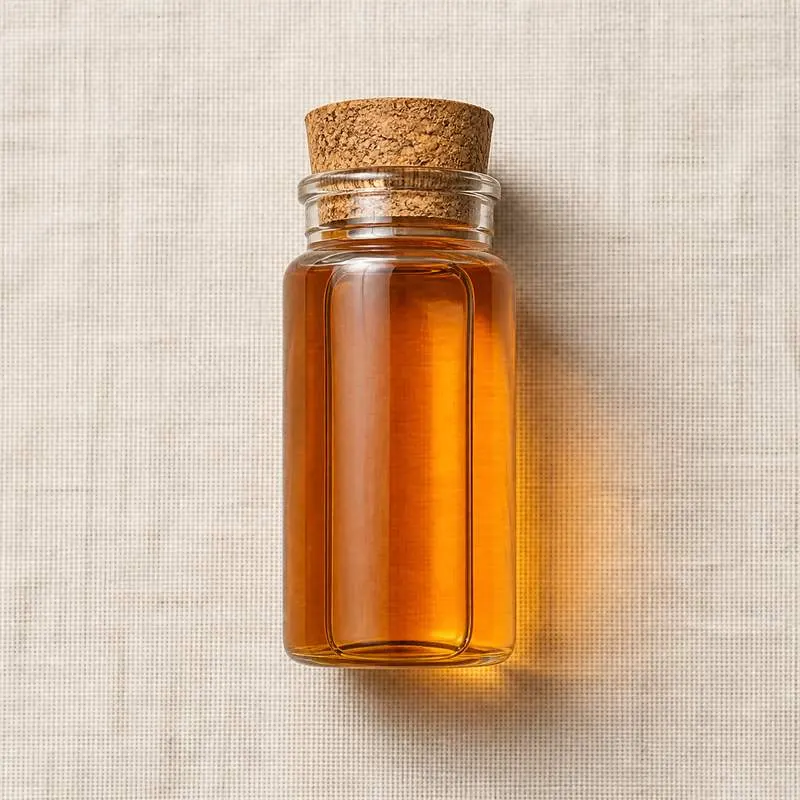
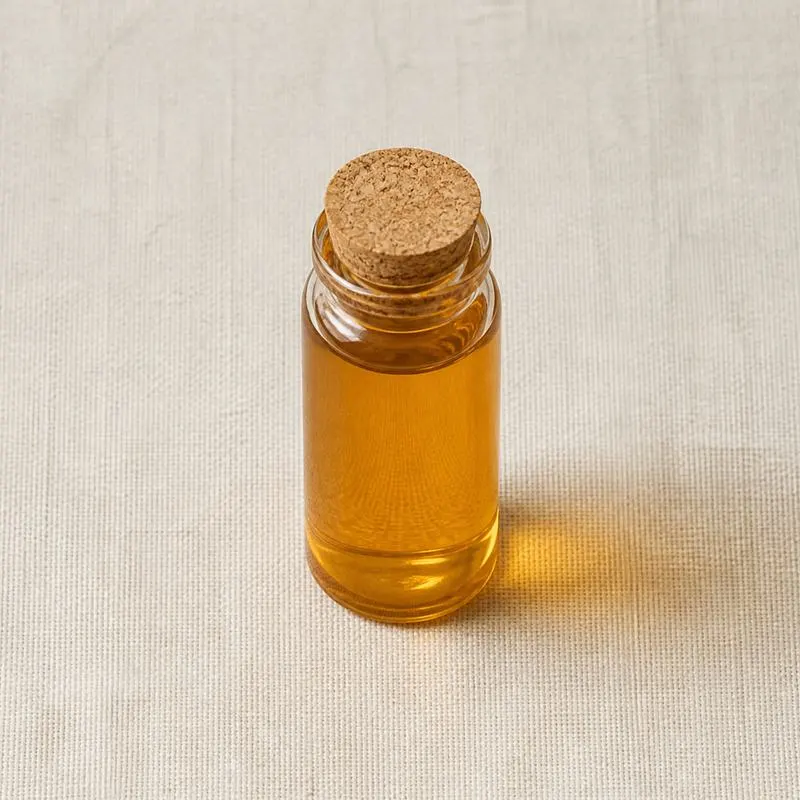
The main form is an oil soluble liquid in a refined vegetable oil or triacetin carrier, since both the sulphur compounds and the fried notes are lipophilic, and a spray dried powder on maltodextrin or salt carrier serves dry blending. The sulphur fraction is volatile and oxidises on exposure to air, light and metal, so material is filled under nitrogen into lined and light shielded containers and held cool. Typical dosage in a finished food is between 0.05 and 0.3 percent.
We source bulk Green Onion Fritters from top China manufacturers for our partners. The manufacturer is in Fujian. A smaller requirement can ship in a combined container with other ingredients.
Please send the grade you need, the volume and your destination port, and we will come back with a solution and a price.
or call +86-21-6858 0751
- Function
- Flavours and Aromas
Specifications
| Item | Specification |
|---|---|
| Appearance | Yellow to brown clear oily liquid, free of sediment |
| Odour | Characteristic fried scallion and hot oil, true to reference sample |
| Solubility | Soluble in edible oils and triacetin, insoluble in water |
| Relative Density at 25 degrees Celsius | 0.900 to 1.000 |
| Refractive Index at 20 degrees Celsius | 1.450 to 1.490 |
| Acid Value | Not more than 5.0 mg KOH per gram |
| Peroxide Value | Not more than 5.0 meq per kg |
| Gas Chromatography Profile | Conforms to reference chromatogram |
| Residual Solvent | Not more than 25 mg per kg |
| Lead | Not more than 1.0 mg per kg |
| Arsenic | Not more than 1.0 mg per kg |
| Total Plate Count | Not more than 1000 cfu per gram |
| Yeast and Mould | Not more than 50 cfu per gram |
| Salmonella | Absent in 25 g |
Common Markets Grades
The main grade distinction is between natural grades, in which the allium character comes from steam distilled scallion oil or an oleoresin and the fried character from a reaction base built on permitted food starting materials, and nature identical grades, which reach the same profile more cheaply using synthesised disulphides, pyrazines and aldehydes. Many commercial products combine both.
Physical form is the second axis, with oil soluble liquid grades used where the flavour goes into a frying or seasoning oil, water dispersible grades in propylene glycol used for batters and wet doughs, and spray dried or spray chilled powder grades used in dry premixes and where the flavour must survive a bake. Buyers also specify flavour strength as a recommended dosage band, whether the profile leans towards raw green onion or towards deep fried, and halal, kosher and non GMO certification.
Applications
- Scallion pancake and layered flatbread production, where it survives the griddle stage
- Fried dough sticks and savoury fritters, reinforcing the fried oil and onion note
- Instant noodle oil sachets, added after the oil has cooled to preserve the sulphur fraction
- Snack seasoning dusts for crackers, extruded corn snacks and broad bean snacks
- Savoury biscuits and crackers, where a powder grade is dry blended into the dough
- Seasoning oils sold to catering as a standardised alternative to infusing fresh scallion
- Frozen bun and dumpling fillings with a scallion claim
- Soup and congee powders, contributing the fried allium top note on reconstitution
- Coating and batter systems for fried poultry and vegetables
- Plant based savoury products, where the fried allium profile masks legume protein off notes
China Manufacturers of Green Onion Fritters
Top Green Onion Fritters manufacturers in China.
Company names and logos are the property of the manufacturers themselves. They are listed here because our own directory records them as producing this ingredient. A listing is not an endorsement by them, and we do not represent them or speak on their behalf.
Regulatory Status
In the United States onion and scallion are spices recognised as generally recognised as safe under 21 CFR 182.10, and their essential oils, oleoresins and natural extractives appear at 21 CFR 182.20. The reaction fraction is handled as a flavour under 21 CFR 101.22, and process flavours built from hydrolysed protein, sugars and amino acids qualify where each starting material is itself an approved food ingredient. The FEMA GRAS programme and 21 CFR 172.515 clear the nature identical sulphur compounds, pyrazines and aldehydes used in compounded grades.
In the European Union the material falls under Regulation (EC) No 1334/2008. Scallion oil and oleoresin are flavouring preparations obtained from a food by a physical process, and thermal process flavourings must meet the starting material, reaction condition and by product requirements set in that regulation. Synthesised substances must appear in the Union list of authorised flavouring substances with an FL number. Codex has adopted general guidelines for the use of flavourings, and JECFA has evaluated the aliphatic sulphides, the pyrazines and the aliphatic aldehydes as flavouring groups. Soy and wheat derived hydrolysed protein triggers allergen declaration in both jurisdictions.
Manufacturing Process
The allium base is produced from fresh scallion that is washed, trimmed and crushed, then held briefly so that the plant's own enzymes generate the volatile sulphur compounds from their precursors. The macerated material is steam distilled, and the condensate separates into an aqueous phase and an oil phase from which the essential oil is drawn, dried and filtered. An alternative route percolates ethanol or a food grade solvent through dried scallion and strips the solvent under vacuum to leave an oleoresin.
The fried character is built separately in a jacketed reactor, where hydrolysed vegetable protein, reducing sugars, cysteine and a refined frying oil are held at controlled temperature and time to generate the Maillard and lipid oxidation fractions. The two streams are then blended with carrier oil and any nature identical top note materials to a flavourist formula, mixed until uniform, held so the blend comes together, filtered and filled under nitrogen. Powder grades take the same blend through emulsification with a carbohydrate carrier and spray drying, or through spray chilling into a fat matrix where encapsulation is wanted, followed by sieving and packing.