Gymnemic Acid
Gymnemic acid is the collective name for a group of oleanane-type triterpene saponins found in the leaves of Gymnema sylvestre, a climbing plant of India and parts of Southeast Asia. The group runs to more than a dozen closely related structures, gymnemic acids I to IV being the best characterised, all built on the aglycone gymnemagenin and differing in their sugar and acyl substitution. Because they are so similar and so hard to separate, the commercial assay is nearly always a total saponin figure rather than a measurement of any single compound.
The property the ingredient is known for is taste modification. Applied to the tongue, gymnemic acids temporarily suppress the perception of sweetness, both from sugar and from high intensity sweeteners, without much affecting sour, salty or bitter perception. The effect lasts on the order of fifteen minutes to an hour and is reversible.
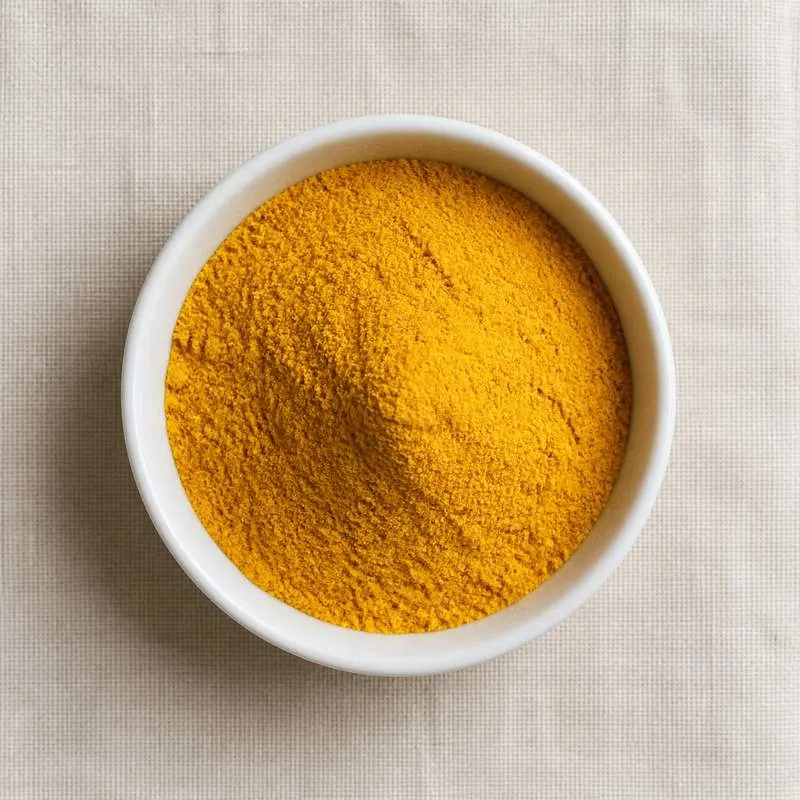
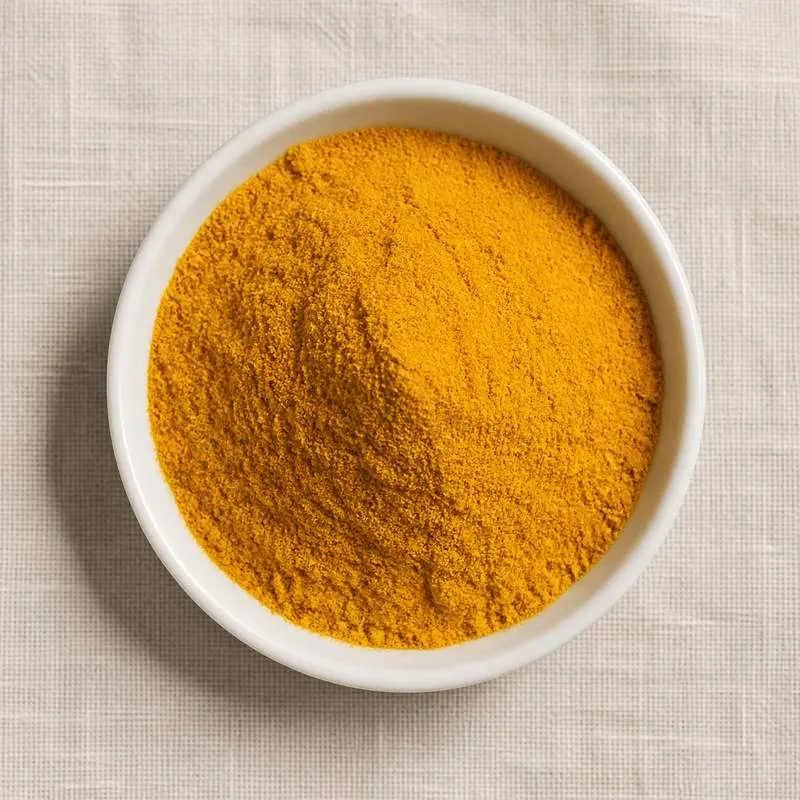
The commercial material is a fine yellow-brown to brown powder with a bitter, faintly astringent taste and a characteristic leafy odour. Being saponins, gymnemic acids are surface active, so solutions foam readily and the powder disperses in water to a hazy solution rather than a clear one. It dissolves better in dilute alkali and in aqueous ethanol, and it is stable dry but hydrolyses slowly under prolonged acid heating.
We source bulk Gymnemic Acid from top China manufacturers for our partners. The manufacturer is in Shaanxi. A smaller requirement can ship in a combined container with other ingredients.
Please send the grade you need, the volume and your destination port, and we will come back with a solution and a price.
or call +86-21-6858 0751
- Function
- Plant extract
Specifications
| Item | Specification |
|---|---|
| Appearance | Fine yellow-brown to brown powder |
| Odour and Taste | Characteristic leafy odour, bitter and astringent |
| Identification | Conforms by TLC against gymnemic acid reference |
| Total Gymnemic Acids | Not less than 75.0% by gravimetric method |
| Gymnemagenin | Not less than 2.0% by HPLC |
| Loss on Drying | Not more than 5.0% |
| Total Ash | Not more than 5.0% |
| pH of 1% Solution | 4.5-7.0 |
| Particle Size | 100% through 80 mesh |
| Residual Ethanol | Not more than 0.5% |
| Heavy Metals | Not more than 10 mg/kg |
| Lead | Not more than 2.0 mg/kg |
| Arsenic | Not more than 1.0 mg/kg |
| Total Plate Count | Not more than 10,000 cfu/g |
| Yeast and Mould | Not more than 100 cfu/g |
| E. coli | Absent in 1 g |
| Salmonella | Absent in 25 g |
Common Markets Grades
Grades are named by total gymnemic acid content, and the ladder runs 25, 50 and 75 percent, with the 25 percent grade the volume product for capsules and the 75 percent grade used where dose size or a taste-modifying effect matters. The assay behind these numbers is usually a gravimetric or titrimetric total saponin method, not HPLC, and different suppliers use different methods, so figures from two sources are not directly comparable. A separate line is standardised on gymnemagenin by HPLC, typically at 2 to 25 percent, which is a more specific measurement and gives a lower number for the same material.
Below the standardised extracts sit ratio extracts, commonly 4:1 or 10:1, and plain milled leaf powder, which carries only a few percent saponin. Physical options are 80 mesh standard powder, fine grades for tablet blending, granulated instant grades, and water soluble grades in which the extract is carried on maltodextrin. Organic certified lots are available from cultivated leaf. Buyers should always confirm the assay method on the certificate before comparing prices between grades.
Applications
- Blood sugar and metabolic support supplements in capsule and tablet form, where it is the principal declared botanical
- Sugar craving and appetite formulas, drawing on the temporary suppression of sweet taste perception
- Chewable tablets, lozenges and mints designed to blunt sweet perception before a meal, which requires direct contact with the tongue to work
- Chewing gum, where the extract is released slowly and the taste-modifying effect is the point of the product
- Herbal tea blends and instant granules, used in the traditional Ayurvedic format the plant comes from
- Combination diabetic-support formulas with bitter melon, fenugreek, cinnamon and chromium
- Sensory science and taste research, used as a reference taste modifier for studying sweet receptor response
- Oral care products including toothpaste and rinses, contributing to the taste profile and to plaque positioning
- Pet and livestock supplements marketed for metabolic support
Brands Using Gymnemic Acid
Widely-distributed consumer products that list Gymnemic Acid on the ingredient label.
- Oregon's Wild HarvestGymnema Capsules ↗The ingredient list gives gymnema leaf extract standardised to 75 percent gymnemic acids alongside whole organic gymnema leaf.Label verified 2026-08-31
- HimalayaExtra Strength Organic Gymnema ↗Each extra strength caplet contains 1,085 mg of organic gymnema including 115 mg of gymnemic acids from leaf extract and stem powder.Label verified 2026-08-31
Brand names, product names and logos are the property of their owners. They appear here as published evidence that the ingredient is used, taken from the brand's own label or website. Their appearance is not an endorsement, and it does not mean the brand buys from us or from any manufacturer listed on this site.
China Manufacturers of Gymnemic Acid
Top Gymnemic Acid manufacturers in China.
Company names and logos are the property of the manufacturers themselves. They are listed here because our own directory records them as producing this ingredient. A listing is not an endorsement by them, and we do not represent them or speak on their behalf.
Regulatory Status
In the United States Gymnema sylvestre leaf and its extracts are dietary ingredients under DSHEA, with a marketing history predating 1994, and are sold in supplements with structure and function claims carrying the required disclaimer. Gymnema is not an approved food additive for general use in conventional foods, so a use in an ordinary food or beverage would rest on a GRAS conclusion covering that specific preparation and use level. The FDA has warned repeatedly about blood sugar products adulterated with undeclared pharmaceutical actives, so identity and adulterant testing on incoming lots is normal practice in this category.
In the European Union gymnema extract is a food ingredient rather than a food additive and carries no E number. Its supplement status is decided nationally, since member states operate their own botanical lists and some restrict or monitor plants used for glycaemic positioning, so market access varies from one state to another. Highly concentrated saponin fractions may be assessed under the Novel Food Regulation. No health claim for gymnema appears on the EU authorised list, so blood sugar and appetite claims cannot be made there. Codex has no commodity standard for the extract, and specifications are set by contract.
Manufacturing Process
Leaves are harvested from cultivated or wild-collected Gymnema sylvestre, shade dried or hot air dried to a low moisture level, cleaned of stem and foreign matter, and milled. The milled leaf is extracted with water or with aqueous ethanol, often at slightly alkaline pH, because gymnemic acids are acidic saponins and their solubility rises sharply when they are converted to their salt form. Extraction is by countercurrent percolation or multi-pass batch maceration at 60 to 80 degrees Celsius, and the miscella is drawn off and separated from the spent leaf on a filter press.
The crude extract carries chlorophyll, waxes, tannins and sugars alongside the saponins, so it is clarified and usually acidified, which precipitates the crude saponin fraction and allows much of the sugar and salt load to be washed away. For the higher assay grades the redissolved fraction is loaded onto a macroporous adsorption resin, water washed and eluted with ethanol, which lifts the total saponin figure to the 50 or 75 percent range. Solvent is recovered under vacuum, the liquor is concentrated in a vacuum evaporator, blended with a carrier where the declared assay requires it, and spray dried or vacuum belt dried. The powder is milled, sieved, assayed and packed under a moisture barrier liner.