Hepatic Protein Active Peptide Freeze Dried
Hepatic protein active peptide freeze dried is a lyophilised powder of short peptides prepared by enzymatic hydrolysis of animal liver protein, most often porcine or bovine liver, and dried under vacuum from the frozen state rather than by spray drying.
Liver tissue is an unusually protein dense raw material, and its soluble proteins hydrolyse readily into fragments of a few hundred to a few thousand Daltons. Freeze drying is chosen over hot air or spray drying because the product is sold on the retained activity of heat sensitive components carried through with the peptides, including residual enzymes, nucleotides and bound trace minerals, which a hot drying gas would partly destroy. The trade name active peptide refers to that intent rather than to any single defined molecule.
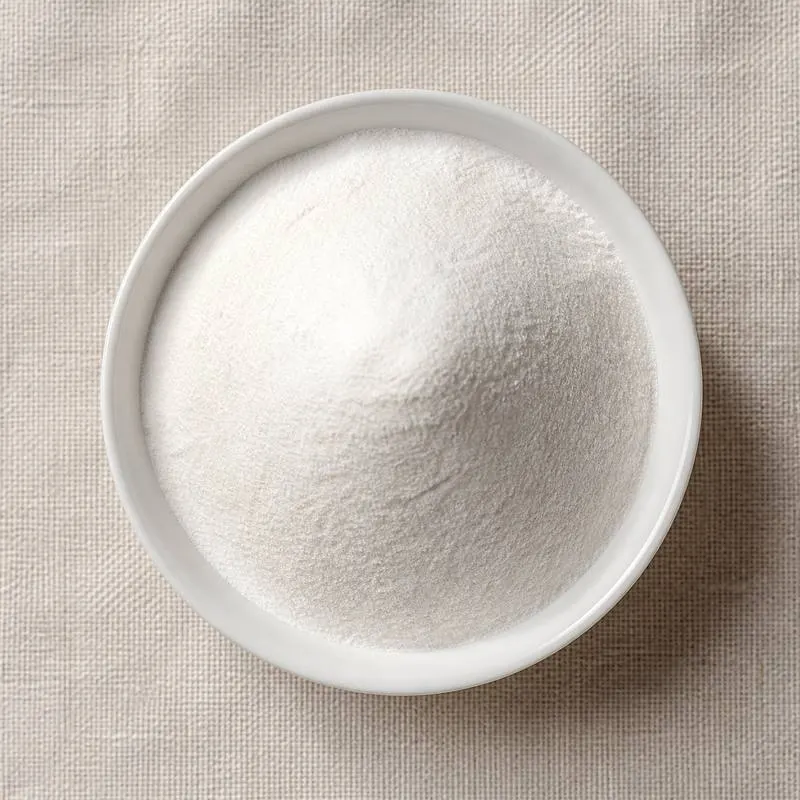
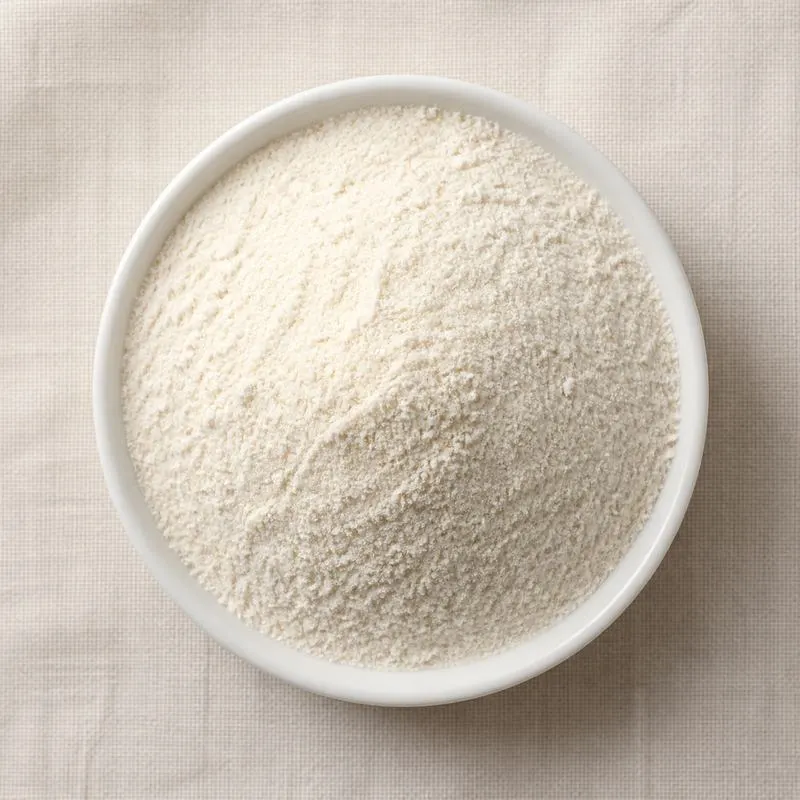
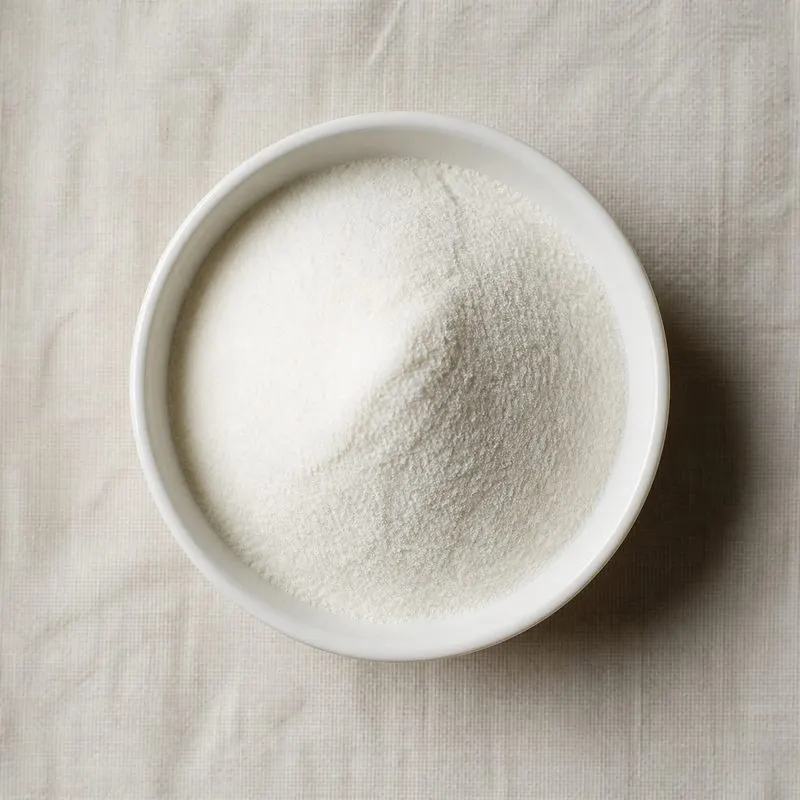
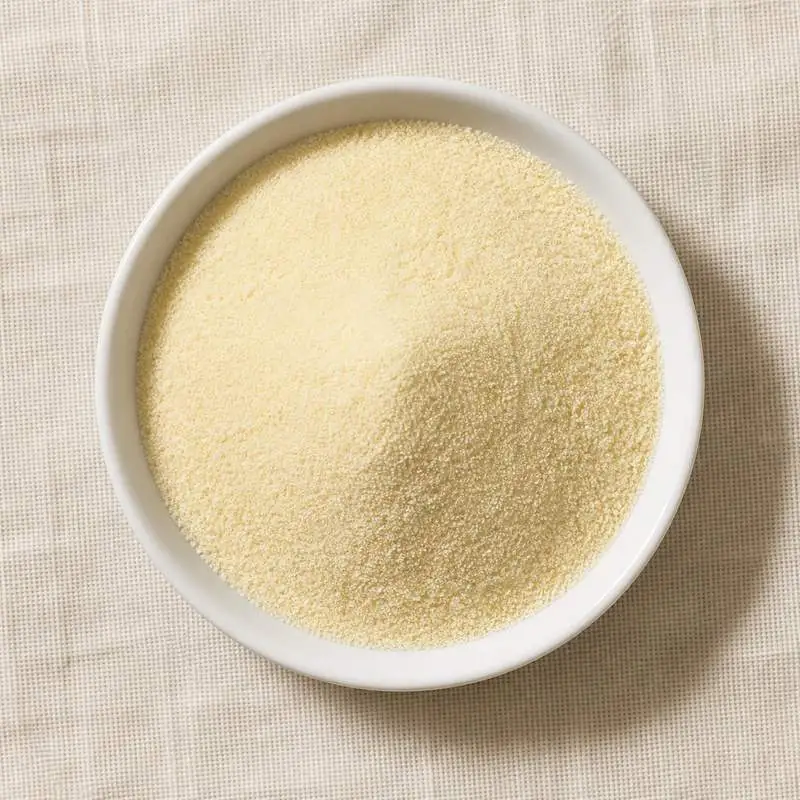
The powder is light yellow to brown, porous and low in bulk density, with a characteristic meaty and slightly liverish odour. It dissolves quickly and completely in water because freeze drying leaves an open cake structure, and it is markedly hygroscopic, so it is packed under nitrogen in moisture barrier foil and handled in a conditioned room.
We source bulk Hepatic Protein Active Peptide Freeze Dried from top China manufacturers for our partners. The manufacturer is in Hainan. A smaller requirement can ship in a combined container with other ingredients.
Please send the grade you need, the volume and your destination port, and we will come back with a solution and a price.
or call +86-21-6858 0751
- Function
- Protein
Specifications
| Item | Specification |
|---|---|
| Appearance | Light yellow to brown porous freeze dried powder |
| Odour | Characteristic of liver, free from putrid or foreign odour |
| Protein (N x 6.25, dry basis) | Minimum 75.0% |
| Peptide Content (dry basis) | Minimum 50.0% |
| Molecular Weight below 3000 Da | Minimum 85.0% |
| Loss on Drying | Maximum 5.0% |
| Ash | Maximum 8.0% |
| Fat | Maximum 2.0% |
| pH (1% solution) | 5.5 to 7.5 |
| Lead | Maximum 0.5 mg/kg |
| Arsenic | Maximum 0.5 mg/kg |
| Total Plate Count | Maximum 10,000 cfu/g |
| Yeast and Mould | Maximum 50 cfu/g |
| Escherichia coli and Salmonella | Absent in 25 g |
Common Markets Grades
The material is differentiated first by species and tissue traceability, with porcine liver the main feedstock and bovine liver used where a non porcine source is required, and second by molecular weight distribution, with general grades holding most peptide mass below 3000 Daltons and oligopeptide grades taken below 1000 Daltons. Protein content on a dry basis normally starts at 70 percent for a general grade and rises above 80 percent where the hydrolysate has been ultrafiltered before drying.
Freeze dried presentation is itself the grade distinction from the spray dried version of the same hydrolysate, and the two are not interchangeable in price or in specification. Beyond that, suppliers offer decolourised and deodorised lots for oral liquid and capsule use, and unrefined lots retaining full colour and odour where the material goes into cosmetics or feed. Because the feedstock is an animal by-product, veterinary residue screening and species identity testing are ordinarily part of the grade documentation.
Applications
- Capsule and tablet supplements in the East Asian tonic market, positioned on liver support and general vitality
- Oral liquid shots and concentrated tonic drinks, where instant and complete dissolution of the freeze dried powder matters
- Instant powders for reconstitution, blended with plant extracts in traditional style health formulations
- Clinical and convalescent nutrition formats needing a readily absorbed animal peptide source
- Skincare essences and ampoules, where small animal peptides are used for film forming and moisturising claims
- Microbiological culture media, where liver hydrolysate serves as a nitrogen and growth factor source
- Companion animal supplements, particularly senior formulations where palatability decides the formulation
- Aquaculture and weaning feed attractants, where liver peptides stimulate feed intake in early stage animals
- Savoury flavour bases, used as a reaction flavour precursor for meat notes
China Manufacturers of Hepatic Protein Active Peptide Freeze Dried
Top Hepatic Protein Active Peptide Freeze Dried manufacturers in China.

Company names and logos are the property of the manufacturers themselves. They are listed here because our own directory records them as producing this ingredient. A listing is not an endorsement by them, and we do not represent them or speak on their behalf.
Regulatory Status
In the United States liver hydrolysates have a long history of use in dietary supplements and are handled as dietary ingredients under the Dietary Supplement Health and Education Act rather than as food additives, with the manufacturer responsible for the safety basis and for compliance with the dietary supplement good manufacturing practice rules. Imported material of bovine origin is subject to the controls on ruminant tissue put in place against transmissible spongiform encephalopathy, and porcine and bovine liver imports are also screened for veterinary drug residues. No food additive regulation or generally recognised as safe listing covers the ingredient by name.
In the European Union a peptide preparation from mammalian liver has no established history of significant food consumption in its own right and would normally require novel food authorisation before being placed on the market as a food or food supplement ingredient. Production also falls under the animal by-products framework, which restricts which categories of material may enter the food chain and requires approved establishments, and under the transmissible spongiform encephalopathy rules for bovine derived material. There is no E number, since the substance is not an additive, and neither Codex nor JECFA has established a specification for it.
Manufacturing Process
Chilled or frozen liver is trimmed of connective tissue and vessels, washed to remove residual blood, and minced into a slurry with water. The slurry is heated briefly to inactivate native tissue enzymes and to reduce the microbial load, then cooled and adjusted to the pH and temperature window suited to the protease system used. Hydrolysis is normally run with a bacterial endoprotease to open the chains, followed by a papain or flavourzyme type preparation to trim terminal residues and cut bitterness, with the reaction tracked to a target degree of hydrolysis.
The digest is heat inactivated, then centrifuged to remove undigested tissue and the bulk of the lipid, which separates as a fat layer. The clarified liquor is passed through ultrafiltration on a membrane of a few kiloDaltons to hold back residual whole protein, and optionally through activated carbon for colour and odour reduction, at some cost in the components the process is meant to preserve. The permeate is concentrated at low temperature, filled into trays, frozen, and dried in a vacuum freeze drier where the ice sublimes directly to vapour. The dried cake is milled, sieved, and packed immediately under nitrogen.