Papain
Papain is a cysteine protease obtained from the latex of the unripe fruit of the papaya tree, Carica papaya, and is one of the oldest plant enzymes traded for food processing. It hydrolyses internal peptide bonds with broad specificity, favouring bonds adjacent to bulky hydrophobic and basic amino acid residues, so it degrades meat, soy, casein and gelatin proteins that narrower proteases leave largely intact.
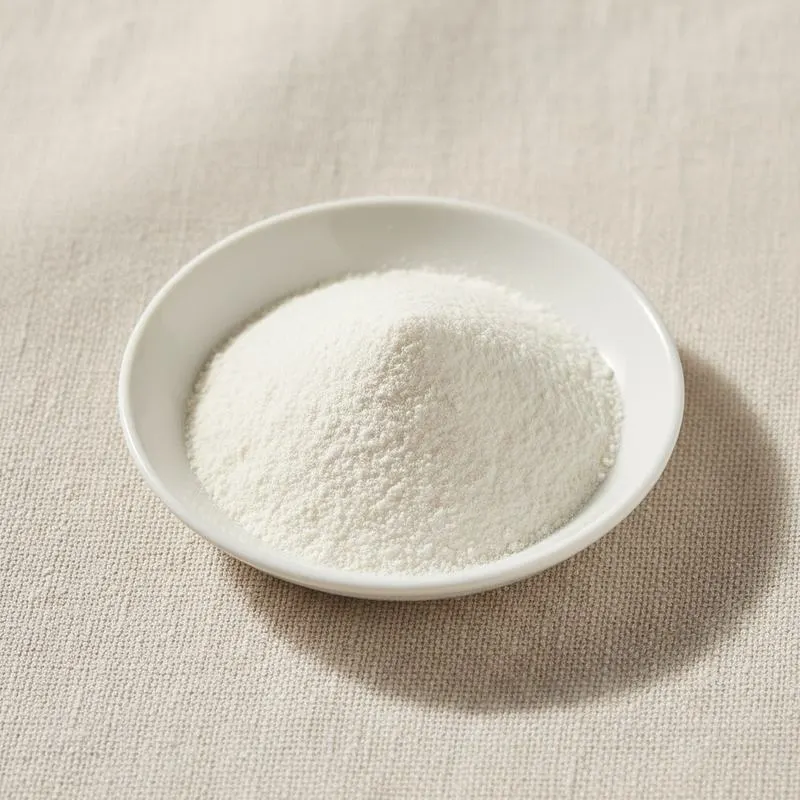
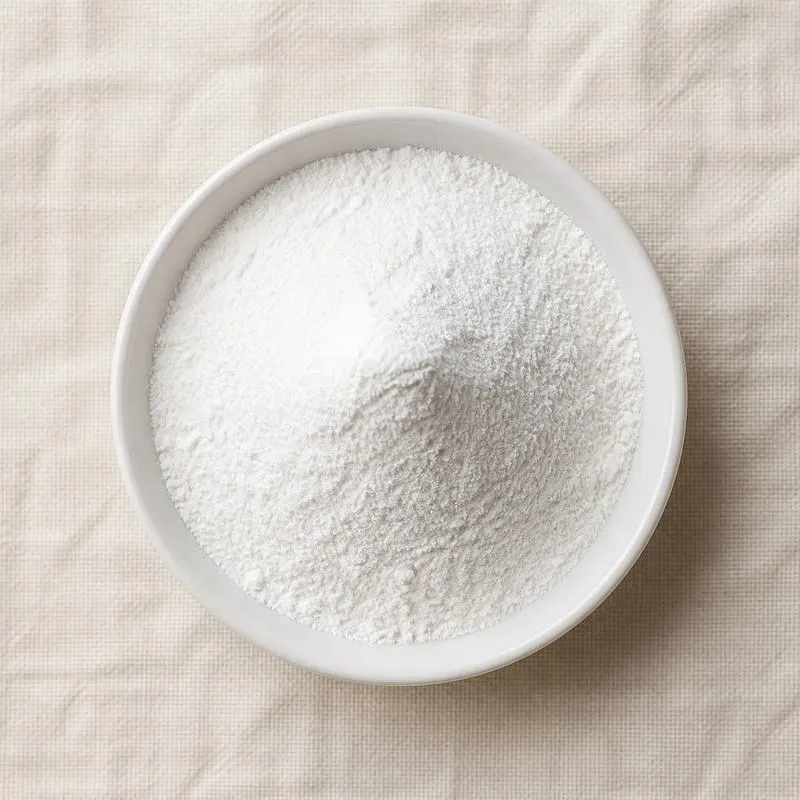
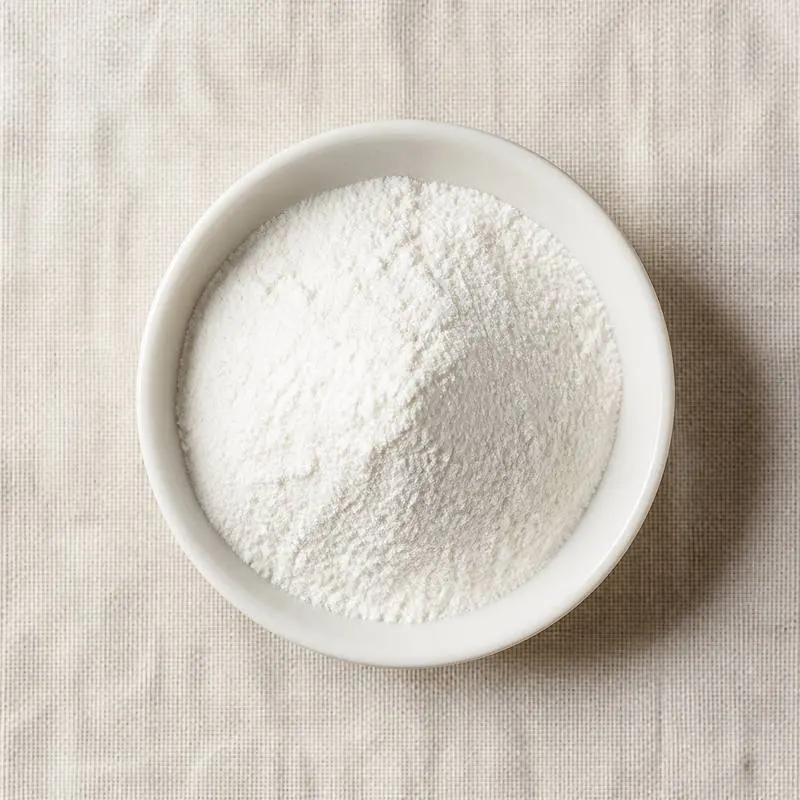
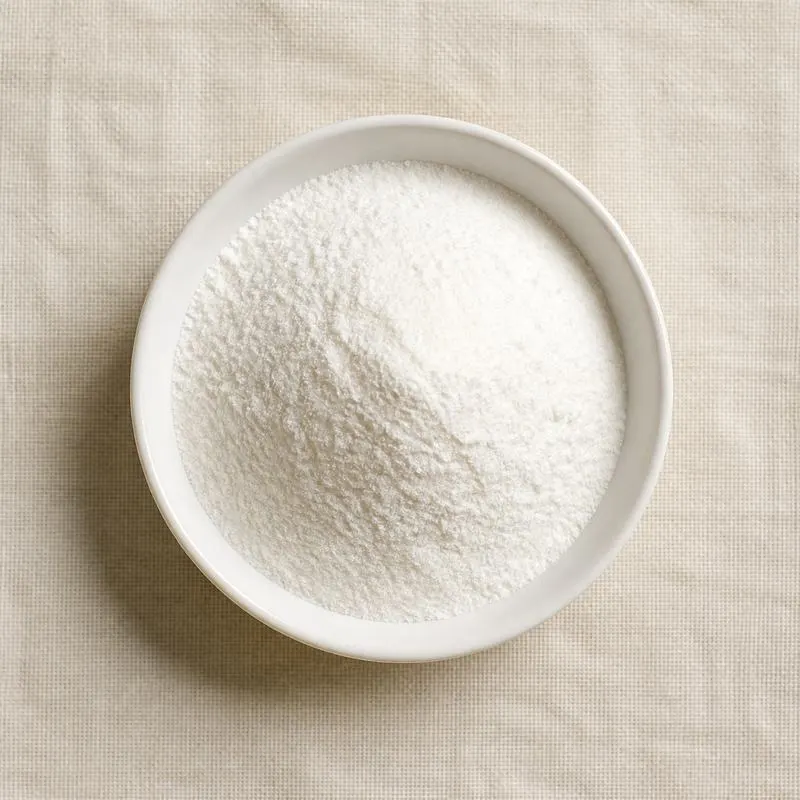
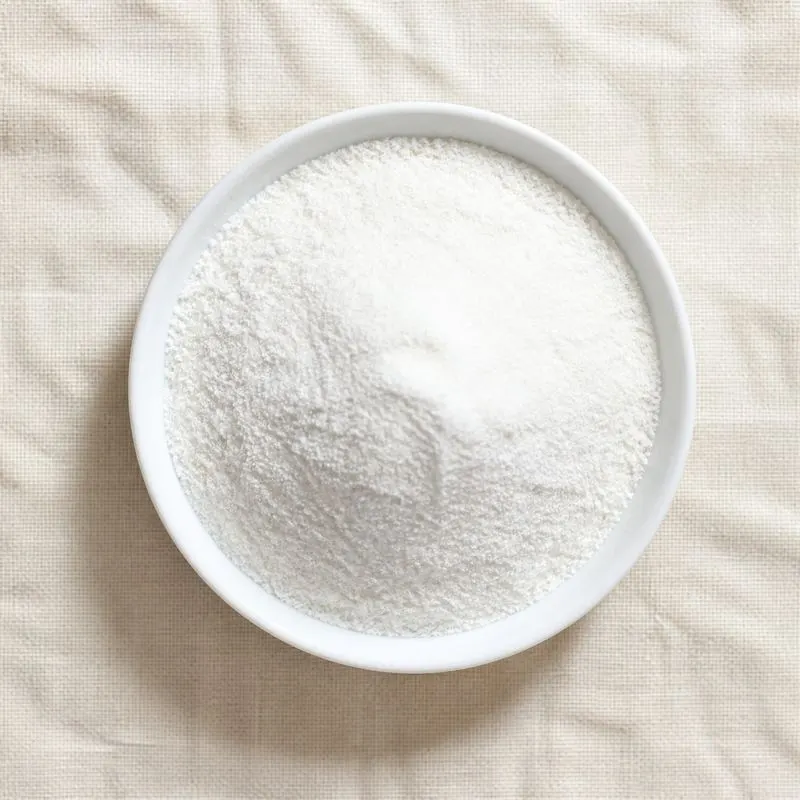
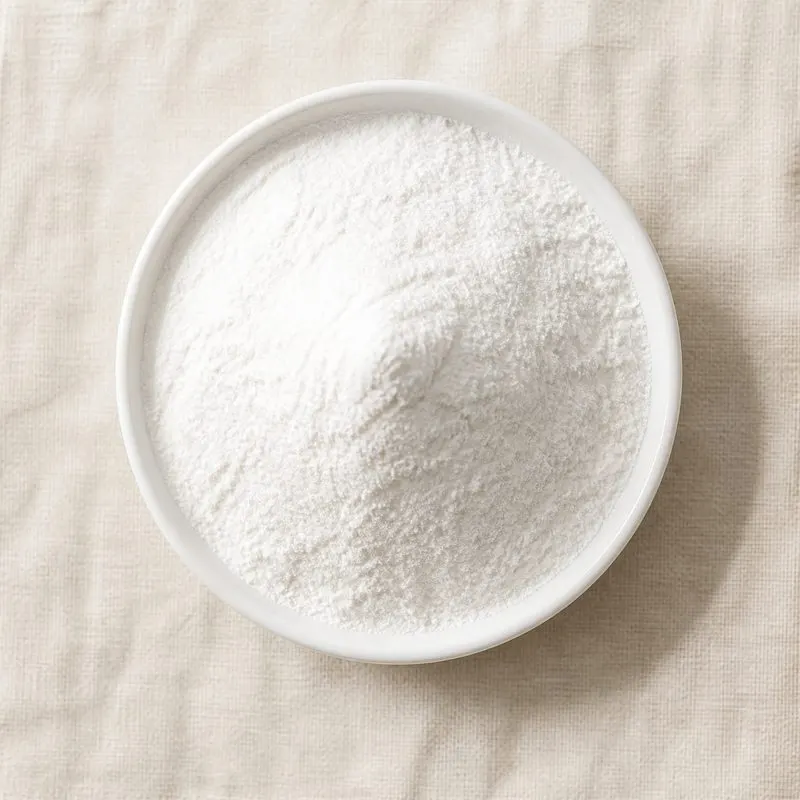
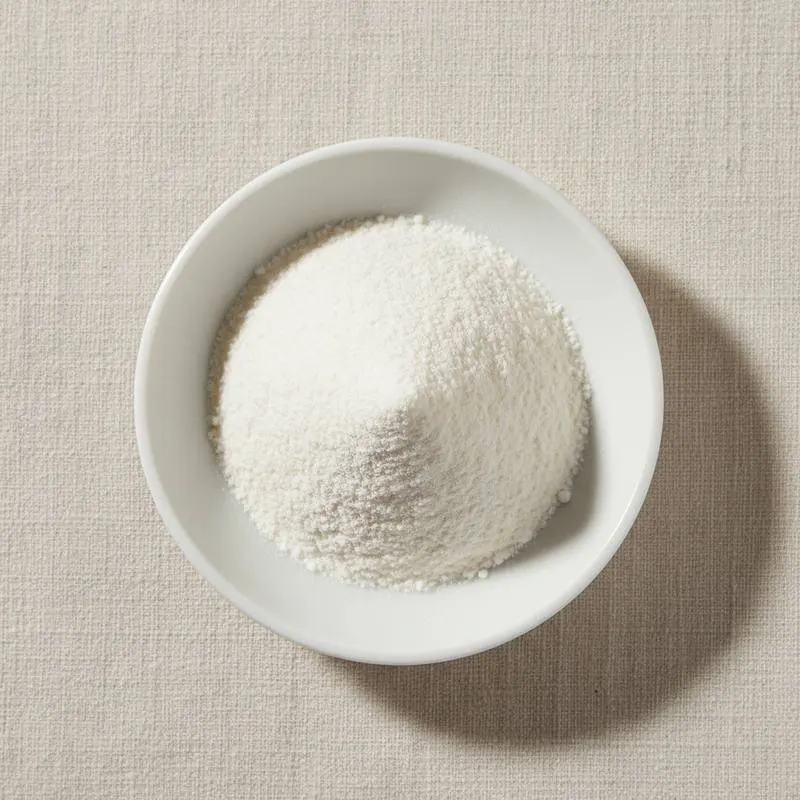
Commercial papain is an off-white to light tan free-flowing powder, blended with a carrier such as maltodextrin, lactose or sodium chloride and sold against a declared activity rather than a fixed protein content. Glycerol-stabilised liquid concentrates are also traded for continuous dosing into brine and brewing systems.
The enzyme disperses in water to give a slightly hazy solution and is insoluble in ethanol and other organic solvents. It works between about pH 5 and pH 8 with an optimum near neutrality, and retains activity to roughly 65 to 70 degrees Celsius, a wider thermal window than most microbial proteases. The active site thiol oxidises on exposure to air and to oxidising agents, so preparations are usually formulated with cysteine or a bisulphite salt, and the enzyme is inactivated by holding above 80 degrees Celsius.
We source bulk Papain from top China manufacturers for our partners. The manufacturers are in Guangxi. A smaller requirement can ship in a combined container with other ingredients.
Please send the grade you need, the volume and your destination port, and we will come back with a solution and a price.
or call +86-21-6858 0751
Specifications
| Item | Specification |
|---|---|
| Appearance | Off-white to light tan free-flowing powder |
| Activity | 100,000 USP units/mg minimum, standardised as declared |
| Identification | Positive proteolytic activity on casein substrate |
| Loss on Drying | ≤ 8.0% |
| Residue on Ignition | ≤ 5.0% |
| pH (1% solution) | 5.0 to 7.0 |
| Particle Size | ≥ 95% through 80 mesh |
| Heavy Metals (as Pb) | ≤ 30 mg/kg |
| Lead | ≤ 5 mg/kg |
| Arsenic | ≤ 3 mg/kg |
| Total Plate Count | ≤ 50,000 cfu/g |
| Yeast and Mould | ≤ 100 cfu/g |
| E. coli | Absent in 25 g |
| Salmonella | Absent in 25 g |
Common Markets Grades
Papain is traded first by activity. Crude dried latex sits at the low end, refined food grade powders are standardised to fixed tyrosine units or USP units per milligram, and concentrated grades reach several hundred thousand units per gram before dilution. Because standardisation is done with a carrier, two powders of the same declared activity can differ in bulk density and dissolution rate, so buyers specify the diluent as well as the unit count.
Physical forms cover spray dried powder, typically passing an 80 mesh screen, granulated grades that dust less in meat brine plants, and liquid concentrates held at low temperature. Pharmaceutical and nutraceutical grades carry tighter microbiological and heavy metal limits than the food grade material, and a separate technical grade with no microbiological specification is sold into leather and textile processing.
Applications
- Meat tenderising, where the enzyme is injected in brine or applied as a surface dip to hydrolyse collagen and myofibrillar protein in tougher cuts
- Beer chill-proofing, hydrolysing the haze-forming proline-rich polypeptides that combine with polyphenols during cold storage
- Protein hydrolysate manufacture from soy, casein, whey and fish substrate for flavour bases and nutritional powders
- Collagen and gelatin peptide production, cutting native collagen into low molecular weight fractions
- Pet food palatant production, where enzymatic digestion of poultry and liver raw material develops savoury character
- Digestive enzyme supplements and tablets, sold alongside bromelain and fungal protease
- Chewing gum and confectionery, as a component of enzyme-containing oral care products
- Fish and poultry by-product upgrading, releasing soluble protein from frames and trimmings
- Soya and cereal protein modification, improving solubility and reducing viscosity in beverage bases
Brands Using Papain
Widely-distributed consumer products that list Papain on the ingredient label.
- SolarayPapaya Enzyme Chewable Tablets ↗Each chewable tablet supplies 2 mg of papain from papaya, rated at 100,000 FCC PU, alongside amylase, protease and bromelain.Label verified 2026-08-31
- NOW FoodsSuper Enzymes Capsules ↗Papain is one of the named enzymes in this blend, combined with bromelain, ox bile and pancreatin to break down protein.Label verified 2026-08-31
- Nature's WayAlive! Max3 Potency Adult Complete Multivitamin ↗The digestive enzyme blend in this multivitamin lists papain with betaine HCl and bromelain.Label verified 2026-08-31
Brand names, product names and logos are the property of their owners. They appear here as published evidence that the ingredient is used, taken from the brand's own label or website. Their appearance is not an endorsement, and it does not mean the brand buys from us or from any manufacturer listed on this site.
China Manufacturers of Papain
Top Papain manufacturers in China.
 Guangxi Nanning Zheng Dong Food Co., Ltd.3 ingredients in the directory
 Nanning Doing-higher Bio-tech Co., Ltd.4 ingredients in the directory
Company names and logos are the property of the manufacturers themselves. They are listed here because our own directory records them as producing this ingredient. A listing is not an endorsement by them, and we do not represent them or speak on their behalf.
Regulatory Status
In the United States papain is affirmed as generally recognised as safe for use as a direct food ingredient under 21 CFR 184.1585, which covers the enzyme preparation obtained from Carica papaya latex. The Food and Drug Administration has separately restricted its use in retail meat tenderisers applied to raw meat, so processors confirm the intended application against the current guidance before formulating.
In the European Union Regulation (EC) No 1332/2008 regulates papain as a food enzyme, with the Union list of authorised food enzymes still being assembled from the applications submitted during the transitional period. Food enzymes used as processing aids do not carry E numbers. The Joint FAO/WHO Expert Committee on Food Additives has evaluated papain and publishes identity and purity specifications for the enzyme preparation in its compendium, and the general specifications for enzyme preparations used in food processing set the framework for the microbiological and heavy metal limits that appear on commercial certificates.
Manufacturing Process
Production starts in the field. Green papaya fruit still on the tree is scored with shallow longitudinal cuts and the latex that bleeds out is collected on trays, then dried in the sun or, for better colour and activity retention, spray dried or vacuum dried to give crude papain. The crude material carries plant debris, gums and a mixture of related cysteine proteases including chymopapain and caricain.
Refining is aqueous. Crude latex is dispersed in cold water containing a reducing agent, held to solubilise the enzyme, then clarified by centrifugation and depth filtration to strip insoluble latex solids. The clarified extract is concentrated and desalted by ultrafiltration through a membrane that retains the enzyme and passes salts, sugars and low molecular weight colour bodies. The retentate is blended with carrier, spray dried at an inlet temperature low enough to avoid thermal loss, then assayed and cut with further carrier to the declared activity before sieving and packing.