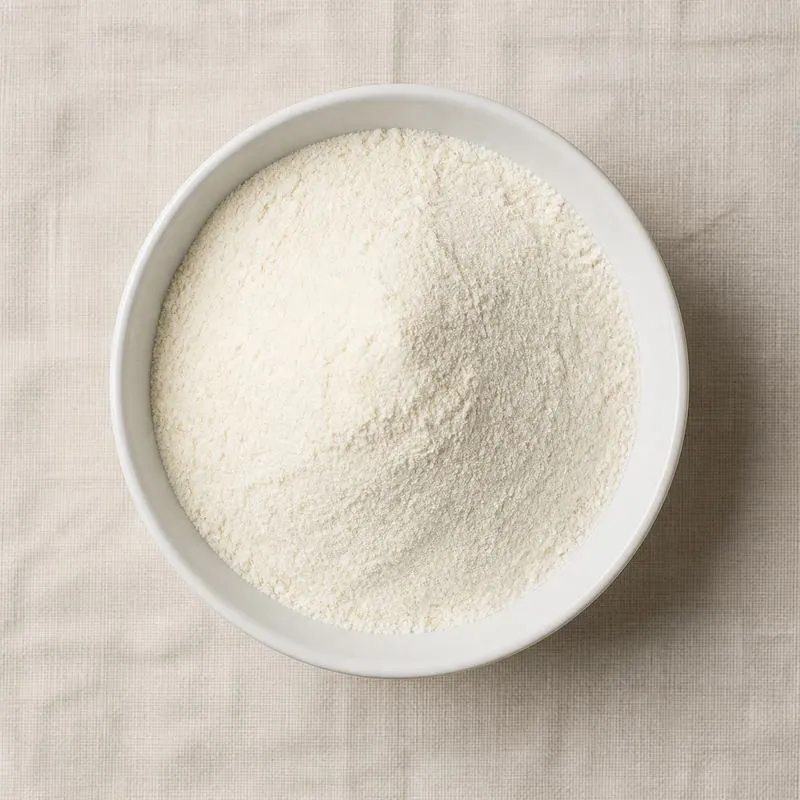
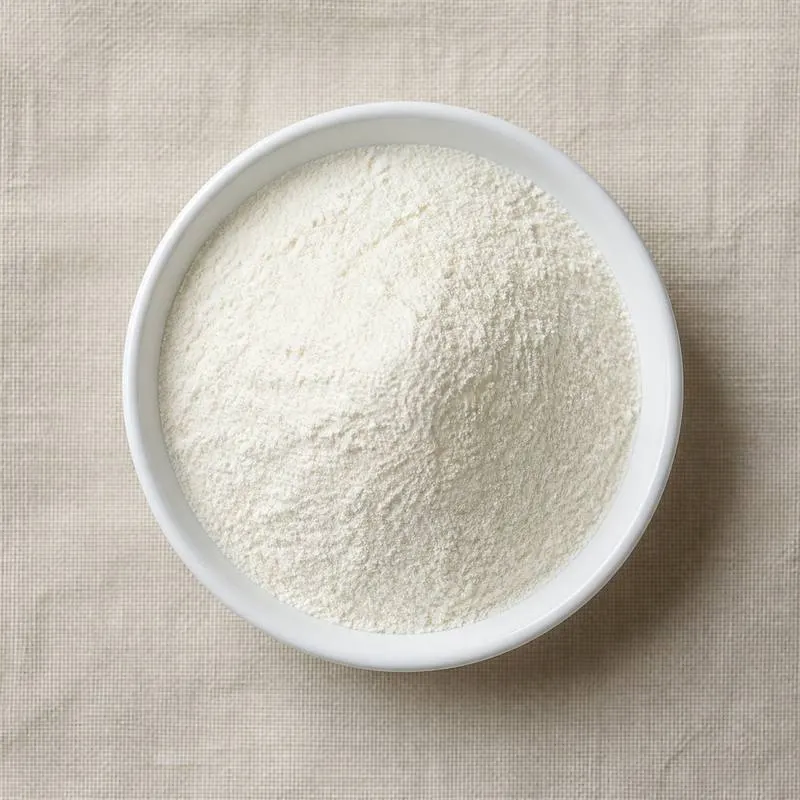
Hexane Free Soy Protein Concentrate
Hexane free soy protein concentrate is soy protein concentrate whose oil has been removed by mechanical pressing rather than by hexane extraction, giving a powder of about 65 to 70 percent protein on a dry basis from which the soluble sugars have been washed out.
Conventional soy protein concentrate starts from hexane defatted white flakes. In the hexane free route the beans are cracked, conditioned and expeller pressed, so the meal that enters protein processing has never met a petroleum solvent and retains a higher residual oil content, generally a few percent rather than under one percent. The soluble carbohydrate removal step that concentrates the protein is then carried out with aqueous ethanol or with acid leaching at the isoelectric point, both of which are accepted within clean label and organic specifications where hexane is not.
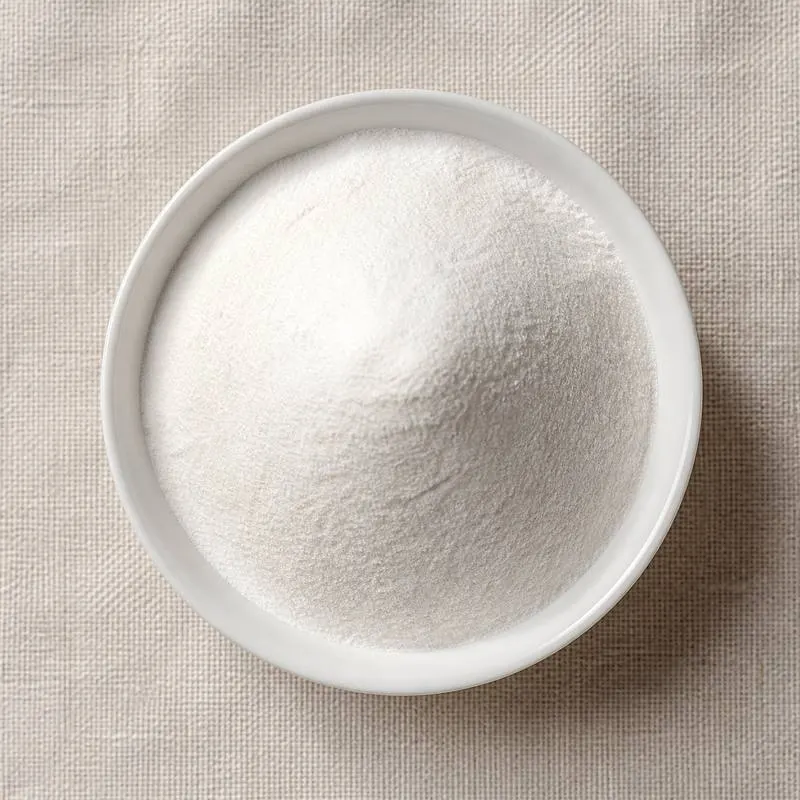
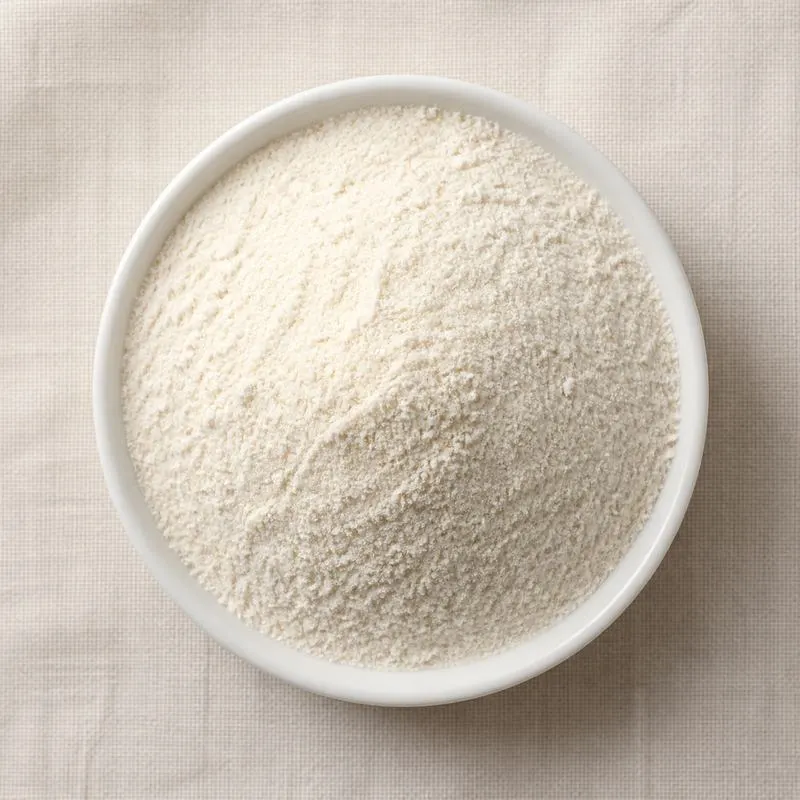
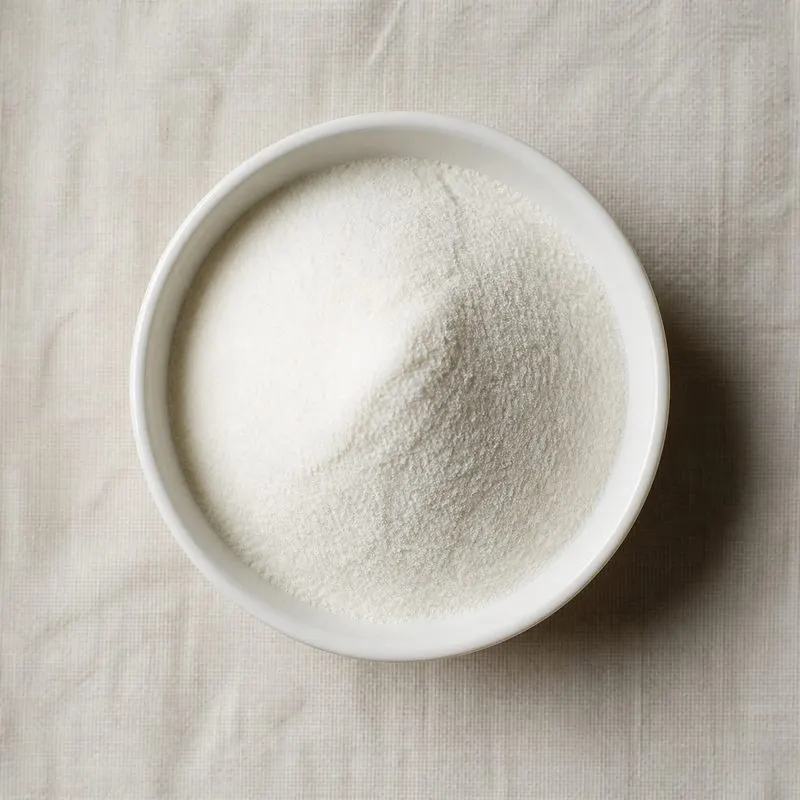
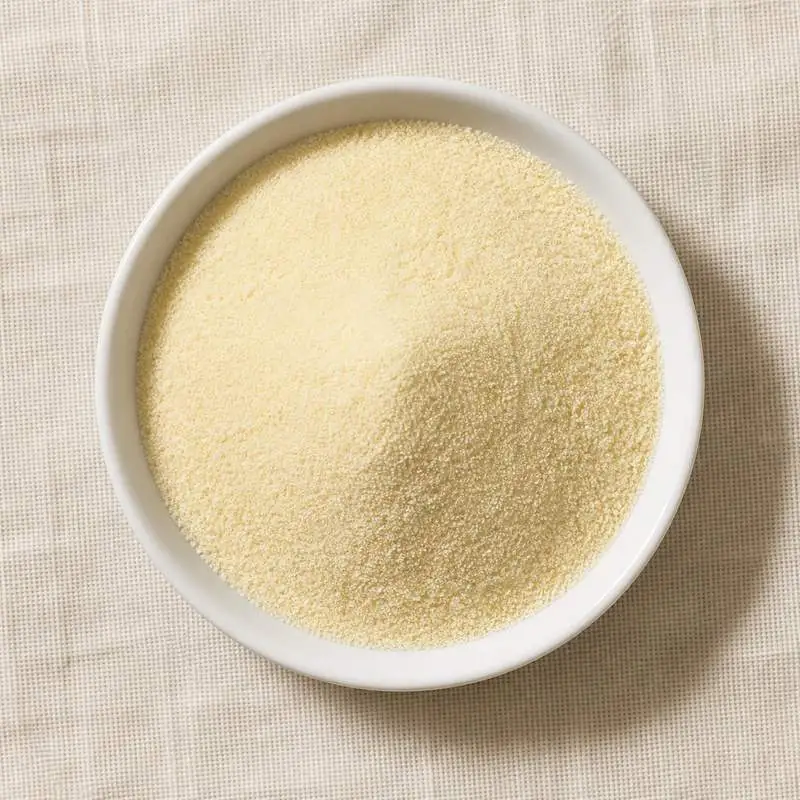
The finished powder is cream to light tan with a mild beany odour. It does not dissolve, since the concentration step denatures much of the protein, but it hydrates strongly, absorbing several times its weight in water and forming a stable paste. That water and fat binding, rather than solubility, is what the ingredient is bought for.
We source bulk Hexane Free Soy Protein Concentrate from top China manufacturers for our partners. The manufacturer is in Shandong. A smaller requirement can ship in a combined container with other ingredients.
Please send the grade you need, the volume and your destination port, and we will come back with a solution and a price.
or call +86-21-6858 0751
- Function
- Protein
Specifications
| Item | Specification |
|---|---|
| Appearance | Cream to light tan free flowing powder |
| Odour and Taste | Bland with a mild beany note, free from rancid or foreign odour |
| Protein (N x 6.25, dry basis) | Minimum 65.0% |
| Moisture | Maximum 8.0% |
| Fat | Maximum 3.0% |
| Ash | Maximum 7.0% |
| Crude Fibre | Maximum 5.0% |
| Residual Hexane | Not detected at the reporting limit of the method |
| Particle Size | Minimum 95% through 100 mesh |
| Water Absorption | 350 to 450% of sample weight |
| Lead | Maximum 0.5 mg/kg |
| Arsenic | Maximum 0.5 mg/kg |
| Total Plate Count | Maximum 20,000 cfu/g |
| Escherichia coli and Salmonella | Absent in 25 g |
Common Markets Grades
The main grades follow the carbohydrate removal method. Alcohol washed concentrate has low solubility and a bland flavour, since ethanol carries off the beany aldehydes along with the sugars, and it is the standard choice for meat systems and pet food. Acid leached concentrate keeps more of its native protein structure and disperses better, and functional concentrates that have been given a further jet cooking or extrusion treatment are sold specifically for emulsion and gel strength.
Beyond that, buyers specify particle size, from fine milled powder through granular and textured formats produced by extrusion, and choose between organic certified, non genetically modified identity preserved, and conventional material. Because the whole point of the grade is process provenance, hexane free lots are supported by segregated handling records and by residual solvent testing showing hexane below the reporting limit, and the same product is frequently sold with an organic certificate attached.
Applications
- Emulsified meat products such as frankfurters and luncheon meat, where it binds water and fat and limits cook loss
- Whole muscle injection brines for ham and poultry, where a fine milled dispersible grade carries protein into the tissue
- Meat analogue patties and mince, used alongside textured protein to hold the structure together during cooking
- Bakery fillings and doughs, where it raises protein content and controls moisture migration
- Nutrition bars marketed on clean label positioning, contributing protein without a solvent extracted ingredient in the declaration
- Infant and toddler foods in markets where soy is an accepted base, using the low flavour alcohol washed grade
- Pet food kibble and wet chunks, where it substitutes for part of the meat protein and binds the matrix
- Aquaculture and calf milk replacer feeds, where a low antinutrient soy protein replaces fishmeal and milk protein
- Retorted and canned products, where the heat stability of the hydrated concentrate keeps texture intact
- Organic certified processed foods, where the absence of solvent extraction is a condition of certification
China Manufacturers of Hexane Free Soy Protein Concentrate
Top Hexane Free Soy Protein Concentrate manufacturers in China.

Company names and logos are the property of the manufacturers themselves. They are listed here because our own directory records them as producing this ingredient. A listing is not an endorsement by them, and we do not represent them or speak on their behalf.
Regulatory Status
Soy protein concentrate is a conventional food ingredient in the United States, used under good manufacturing practice rather than under a food additive regulation, and it is a permitted alternate protein product in federally regulated meat and poultry products within the limits the Food Safety and Inspection Service sets for such products. Soybeans are one of the major food allergens named in the Food Allergen Labelling and Consumer Protection Act, so soy must be declared. Where hexane is used in conventional production it is a processing aid subject to residual limits, and the hexane free claim rests on the mechanical pressing step and on the segregation records behind it rather than on a separate regulatory category.
In the European Union soy protein concentrate is a food ingredient with no E number, and soybeans appear in Annex II of Regulation (EU) No 1169/2011, so they must be emphasised in the ingredient list. Where the beans are genetically modified, the labelling and traceability requirements for genetically modified food apply, which is why identity preserved and organic lots are sold against segregation documentation. Extraction solvents including hexane and ethanol are governed by the European Union directive on extraction solvents, which fixes the conditions of use and residue limits. Codex has a standard for vegetable protein products that defines soy protein concentrate by minimum protein content on a dry basis, and soy protein has no JECFA additive specification because it is not an additive.
Manufacturing Process
Cleaned soybeans are cracked, dehulled and conditioned, then pressed in a screw expeller that forces out most of the oil under heat and pressure. The resulting press cake carries a few percent residual oil, is cooled, flaked or ground, and is toasted under controlled conditions to inactivate trypsin inhibitors and lipoxygenase without over denaturing the protein. This mechanically defatted meal is the hexane free starting material.
Concentration follows by washing out the soluble sugars, principally sucrose, raffinose and stachyose, along with minor ash and flavour compounds, while the protein and the insoluble polysaccharides stay behind. The dominant industrial method leaches the meal with aqueous ethanol at around 60 to 70 percent alcohol in a countercurrent extractor, with the ethanol recovered by distillation and recycled. The alternative acid route brings the meal to pH 4.5 where the protein is least soluble, washes the sugars away in the aqueous phase, and neutralises the recovered curd. Either way the wet concentrate is desolventised or dewatered, dried in a flash or fluid bed dryer, milled to the target particle size and sieved. Textured grades are diverted before drying into a twin screw extruder, where thermal and shear treatment aligns the protein into fibres before cutting and drying.