Milk Protein
Milk protein, traded as milk protein concentrate and milk protein isolate, is the total protein of skimmed milk separated from lactose and minerals by membrane filtration and dried, so that casein and whey protein remain together in their natural ratio of roughly 80 to 20.
That intact ratio is the defining feature. Casein exists in milk as micelles, colloidal aggregates of alpha, beta and kappa casein held together by calcium phosphate, and it coagulates in acid or under rennet, while the whey proteins, principally beta lactoglobulin and alpha lactalbumin, stay soluble in acid and denature on heating. A milk protein product therefore behaves quite differently from either fraction alone, giving both the slow digestion and gelation of casein and the heat set gelling and foaming of whey.
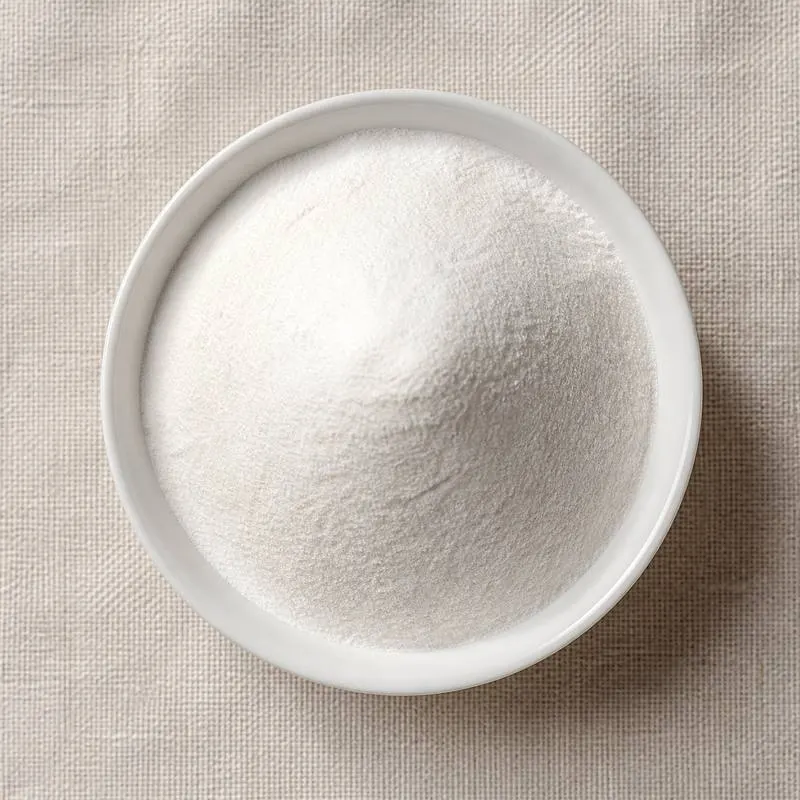
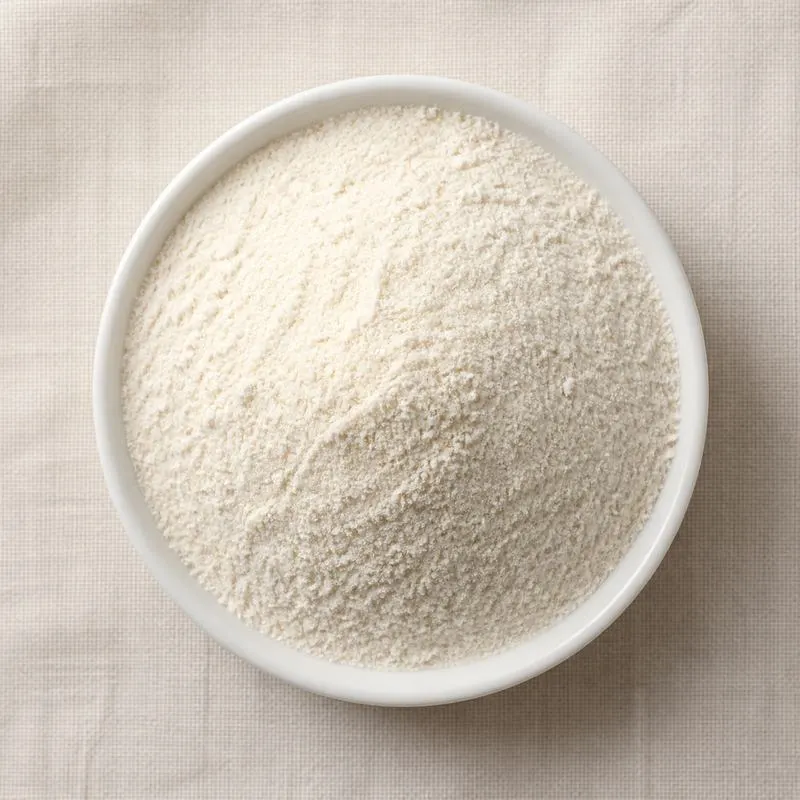
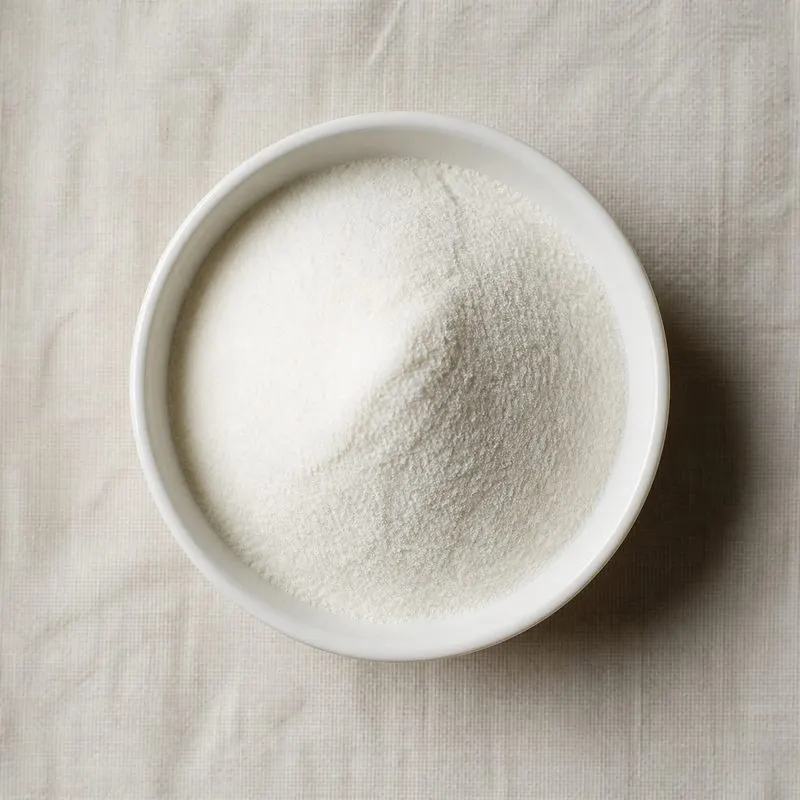
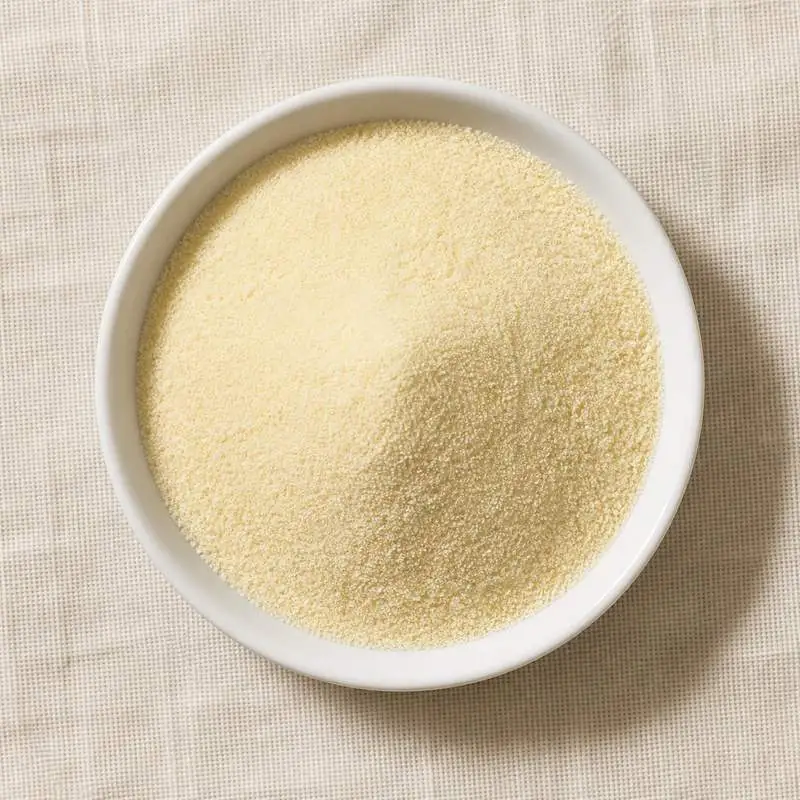
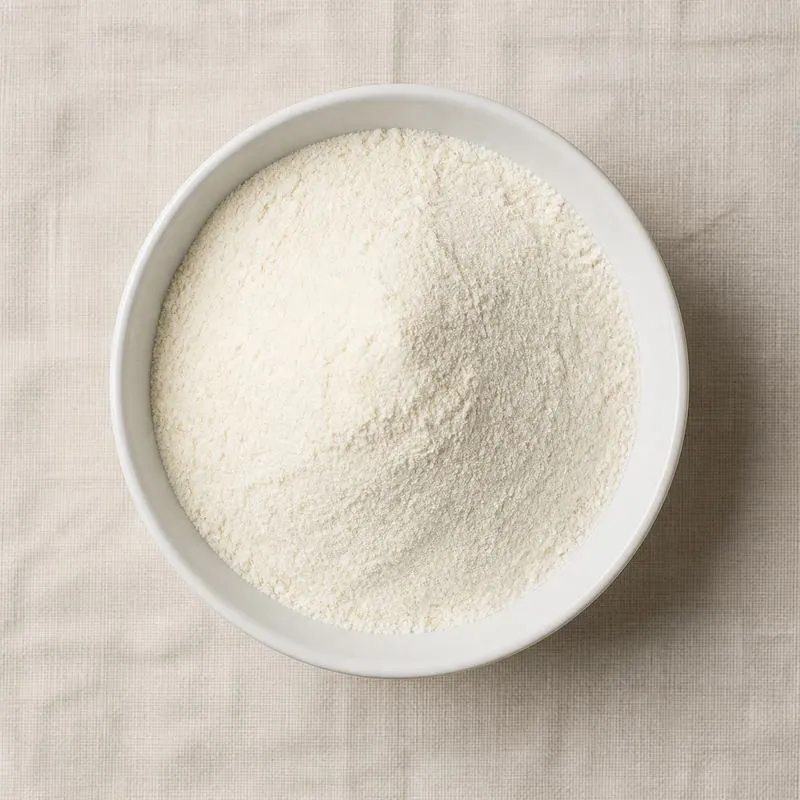
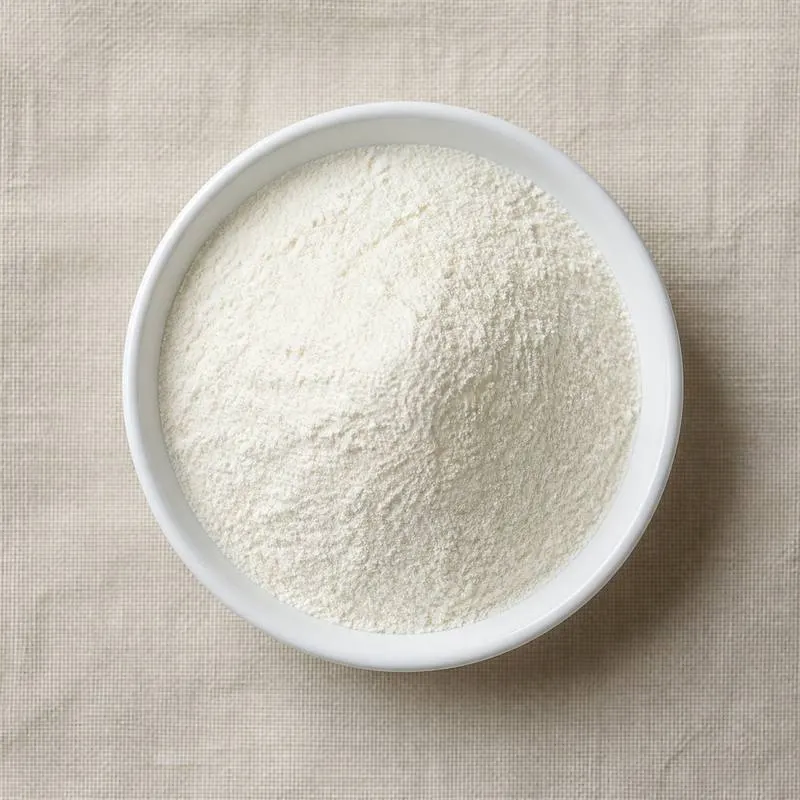
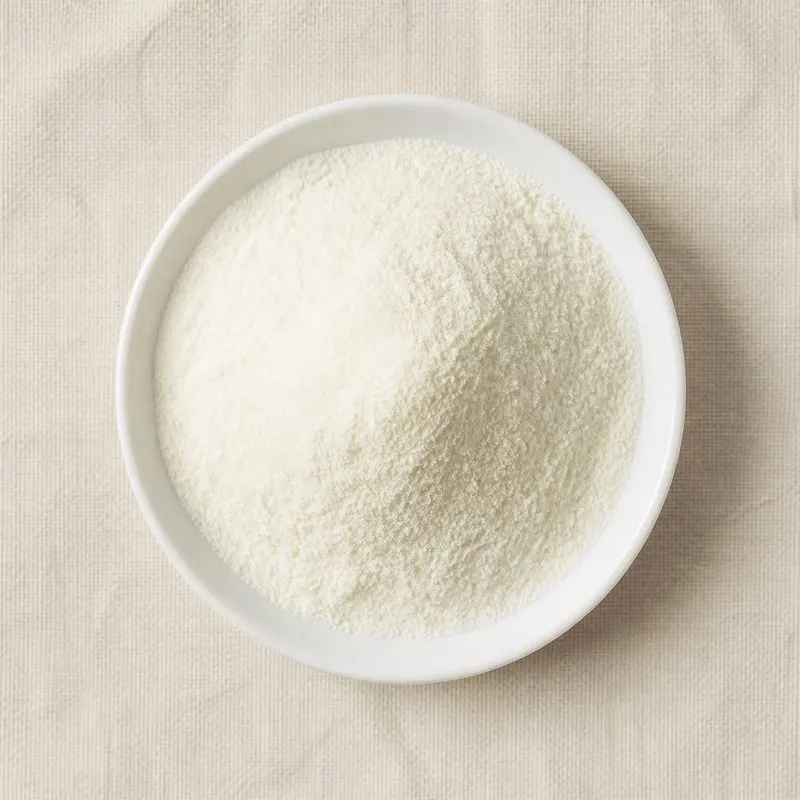
Powders run from 42 to 85 percent protein for concentrates and 88 percent and above for isolates, the remainder being lactose, ash and residual fat. They are cream to light yellow, mildly dairy in flavour, and disperse rather than dissolve at high protein levels, since micellar casein is a colloid rather than a solute. Solutions are viscous, heat stable near neutral pH, and prone to settling out in acid conditions, which limits use in clear low pH drinks.
We source bulk Milk Protein from top China manufacturers for our partners. The manufacturer is in Inner Mongolia. A smaller requirement can ship in a combined container with other ingredients.
Please send the grade you need, the volume and your destination port, and we will come back with a solution and a price.
or call +86-21-6858 0751
- Function
- Protein
Specifications
| Item | Specification |
|---|---|
| Appearance | Cream to light yellow free flowing powder |
| Odour and Taste | Clean dairy flavour, free from rancid, oxidised or scorched notes |
| Protein (dry basis) | Minimum 80.0%, as ordered |
| Moisture | Maximum 5.0% |
| Fat | Maximum 2.0% |
| Lactose | Maximum 8.0% |
| Ash | Maximum 8.0% |
| Solubility Index | Maximum 1.0 ml |
| pH (10% solution) | 6.6 to 7.2 |
| Titratable Acidity | Maximum 0.15% as lactic acid |
| Total Plate Count | Maximum 10,000 cfu/g |
| Coliforms | Maximum 10 cfu/g |
| Yeast and Mould | Maximum 50 cfu/g |
| Salmonella and Listeria monocytogenes | Absent in 25 g |
Common Markets Grades
Grades are named by protein content on a dry basis, following the convention that milk protein concentrate 70 or 80 states its protein percentage directly, with the balance of lactose falling as protein rises. Isolate above 88 percent protein carries almost no lactose and is specified where a low lactose or low carbohydrate declaration is needed. Micellar casein isolate, made by microfiltration to remove the whey fraction, is a related but distinct product with a protein profile far higher in casein than milk protein.
Beyond protein content, buyers specify solubility, since aggressive drying leaves powder that hydrates slowly and forms lumps, and the industry distinguishes standard from instantised and lecithinated grades on that basis. Further options include heat classification, with low heat powder retaining more native whey protein and high heat powder giving greater heat stability, calcium reduced grades made by ion exchange or acidification for improved acid solubility, and organic certified material. Feed grade milk protein carries a lower specification and is priced against the commodity dairy market rather than the nutrition market.
Applications
- Sports and recovery powders, where the mixed casein and whey profile gives both rapid and sustained amino acid delivery
- Ready to drink protein beverages at neutral pH, where micellar casein contributes heat stability through retort
- Clinical and elderly nutrition formulas, supplying complete dairy protein at high concentration with low lactose
- Infant formula manufacture, used to adjust the casein to whey ratio of the finished formula
- Nutrition bars, where milk protein controls texture and limits the hardening that whey alone causes over shelf life
- Processed cheese and cheese analogues, where casein provides the structural network
- Yoghurt and fermented dairy, added to raise total solids, firm the gel and limit syneresis
- Ice cream and frozen desserts, contributing body, overrun stability and a creamy melt
- Bakery and confectionery fillings, where dairy protein carries flavour and binds water
- Coffee whiteners and creamers, where heat and acid stable dairy protein prevents feathering in hot coffee
Brands Using Milk Protein
Widely-distributed consumer products that list Milk Protein on the ingredient label.
- Orgain20g Clean Protein Shake, Vanilla Bean ↗A ready to drink shake whose protein is 20 g of grass-fed milk protein.Label verified 2026-08-31
- Orgain30g Protein Shake, Fruity Cereal ↗A shake built on 30 grams of 100% milk protein isolate per serving.Label verified 2026-08-31
- Kodiak CakesPumpkin Power Cakes Flapjack & Waffle Mix ↗A pancake and waffle mix whose ingredient list names milk protein concentrate with wheat protein isolate and whey protein concentrate.Label verified 2026-08-31
- HimalayaQuista Kidz ↗A children's nutrition powder that states it contains 100% milk protein alongside prebiotic fibre and herbal ingredients.Label verified 2026-08-31
Brand names, product names and logos are the property of their owners. They appear here as published evidence that the ingredient is used, taken from the brand's own label or website. Their appearance is not an endorsement, and it does not mean the brand buys from us or from any manufacturer listed on this site.
China Manufacturers of Milk Protein
Top Milk Protein manufacturers in China.

Company names and logos are the property of the manufacturers themselves. They are listed here because our own directory records them as producing this ingredient. A listing is not an endorsement by them, and we do not represent them or speak on their behalf.
Regulatory Status
In the United States milk protein concentrate is a dairy ingredient used under good manufacturing practice, without a separate food additive listing, and it is subject to the pasteurised milk ordinance framework where grade A product is involved and to the preventive controls rules for human food. It cannot be used in cheeses that carry a federal standard of identity unless the standard permits it, which is the source of long running trade discussion around the ingredient. Milk is a major food allergen under the Food Allergen Labelling and Consumer Protection Act and must be declared, and use in infant formula brings the ingredient under the specific infant formula requirements including notification to the Food and Drug Administration.
In the European Union milk protein products are foods of animal origin manufactured under Regulation (EC) No 853/2004, which sets the hygiene requirements for milk processing establishments and for heat treatment, with microbiological criteria in Regulation (EC) No 2073/2005. Milk appears in Annex II of Regulation (EU) No 1169/2011 and must be emphasised in the ingredient list. There is no E number, since milk protein is an ingredient rather than an additive, and the reserved dairy names under the common market organisation rules govern how the product may be described. Codex maintains a standard for milk protein products that defines concentrate and isolate by minimum protein content in the milk solids not fat, and a general standard for contaminants that fixes the applicable limits.
Manufacturing Process
Raw milk is chilled at the farm, checked on receipt for antibiotic residues and somatic cell count, then separated into cream and skimmed milk in a centrifugal separator. The skimmed milk is pasteurised and fed to a spiral wound ultrafiltration plant, where a membrane with a molecular weight cut off in the range of 10 kiloDaltons retains both casein micelles and whey proteins while lactose, soluble minerals and non protein nitrogen pass into the permeate. The permeate is a lactose stream processed separately, and the retentate is the protein concentrate.
Because ultrafiltration alone reaches a limit set by the viscosity of the retentate, higher protein grades are produced by diafiltration, adding water back into the retentate and filtering again to wash out more lactose and ash. The concentrated retentate is then evaporated under vacuum to raise total solids, pasteurised or given a defined heat treatment matching the heat class ordered, and spray dried in a tower fitted with an integrated fluid bed. Lecithin is applied during agglomeration for instantised grades to make the particle surface wettable. The powder is cooled, sieved, checked for metal and packed in multiwall bags with a polyethylene liner, with solubility and heat stability run as release tests alongside composition.