High Amylose Corn Starch
High amylose corn starch is starch from maize varieties bred to accumulate an unusually large proportion of amylose, the essentially linear glucose polymer, at the expense of the branched amylopectin. Ordinary dent maize starch contains about 25 to 28 percent amylose; high amylose grades are traded at 50 to 55 percent and at 70 percent or above, the latter derived from the amylose extender genotype.
The consequences are drastic. Amylose chains pack into tight double helical crystallites, and a granule dominated by them resists hydration so strongly that it does not gelatinise at all in boiling water; full gelatinisation requires jet cooking at 140 to 160 degrees Celsius under pressure. Once cooked, the dispersed linear chains realign quickly and completely, so the paste sets rapidly to a very firm, opaque, rigid gel and forms strong, coherent, oxygen barrier films. Those two behaviours, fast firm setting and film formation, are what the material is bought for.
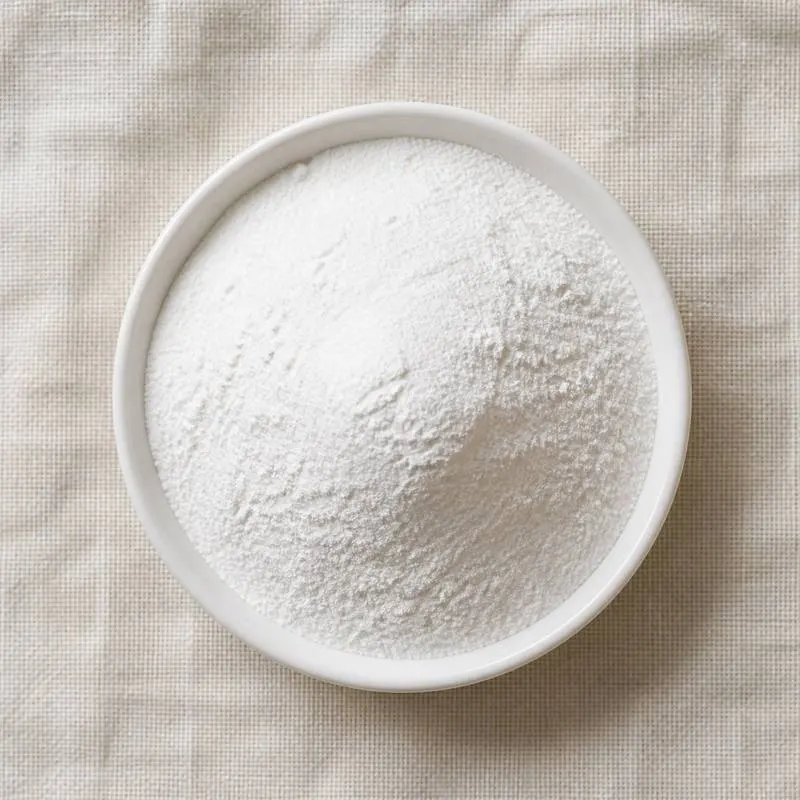
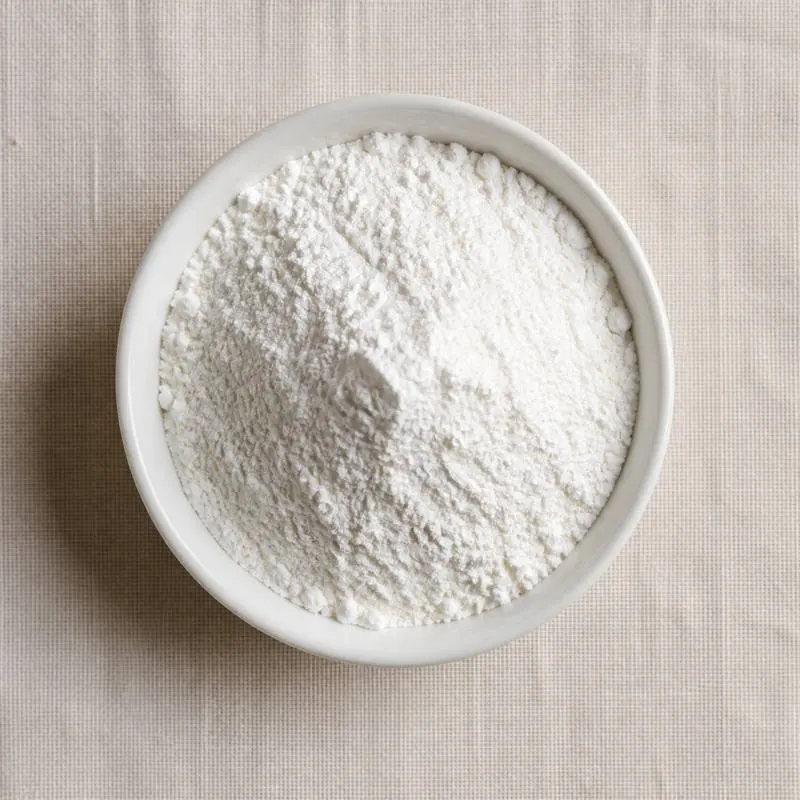
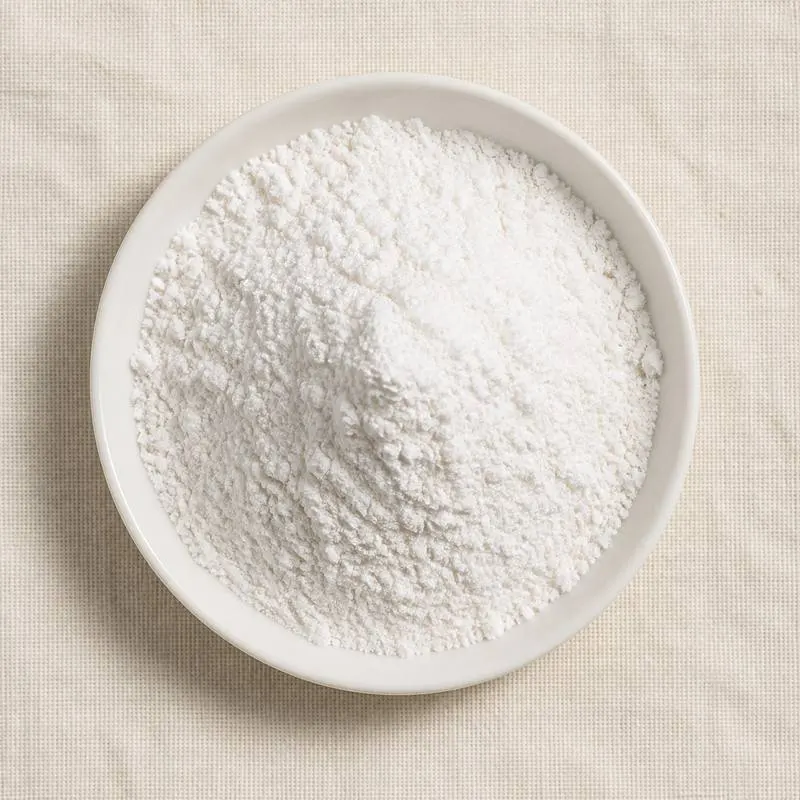
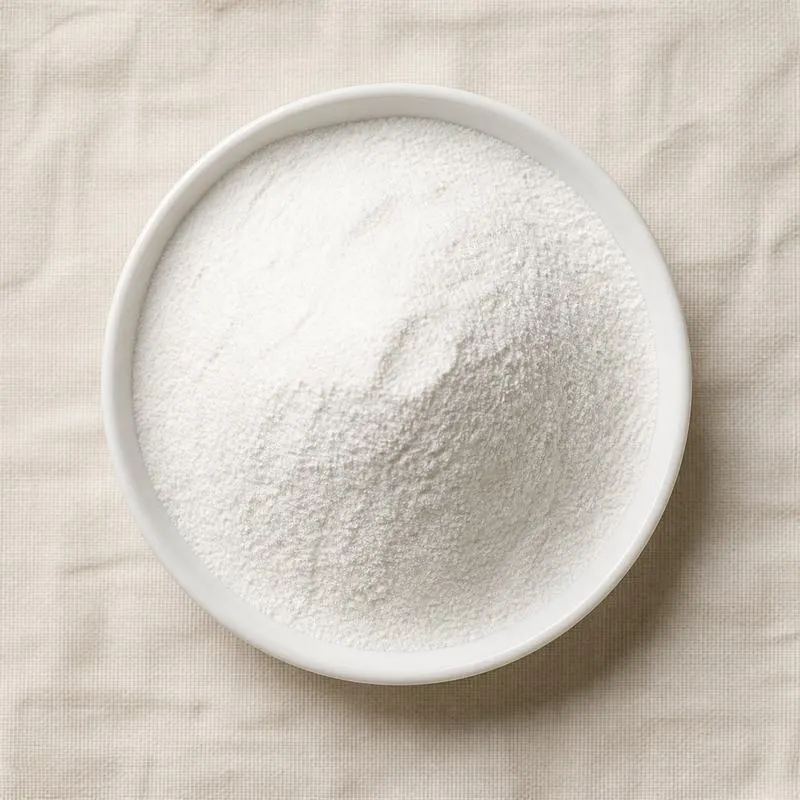
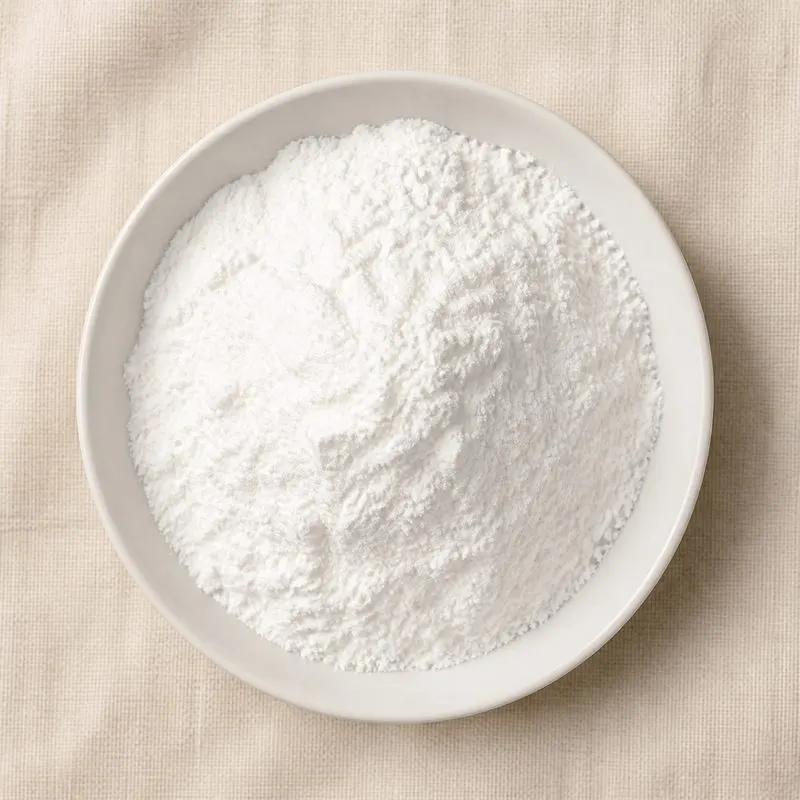
The same tight packing makes much of the starch inaccessible to pancreatic amylase, so high amylose maize starch carries a large resistant starch fraction, classified as type 2 in the raw granular state and type 3 after cooking and retrogradation. It is the principal commercial source of resistant starch for dietary fibre fortification, and it also digests slowly where it is digested at all, giving a lower glycaemic response than ordinary starch. It is a white free flowing powder, insoluble in cold water and unaffected by ordinary cooking.
We source bulk High Amylose Corn Starch from top China manufacturers for our partners. The manufacturer is in Shandong. A smaller requirement can ship in a combined container with other ingredients.
Please send the grade you need, the volume and your destination port, and we will come back with a solution and a price.
or call +86-21-6858 0751
- Function
- Texturisers
Specifications
| Item | Specification |
|---|---|
| Appearance | White free flowing powder, free of foreign matter |
| Odour and taste | Neutral, faint cereal note, no musty odour |
| Identification | Blue with iodine solution; granules conform to maize under microscope |
| Amylose content, dry basis | 70.0 percent minimum of total starch |
| Total starch, dry basis | 97.0 percent minimum |
| Resistant starch, enzymatic assay | 60.0 percent minimum, dry basis |
| Moisture | 13.0 percent maximum |
| Protein, nitrogen times 6.25, dry basis | 0.5 percent maximum |
| Fat | 0.5 percent maximum |
| Ash, dry basis | 0.3 percent maximum |
| pH, 10 percent slurry | 4.5 to 7.0 |
| Sulphur dioxide | 30 mg/kg maximum |
| Lead | 0.5 mg/kg maximum |
| Arsenic | 0.5 mg/kg maximum |
| Total plate count | 10000 cfu/g maximum |
| Yeast and mould | 500 cfu/g maximum |
| E. coli | Absent in 1 g |
| Salmonella | Absent in 25 g |
Common Markets Grades
Amylose content defines the grade, with 50 to 55 percent and 70 percent plus as the standard commercial points, and the higher grade priced substantially above it for both agronomic and processing reasons. Within each, the native granular starch is traded as the resistant starch and film forming article, while pregelatinised grades, cooked under pressure and drum dried, are used where cold water dispersibility is needed and where the resistant fraction has deliberately been converted.
Two further derivative lines are important. Retrograded high amylose starch, made by cooking and then holding the paste under controlled temperature cycles to maximise the crystalline fraction, is sold as a type 3 resistant starch with a very high fibre declaration. Chemically modified high amylose starches, including acid thinned and cross linked grades, are made for confectionery and coating work where the setting behaviour must be tuned. Buyers should confirm both the amylose content and the measured resistant starch percentage, since the two are related but are not the same specification.
Applications
- Dietary fibre fortification in bread, pasta, snacks and cereals, as the principal commercial source of resistant starch
- Reduced glycaemic response formulations, where slow digestion of the amylose fraction moderates the blood glucose curve
- Starch jelly confectionery and gum sweets, where fast firm setting shortens the moulding cycle from days to hours
- Batters and coatings for fried foods, forming a crisp crust that clings to the piece and stays crisp after the fryer
- Edible films, capsule shells and biodegradable packaging, using the strength and oxygen barrier of amylose films
- Extruded and puffed snacks, where the high amylose content controls expansion and gives a firmer bite
- Colonic delivery systems in pharmaceuticals, where the resistant fraction carries an active past the small intestine
- Breakfast cereals, where it limits moisture pickup and holds bowl life in milk
- Gluten free baking, contributing structure and set in the absence of gluten
- Fat replacement systems, where the firm gel supplies part of the texture removed with the fat
Brands Using High Amylose Corn Starch
Widely-distributed consumer products that list High Amylose Corn Starch on the ingredient label.
- Kellogg'sVector Maple Flavour Cereal ↗A meal replacement cereal that lists high amylose corn starch as its fifth ingredient, after whole wheat flour, sugars, soy protein and rice flour.Label verified 2026-08-31
- Kellogg'sVector Peanut Butter Flavour Cereal ↗A peanut butter flavoured meal replacement cereal whose ingredient list names high amylose corn starch alongside rice flour and whole grain corn flour.Label verified 2026-08-31
Brand names, product names and logos are the property of their owners. They appear here as published evidence that the ingredient is used, taken from the brand's own label or website. Their appearance is not an endorsement, and it does not mean the brand buys from us or from any manufacturer listed on this site.
China Manufacturers of High Amylose Corn Starch
Top High Amylose Corn Starch manufacturers in China.
Company names and logos are the property of the manufacturers themselves. They are listed here because our own directory records them as producing this ingredient. A listing is not an endorsement by them, and we do not represent them or speak on their behalf.
Regulatory Status
Native high amylose corn starch is a food, not a food additive. In the United States it is a food ingredient labelled as corn starch or high amylose corn starch, treated as generally recognised as safe in its ordinary uses, with identity and purity criteria set by the Food Chemicals Codex starch monograph. The Food and Drug Administration has recognised high amylose maize resistant starch as a dietary fibre for the purposes of the Nutrition Facts declaration, so the resistant fraction may be counted as fibre on United States labels. A qualified health claim relating high amylose maize resistant starch to reduced risk of type 2 diabetes has also been the subject of agency review.
In the European Union native and physically modified starches carry no E number and are regulated as foods, while chemically modified high amylose starches fall under the corresponding E 1400 series authorisations and must be declared as additives. Resistant starch counts within the definition of dietary fibre used for EU nutrition labelling, and any health claim made on that basis must be authorised under the nutrition and health claims regulation. Codex maintains a general standard for edible starches and defines dietary fibre in its guidelines on nutrition labelling. Maize is not a declarable allergen and the starch is naturally free of gluten.
Manufacturing Process
The starch is separated by conventional maize wet milling, and the difference lies in the grain and in the cook rather than in the separation. Identity preserved high amylose maize is contracted, segregated from commodity maize through the whole supply chain, and steeped for one to two days in warm water with dilute sulphur dioxide. The steeped grain is coarsely milled and the germ floated off in hydrocyclones, then finely milled and screened to remove fibre. Starch and gluten protein are separated in a disc nozzle centrifuge on their density difference, and the starch is refined through a multistage countercurrent hydrocyclone battery. Yields are lower than for dent maize, because high amylose kernels are smaller and harder and carry less starch, which is part of why the material is expensive.
The refined starch milk is dewatered on a vacuum filter or peeler centrifuge and flash dried to give the native granular product. Where a pregelatinised or a retrograded grade is required, an extra thermal stage follows: the starch slurry is jet cooked at 140 to 160 degrees Celsius under pressure, which is the only way to disperse the granule fully, and is then either drum or spray dried immediately to give a cold water dispersible powder, or held through controlled cooling and temperature cycling so that the amylose crystallises into the type 3 resistant form before being dried and milled. Resistant starch content is measured on the finished powder by enzymatic assay before release, since it is the specification the customer buys against.