High-Fibre Corn Flour
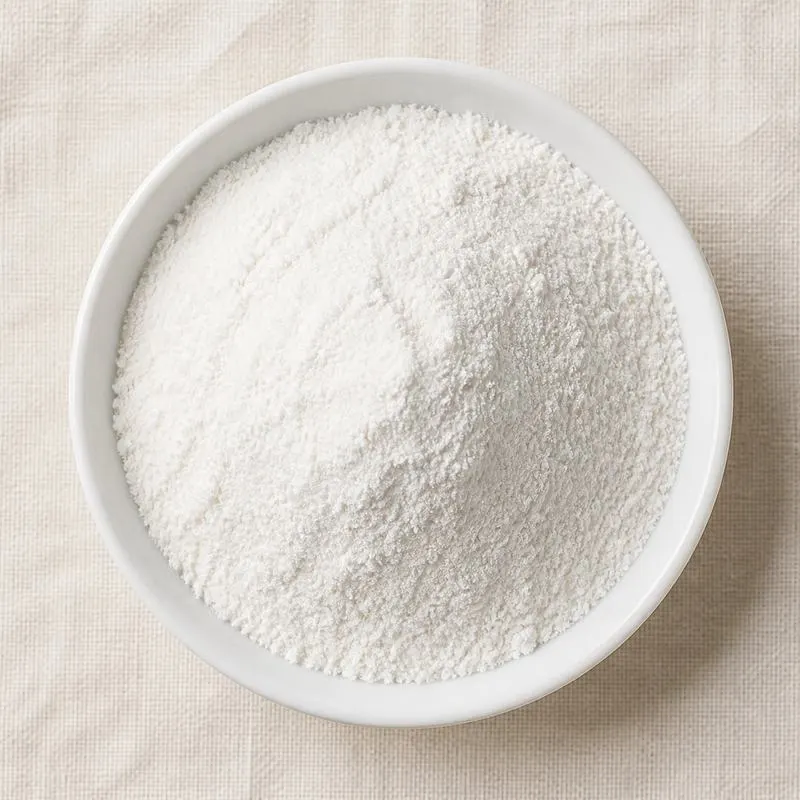
High-fibre corn flour is maize flour in which the dietary fibre content has been raised well above that of ordinary degerminated corn flour, either by retaining the pericarp and bran during milling or by adding back a concentrated corn fibre stream to a milled flour base. Total dietary fibre typically runs 12 to 30 per cent on a dry basis, against 2 to 4 per cent in a standard degerminated flour, with the fibre being predominantly insoluble arabinoxylan and cellulose from the bran layer.
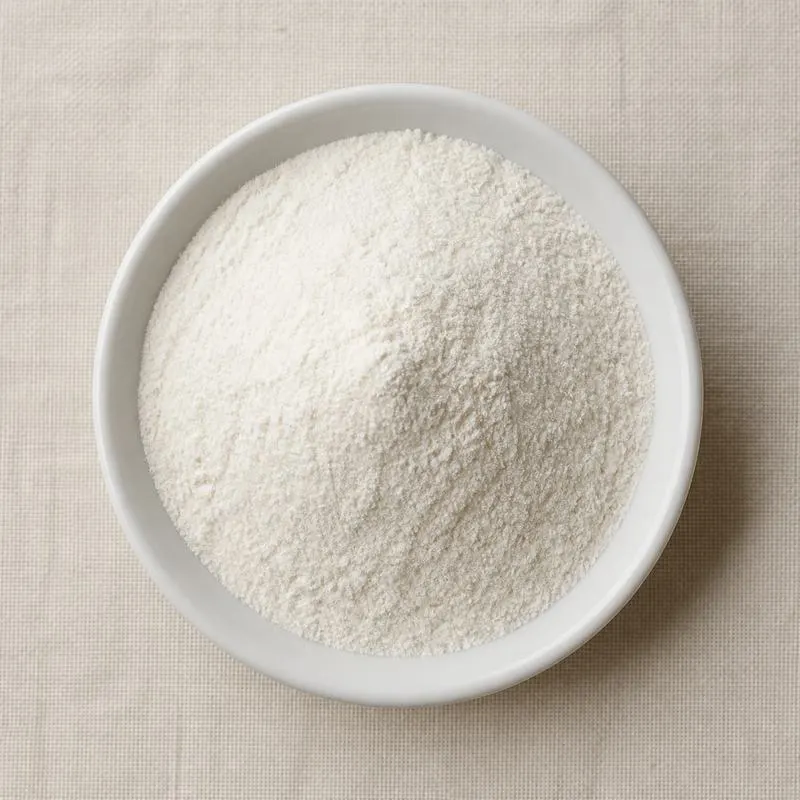
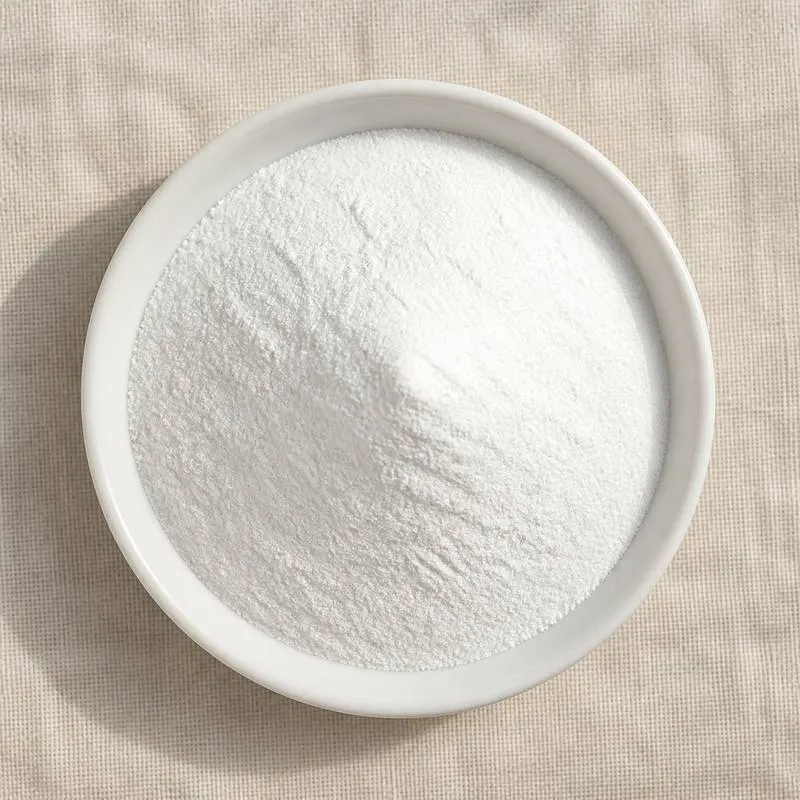
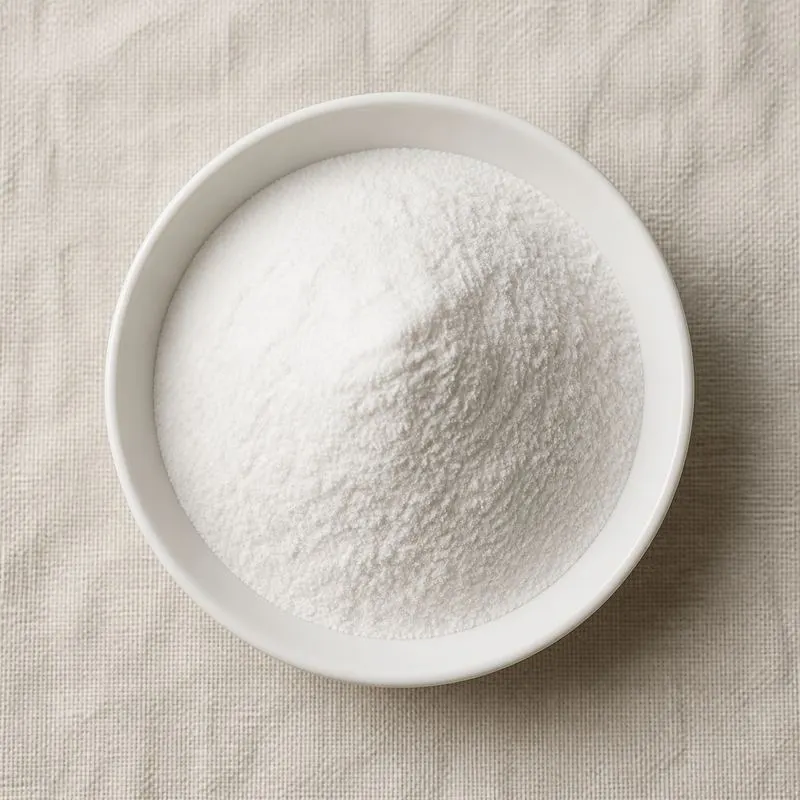
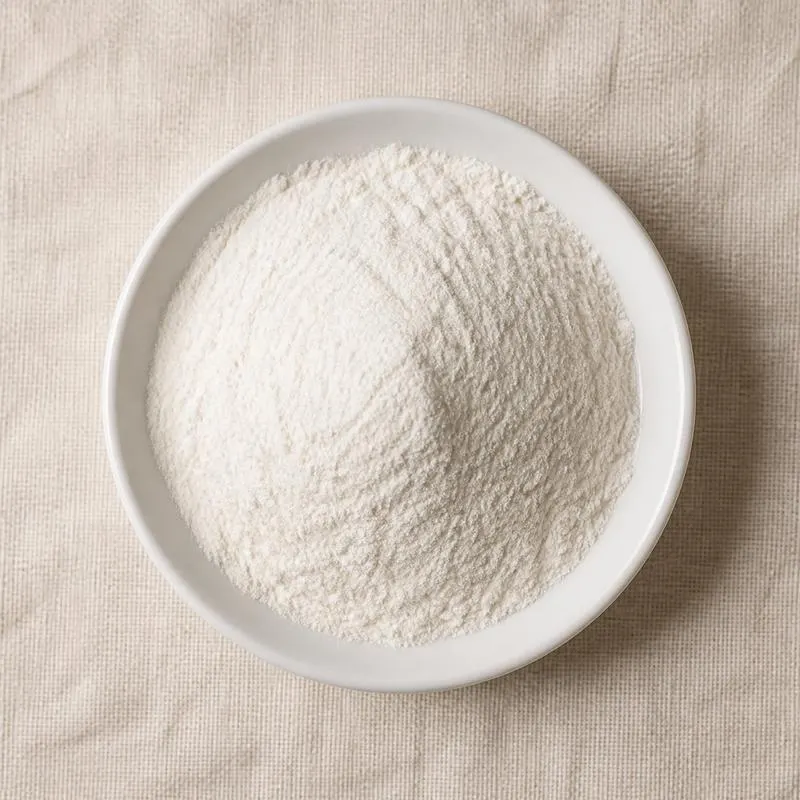
The flour is pale yellow to golden, the colour depending on the maize variety and on how much germ and bran are retained, with a mild characteristic corn flavour. Particle size runs from fine flour through medium meal to coarse grits, and the starch content falls as the fibre content rises, which changes the way the flour behaves in a batter or a dough.
Two properties determine how it is used. It absorbs more water than standard corn flour, since the bran fibre hydrates strongly, so recipes have to be rebalanced when it is substituted. And it is naturally free of gluten, which makes it one of the few high-fibre flours available to gluten-free bakery, where fibre is otherwise difficult to build in without wheat bran.
We source bulk High-Fibre Corn Flour from top China manufacturers for our partners. The manufacturer is in Shandong. A smaller requirement can ship in a combined container with other ingredients.
Please send the grade you need, the volume and your destination port, and we will come back with a solution and a price.
or call +86-21-6858 0751
- Function
- Dietary Fibres
Specifications
| Item | Specification |
|---|---|
| Appearance | Pale yellow to golden free-flowing flour |
| Total Dietary Fibre | Not less than 15.0 per cent on dry basis |
| Protein | Not less than 6.0 per cent |
| Fat | Not more than 3.0 per cent |
| Moisture | Not more than 13.0 per cent |
| Ash | Not more than 2.0 per cent |
| Gluten | Not more than 20 mg/kg |
| Aflatoxin B1 | Not more than 2 microgram/kg |
| Fumonisin B1 plus B2 | Not more than 1000 microgram/kg |
| Lead | Not more than 0.2 mg/kg |
| Total Plate Count | Not more than 10000 cfu/g |
| Yeast and Mould | Not more than 500 cfu/g |
| Escherichia coli | Absent in 1 g |
| Salmonella | Absent in 25 g |
Common Markets Grades
Grades are set by fibre content and by particle size. Whole grain corn flour, milled from the entire kernel including germ and pericarp, carries 8 to 12 per cent total dietary fibre and the full fat content of the germ, which limits its shelf life. Bran-enriched grades, made by adding a corn bran or corn fibre concentrate back to a degerminated flour, reach 15 to 30 per cent fibre with a lower fat content and a longer shelf life, and are the more common commercial article.
Particle size options run from fine flour below 100 mesh for batters and gluten-free bakery, through medium meal for tortillas and porridge, to coarse grits for extrusion and for polenta-type products. Colour grades follow the maize variety, with white and yellow maize traded separately and blue and red maize available as speciality lines. Nixtamalised grades, produced by alkaline cooking before milling, are a distinct product used for tortillas and are specified separately. Non-genetically-modified and organic certification are common requirements, gluten-free certification requires segregated handling, and mycotoxin control is a routine specification point given the maize supply chain.
Applications
- Gluten-free bread, muffins and cakes, one of the few naturally gluten-free flours that carries substantial fibre
- Tortillas, arepas and flat breads, where corn flour is already the traditional base
- Extruded snacks and breakfast cereals, contributing fibre to a corn base that survives the extruder
- Batters and coatings for fried products, where the coarse fraction gives a crisp crust
- Porridge, polenta and instant hot cereal, using the medium and coarse grades
- Biscuits and crackers, raising fibre content while keeping a short, crisp texture
- Reduced-calorie bakery, replacing part of the refined flour with non-digestible bulk
- Meat products and analogues, as a binder and fibre carrier
- Pet food and extruded feed, as a fibre-bearing starch source
China Manufacturers of High-Fibre Corn Flour
Top High-Fibre Corn Flour manufacturers in China.
Company names and logos are the property of the manufacturers themselves. They are listed here because our own directory records them as producing this ingredient. A listing is not an endorsement by them, and we do not represent them or speak on their behalf.
Regulatory Status
High-fibre corn flour is a conventional food ingredient rather than an additive. In the European Union it is declared by its ingredient name, with the fibre content appearing in the nutrition declaration under the Food Information to Consumers Regulation and dietary fibre determined by the recognised analytical methods. Maize is not among the substances causing allergies or intolerances listed in that regulation and is not a gluten-containing cereal, so the flour may be used in products labelled gluten-free where cross-contamination is controlled. Maximum levels for fumonisins, aflatoxins and deoxynivalenol in maize and maize-derived products are set in the contaminants legislation and are the principal compliance concern for the material.
In the United States corn flour and corn bran are foods used in accordance with good manufacturing practice, and standards of identity exist for certain corn milling products. For Nutrition Facts purposes, intrinsic and intact fibre from the corn kernel counts as dietary fibre under the Food and Drug Administration definition, while an isolated corn fibre added back to a flour is assessed against the requirement for a demonstrated physiological benefit, so the route by which the fibre content was raised affects the declaration. Whole grain content statements follow the agency guidance on whole grain labelling. Codex covers the material through its standard for maize and maize products, its general labelling standard and its mycotoxin provisions.
Manufacturing Process
Maize is cleaned to remove stones, chaff, weed seed and metal, then tempered with water so that the pericarp toughens and separates cleanly from the endosperm. In a conventional dry mill the tempered kernel passes through a degerminator that breaks it and releases the germ and bran, and the fractions are separated by aspiration and gravity tables, the germ going to oil extraction and the bran being available as a fibre stream. For a whole grain high-fibre flour the degermination step is limited or omitted and the whole kernel is milled, though the retained germ oil then means a shorter shelf life or a stabilisation step.
Milling is carried out on roller mills in successive break and reduction passes with sifting between them, and the streams are recombined according to the flour being made. For a bran-enriched grade, corn bran or a corn fibre concentrate, which has itself been washed and enzymatically stripped of residual starch, dried and milled, is blended back into the flour base in a ribbon mixer at the proportion needed to hit the declared fibre figure. The blend is sifted to the target particle size, passed over magnets and a metal detector, and tested for fibre, moisture, particle size and mycotoxin content before packing. Heat treatment is applied where the microbiological specification or a ready-to-eat application requires it.