Instant Cereal Flakes
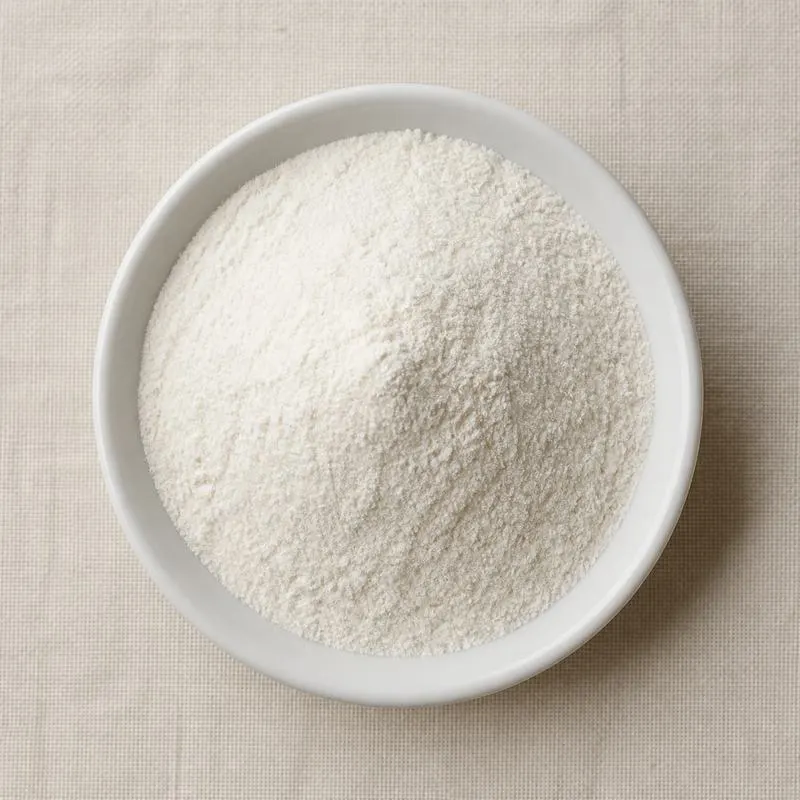
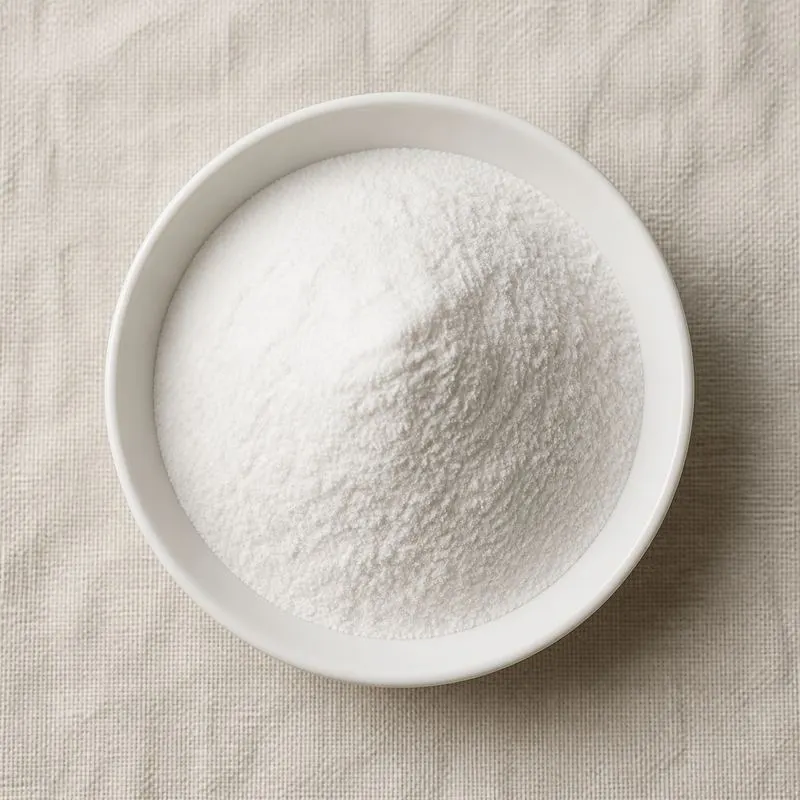
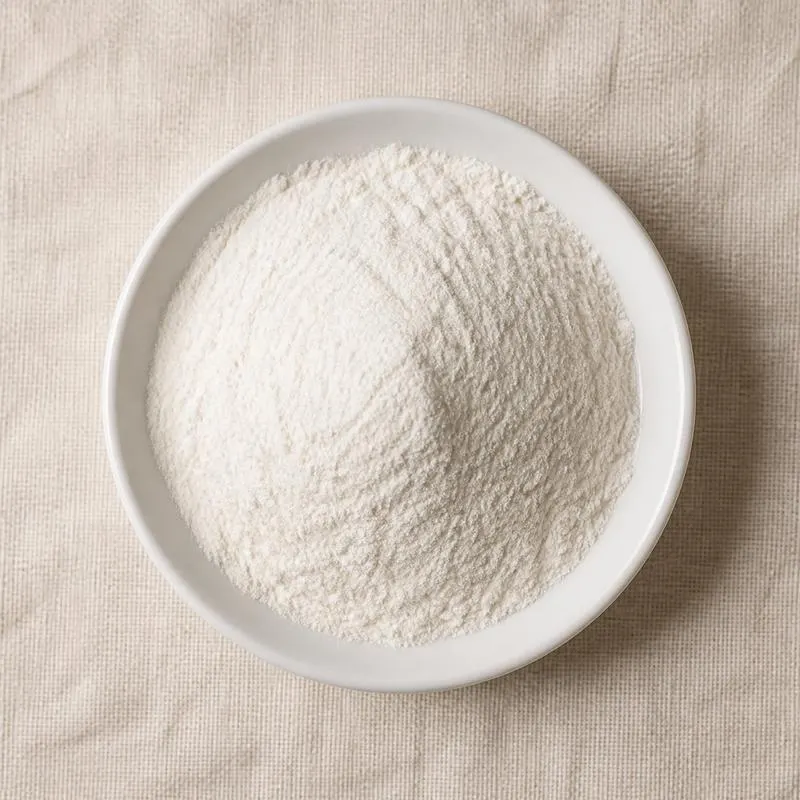
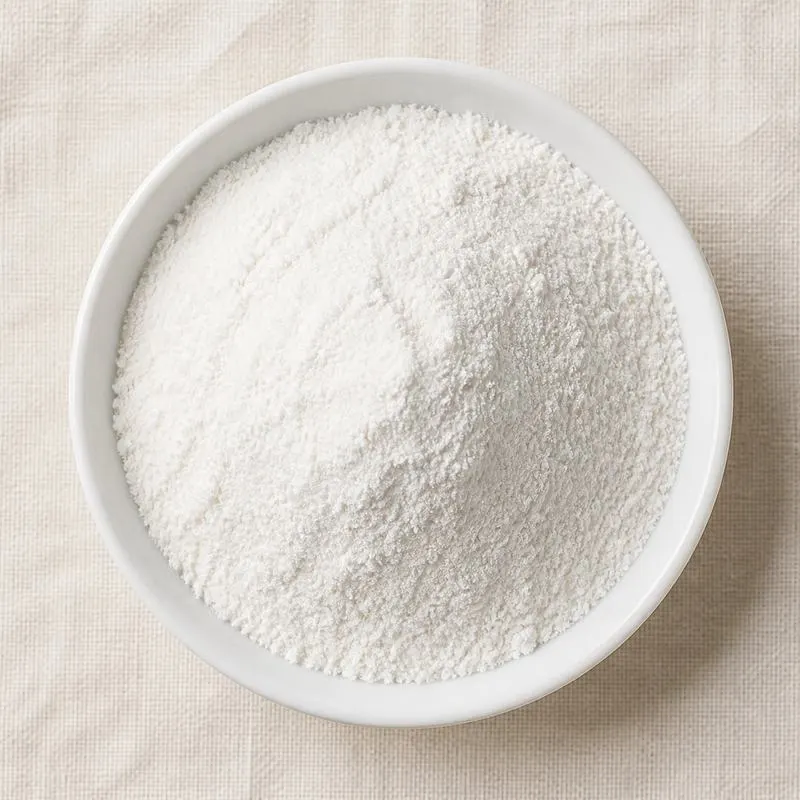
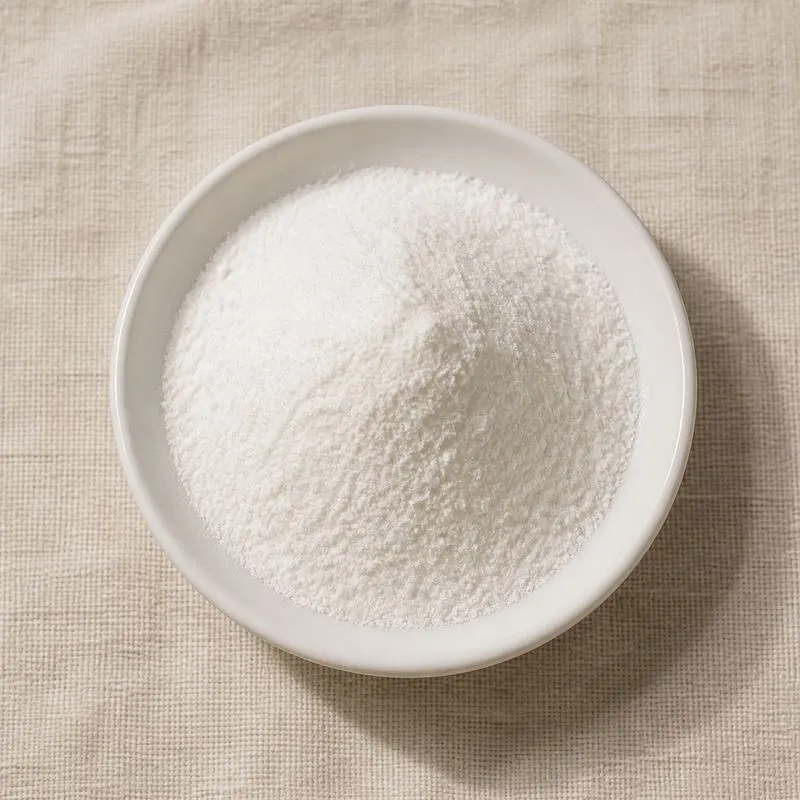
Instant cereal flakes are pre cooked cereal grains that have been flattened between rolls and dried, so that they rehydrate and soften in hot or warm liquid without further cooking. Oats, wheat, barley, rye, rice and maize are all flaked this way, either as whole kernels, as cut groat pieces or as a reconstituted dough, and the resulting flake carries the starch of the grain in a partly gelatinised state.
The functional point of flaking is surface area and starch condition. Rolling turns a dense kernel into a thin sheet a few tenths of a millimetre thick, and the steaming step ahead of the rolls gelatinises enough starch that water penetrates quickly on rehydration. Flakes therefore hydrate in one to three minutes in hot water or milk and build viscosity as the gelatinised starch swells, which is the basis of instant porridge.
The material arrives as dry flakes with a moisture content around 10 percent, free flowing but friable, and is handled gently in pneumatic conveying to limit breakage into fines. Shelf life is set by lipid oxidation of the germ fraction rather than by microbial growth, which is why oat flakes are stabilised by heat treatment before rolling.
We source bulk Instant Cereal Flakes from top China manufacturers for our partners. The manufacturer is in Jiangxi. A smaller requirement can ship in a combined container with other ingredients.
Please send the grade you need, the volume and your destination port, and we will come back with a solution and a price.
or call +86-21-6858 0751
- Function
- Dietary Fibres
Specifications
| Item | Specification |
|---|---|
| Appearance | Cream to light brown flat flakes, free from foreign matter |
| Flavour and odour | Typical cereal, free from rancid or musty notes |
| Moisture | ≤ 11.0% |
| Protein, dry basis | ≥ 11.0% |
| Fat | 5.0 to 9.0% |
| Total dietary fibre | ≥ 8.0% |
| Ash | ≤ 2.5% |
| Flake thickness | 0.4 to 0.9 mm by grade |
| Lead | ≤ 0.2 mg/kg |
| Arsenic | ≤ 0.3 mg/kg |
| Total plate count | ≤ 10000 cfu/g |
| Yeast and mould | ≤ 500 cfu/g |
| Escherichia coli | Absent in 1 g |
| Salmonella | Absent in 25 g |
Common Markets Grades
Flakes are traded first by grain and then by flake thickness and particle size. Jumbo or whole kernel oat flakes are rolled from intact groats at thicknesses around 0.7 to 0.9 millimetres and hold their shape in muesli and baked bars, while quick cooking flakes are rolled from cut groats at 0.4 to 0.6 millimetres and hydrate faster, and instant flakes are the thinnest and are steamed longer so they need only hot water in the bowl. Baby grade flakes are milled further into a coarse powder for reconstitution into a smooth cereal.
Beyond the physical grades, the trade separates conventional from organic certified material, gluten containing from oats produced on dedicated gluten free lines with certified purity testing, and standard from stabilised material where lipase inactivation has been verified. Fortified grades carry a vitamin and mineral premix applied as a spray before final drying.
Applications
- Instant porridge and hot cereal sachets, where the flake supplies both the body and the rehydration speed
- Muesli and toasted granola, where thicker flakes survive mixing and baking without collapsing to fines
- Cereal bars and energy bars, bound with syrup and used as the structural filler
- Infant and toddler cereals, milled to a fine flake and reconstituted with milk or water
- Bakery inclusions, as a topping on bread and rolls and as a visible flake in oat cookies
- Meat products and vegetarian patties, where flakes act as a binder and water holding filler
- Fermented dairy and drinking yoghurt toppers packed in a separate compartment
- Brewing and distilling adjuncts, where flaked barley and flaked maize contribute starch without a separate cereal cooker
China Manufacturers of Instant Cereal Flakes
Top Instant Cereal Flakes manufacturers in China.

Company names and logos are the property of the manufacturers themselves. They are listed here because our own directory records them as producing this ingredient. A listing is not an endorsement by them, and we do not represent them or speak on their behalf.
Regulatory Status
Instant cereal flakes are a food rather than a food additive, so they carry no E number and no additive approval is involved. In the United States they are regulated as a conventional food under the Federal Food, Drug, and Cosmetic Act, are subject to the preventive controls rules for human food and to allergen labelling for wheat, barley and rye, and oat products may carry the authorised health claim relating soluble fibre from whole oats to coronary heart disease where the beta glucan content and the other conditions of that claim are met.
In the European Union the material falls under the general food law and food hygiene package, with labelling under the food information regulation and mycotoxin limits for cereals set in the contaminants regulation, deoxynivalenol, zearalenone and ochratoxin A being the relevant ones. Flakes intended for infants and young children are additionally subject to the processed cereal based foods rules, which mirror the Codex standard for processed cereal based foods for infants and young children, and Codex also maintains general contaminant limits for cereal grains.
Manufacturing Process
Cleaned grain is dehulled where the species requires it, then graded and, in the case of oats, kilned to inactivate the lipase that otherwise generates free fatty acids and rancid flavour in storage. Groats are either left whole or cut into two or three pieces on a steel cutter, which fixes the eventual flake size. The grain is then conditioned with live steam in a vertical conditioner, which raises moisture to around 15 to 18 percent and softens the kernel so that it flattens rather than shatters.
The conditioned grain passes immediately between a pair of chilled and precisely gapped rolls, which flatten it into a flake and partly gelatinise the starch under pressure and residual heat. Flakes are dried in a band or fluid bed drier back to about 10 percent moisture, cooled to ambient in the same pass, and screened to remove fines and oversize. Metal detection and optical sorting precede packing into multiwall paper sacks or bulk bins. Instant grades take an extended steaming or a short toasting pass before drying to raise the degree of gelatinisation further.