Instant Corn Flour
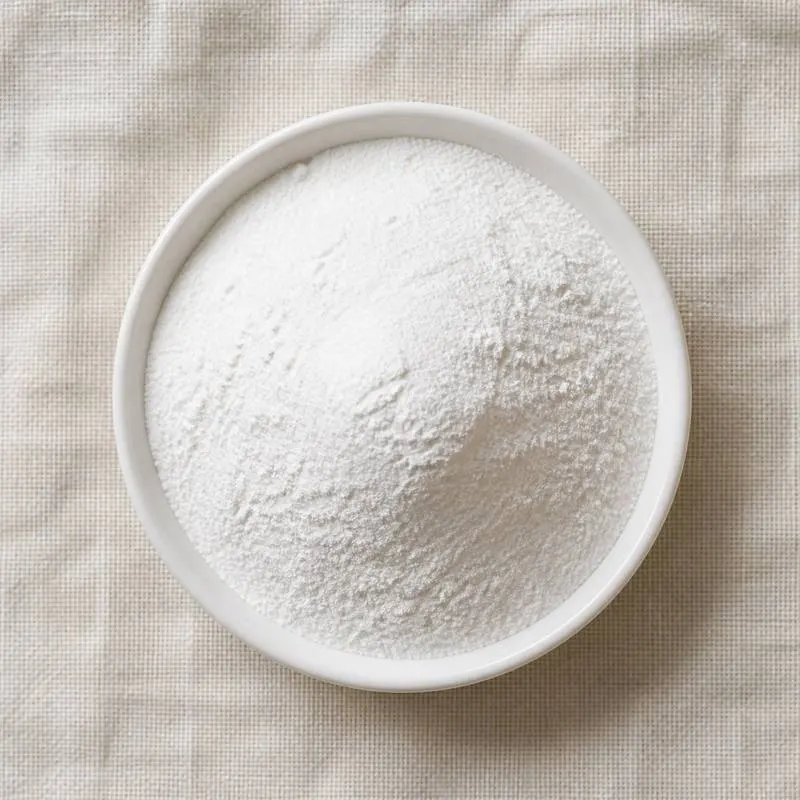
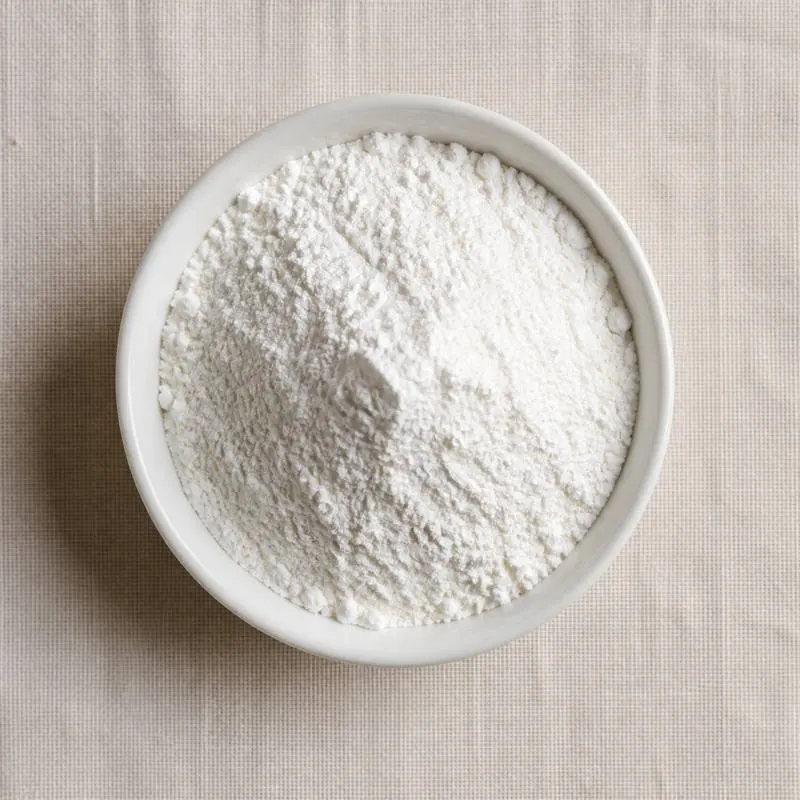
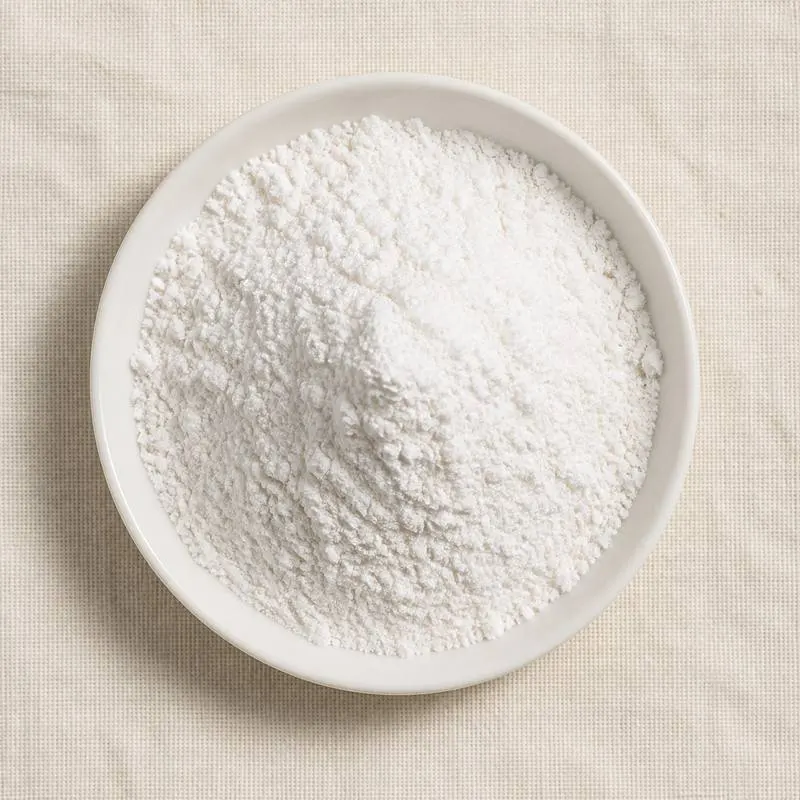
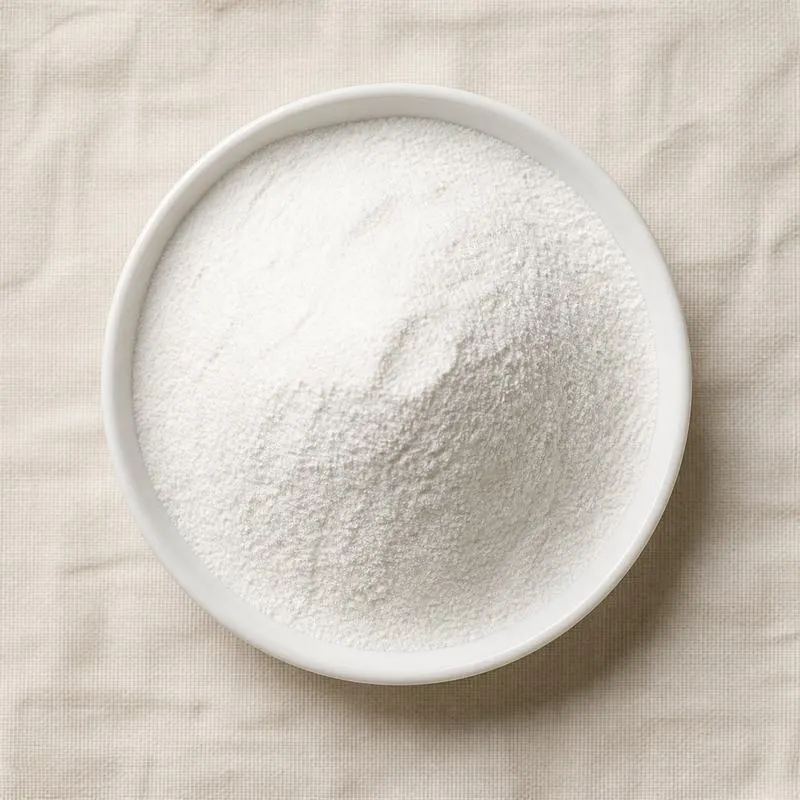
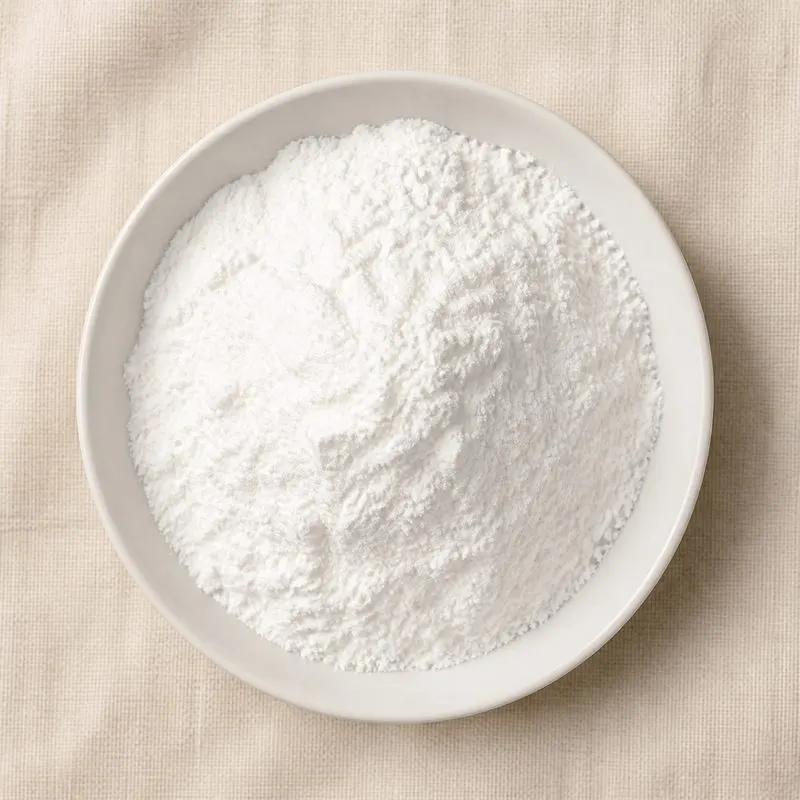
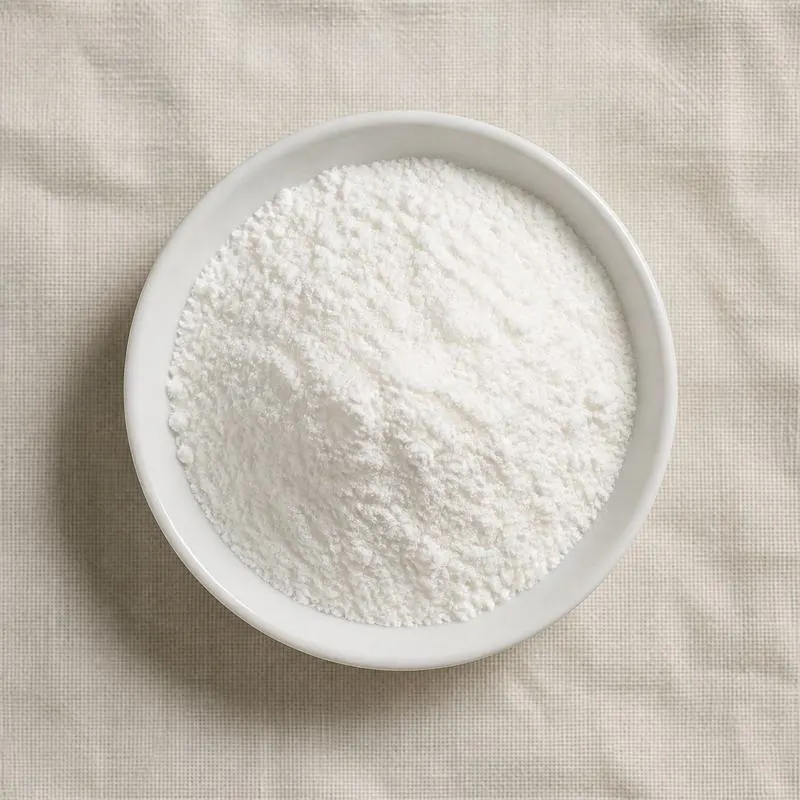
Instant corn flour is maize flour whose starch has already been gelatinised, so that it hydrates and thickens in cold or warm water without any further cooking. It is made by cooking milled maize and drying the cooked mass, on a heated drum or by extrusion, then grinding the dried sheet or pellet back to a flour.
The difference from ordinary corn flour is entirely physical. In raw flour the starch is locked in semi crystalline granules that will not absorb water until they are heated past 62 to 75 degrees Celsius. Cooking destroys that crystalline order, and drying the paste before the chains can fully re associate leaves the starch in an amorphous, water accessible state. The resulting flour swells immediately on contact with water, builds viscosity at ambient temperature, and disperses to a smooth paste rather than a lumpy slurry if it is wetted properly.
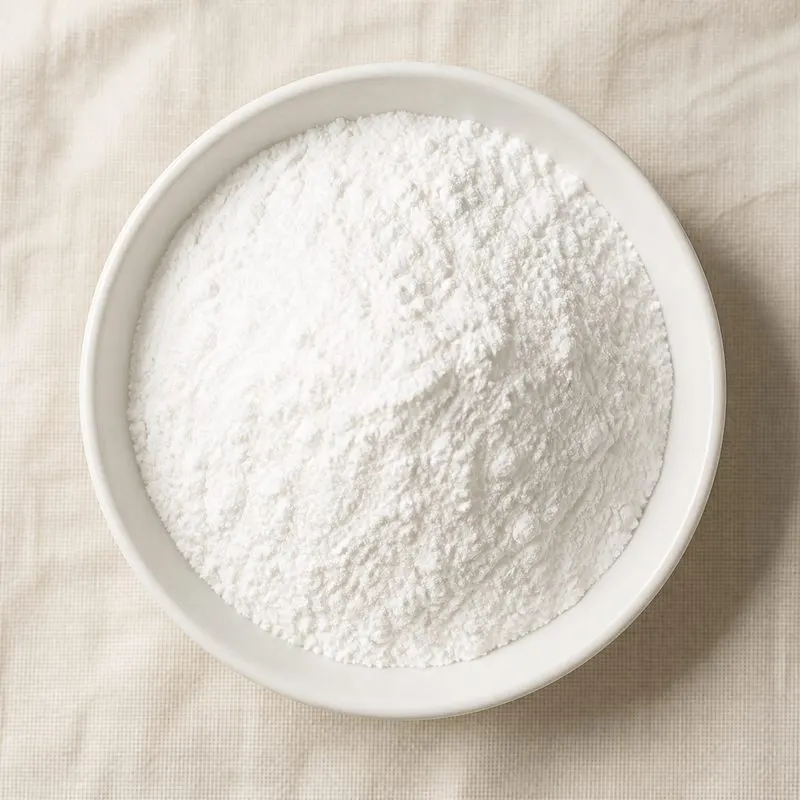
Nixtamalised instant corn flour, better known as masa harina, is a distinct and much larger article made the same way but with an alkaline cook: the maize is boiled and steeped in lime before milling, which loosens the pericarp, changes the flavour, alters the starch and protein interactions so the flour forms a cohesive dough, and releases bound niacin. The material is a free flowing powder, white to yellow according to variety, coarser than ordinary flour because instant flours are deliberately ground coarse to avoid lumping.
We source bulk Instant Corn Flour from top China manufacturers for our partners. The manufacturer is in Guangdong. A smaller requirement can ship in a combined container with other ingredients.
Please send the grade you need, the volume and your destination port, and we will come back with a solution and a price.
or call +86-21-6858 0751
- Function
- Texturisers
Specifications
| Item | Specification |
|---|---|
| Appearance | Free flowing powder, white to yellow according to variety, free of foreign matter |
| Odour and taste | Characteristic cooked maize, no musty or rancid note |
| Degree of gelatinisation | 90 percent minimum |
| Cold water absorption | Conforms to agreed grade range |
| Particle size, through 60 mesh | 90 percent minimum |
| Moisture | 10.0 percent maximum |
| Protein, nitrogen times 6.25, dry basis | 7.0 percent minimum |
| Fat, degermed grade | 1.5 percent maximum |
| Ash, dry basis | 1.5 percent maximum |
| Free fatty acids, as oleic | 0.1 percent maximum |
| Aflatoxin B1 | 2 micrograms per kg maximum |
| Total fumonisins B1 and B2 | 1000 micrograms per kg maximum |
| Lead | 0.2 mg/kg maximum |
| Total plate count | 10000 cfu/g maximum |
| Yeast and mould | 500 cfu/g maximum |
| E. coli | Absent in 1 g |
| Salmonella | Absent in 25 g |
Common Markets Grades
The first split is nixtamalised against plain. Nixtamalised instant flour, or masa harina, is made for tortillas, tamales and related products and is graded by particle size distribution against the intended product, with coarser grinds for tamales and finer for tortillas and tortilla chips. Plain pregelatinised maize flour, cooked without lime, is used as a thickener, binder and extrusion aid and is graded by cold water viscosity and water absorption.
The drying route is the second variable. Drum dried flour, cooked as a thin film on a heated roll, is fully gelatinised, hydrates fast and gives high cold viscosity. Extrusion cooked flour is generally less completely gelatinised, disperses better and gives a lower, smoother viscosity, and is cheaper to produce at scale. Beyond these, whole grain and degermed versions are both made, with degermed the standard because the germ oil limits shelf life, and white, yellow and blue maize lines are traded separately on colour. Organic and non genetically modified certified grades are produced from identity preserved maize.
Applications
- Tortillas, tortilla chips and taco shells, in the nixtamalised grade, where the flour is simply rehydrated into a dough
- Tamales, arepas, pupusas and related maize doughs, requiring no separate cooking step
- Instant porridge, gruel and breakfast cereals reconstituted with hot water
- Infant and toddler cereals, where the pregelatinised starch is easily digested and needs no cooking
- Soups, sauces and gravy mixes, thickening on rehydration without a cook stage
- Batters and coatings, contributing adhesion and body in cold mixed systems
- Extruded snacks and pellets, as a pregelatinised feed that hydrates quickly in the barrel
- Bakery, as a moisture binder and crumb softener in maize based and gluten free products
- Meat and sausage products, binding water in a cold worked mix
- Pet food and animal feed, improving starch digestibility and pellet binding
China Manufacturers of Instant Corn Flour
Top Instant Corn Flour manufacturers in China.

Company names and logos are the property of the manufacturers themselves. They are listed here because our own directory records them as producing this ingredient. A listing is not an endorsement by them, and we do not represent them or speak on their behalf.
Regulatory Status
Instant corn flour is a food, not a food additive. The gelatinisation is a purely physical treatment, so the flour is not a modified starch in the regulatory sense and carries no E number and no food additive citation. In the United States the standards of identity for corn products in 21 CFR part 137 cover corn flour and masa flour; they describe the nixtamalisation treatment and the permitted use of lime, and enriched versions must meet the specified vitamin and mineral levels. Calcium hydroxide used in the alkaline cook is a permitted processing aid and contributes calcium that appears in the nutrition declaration.
In the European Union the flour is a cereal food regulated under general food law rather than the additives framework. The binding limits are those in the contaminants legislation, since maize is prone to fumonisins, aflatoxins, zearalenone and deoxynivalenol, and maximum levels for these in maize based foods are laid down there. Codex maintains standards for maize and for maize meal and grits covering composition and quality, alongside its general standard for contaminants. Maize is not a declarable allergen and instant corn flour is naturally free of gluten, although shared milling lines require cross contact controls where a gluten free claim is made.
Manufacturing Process
Plain instant maize flour begins with cleaned, tempered and degerminated maize milled to a flour or fine meal. The flour is slurried with water, or moistened and steam conditioned, and cooked. In drum drying the cooked slurry is applied as a thin film to the surface of a steam heated rotating drum, where it gelatinises and dries within a single revolution, and is scraped off by a doctor blade as a brittle sheet. In extrusion the moistened flour is fed to a twin screw extruder, where mechanical shear and barrel heat gelatinise the starch under pressure, and the melt is discharged through a die, cut and dried. Either way the dried intermediate is milled and screened to the target particle size, with the grind deliberately kept coarse enough that the flour disperses rather than forming lumps on wetting.
Nixtamalised flour requires an extra front end. Whole maize is cooked in water containing about one percent calcium hydroxide at close to boiling for a short period, then steeped for several hours as it cools. The alkali loosens the pericarp, partially gelatinises the outer starch, saponifies some of the germ lipid and releases bound niacin. The steeped grain, now called nixtamal, is washed to remove the loosened hull and excess lime, then milled wet between stone or carborundum discs to a masa dough. That dough is flash dried or drum dried to about 10 percent moisture, milled and screened to the required granulation, passed over a magnet and metal detector and packed in moisture barrier bags, since a pregelatinised flour picks up water readily.