Instant Soybean
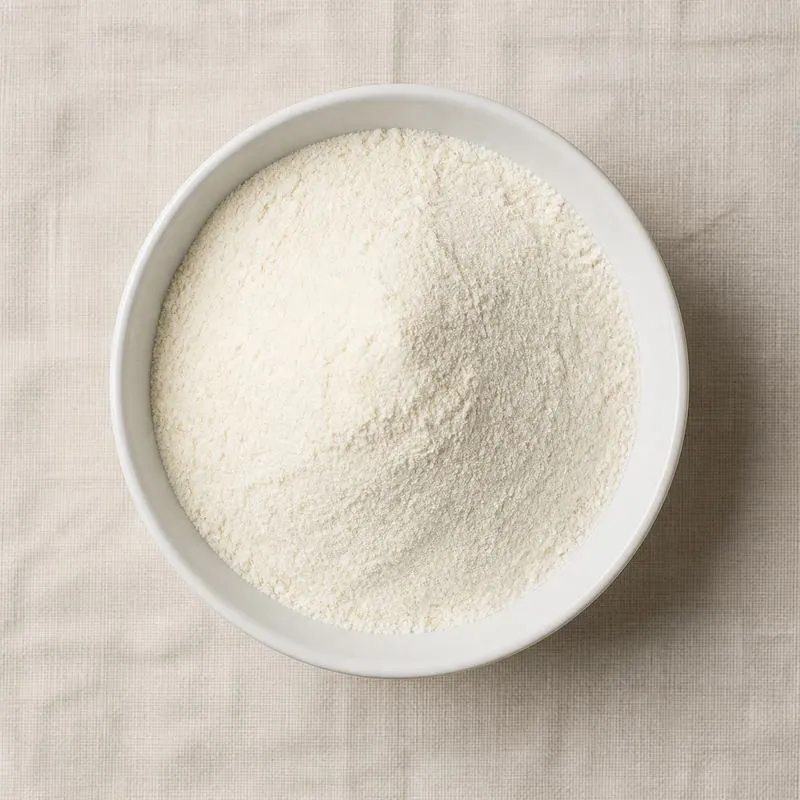
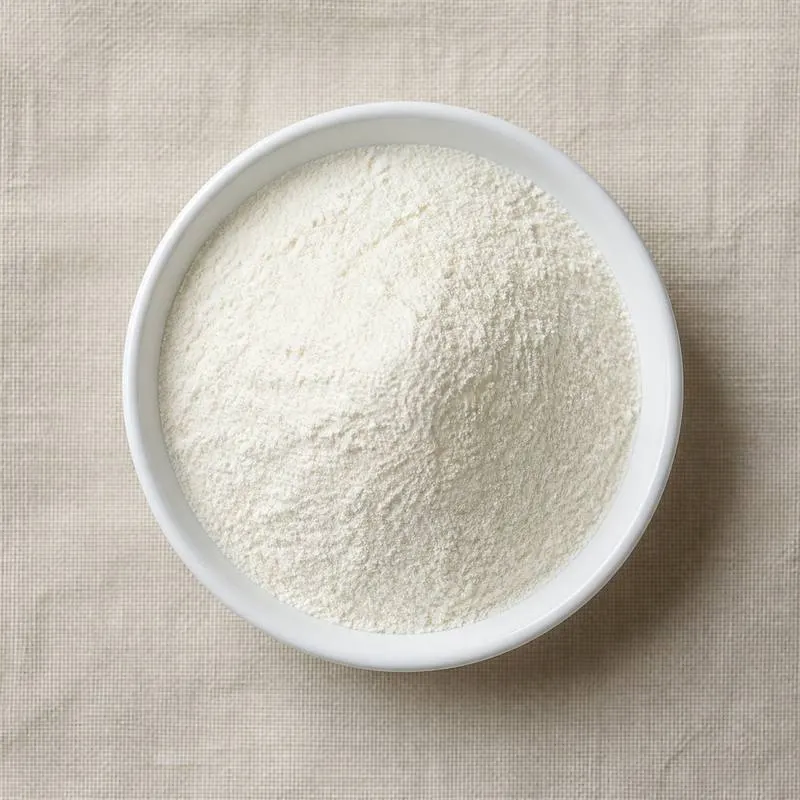
Instant soybean powder is whole soybean, Glycine max, processed into a dry powder that reconstitutes in hot or warm water into a soy drink without cooking, filtering or straining.
Because the whole dehulled bean is used rather than an extracted protein fraction, the powder keeps the bean's natural composition, roughly 38 to 42 percent protein, 18 to 20 percent oil and a substantial soluble and insoluble carbohydrate fraction, and it delivers the full set of soy proteins rather than an isolated globulin. Two heat sensitive problems decide how it is made. Trypsin inhibitors must be destroyed by adequate thermal treatment, and lipoxygenase must be inactivated quickly, since it is the enzyme that generates the green beany aldehydes as soon as the bean is wetted and broken.
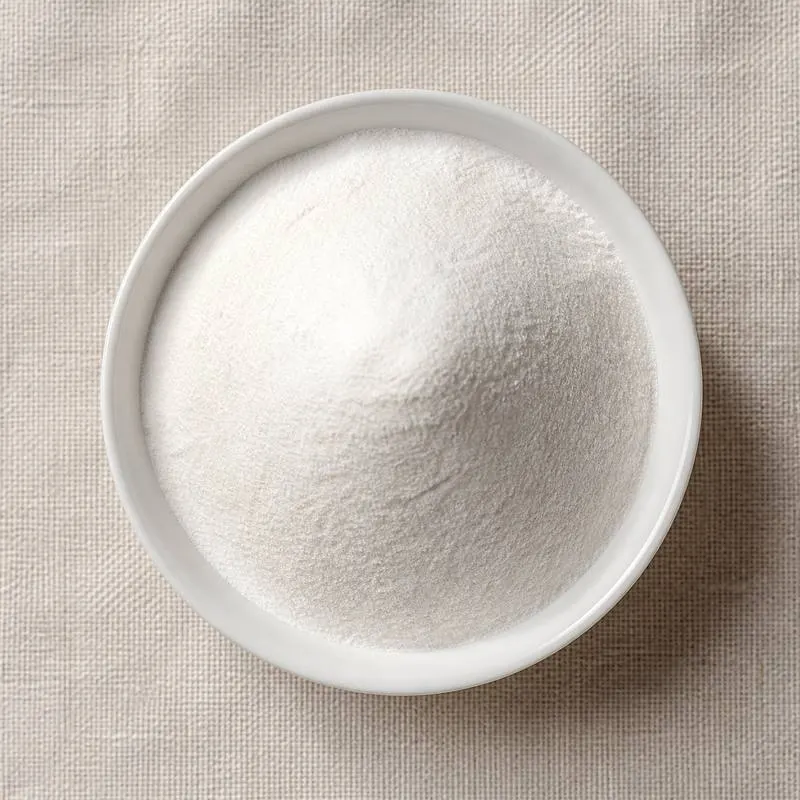
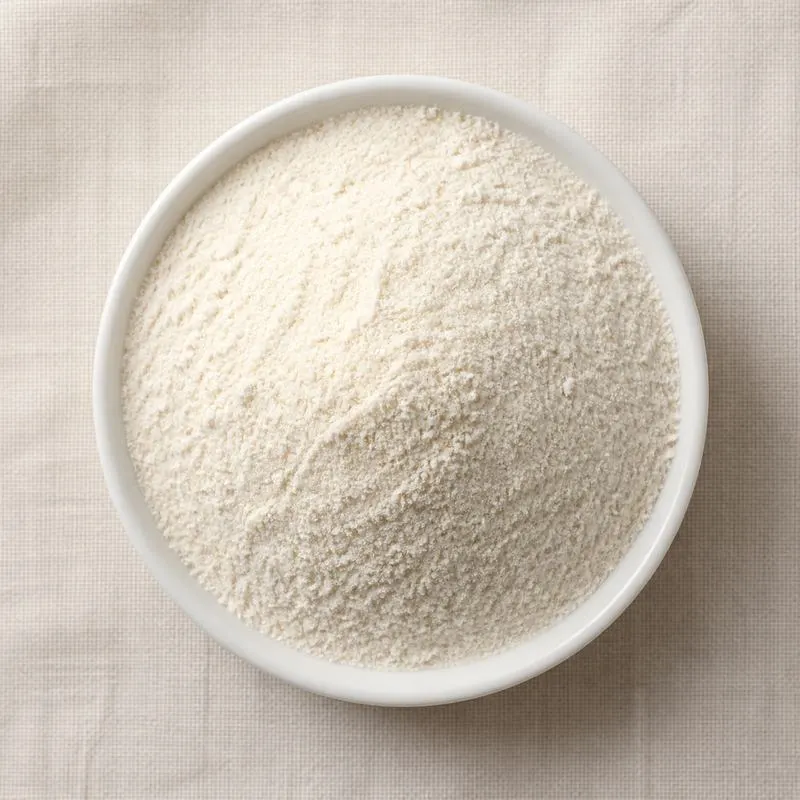
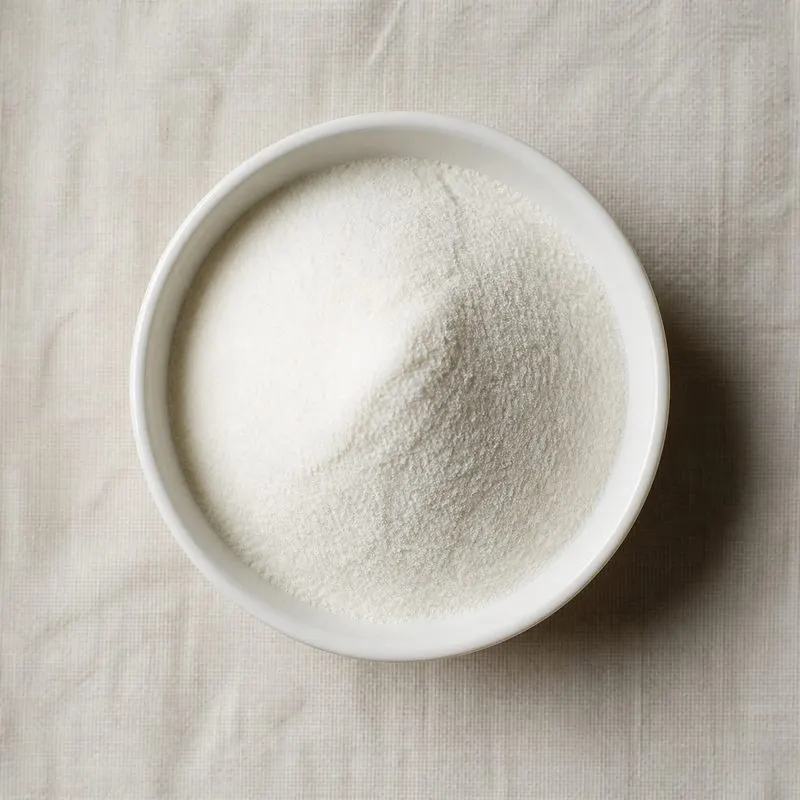
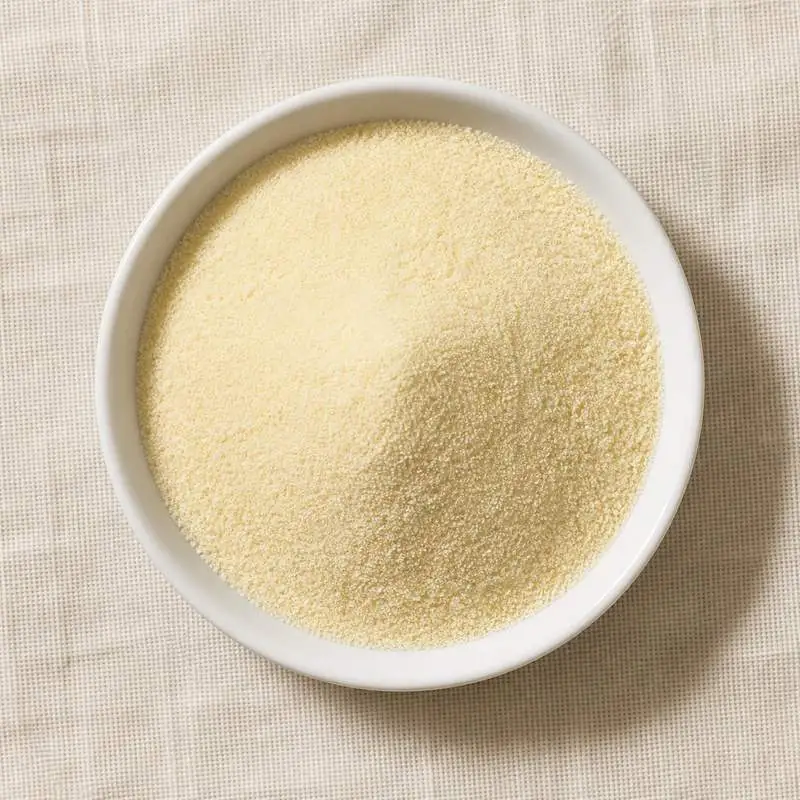
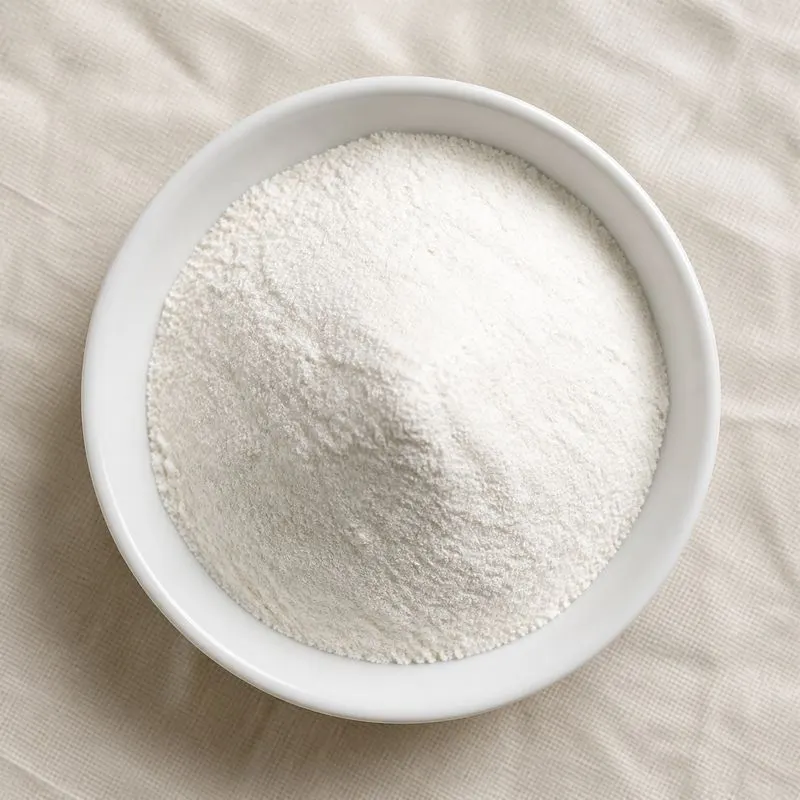
The finished powder is cream to light yellow, agglomerated into porous granules rather than milled fine, and instantised with lecithin so that particles wet through instead of floating and forming lumps. It disperses in water at 60 degrees Celsius and above to a stable opaque suspension, not a true solution, since the insoluble fibre and the fat globules remain dispersed. Okara free versions, made by removing the insoluble residue before drying, give a smoother drink and a lower fibre declaration.
We source bulk Instant Soybean from top China manufacturers for our partners. The manufacturer is in Guangdong. A smaller requirement can ship in a combined container with other ingredients.
Please send the grade you need, the volume and your destination port, and we will come back with a solution and a price.
or call +86-21-6858 0751
- Function
- Protein
Specifications
| Item | Specification |
|---|---|
| Appearance | Cream to light yellow agglomerated free flowing powder |
| Odour and Taste | Characteristic cooked soybean note, free from raw beany or rancid odour |
| Protein (N x 6.25, dry basis) | Minimum 38.0% |
| Fat (full fat grade) | 18.0 to 22.0% |
| Moisture | Maximum 5.0% |
| Ash | Maximum 6.0% |
| Crude Fibre | Maximum 4.0% |
| Urease Activity | Maximum 0.02 pH units, indicating adequate heat treatment |
| Dispersibility | Complete dispersion within 30 seconds at 80 degrees Celsius |
| Peroxide Value | Maximum 5.0 meq/kg fat |
| Lead | Maximum 0.5 mg/kg |
| Total Plate Count | Maximum 30,000 cfu/g |
| Yeast and Mould | Maximum 100 cfu/g |
| Escherichia coli and Salmonella | Absent in 25 g |
Common Markets Grades
The main division is between full fat and defatted powder. Full fat instant soybean powder carries the bean's own oil and gives a richer mouthfeel but a shorter shelf life, since the unsaturated oil oxidises, while defatted powder made from press cake keeps longer and is used where fat is added back separately. Whole bean powder retaining the okara fibre is distinguished from filtered soy milk powder, in which the insoluble residue is separated before drying.
Beyond that, grades are set by whether the product is plain or formulated. Plain powder carries nothing but soybean, and sweetened, calcium fortified and blended versions add sugar, maltodextrin, mineral salts or non dairy creamer, which changes the protein declaration accordingly. Buyers also choose between non genetically modified identity preserved and conventional beans, organic certified material, and dehulled against whole bean processing, the latter giving a darker powder with higher fibre. Particle size and instantising treatment are specified through a dispersion time test rather than through mesh alone.
Applications
- Instant soy milk sachets and jars prepared at home with hot water
- Hotel, catering and vending beverage systems, where a powder avoids the cold chain a liquid soy drink needs
- Breakfast cereal and porridge blends, contributing plant protein and a creamy body on reconstitution
- Nutritional and meal replacement powders for elderly and convalescent consumers
- Bakery formulations, where soy powder raises protein and improves crumb softness and moisture retention
- Infant and toddler complementary foods in markets where soy is an accepted base
- Dairy alternative bases for cultured products, fermented in the same way as a liquid soy base
- Confectionery and dessert fillings, where full fat powder contributes fat and protein together
- Institutional feeding and food aid programmes, where a shelf stable protein powder is easier to distribute than liquid
- Blended plant protein drinks combining soy powder with grain, nut or seed powders
China Manufacturers of Instant Soybean
Top Instant Soybean manufacturers in China.
Company names and logos are the property of the manufacturers themselves. They are listed here because our own directory records them as producing this ingredient. A listing is not an endorsement by them, and we do not represent them or speak on their behalf.
Regulatory Status
In the United States soybean products of this kind are conventional foods used under good manufacturing practice, with no food additive listing required, and labelling follows the standard requirements for the ingredient statement and nutrition panel. Soybeans are one of the major food allergens named in the Food Allergen Labelling and Consumer Protection Act, so soy must be declared. Where a product is presented as a milk alternative the Food and Drug Administration has issued guidance on the naming of plant based products, and any nutrient content or health claim, including the authorised soy protein and coronary heart disease claim, must satisfy its stated conditions.
In the European Union soybean powder is a food ingredient with no E number, and soybeans appear in Annex II of Regulation (EU) No 1169/2011, so they must be emphasised in the ingredient list. Genetically modified beans trigger the labelling and traceability requirements for genetically modified food, which is why identity preserved and organic lots ship with segregation records. The names milk, cream and yoghurt are reserved for dairy products under the common market organisation rules, so plant drinks are named accordingly. Codex maintains a standard for vegetable protein products and a general standard for contaminants that governs the levels applying to the beans themselves.
Manufacturing Process
Cleaned soybeans are graded, dehulled after a short conditioning step, and then given the heat treatment that determines product quality. Most plants blanch or steam the dehulled cotyledons immediately on wetting, which denatures lipoxygenase before it can act on the oil, and the same thermal history inactivates trypsin inhibitors. The treated beans are wet ground with hot water into a slurry, which is cooked further to complete inactivation and to develop a cooked rather than raw flavour.
Where a smooth drink is required the slurry is passed through a decanter centrifuge or screen to remove okara, the insoluble fibre residue, which is recovered separately as a feed or fibre ingredient, while whole bean products carry it through. The slurry is then deodorised under vacuum to strip volatile beany notes, homogenised to reduce fat globule size and stabilise the suspension, and standardised with sugar, lecithin or mineral salts where the formulation calls for it. Spray drying in a tower fitted with a fluid bed produces a porous agglomerated particle, and lecithin is sprayed on during agglomeration to make the surface wettable. The powder is cooled, sieved, checked for metal and filled into moisture and oxygen barrier packs, since the fat fraction is the limiting factor on shelf life.