Interesterified Oil
Interesterified oil is a fat whose fatty acids have been redistributed across the glycerol backbones of the triglyceride mixture, changing the melting and crystallisation behaviour of the blend without altering the fatty acid composition itself.
A blend of a liquid oil and a hard fat melts and sets according to which fatty acids sit on which glycerol molecules. Interesterification breaks the ester bonds and reforms them, either at random or at defined positions, so that a blend that would otherwise behave as two separate fats becomes a single fat with an intermediate and much broader melting profile. The saturated and unsaturated content stays exactly as it was; only the distribution changes. This is what allows a firm, plastic, trans-free fat to be built from fully hydrogenated hardstock and liquid oil, and it is why the technique replaced partial hydrogenation as the route to structured fats.
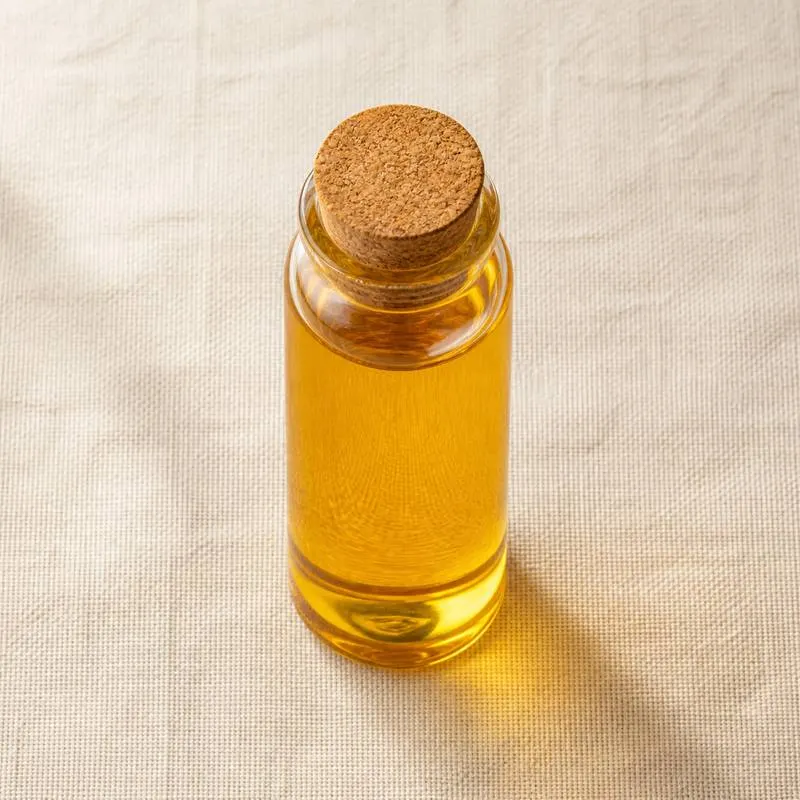
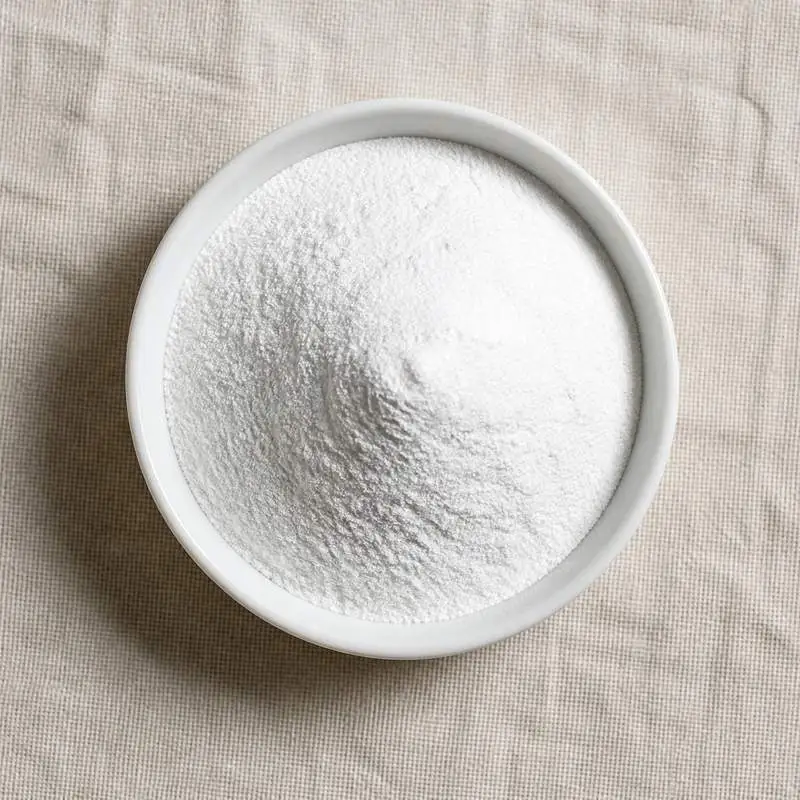
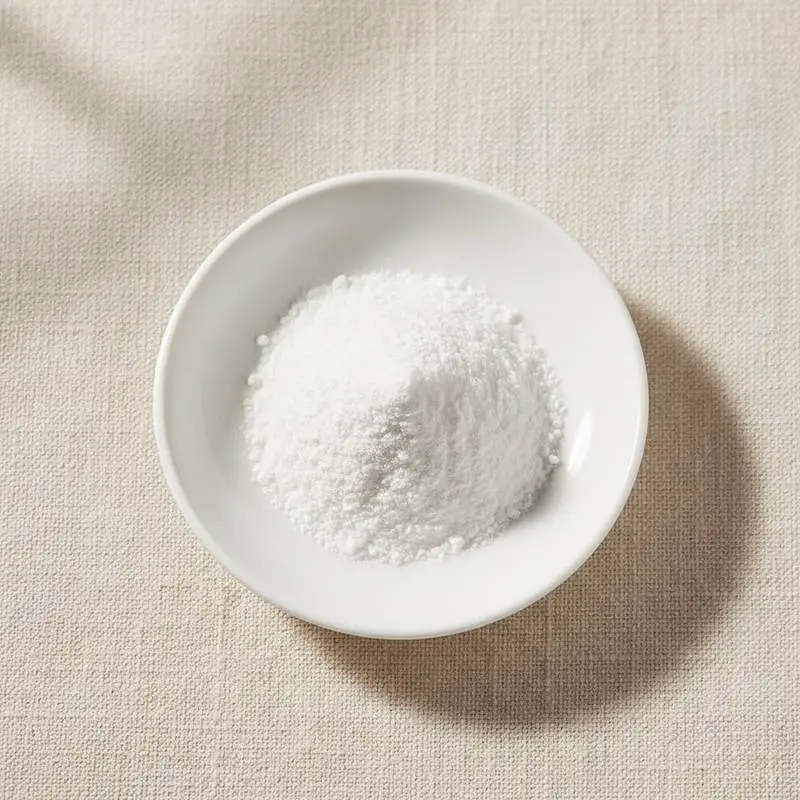
The product trades as flakes, pastilles, blocks or as hot bulk liquid, ranging from soft and pourable to hard and brittle depending on the ratio of hardstock to liquid oil. It is insoluble in water and miscible with other fats. Because ester rearrangement alters crystal habit, an interesterified fat usually crystallises in the beta prime form, giving the fine, smooth crystal network that shortenings and margarines require, and it typically shows slower post-crystallisation hardening than the equivalent physical blend.
We source bulk Interesterified Oil from top China manufacturers for our partners. The manufacturer is in Zhejiang. A smaller requirement can ship in a combined container with other ingredients.
Please send the grade you need, the volume and your destination port, and we will come back with a solution and a price.
or call +86-21-6858 0751
- Function
- Nutraceutical
Specifications
| Item | Specification |
|---|---|
| Appearance | White to cream flakes or solid fat, free from foreign matter |
| Odour and taste | Bland and neutral, free from rancidity |
| Slip melting point | 38 to 42 degrees Celsius |
| Solid fat content at 10 degrees Celsius | 45 to 55 percent |
| Solid fat content at 20 degrees Celsius | 25 to 35 percent |
| Solid fat content at 35 degrees Celsius | Not more than 8 percent |
| Free fatty acid as oleic | Not more than 0.1 percent |
| Peroxide value | Not more than 1.0 meq/kg |
| Moisture and volatile matter | Not more than 0.1 percent |
| Soap content | Not more than 30 mg/kg |
| Monoglycerides and diglycerides | Not more than 3.0 percent |
| Trans fatty acids | Not more than 1.0 percent of total fatty acids |
| Colour, Lovibond 5.25 inch | Not more than 2.0 red |
| Lead | Not more than 0.1 mg/kg |
| Arsenic | Not more than 0.1 mg/kg |
Common Markets Grades
The primary distinction is between chemically and enzymatically interesterified fat. Chemical interesterification with an alkali metal catalyst is random, redistributing fatty acids across all three positions, and is the lower cost route used for bulk shortening and margarine hardstocks. Enzymatic interesterification with an sn-1,3 specific lipase leaves the middle position of the glycerol untouched, so the fatty acid at position two is retained; this positional control is what allows cocoa butter equivalents, sn-2 palmitate infant formula fats and specialty confectionery fats to be made, and those grades sell at a large premium.
Within each route, grades are specified by the feedstock blend, by slip melting point and by the solid fat content curve measured at 10, 20, 30 and 35 degrees Celsius, which is the number a formulator actually buys on. Typical trade grades run from soft margarine fats melting near 32 degrees Celsius through bakery shortening bases at 38 to 44 degrees to hard filling and coating fats above 50 degrees. Feedstock declarations matter commercially as well, with palm-free, non-genetically-modified and segregated sustainable palm versions traded separately.
Applications
- Margarine and fat spread hardstocks, replacing partially hydrogenated fat as the structuring phase
- Bakery shortenings for laminated pastry and puff dough, where the broad plastic range is the requirement
- Cake and cream fats, which use the fine beta prime crystal network for aeration
- Biscuit and wafer filling fats, formulated to resist oil migration and bloom
- Cocoa butter equivalents and substitutes for compound coatings, made by enzymatic routes
- Infant formula fat blends supplying palmitic acid at the middle glycerol position, mimicking human milk fat
- Non-dairy creamers and whipping bases, where the melting profile controls foam stability
- Frying fats and par-fry coatings requiring a defined solid content at ambient temperature
- Ice cream and frozen dessert fats formulated for a clean melt without waxiness
- Culinary fats and ghee substitutes made to a target texture at tropical ambient temperatures
China Manufacturers of Interesterified Oil
Top Interesterified Oil manufacturers in China.

Company names and logos are the property of the manufacturers themselves. They are listed here because our own directory records them as producing this ingredient. A listing is not an endorsement by them, and we do not represent them or speak on their behalf.
Regulatory Status
In the United States interesterified fats are foods rather than food additives, and are handled under the general provisions covering edible fats and oils; the catalysts and enzymes are processing aids that must themselves be permitted, with sodium methoxide residues removed by the washing step and immobilised lipases used under enzyme preparation clearances or GRAS conclusions. There is no requirement to declare interesterification on the ingredient statement, so the material appears simply as the named oil or as vegetable oil. Fully hydrogenated components used in the blend remain permitted, unlike partially hydrogenated oils, which the FDA determined in 2015 are no longer generally recognised as safe.
In the European Union interesterified oils are likewise foods rather than additives and carry no E number. Labelling under Regulation (EU) No 1169/2011 requires the vegetable origin of the oil to be named, and the trans fat limit of Regulation (EU) 2019/649 applies to the finished fat, which interesterified products satisfy comfortably since the process generates no trans isomers. Regulation (EC) No 1332/2008 governs the enzyme preparations used. Codex Alimentarius covers the products through the Standard for Named Vegetable Oils and the Standard for Fats and Oils not Covered by Individual Standards, both of which set quality parameters such as acid value, peroxide value and unsaponifiable matter, and the Codex Code of Practice for the Storage and Transport of Edible Fats and Oils in Bulk applies in trade.
Manufacturing Process
The feedstock is a blend of refined, bleached and deodorised oils, commonly a fully hydrogenated hardstock or a palm stearin together with a liquid oil such as soya, rapeseed, sunflower or palm olein. The blend must be dried to below about 0.02 percent moisture and stripped of free fatty acid, peroxide and soap, because all of these poison the catalyst. In the chemical route, sodium methoxide is dosed at 0.05 to 0.3 percent into the dry oil at 80 to 110 degrees Celsius under vacuum or nitrogen. The catalyst forms a glycerolate species that opens and reforms ester bonds through a series of exchanges until the fatty acid distribution reaches equilibrium, which takes 30 to 60 minutes. The reaction is stopped by adding water or dilute acid, which kills the catalyst, and the resulting soaps and catalyst residues are washed out and separated centrifugally.
In the enzymatic route the dried blend is pumped through a packed bed of immobilised sn-1,3 specific lipase at 60 to 80 degrees Celsius, with residence time rather than catalyst dose setting the degree of conversion. No washing step is needed because nothing is added to the oil, and the enzyme bed is used continuously over several months before replacement. Either product then goes through the same finishing train: bleaching with activated earth to remove colour and traces of soap or partial glycerides, filtration, and deodorisation by steam stripping under high vacuum at 200 to 240 degrees Celsius to remove free fatty acids and odours. The finished fat is either held hot for bulk loading or crystallised in a scraped surface heat exchanger and flaked, prilled or filled into blocks.