Iron Stick Yam
Iron stick yam is a slender-tubered landrace of Chinese yam, Dioscorea polystachya, grown mainly on the alluvial soils of Wenxian and neighbouring counties in Henan province, and traded both as a fresh vegetable and as a dried nutraceutical raw material.
The name describes the tuber: 30 to 80 centimetres long, rarely more than three centimetres across, with a rough brown skin marked by rust-coloured rings and a dense, low-moisture white flesh that snaps rather than bends. Composition is dominated by starch, typically 15 to 20 percent of the fresh weight, with the characteristic slippery mucilage made up of glycoprotein and mannan-rich polysaccharide, together with allantoin, free amino acids, choline and dioscin-type saponins at low levels. Compared with the fat, watery yams grown for the table, the iron stick type has higher dry matter and a firmer, powdery cooked texture, which is why it is the preferred source for dried slices and powder.
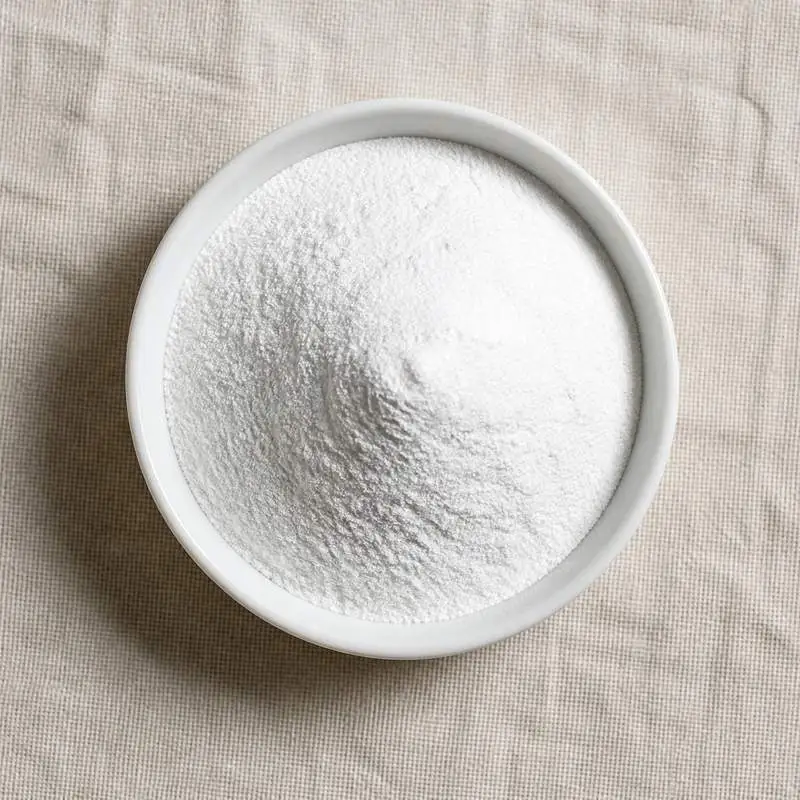
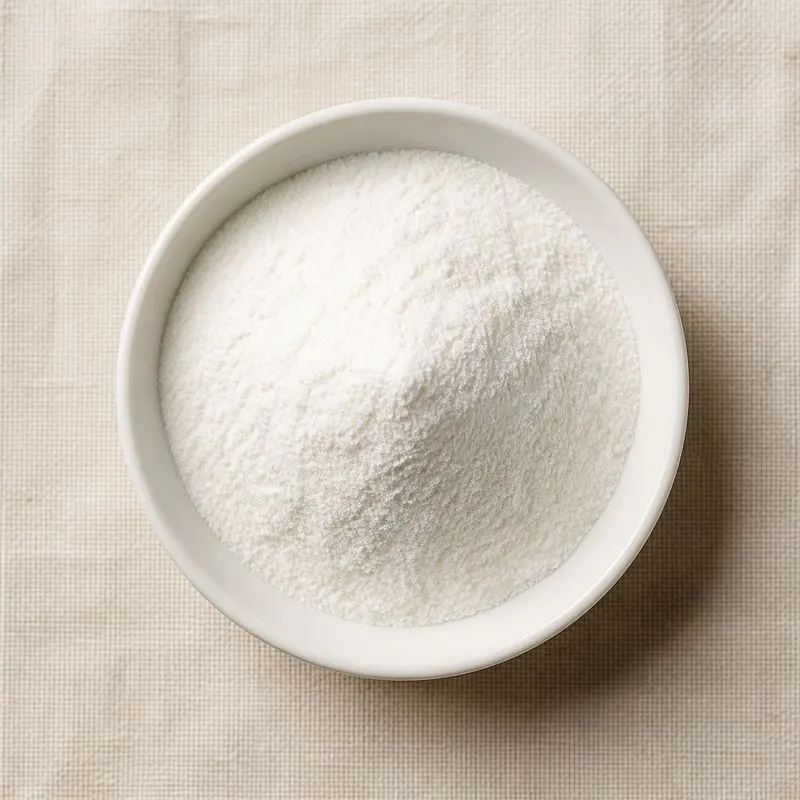
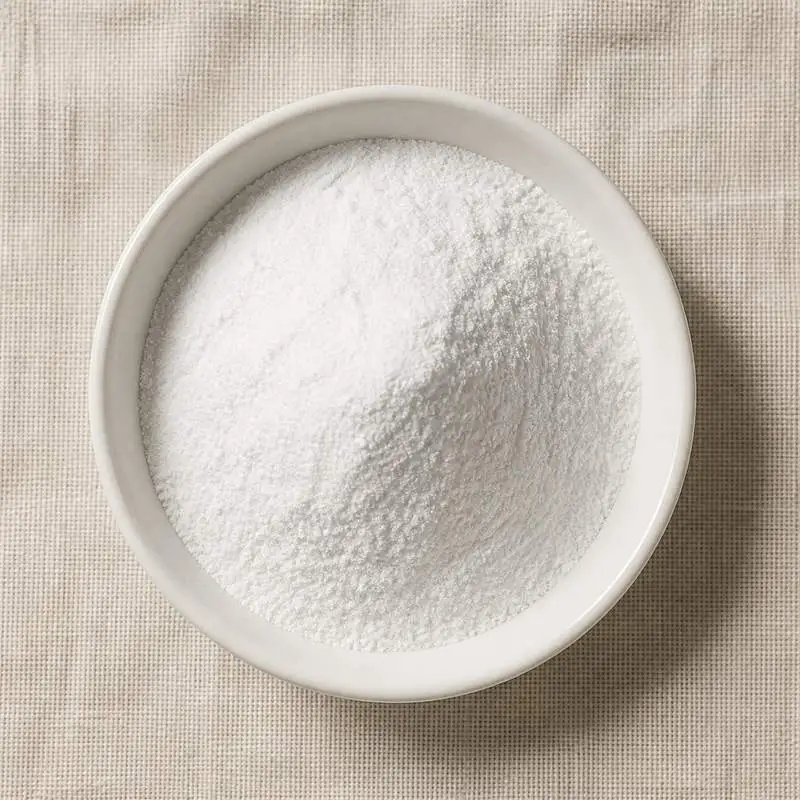
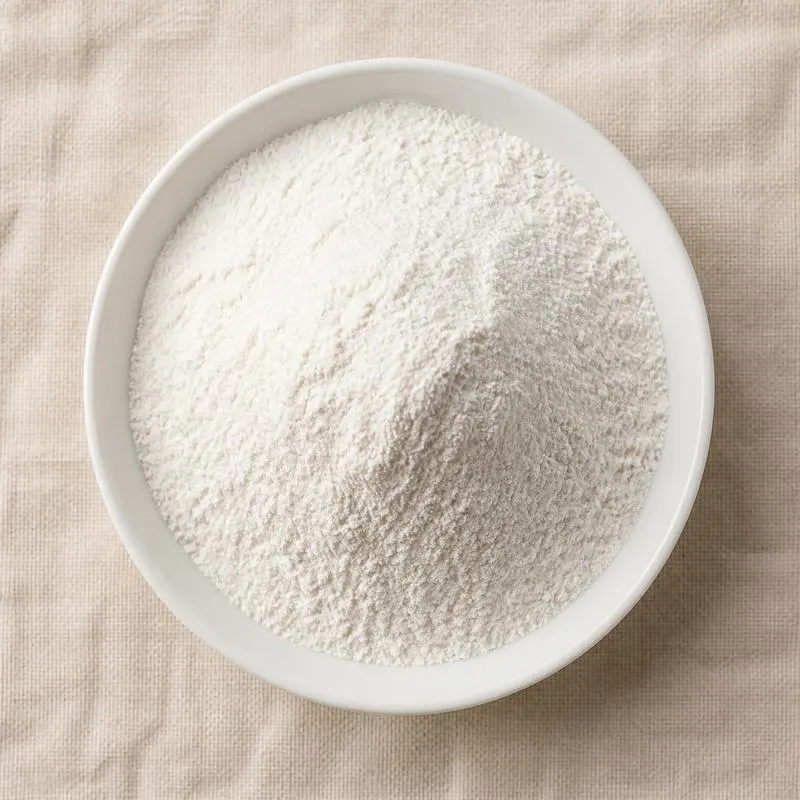
The dried ingredient comes as pale cream slices or as a fine white to off-white powder with a faint sweet cereal odour. The starch fraction is insoluble in cold water and gelatinises on cooking, while the mucilage dissolves to give a viscous, slightly stringy solution that is sensitive to shear and to prolonged heating. Peeled fresh tuber browns quickly through polyphenol oxidase activity, so processing lines blanch or sulphite-dip the material within minutes of peeling.
We source bulk Iron Stick Yam from top China manufacturers for our partners. The manufacturer is in Henan. A smaller requirement can ship in a combined container with other ingredients.
Please send the grade you need, the volume and your destination port, and we will come back with a solution and a price.
or call +86-21-6858 0751
- Function
- Nutraceutical
Specifications
| Item | Specification |
|---|---|
| Appearance | White to off-white fine powder, free from foreign matter |
| Odour and taste | Faint sweet cereal odour, bland taste |
| Botanical source | Dioscorea polystachya, dried tuber |
| Identification | Conforms by microscopy and TLC; species confirmed by DNA barcoding |
| Polysaccharides | Not less than 10.0 percent |
| Starch | Not less than 55.0 percent on dry basis |
| Loss on drying | Not more than 10.0 percent |
| Total ash | Not more than 4.0 percent |
| Acid insoluble ash | Not more than 1.0 percent |
| Particle size | Not less than 95 percent through 80 mesh |
| Sulphur dioxide residue | Not more than 30 mg/kg |
| Lead | Not more than 1.0 mg/kg |
| Arsenic | Not more than 0.5 mg/kg |
| Cadmium | Not more than 0.3 mg/kg |
| Total plate count | Not more than 10,000 cfu/g |
| Yeast and mould | Not more than 500 cfu/g |
| E. coli | Negative in 1 g |
| Salmonella | Negative in 25 g |
Common Markets Grades
Fresh tubers are graded by length, diameter, straightness and freedom from forking and skin damage, with produce from the recognised growing area carrying a geographical premium over yam of the same species grown elsewhere. Below the fresh grade sits the classical dried article, made by peeling, slicing and drying the tuber, and traded as bleached white slices or as unbleached natural slices; sulphur dioxide residue is the specification that separates the two and is the point on which export lots most often fail.
Processed grades are milled powder at 80 to 200 mesh, sold either as a plain dried tuber powder or as a pre-gelatinised instant powder for beverage use, and aqueous extracts standardised on polysaccharide content at 10, 20 or 30 percent. Freeze dried slices and powder are a small higher priced segment where colour and mucilage integrity matter. Because several Dioscorea species are milled to a visually identical white powder, species identification testing is a standard part of the specification for powdered grades.
Applications
- Instant beverage and porridge powders, where the starch and mucilage supply body without added hydrocolloid
- Herbal tonic capsules and tablets in the digestive and spleen support category
- Infant and toddler complementary foods, valued for a bland flavour and easily digested starch
- Elderly and convalescent nutrition powders, where the thickened texture aids swallowing
- Soup and congee bases, added as dried slices that soften during cooking
- Bakery and steamed bun formulations, replacing part of the wheat flour for texture and moisture retention
- Fermented dairy and plant-based drinks, using the polysaccharide as a natural stabiliser
- Herbal decoction blends combined with poria, lotus seed and coix in the traditional formula trade
- Skin care actives, where the mucilaginous polysaccharide fraction is used as a humectant and film former
China Manufacturers of Iron Stick Yam
Top Iron Stick Yam manufacturers in China.
Company names and logos are the property of the manufacturers themselves. They are listed here because our own directory records them as producing this ingredient. A listing is not an endorsement by them, and we do not represent them or speak on their behalf.
Regulatory Status
In the United States Chinese yam is handled as a food and, in supplement form, as a botanical dietary ingredient under the Dietary Supplement Health and Education Act; the tuber has a long history of food use, so a conventional food application is generally straightforward, while any concentrated extract carries the manufacturer's own safety substantiation. Imported dried slices are subject to FDA import screening, with sulphite residues requiring declaration where they exceed the labelling threshold, and pesticide residues assessed against Environmental Protection Agency tolerances. There is no standard of identity and no GRAS affirmation specific to the species.
In the European Union Dioscorea polystachya tuber has been consumed as a vegetable and is not treated as a novel food in its whole or simply dried form, though a concentrated polysaccharide extract offered as a new preparation would be assessed under Regulation (EU) 2015/2283. Sulphur dioxide and sulphite residues are controlled as additives under Regulation (EC) No 1333/2008 with mandatory allergen-style labelling above ten milligrams per kilogram under Regulation (EU) No 1169/2011, which is the practical constraint on bleached dried slices entering the market. Codex Alimentarius provides no commodity standard for yam beyond the general standards for contaminants and food additives, and pesticide maximum residue limits for yam are set in the Codex pesticide residue database. JECFA has not evaluated the material.
Manufacturing Process
Tubers are lifted by trench digging in autumn, since the length and brittleness of the root make mechanical harvesting impractical, and are cured briefly to heal skin wounds. For the dried article the tubers are washed, the fibrous rootlets removed, and the skin taken off by abrasive peeling or by hand. Peeled tuber is cut into slices five to ten millimetres thick and immediately blanched or treated with a dilute antioxidant dip to stop enzymatic browning; where the bleached white grade is being made, a controlled sulphur fumigation replaces that step. The slices are dried in hot air tunnels at 55 to 70 degrees Celsius to below 12 percent moisture, or freeze dried for the top grade.
Dried slices destined for powder are conditioned, then milled in a hammer or pin mill and sieved, with cryogenic milling used where the mucilage would otherwise gum the screens. Instant grades take an additional step, in which the milled flour is slurried, cooked to gelatinise the starch and drum dried or extruded before regrinding, so that the powder thickens in hot water without further cooking. Extract manufacture starts from dried slices, which are extracted with hot water at 80 to 90 degrees Celsius, filtered, clarified by centrifugation and ultrafiltration to concentrate the polysaccharide, evaporated under vacuum and spray dried, usually with a small proportion of maltodextrin to control hygroscopicity.