Kava Extract
Kava extract is a concentrated preparation of the root and rhizome of Piper methysticum G. Forst., a Pacific island shrub of the pepper family, standardised on its kavalactone content. The kavalactones are a group of styrylpyrones, and six of them account for the great majority of the active fraction: kavain, dihydrokavain, methysticin, dihydromethysticin, yangonin and desmethoxyyangonin. The relative proportions of these six define what the trade calls the chemotype, and different cultivars give consistently different chemotypes.
Only the underground parts are used. The aerial stems and leaves carry pipermethystine and flavokavains at levels the root does not, and their inclusion is regarded as adulteration in the export trade and is one of the factors implicated in the safety concerns that have shaped the regulation of this ingredient. Peeled root, unpeeled root and rhizome are traded as different starting materials.
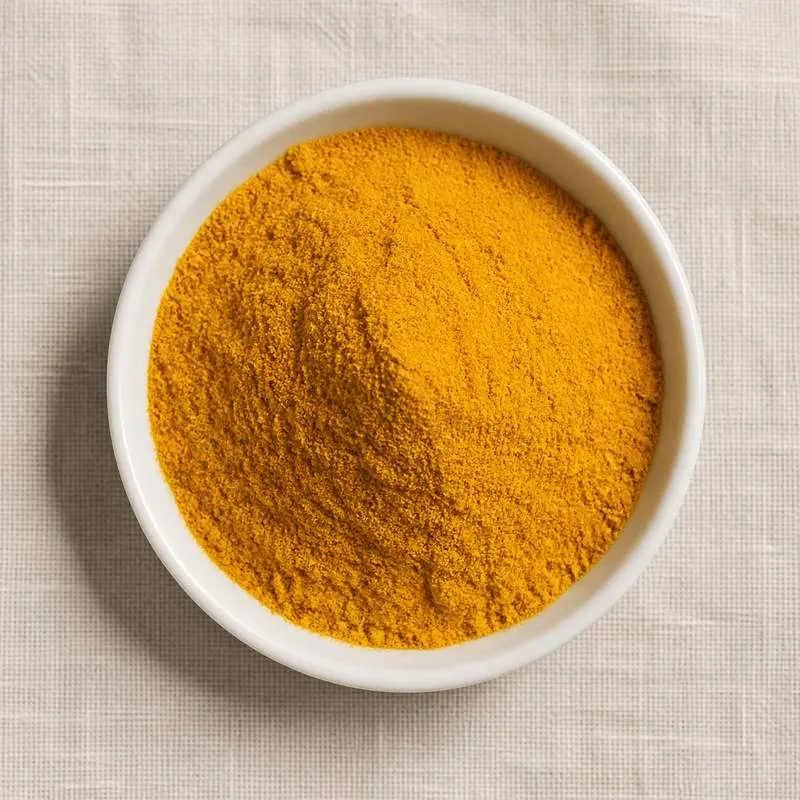
The extract is a light brown to brown fine powder or a resinous soft concentrate with a characteristic pungent, peppery odour and a bitter taste that produces a distinct numbing sensation on the tongue. Kavalactones are lipophilic and poorly soluble in water, dissolving readily in ethanol, acetone and lipid vehicles, which is why traditional preparation uses emulsification of the ground root in water rather than true dissolution, and why commercial formats are capsules, softgels and hydroalcoholic tinctures rather than clear beverages. The lactone ring hydrolyses under alkaline conditions and the material darkens on prolonged exposure to light and heat.
We source bulk Kava Extract from top China manufacturers for our partners. The manufacturer is in Shaanxi. A smaller requirement can ship in a combined container with other ingredients.
Please send the grade you need, the volume and your destination port, and we will come back with a solution and a price.
or call +86-21-6858 0751
- Function
- Plant extract
Specifications
| Item | Specification |
|---|---|
| Botanical Source | Piper methysticum G. Forst., dried root and rhizome, noble cultivar |
| Appearance | Light brown to brown fine powder |
| Total Kavalactones by HPLC | ≥ 30.0% |
| Chemotype | Declared as six-digit kavalactone order |
| Aerial Plant Material | Not detected |
| Identification | Conforms by HPLC to reference extract |
| Loss on Drying | ≤ 5.0% |
| Residual Solvent (Ethanol) | ≤ 5,000 mg/kg |
| Lead | ≤ 2.0 mg/kg |
| Arsenic | ≤ 1.0 mg/kg |
| Total Plate Count | ≤ 10,000 cfu/g |
| Yeast and Mould | ≤ 100 cfu/g |
| E. coli | Negative in 1 g |
| Salmonella | Negative in 25 g |
Common Markets Grades
Grades are quoted on total kavalactones by HPLC. Thirty percent is the common commodity level, 70 percent is the standard concentrated supplement grade, and purified fractions at 90 percent and above are sold in smaller volume. Ratio extracts without a marker claim and milled root powder for traditional preparation are also traded and are quite different products.
Extraction solvent is a decisive grade point rather than a technical detail, because it is central to how regulators in several markets treat the material: aqueous and ethanolic extracts are viewed differently from acetone extracts, and buyers in restricted markets specify water or ethanol only. Chemotype is specified as a six-digit code describing the order of the six kavalactones by abundance, and noble cultivars, meaning the traditionally consumed varieties, are distinguished from two-day and wichmannii types which are not regarded as suitable for consumption. Plant part verification, confirming that no aerial material is present, is a routine part of the specification, as is flavokavain B content in the more carefully specified trade.
Applications
- Relaxation and stress supplements in capsule and softgel form, the largest outlet for the standardised extract
- Sleep support formulas, often combined with valerian, passionflower and magnolia
- Herbal tinctures and oral drops in a hydroalcoholic base
- Traditional kava beverages prepared from milled root, a significant trade in the Pacific and in diaspora markets
- Kava bars and food service beverage preparations in markets where these are permitted
- Functional drinks and relaxation shots, using emulsified or solubilised extract
- Oral care and numbing preparations, drawing on the local anaesthetic effect of kavain
- Reference standards for kavalactone quantification and chemotype determination
Brands Using Kava Extract
Widely-distributed consumer products that list Kava Extract on the ingredient label.
- NutricostKava Kava Capsules ↗Capsules of kava kava extract sold for relaxation, with kava as the single botanical ingredient.Label verified 2026-08-31
- CodeageLiposomal Kava Kava+ ↗Combines kava kava root extract standardised to 30 percent kavalactones with two magnesium forms and L-theanine.Label verified 2026-08-31
Brand names, product names and logos are the property of their owners. They appear here as published evidence that the ingredient is used, taken from the brand's own label or website. Their appearance is not an endorsement, and it does not mean the brand buys from us or from any manufacturer listed on this site.
China Manufacturers of Kava Extract
Top Kava Extract manufacturers in China.

Company names and logos are the property of the manufacturers themselves. They are listed here because our own directory records them as producing this ingredient. A listing is not an endorsement by them, and we do not represent them or speak on their behalf.
Regulatory Status
Kava is the botanical ingredient whose regulatory position varies most between markets, and status has to be confirmed for each destination rather than assumed. In the United States kava is marketed as a dietary ingredient under the Dietary Supplement Health and Education Act, with manufacture under 21 CFR Part 111, but the Food and Drug Administration issued a consumer advisory in 2002 concerning the potential risk of severe liver injury associated with kava-containing dietary supplements, and that advisory has not been withdrawn. Kava is not generally recognised as safe for use in conventional food, and the agency has questioned its use in beverages and other food formats.
In the European Union kava-containing medicinal products were withdrawn from several member state markets in the early 2000s following reports of hepatotoxicity, and national restrictions differ, with some member states prohibiting kava in food supplements outright. Kava is recorded in the Commission novel food catalogue, and preparations that go beyond traditional use fall within the scope of the novel food Regulation. The World Health Organisation has published an assessment of the risk of hepatotoxicity with kava products, and the Codex Alimentarius Commission has adopted a regional standard for kava products for use as a beverage when mixed with water, developed through the FAO and WHO Coordinating Committee for North America and the South West Pacific, which sets requirements including the exclusive use of noble cultivar peeled root and rhizome. That standard is the clearest international reference point for the material, and buyers should establish before purchase whether the destination market permits sale at all.
Manufacturing Process
Production starts with dried root and rhizome, harvested from plants three to five years old, washed, peeled where the grade requires it, chipped and dried. The dried material arrives at the extraction plant with the plant part and cultivar documented, and is milled to a coarse powder. Extraction is by countercurrent percolation or repeated maceration with aqueous ethanol, typically at 60 to 90 percent, since the kavalactones are lipophilic and are poorly recovered in water alone; acetone gives higher yields and is used in some production but restricts where the product can be sold.
The liquor is filtered to remove root fibre and the ethanol recovered under vacuum, leaving a resinous concentrate. For higher assay grades the concentrate is taken through liquid-liquid partition or macroporous resin chromatography to strip out starch, sugars and the more polar constituents, followed by a graded ethanol elution that releases the kavalactone-rich fraction and sets the declared assay. The eluate is concentrated under vacuum at low temperature and either sold as a soft extract or dried onto a carrier such as maltodextrin or microcrystalline cellulose, since the pure resin is too tacky to handle as a powder. The dried material is milled, sieved, tested for chemotype and for absence of aerial plant material, and packed with a moisture and light barrier.