Microcrystalline Cellulose
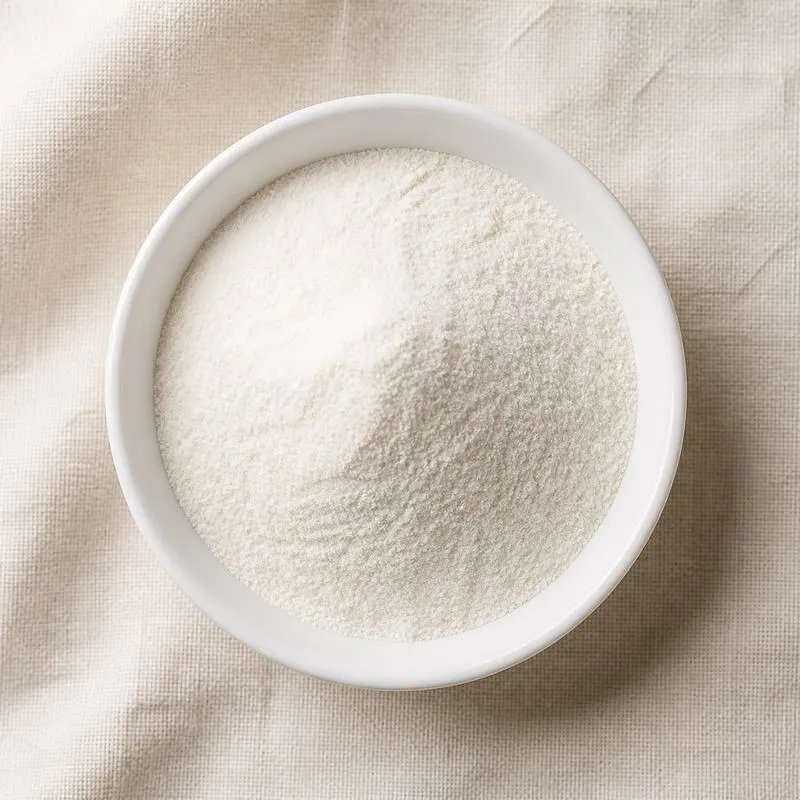
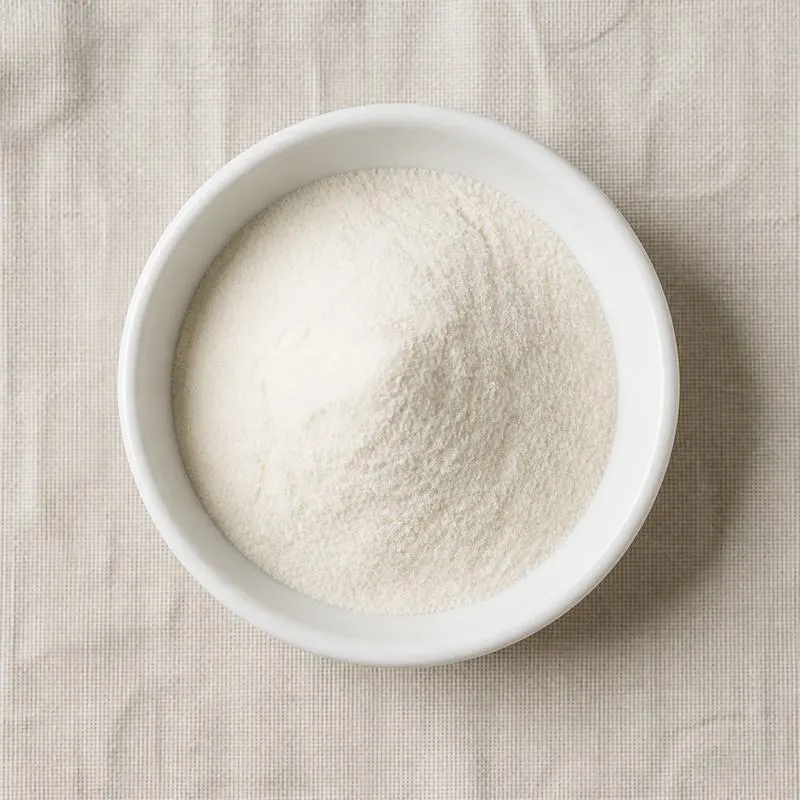
Microcrystalline Cellulose, abbreviated MCC, is purified depolymerised cellulose produced by controlled acid hydrolysis of high-purity wood pulp or cotton linters. The hydrolysis strips away the amorphous regions of the cellulose chain, leaving the crystalline domains as fine free-flowing particles.
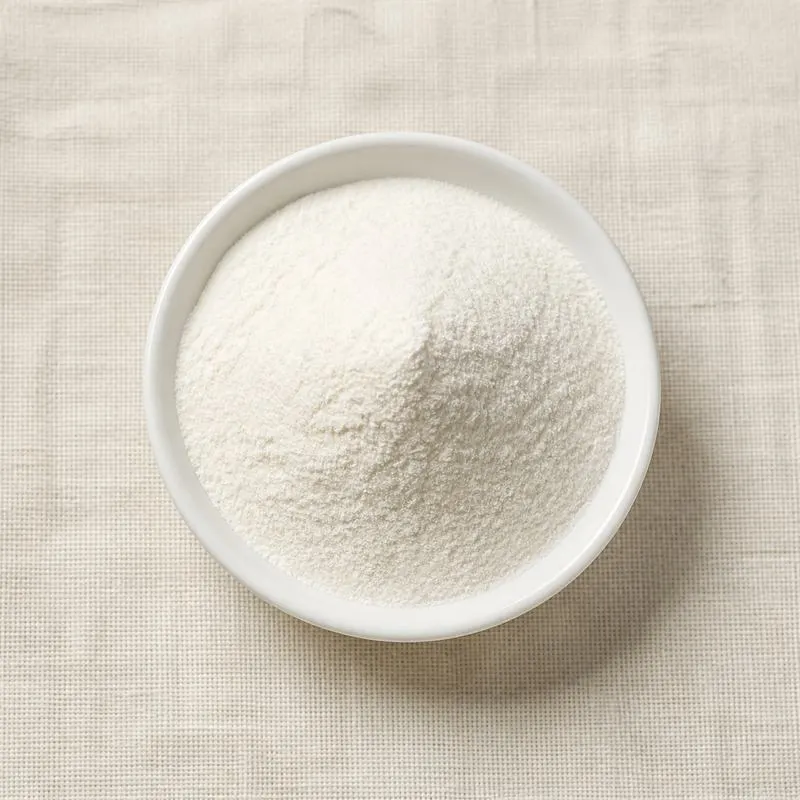
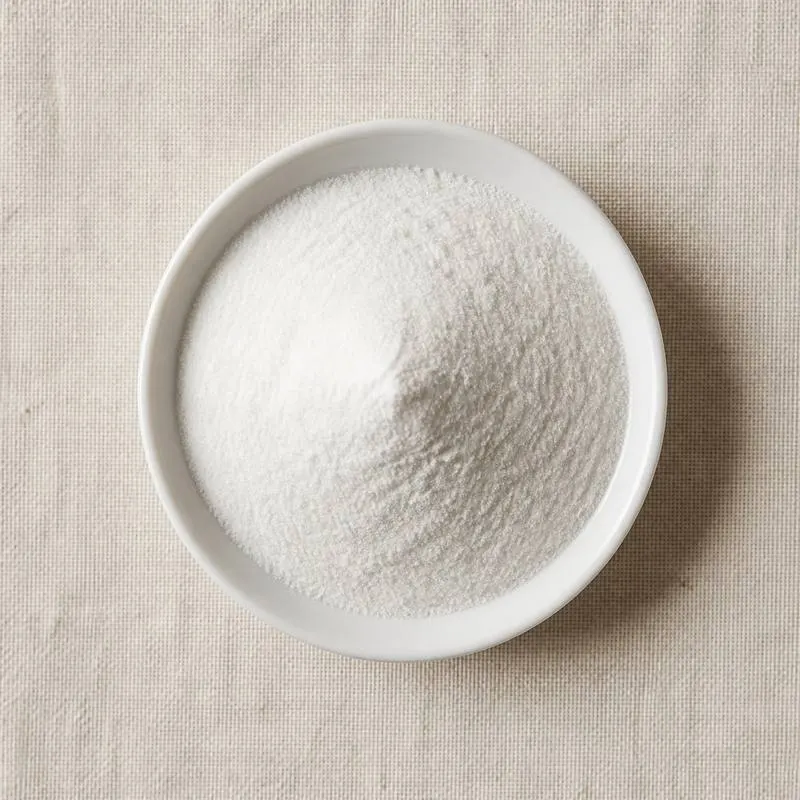
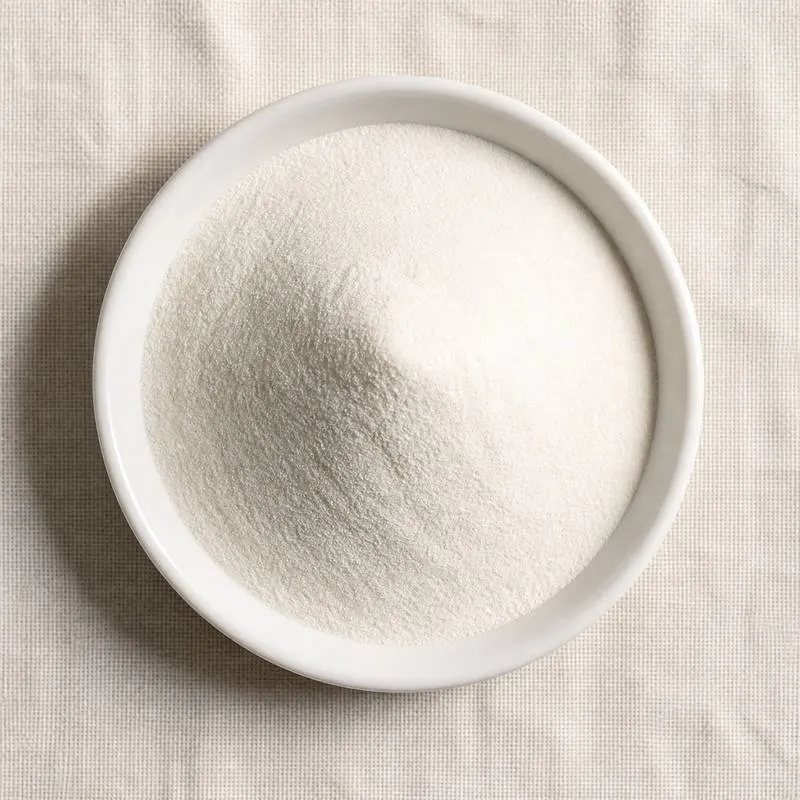
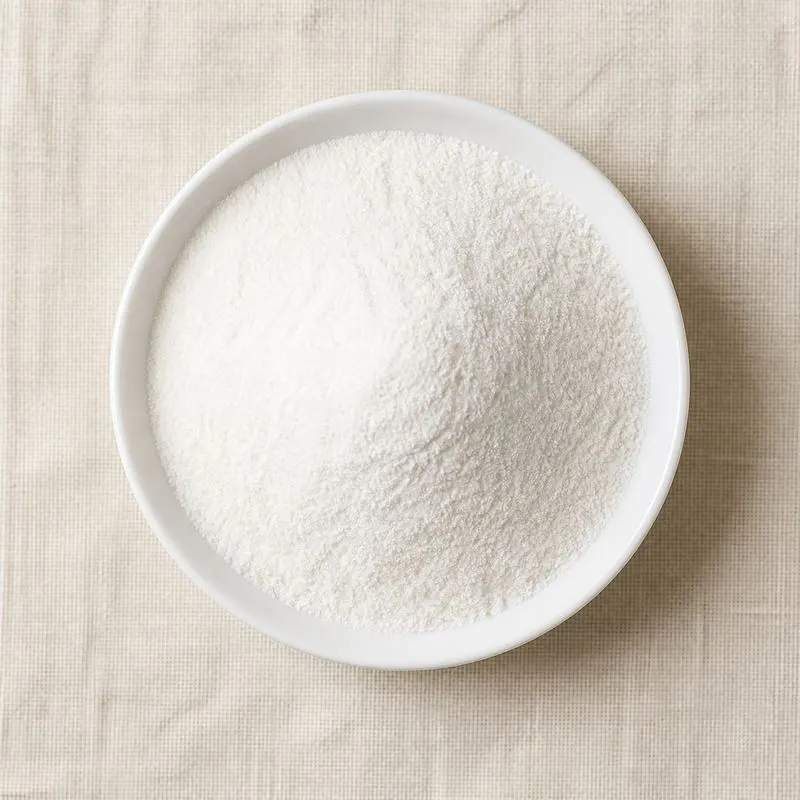
The material is white, odourless, tasteless, and chemically inert. It is the most widely used pharmaceutical tablet excipient on earth and a standard food bulking and texturising agent.
We source bulk Microcrystalline Cellulose from top China manufacturers for our partners, working with several of them. The manufacturers are mostly in Zhejiang, Heilongjiang and Shandong. For this ingredient the minimum order is 500 kg and a 20-foot container takes 12 MT, and a smaller requirement can ship in a combined container with other ingredients.
Please send the grade you need, the volume and your destination port, and we will come back with a solution and a price.
or call +86-21-6858 0751
- Minimum order
- 500 kg
- Qty in 20' FCL
- 12 MT
- Packaging
- 25 kg kraft paper bag with PE inner liner
- ISO 9001
- HACCP
- Halal
- Kosher
Specifications
| Item | Specification |
|---|---|
| Appearance | White to off-white fine fibrous powder |
| Compliance | USP/NF, EP, JP, BP current edition |
| Identification | Conforms to pharmacopoeial tests |
| Loss on drying | ≤ 5.0% |
| Residue on ignition (sulfated ash) | ≤ 0.05% |
| Water-soluble substances | ≤ 0.25% |
| Ether-soluble substances | ≤ 0.05% |
| pH (10% aqueous suspension) | 5.0 to 7.5 |
| Bulk density | 0.26 to 0.45 g/mL (grade dependent) |
| Tapped density | 0.30 to 0.55 g/mL (grade dependent) |
| Particle size (mean) | 20 to 180 microns (grade dependent: PH-101, PH-102, PH-200) |
| Starch | Not detected |
| Heavy metals (as Pb) | ≤ 10 mg/kg |
| Total aerobic count | ≤ 1,000 CFU/g |
| Yeast and mould | ≤ 100 CFU/g |
| E. coli, Salmonella | Absent |
| Source | Purified alpha-cellulose from wood pulp |
Common Markets Grades
Microcrystalline Cellulose is segmented into powdered MCC and colloidal MCC.
Powdered MCC is the standard pharmaceutical and food excipient, sold in particle sizes from 20 micrometres for direct-compression tableting up to 250 micrometres for granulation use. Avicel PH-101, PH-102, and PH-200 are the reference grades.
Colloidal MCC is co-processed with sodium carboxymethylcellulose to form a thixotropic suspension stabiliser. It is used in beverages, dairy desserts, and salad dressings.
Specialty grades include silicified MCC for improved flow, high-density MCC for direct compression, and food grades certified for kosher and halal use.
Applications
- Pharmaceutical tablet binder and disintegration aid (the dominant single market)
- Direct-compression tableting for vitamin, mineral, and OTC drug formulations
- Capsule filling and pellet production in nutraceutical manufacture
- Low-calorie and high-fibre food bulking in baked goods and snacks
- Beverage cloud and pulp suspension (as colloidal MCC)
- Dairy desserts, whipped toppings, and ice cream as a stabiliser
- Salad dressings and emulsified sauces for thixotropic body
- Meat analogues and processed meat as a fat replacer
- Cosmetic anti-caking agent in powder products
- Pet food and animal nutrition as a binder and fibre source
Brands Using Microcrystalline Cellulose
Widely-distributed consumer products that list Microcrystalline Cellulose on the ingredient label.
- NOW FoodsMethyl B-12 5000 mcg Lozenges ↗Other ingredients include xylitol, microcrystalline cellulose, hydroxypropyl cellulose, citric acid, stearic acid.Label verified 2026-05-24
- NOW FoodsKid Cal Calcium Chewables ↗Other ingredients include microcrystalline cellulose, xylitol, hydroxypropyl cellulose, fruit juice powder.Label verified 2026-05-24
- SolgarB-Complex "100" Tablets ↗Listed other ingredients: microcrystalline cellulose, vegetable cellulose, vegetable magnesium stearate, silica.Label verified 2026-05-24
- SolgarCalcium Citrate with Vitamin D3 Tablets ↗Listed other ingredients: microcrystalline cellulose, vegetable cellulose, silica, vegetable magnesium stearate.Label verified 2026-05-24
Brand names, product names and logos are the property of their owners. They appear here as published evidence that the ingredient is used, taken from the brand's own label or website. Their appearance is not an endorsement, and it does not mean the brand buys from us or from any manufacturer listed on this site.
China Manufacturers of Microcrystalline Cellulose
Top Microcrystalline Cellulose manufacturers in China.
 Huzhou City Linghu Xinwang Chemical Co., Ltd.4 ingredients in the directory
 Mudanjiang Linrun Pharmaceutical Excipients LLC.2 ingredients in the directory
- Qufu Bruschettini Bio-pharmaceutical Co., Ltd.4 ingredients in the directory
- Shanxi Zhiqi Biotechnology Co., Ltd.6 ingredients in the directory
Company names and logos are the property of the manufacturers themselves. They are listed here because our own directory records them as producing this ingredient. A listing is not an endorsement by them, and we do not represent them or speak on their behalf.
How We Help Source Microcrystalline Cellulose
Direct Factory Sourcing
We run the whole process: selecting the manufacturer from the top Chinese food ingredient producers, negotiating the price, verifying quality, and coordinating the logistics. You deal with us instead of with several factories at once.
Original Packaging and Documents from the Manufacturer
The manufacturer sends your Microcrystalline Cellulose out of its own factory in the original packing, through to your destination port. The COA, COO, MSDS, TDS and any certifications reach you from the manufacturer as well.
Free Samples and Lead Time
We send 100 to 500 g free for your own laboratory to test and you cover only the courier, usually within 2 to 3 working days. ETD is usually within 7 to 15 days once the order is confirmed, and we check that date against the factory's own manufacturing schedule before we give it to you.
Combined Shipment
We can load Microcrystalline Cellulose together with other ingredients such as Carrageenan, Sodium Carboxymethyl Cellulose and Agar Agar into one 20' FCL. If your quantity is small, we can also ship LCL.
Regulatory Status
Microcrystalline Cellulose is approved in essentially every regulated market.
Regulation (EC) No 1333/2008 lists it as E460(i) in the European Union, and in the United States it is GRAS at 21 CFR 182.1745. JECFA has concluded that no numerical intake limit is needed.
USP, Ph. Eur., and Japanese Pharmacopoeia monographs cover pharmaceutical MCC under the names Cellulose Microcrystalline or Avicel. Halal, Kosher, vegan, non-GMO, and gluten-free certifications are routinely available.
Manufacturing Process
Production begins with high-purity dissolving-grade wood pulp or cotton linters, treated to remove lignin and hemicellulose.
The pulp is hydrolysed with dilute mineral acid, typically 2.5 N hydrochloric acid, at 105 °C for fifteen to thirty minutes. The hydrolysis preferentially attacks the amorphous regions of the cellulose, leaving crystalline microfibrils.
The hydrolysate is filtered, washed extensively with water to remove residual acid, and then either spray-dried (for powdered MCC) or co-processed with sodium CMC and spray-dried (for colloidal MCC).
Final particle size is controlled by spray-drying conditions and post-milling. Quality control verifies degree of polymerisation, particle size distribution, moisture, and microbial limits.