L-5-mthf Calcium
L-5-MTHF Calcium is the calcium salt of L-5-methyltetrahydrofolate, the predominant circulating form of folate in human blood and the form in which the vitamin crosses into cells and enters one carbon metabolism.
It differs from folic acid in both oxidation state and stereochemistry. Folic acid is a fully oxidised synthetic pteroylglutamate that must be reduced by dihydrofolate reductase and then methylated before the body can use it, whereas L-5-methyltetrahydrofolate is already the finished coenzyme and bypasses that conversion. The letter L, also written 6S, means the single natural diastereomer at carbon 6; the 6R form is not metabolically useful, so diastereomeric purity is the specification that distinguishes a genuine article from a racemate.
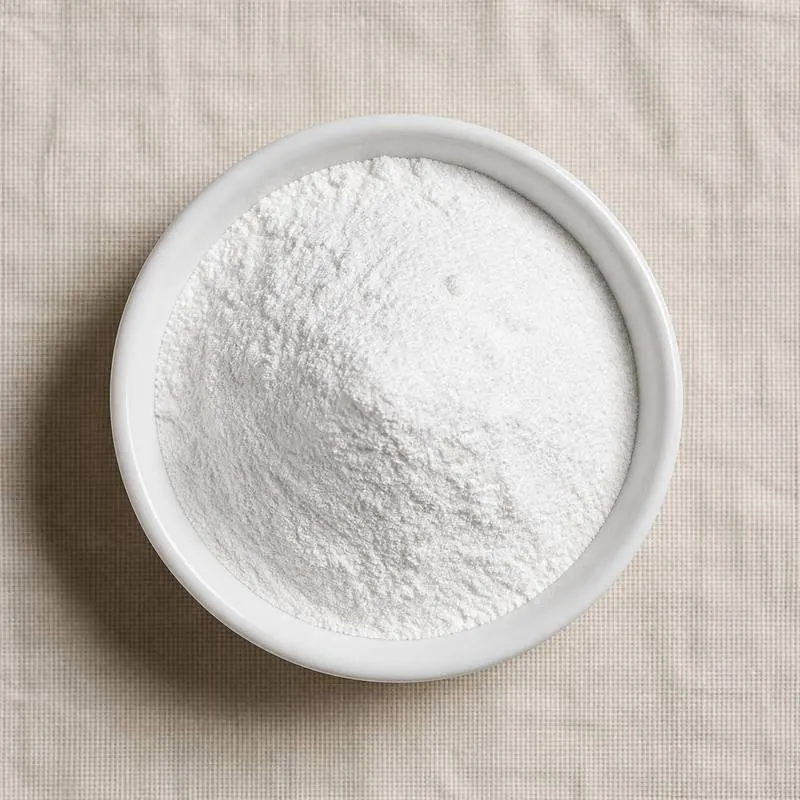
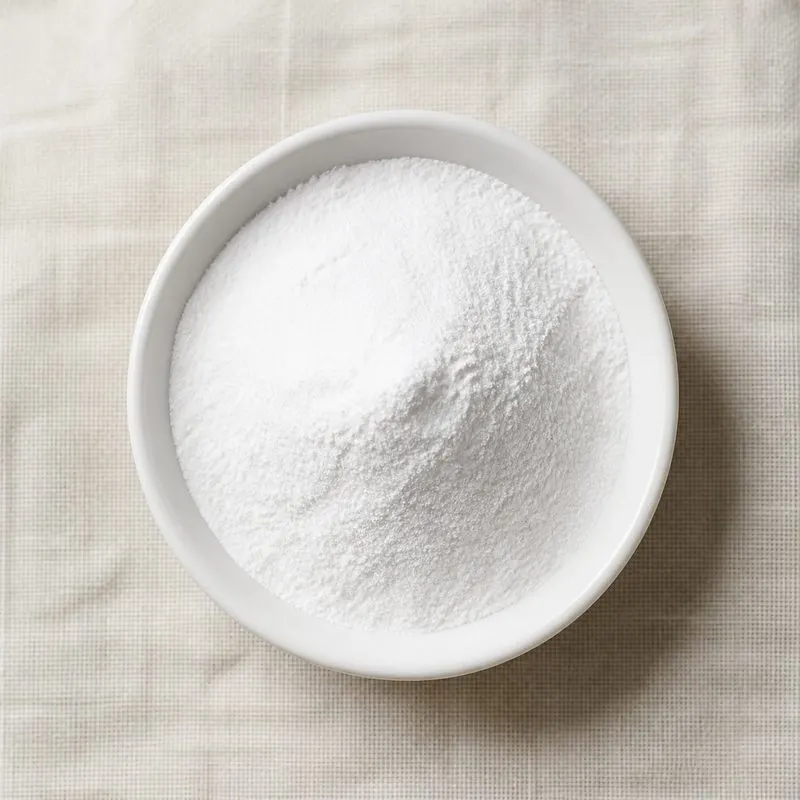
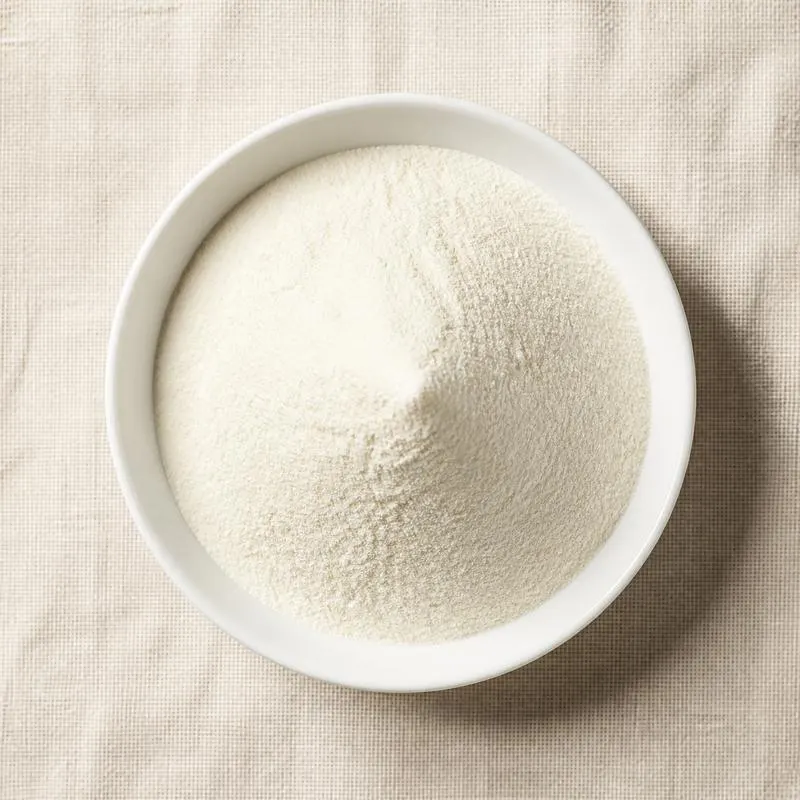
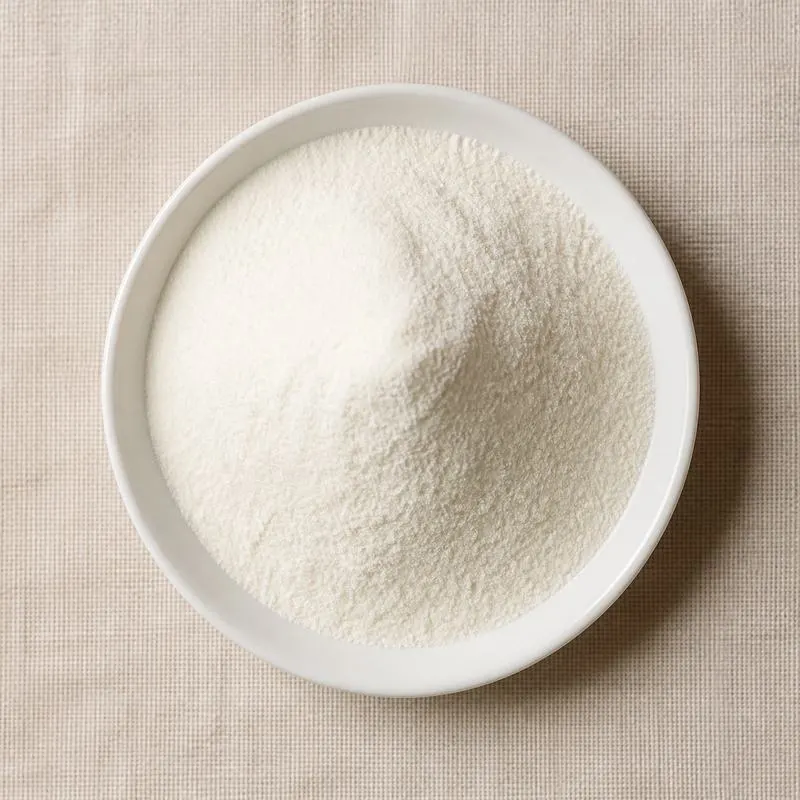
It is a cream to light brown or pale yellow crystalline powder, slightly soluble in water and sparingly soluble in ethanol, and it is markedly less stable than folic acid. The reduced pterin ring oxidises readily on exposure to air, light, heat, moisture and low pH, so the material is hygroscopic, carries a significant bound water content by design, and is stored cold under nitrogen in opaque packaging. Formulators normally protect it with an antioxidant and avoid acidic aqueous systems and prolonged high temperature processing.
We source bulk L-5-mthf Calcium from top China manufacturers for our partners. The manufacturer is in Guangdong. A smaller requirement can ship in a combined container with other ingredients.
Please send the grade you need, the volume and your destination port, and we will come back with a solution and a price.
or call +86-21-6858 0751
- Function
- Vitamin
Specifications
| Item | Specification |
|---|---|
| Appearance | Cream to light brown crystalline powder |
| Identification | Infrared and HPLC conform to reference standard |
| Assay, anhydrous basis | 95.0 to 102.0% |
| Diastereomeric Purity | ≥ 99.0% as the 6S form |
| Calcium Content | 7.0 to 8.5% |
| Water Content | 10.0 to 17.0% |
| Related Substances | Any single impurity ≤ 1.0%, total ≤ 3.0% |
| Residue on Ignition | Conforms to calcium salt content |
| Residual Solvents | Conforms to pharmacopoeial limits |
| Heavy Metals | ≤ 10 mg/kg |
| Lead | ≤ 2.0 mg/kg |
| Arsenic | ≤ 2.0 mg/kg |
| Total Plate Count | ≤ 1,000 cfu/g |
| Yeast and Mould | ≤ 100 cfu/g |
Common Markets Grades
The material is traded as a single chemical specification, defined by assay on the anhydrous basis, diastereomeric purity, calcium content and water content, with diastereomeric purity typically set at 99 percent or above as the 6S form. Water content is unusually high for a crystalline vitamin, commonly in the region of 10 to 17 percent, and is a declared part of the specification rather than a contaminant, so assay is always quoted on a dried or anhydrous basis to avoid confusion.
The commercially important variants are physical rather than chemical. Micronised grades are made for content uniformity in tablets dosed at microgram levels, and granulated grades for flow in direct compression. Because the free salt is oxidatively fragile, stabilised forms are traded in which the crystal is blended or co-processed with an antioxidant, or coated and microencapsulated to extend shelf life in a multivitamin tablet or a premix. A glucosamine salt of L-5-methyltetrahydrofolate is sold as an alternative with different hygroscopic behaviour.
Applications
- Prenatal and preconception supplements, as the folate source in place of or alongside folic acid
- Multivitamin tablets and capsules, contributing the declared folate content
- Medical foods and clinical nutrition, where the active folate form is used in patients with impaired folate metabolism
- Homocysteine management formulations, combined with vitamins B6 and B12
- Methylation support supplements aimed at consumers with reduced folate reductase activity
- Fortified beverages and powders, in a protected or encapsulated form
- Infant and paediatric nutrition products in markets where the form is permitted
- Chewable and gummy supplements, using a coated grade to survive the moist matrix
- Combination folate products pairing the methylfolate with methylcobalamin
Brands Using L-5-mthf Calcium
Widely-distributed consumer products that list L-5-mthf Calcium on the ingredient label.
- Double Wood SupplementsMethylated Multivitamin ↗The folate in this multivitamin is calcium L-5-methyltetrahydrofolate, listed on the page as L-5-MTHF rather than folic acid.Label verified 2026-08-31
- CodeageMethylated Multivitamin+ ↗Provides folate as calcium L-5-methylfolate alongside methylcobalamin, P5P and riboflavin 5'-phosphate.Label verified 2026-08-31
Brand names, product names and logos are the property of their owners. They appear here as published evidence that the ingredient is used, taken from the brand's own label or website. Their appearance is not an endorsement, and it does not mean the brand buys from us or from any manufacturer listed on this site.
China Manufacturers of L-5-mthf Calcium
Top L-5-mthf Calcium manufacturers in China.

Company names and logos are the property of the manufacturers themselves. They are listed here because our own directory records them as producing this ingredient. A listing is not an endorsement by them, and we do not represent them or speak on their behalf.
Regulatory Status
In the European Union calcium L-methylfolate has novel food authorisation, and Directive 2002/46/EC lists it among the folate sources permitted for use in food supplements; it also appears among the substances that may be added to foods for particular nutritional uses subject to the conditions in the relevant authorisations. Labelling as folate must reflect the dietary folate equivalence rules, which treat the different folate forms differently from one another.
In the United States calcium L-5-methyltetrahydrofolate is sold on a GRAS basis, with GRAS notifications for the substance having been submitted to the Food and Drug Administration, and it is used as a dietary ingredient in supplements under the general framework for supplement ingredients. It is not one of the folate forms required in enriched grain products, where folic acid remains the mandated addition. Because permitted use, permitted food categories and labelling conventions differ between markets, the destination market and the food category should be settled before the ingredient is specified.
Manufacturing Process
Synthesis starts from folic acid, which is itself made by condensing a pterin fragment with para-aminobenzoylglutamic acid. Folic acid is hydrogenated over a platinum or palladium catalyst under acidic conditions to give tetrahydrofolic acid, a step that must be run under inert gas because the reduced pterin oxidises the moment it meets air. The tetrahydrofolate produced is a mixture of the 6R and 6S diastereomers.
The mixture is resolved, classically by crystallising a diastereomeric salt with a chiral acid such as camphorsulphonic acid, so that only the 6S isomer is carried forward. That isomer is reacted with formaldehyde to form 5,10-methylenetetrahydrofolate, which is then reduced, typically with sodium borohydride, to give L-5-methyltetrahydrofolate. The free acid is converted to the calcium salt by adding a soluble calcium source under controlled pH, and the salt is crystallised from an aqueous alcohol system. The crystals are filtered, washed, and dried gently under vacuum to the target water content rather than to dryness, since the hydrate is the intended article. Every stage from hydrogenation onward runs under nitrogen with an antioxidant present and away from light, and the finished powder is milled, screened and packed cold in opaque moisture barrier containers.