Natural Vitamin E
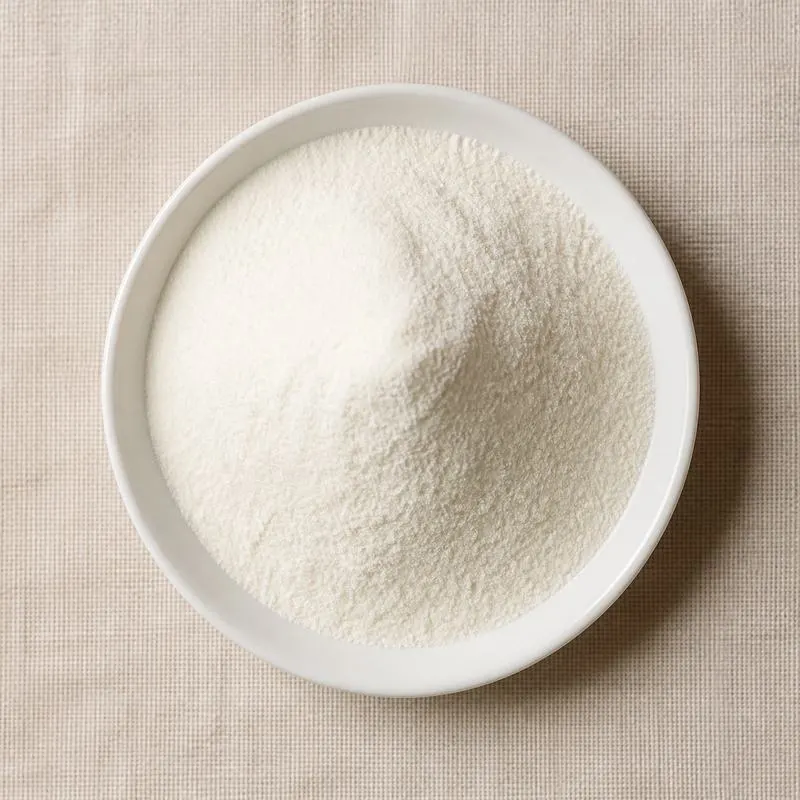
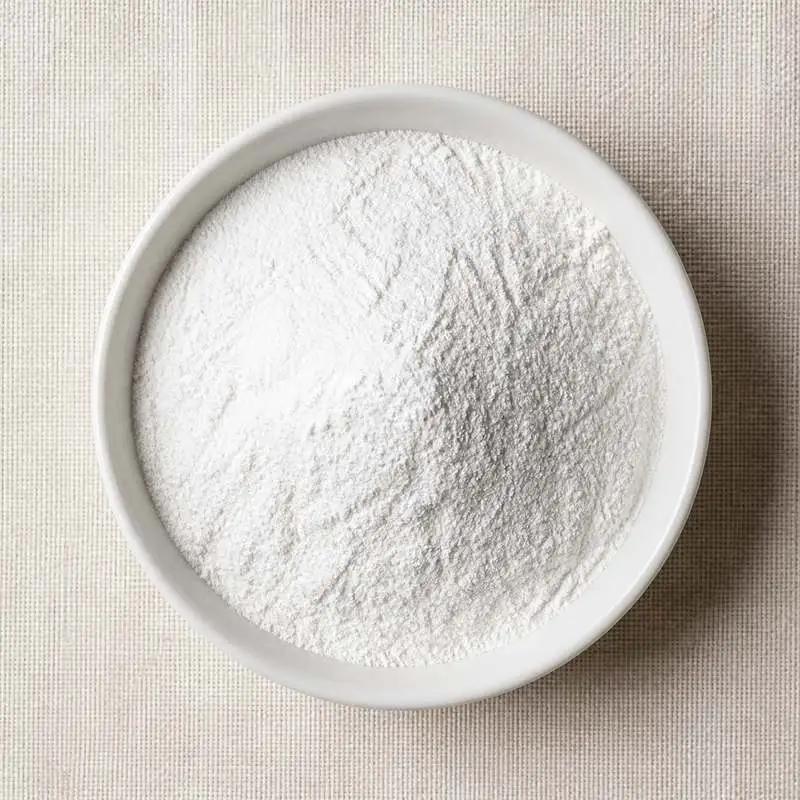
Natural Vitamin E is the single-stereoisomer form of the fat-soluble vitamin extracted from vegetable-oil refining streams, sold as D-alpha-tocopherol or its acetate ester.
The acetate ester carries the CAS number 58-95-7 and is the dominant commercial form. Unlike its synthetic counterpart it contains only the RRR stereoisomer, the same configuration the body makes use of and selectively retains.
We source bulk Natural Vitamin E from top China manufacturers for our partners, working with several of them. The manufacturers are in Jiangsu, Zhejiang and Shaanxi. For this ingredient the minimum order is 3,000 kg and a 20-foot container takes 10 MT, and a smaller requirement can ship in a combined container with other ingredients.
Please send the grade you need, the volume and your destination port, and we will come back with a solution and a price.
or call +86-21-6858 0751
- Minimum order
- 3,000 kg
- Qty in 20' FCL
- 10 MT
- Packaging
- 190 kg steel drum or 25 kg jerrican
- ISO 9001
- HACCP
- Halal
- Kosher
Specifications
Grades / Types Available: Food Grade
| Item | Specification |
|---|---|
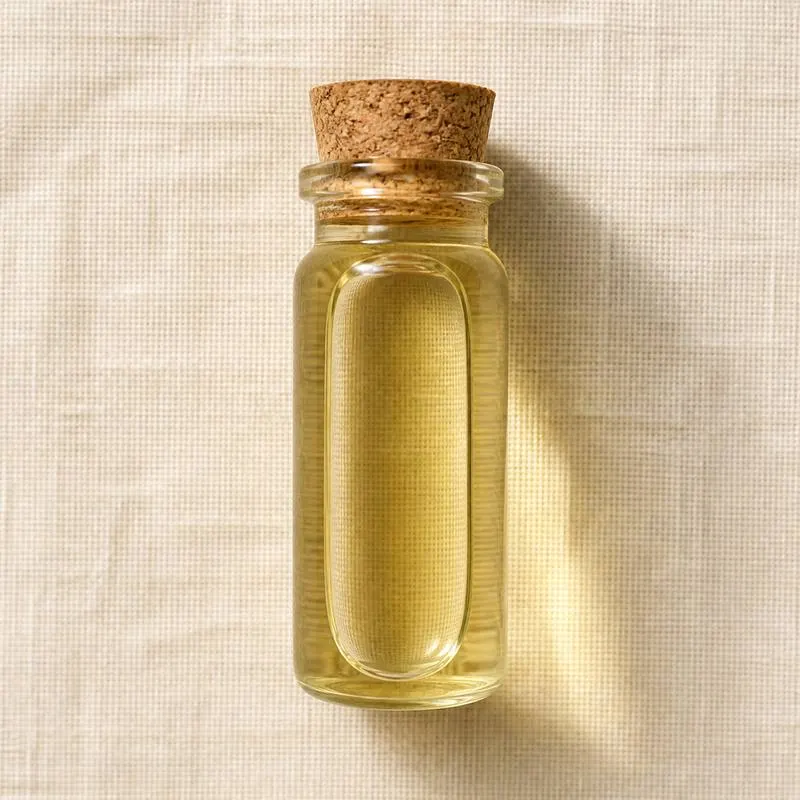
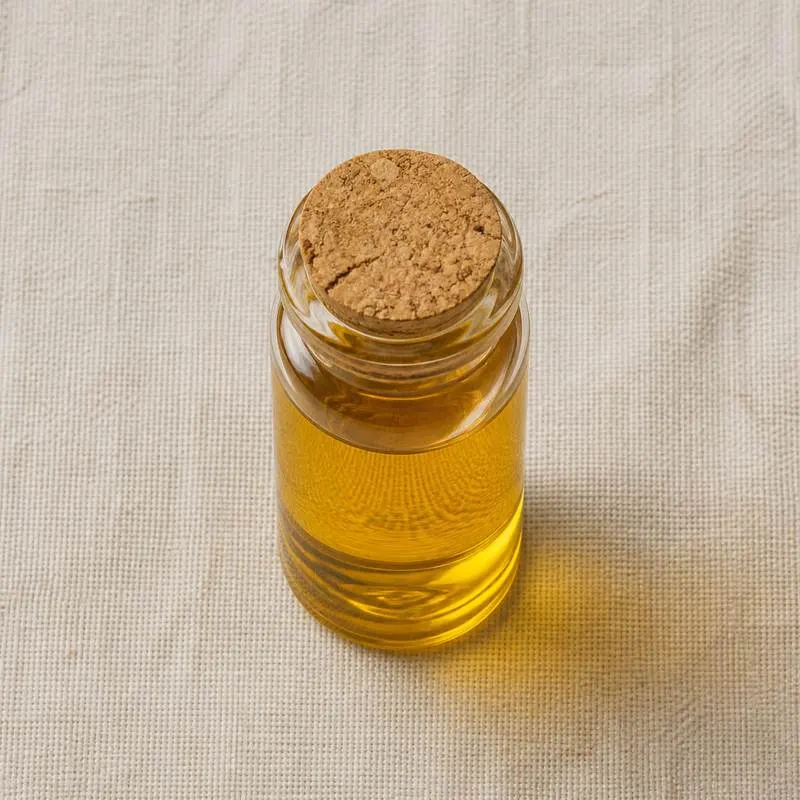
| Appearance | Pale yellow to amber viscous oil |
| Assay (d-alpha-tocopherol) | ≥ 96% or ≥ 70% (mixed) |
| Specific Rotation [α]D²⁰ | +24° to +27° |
| Acid Value | ≤ 2.0 mg KOH/g |
| Heavy Metals (as Pb) | ≤ 10 mg/kg |
| Purity (Rice 70%) | Total tocotrienols (d-alpha, d-beta, d-gamma and d-delta tocotrienol) HPLC ≥28%; Total tocopherols (d-alpha, d-beta, d-gamma and d-delta tocopherols) HPLC ≤42% |
| Acidity | ≤ 1.0ml |
| Lead | ≤3ppm conforms |
| Arsenic | ≤3ppm conforms |
| Cadmium | ≤1ppm conforms |
| Mercury | ≤0.1ppm conforms |
| Peroxide Value | ≤5.0meq/kg 2.0 |
| PAHs | ≤2ppb |
| Microbiological - Total Plate Count | ≤1000cfu/g |
| Microbiological - Yeast & Mold | ≤100cfu/g |
| Microbiological - E.Coli | Negative |
| Shelf Life | 24 months |
| Storage | Protect from sunlight, heat, and oxygen |
Common Markets Grades
The potencies quoted for natural vitamin E reflect its higher intrinsic activity per unit mass.
D-alpha-Tocopheryl acetate at 1360 to 1490 IU per gram is the standard pharmaceutical and supplement grade, with USP and Ph. Eur. monograph compliance. Free D-alpha-tocopherol at 1490 IU per gram serves applications that require the free phenol for radical quenching.
Mixed tocopherols at 30, 50, 70, and 90 percent total assay, with the balance made up of beta, gamma, and delta tocopherols, are produced for use as natural antioxidant systems in oils, fats, and lipid-based formulations.
Spray-dried powders at 25 to 50 percent active, built on modified starch or acacia gum carriers, cover dry-blend supplement and feed applications. Vegan-certified grades are routinely available because the upstream feedstock is plant-derived.
Applications
- Premium and natural-positioning multivitamin tablets and softgels
- Single-ingredient natural vitamin E capsules at 100, 200, and 400 IU
- Antioxidant protection of vegetable oils, fish oil, and other polyunsaturated lipids
- Infant formula and follow-on formula where natural-source is preferred
- Clinical-nutrition products for fat-malabsorption populations
- Skin-care serums, creams, and lipid-balm bases as a natural antioxidant active
- Colour cosmetics and sun-care formulations
- Pet food, aquaculture, and specialty livestock diets with natural-label positioning
- Sports-nutrition supplements targeting recovery and oxidative balance
- Functional beverage and shot fortification through oil-in-water emulsion grades
- Bakery and confectionery fat-system stabilisation
- Pharmaceutical preparations where natural-source actives are specified
Brands Using Natural Vitamin E
Widely-distributed consumer products that list Natural Vitamin E on the ingredient label.
- SolgarVitamin E 268 mg (400 IU) d-Alpha Tocopherol & Mixed Tocopherols Softgels ↗Solgar Vitamin E 400 IU softgels use naturally sourced d-alpha tocopherol rather than the synthetic dl- form, with mixed tocopherols (gamma, delta, beta) in a safflower oil base.Label verified 2026-05-24
- NOW FoodsVitamin E-400 D-Alpha Tocopheryl Softgels ↗NOW Foods' Vitamin E-400 D-Alpha Tocopheryl softgel uses natural-source d-alpha tocopheryl acetate (400 IU) in organic extra virgin olive oil, explicitly the natural d-form as opposed to synthetic dl-.Label verified 2026-05-24
- Garden of LifeVitamin Code RAW Vitamin E Vegetarian Capsules ↗Garden of Life's Vitamin Code RAW Vitamin E supplies 125 mg (833% DV) Vitamin E as natural d-alpha tocopherol from sunflower oil plus naturally occurring mixed tocopherols/tocotrienols, explicitly natural-source vitamin E.Label verified 2026-05-24
- Nordic NaturalsVitamin D3 1000 IU Mini Softgels (with d-alpha tocopherol) ↗Nordic Naturals' Vitamin D3 1000 IU Mini Softgels list d-alpha tocopherol (natural-source vitamin E) on the official panel as a stabilizing antioxidant in the olive oil carrier.Label verified 2026-05-24
- Life ExtensionSuper K with Advanced K2 Complex (Vitamin C as Ascorbyl Palmitate carrier with natural tocopherols) ↗Life Extension Super K softgels use natural tocopherols to stabilise the fat-soluble vitamin K payload in an extra virgin olive oil base.Label verified 2026-05-24
- Blue Diamond (Almond Breeze)Almond Breeze Unsweetened Original Almondmilk ↗Blue Diamond Almond Breeze Original Unsweetened almondmilk lists D-Alpha-Tocopherol (Natural Vitamin E) on the ingredient panel as the added vitamin E fortification, explicitly natural-source d-alpha rather than synthetic dl-.Label verified 2026-05-24
Brand names, product names and logos are the property of their owners. They appear here as published evidence that the ingredient is used, taken from the brand's own label or website. Their appearance is not an endorsement, and it does not mean the brand buys from us or from any manufacturer listed on this site.
China Manufacturers of Natural Vitamin E
Top Natural Vitamin E manufacturers in China.
 Jiangsu Conat Biological Products Co., Ltd.2 ingredients in the directory
- Ningbo Dahongying Bio-engineering Co., Ltd.4 ingredients in the directory
 Wilmar Nutrition (Jiangsu) Co., Ltd.4 ingredients in the directory
 Xi'an Healthful Biotechnology Co., Ltd.5 ingredients in the directory
 Zhejiang Worldbestve Biotechnology Co., Ltd.3 ingredients in the directory
Company names and logos are the property of the manufacturers themselves. They are listed here because our own directory records them as producing this ingredient. A listing is not an endorsement by them, and we do not represent them or speak on their behalf.
How We Help Source Natural Vitamin E
Direct Factory Sourcing
We run the whole process: selecting the manufacturer from the top Chinese food ingredient producers, negotiating the price, verifying quality, and coordinating the logistics. You deal with us instead of with several factories at once.
Original Packaging and Documents from the Manufacturer
The manufacturer sends your Natural Vitamin E out of its own factory in the original packing, through to your destination port. The COA, COO, MSDS, TDS and any certifications reach you from the manufacturer as well.
Free Samples and Lead Time
We send 100 to 500 g free for your own laboratory to test and you cover only the courier, usually within 2 to 3 working days. ETD is usually within 7 to 15 days once the order is confirmed, and we check that date against the factory's own manufacturing schedule before we give it to you.
Combined Shipment
We can load Natural Vitamin E together with other ingredients such as Vitamin C, Vitamin D3 and Vitamin E into one 20' FCL. If your quantity is small, we can also ship LCL.
Regulatory Status
Natural vitamin E carries the same authorisations as its synthetic counterpart, with separate labelling and conversion rules that recognise its higher bioactivity.
The European Union lists RRR-alpha-tocopherol and RRR-alpha-tocopheryl acetate as permitted vitamin sources under Directive 2002/46/EC and Regulation (EC) No 1925/2006. It also appears as antioxidant E306 (tocopherol-rich extract) on the food-additive list. EFSA has set a tolerable upper intake level of 300 mg per day for adults expressed as alpha-tocopherol equivalents.
The U.S. Food and Drug Administration recognises D-alpha-tocopheryl acetate as GRAS. The 2016 FDA labelling rule defines 1 mg of D-alpha-tocopherol as 1 mg alpha-tocopherol equivalents, against 0.45 mg for the synthetic DL form, so a natural-source product carries a smaller mass to deliver the same Daily Value.
The legacy IU convention assigns 1.49 IU per mg to D-alpha-tocopheryl acetate, compared with 1.10 IU per mg for the synthetic DL form. That is the source of the often-cited 1.36 ratio between natural and synthetic on a mass basis.
Pharmacopoeial monographs appear in the USP, Ph. Eur., JP, and BP. Non-GMO, organic-compliant, Halal, Kosher, and vegan certifications are commonly available because the upstream feedstock is plant-derived oil.
Manufacturing Process
Natural vitamin E is recovered from the deodoriser distillate generated during the refining of soybean, sunflower, and rapeseed oils.
Crude vegetable oils undergo a high-temperature, high-vacuum deodorisation step that strips volatile compounds together with free fatty acids, sterols, and tocopherols into a side stream. This distillate contains roughly 5 to 15 percent total tocopherols and is the principal commercial feedstock.
The distillate is first esterified with methanol to convert free fatty acids into methyl esters that can be removed by molecular distillation. The remaining tocopherol-rich fraction is then enriched through a sequence of further molecular distillations, solvent crystallisations, and ion-exchange or adsorptive purifications.
The enriched mixed tocopherol stream can be sold as is, or further processed to concentrate D-alpha-tocopherol. Methylation of the beta, gamma, and delta tocopherols using formaldehyde-amine chemistry converts them to D-alpha-tocopherol and lifts the alpha content above 90 percent. The final material is esterified with acetic anhydride to give the more stable acetate. Production capacity is concentrated in the United States, Germany, and China.