L-Citrulline
L-Citrulline is a non-proteinogenic amino acid with the formula C₆H₁₃N₃O₃ and CAS 372-75-8.
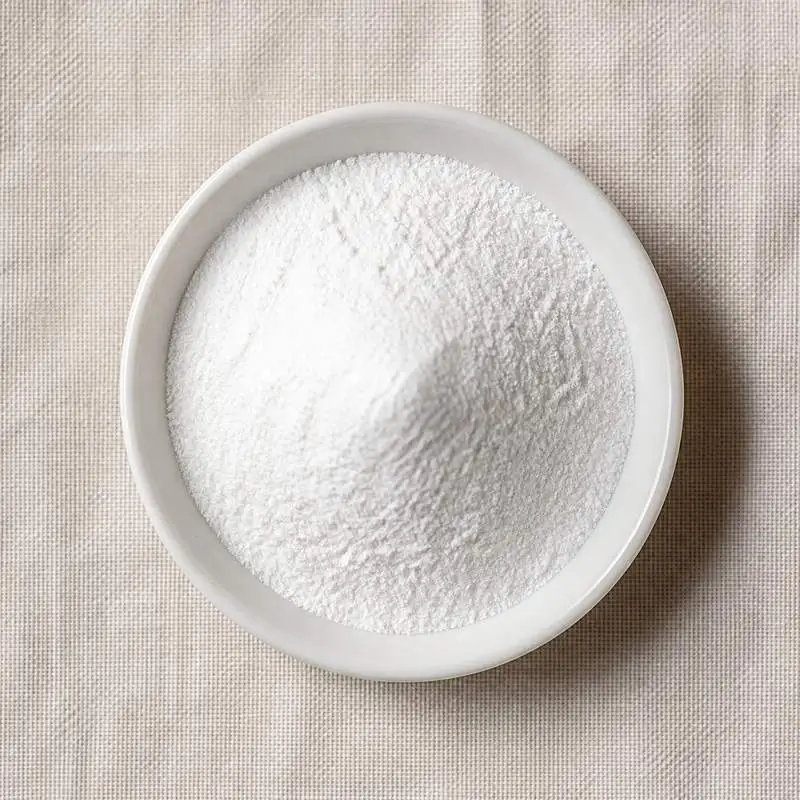
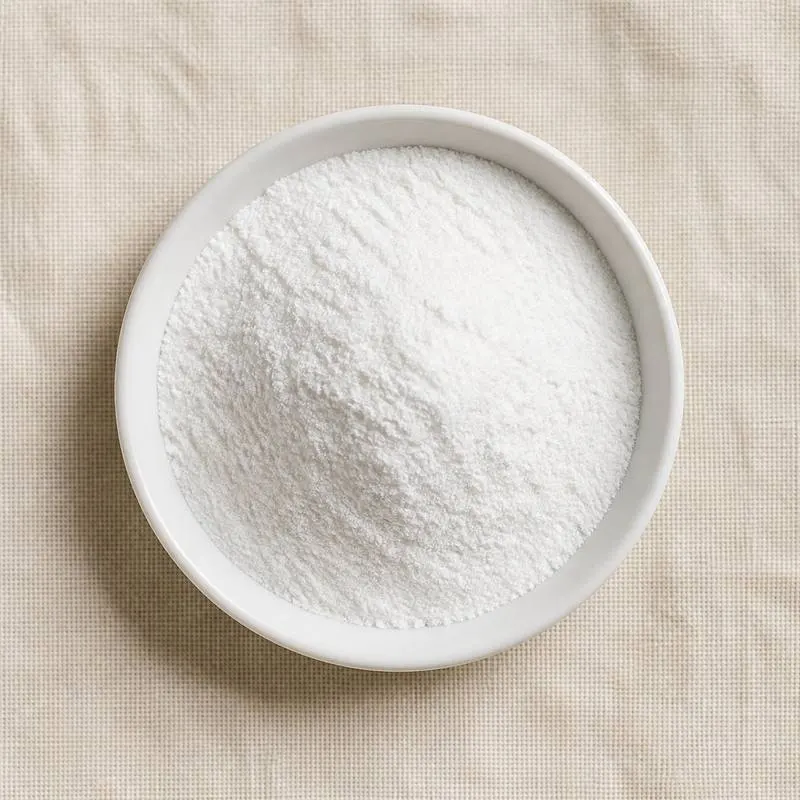
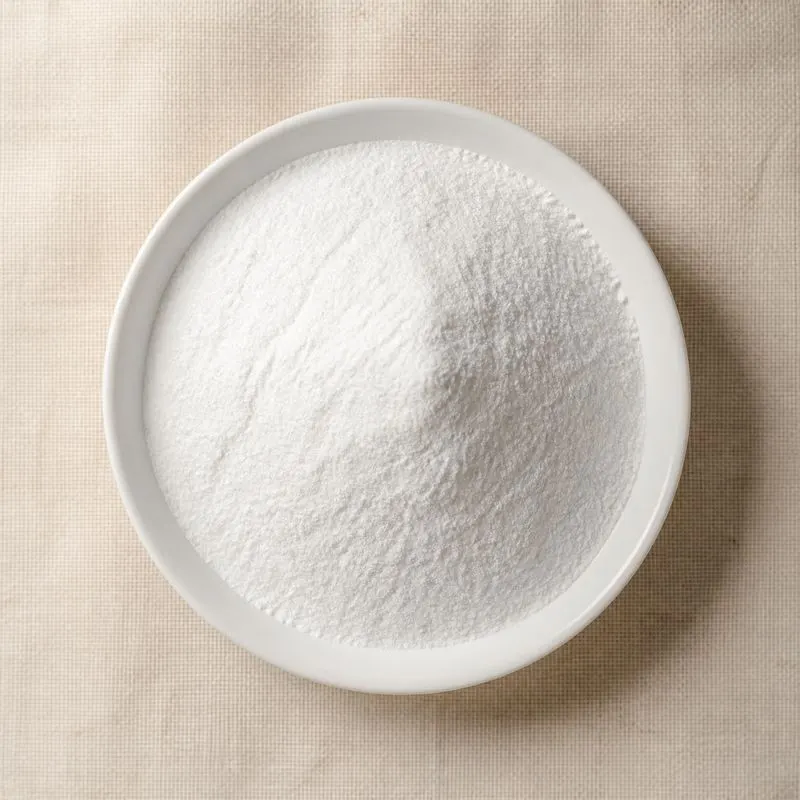
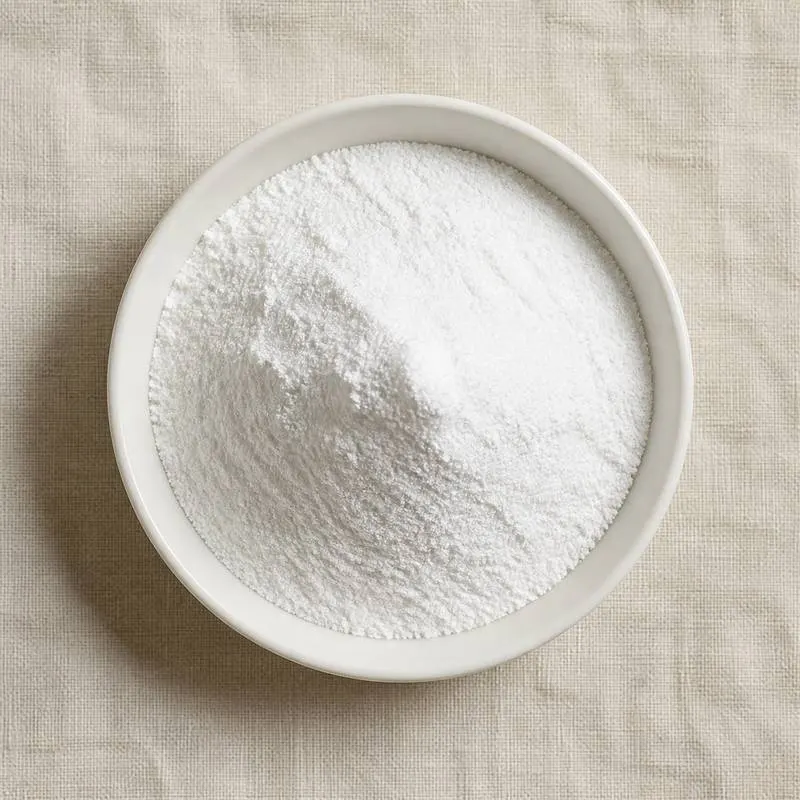
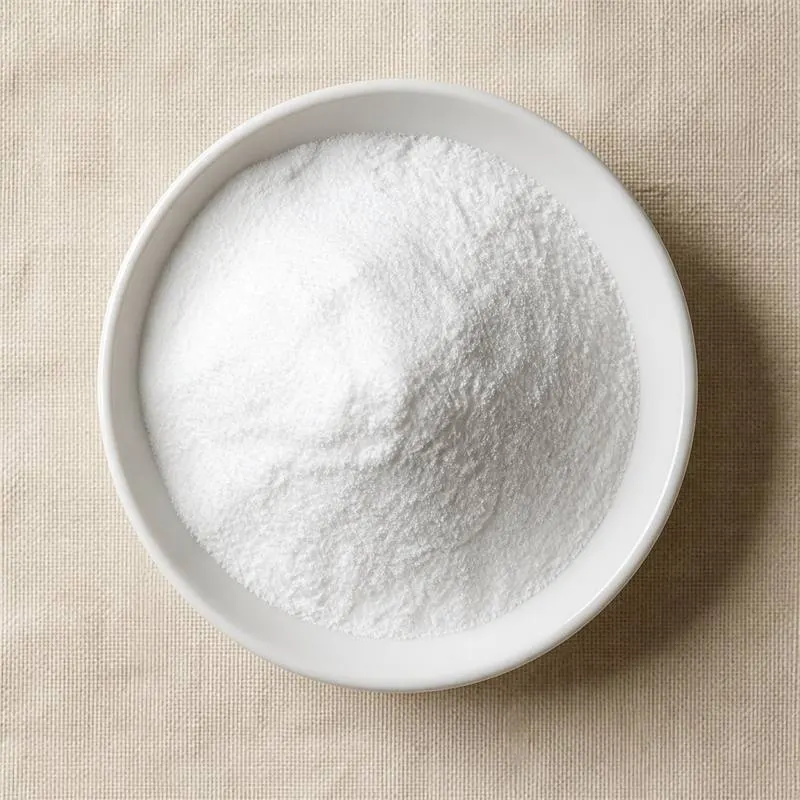
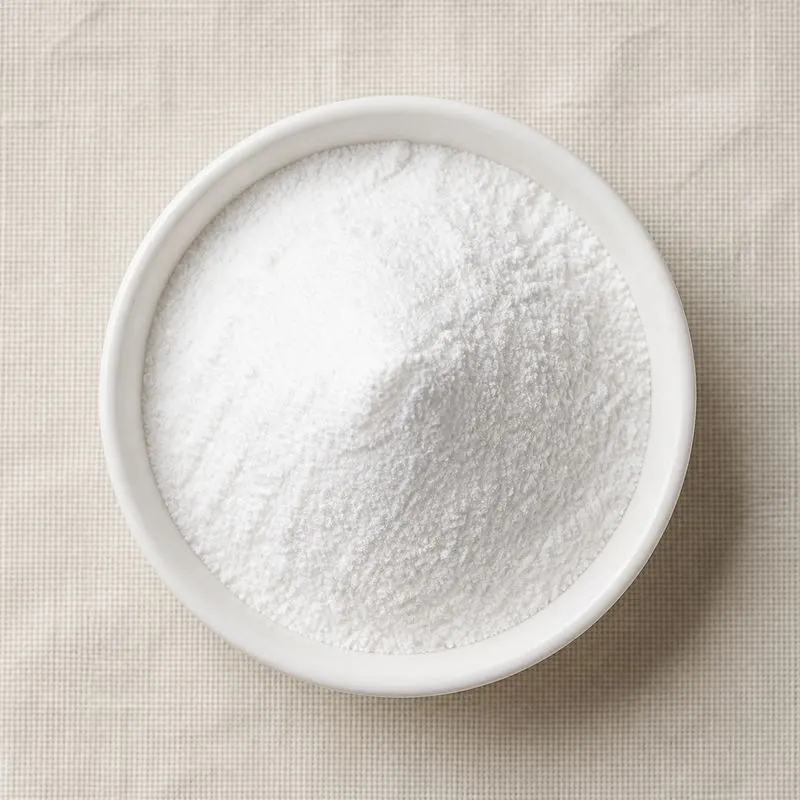
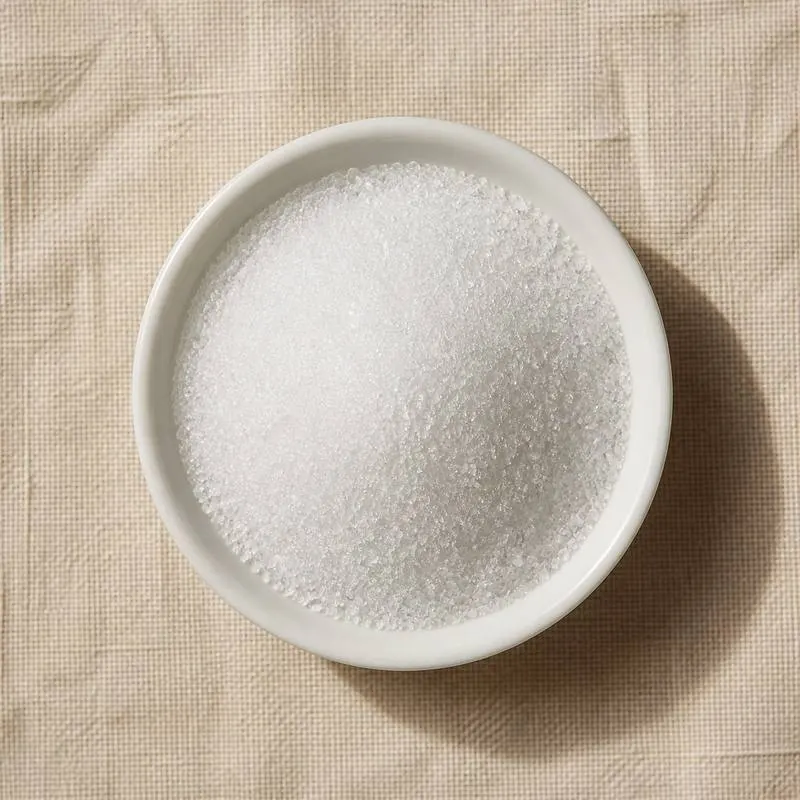
The molecule sits at the centre of the urea cycle, where it carries the ammonia load between mitochondrial and cytosolic compartments of hepatocytes. Supplement-grade material is a white crystalline powder with mildly salty taste and high water solubility, used in sports nutrition for its role as a precursor to L-arginine and downstream nitric oxide.
We source bulk L-Citrulline from top China manufacturers for our partners. The manufacturers are in Anhui and Hebei. For this ingredient the minimum order is 500 kg, and a smaller requirement can ship in a combined container with other ingredients.
Please send the grade you need, the volume and your destination port, and we will come back with a solution and a price.
or call +86-21-6858 0751
- Minimum order
- 500 kg
- Packaging
- 25 kg kraft paper bag with PE inner liner
- Function
- Amino acid
- ISO 9001
- HACCP
- Halal
- Kosher
Specifications
Grades / Types Available: Food Grade, Pharmaceutical Grade
| Item | Specification |
|---|---|
| Appearance | White crystalline powder |
| Assay | ≥98.5% |
| Specific Rotation [α]D20 | +18.0° to +22.0° |
| Loss on Drying | ≤0.5% |
| Residue on Ignition | ≤0.1% |
| pH (2% solution) | 5.0–7.0 |
| Heavy Metals (as Pb) | ≤10 ppm |
| Arsenic | ≤1 ppm |
| Ammonium | ≤0.02% |
| Total Plate Count | ≤1000 CFU/g |
| Purity/Assay (Food Grade) | ≥ 98% |
| Moisture/Loss on Drying | ≤ 0.5% |
| Lead | ≤ 1 ppm |
| Yeast & Mold | ≤ 100 cfu/g |
Common Markets Grades
L-citrulline reaches supplement makers in two principal forms.
Free-form L-citrulline at 98 to 99 percent assay is the standard ingredient for stand-alone supplements, pre-workout blends, and nitric oxide stacks. It is a fine to coarse crystalline powder and is direct-compressible after suitable granulation.
Citrulline-malate, covered in a separate entry, is the most common salt form used in sports nutrition and combines L-citrulline with DL-malic acid in defined molar ratios.
USP-aligned grade at 99 percent or higher is used in clinical nutrition for inborn errors of urea cycle metabolism and in oral rehydration formulations targeting endothelial function. Fermentation source is dominant; the resulting material is non-animal and qualifies for vegan and Halal positioning.
Applications
- Pre-workout powders and capsules for vasodilation and pump positioning
- Nitric oxide and arginine-precursor blends for endurance and resistance training
- Standalone L-citrulline supplements at typical doses of 3 to 6 grams
- Intra-workout and endurance fueling formulations combined with electrolytes
- Erectile function and vascular health supplements for adult male wellness
- Clinical nutrition for urea cycle disorders such as OTC and ASS deficiency
- Oral rehydration and recovery beverages for hospitalized and post-surgical patients
- Cardiometabolic supplements positioned for blood pressure support
- Sports gummies and chewables with vascular and endurance claims
- Equine performance supplements for racehorses and endurance disciplines
- Building block in peptide synthesis and protein engineering research
- Reference standard for amino acid analyser calibration
Brands Using L-Citrulline
Widely-distributed consumer products that list L-Citrulline on the ingredient label.
- NOW SportsL-Citrulline Extra Strength 1,200 mg Tablets ↗Each tablet supplies 1,200 mg L-Citrulline plus stearic acid, croscarmellose sodium, microcrystalline cellulose and vegetarian coating.Label verified 2026-05-24
- BulkSupplementsL-Citrulline Powder ↗A pure unflavoured L-citrulline powder at 3 g per serving.Label verified 2026-05-24
- CellucorNO3 Ultimate ↗Fully disclosed pump formula features 4 g pure L-Citrulline per scoop alongside Nitrosigine, AAKG and NO3-T arginine nitrate.Label verified 2026-05-24
- Optimum NutritionGold Standard Pre Advanced ↗Each scoop delivers 6 g micronized L-Citrulline with 3.2 g beta-alanine and 300 mg caffeine.Label verified 2026-05-24
- Transparent LabsBULK Black Pre-Workout ↗Supplement Facts disclose 8,000 mg Citrulline Malate 2:1 per scoop (providing ~5.3 g L-citrulline) as the pump-driving ingredient.Label verified 2026-05-24
- MuscleTechAmino Build ↗The formula includes L-citrulline malate alongside the 7 g BCAA blend.Label verified 2026-05-24
Brand names, product names and logos are the property of their owners. They appear here as published evidence that the ingredient is used, taken from the brand's own label or website. Their appearance is not an endorsement, and it does not mean the brand buys from us or from any manufacturer listed on this site.
China Manufacturers of L-Citrulline
Top L-Citrulline manufacturers in China.
 Anhui Huaheng Biotechnology Co.,Ltd.8 ingredients in the directory
 Jing Jing Pharmaceutical Co., Ltd.14 ingredients in the directory
Company names and logos are the property of the manufacturers themselves. They are listed here because our own directory records them as producing this ingredient. A listing is not an endorsement by them, and we do not represent them or speak on their behalf.
How We Help Source L-Citrulline
Direct Factory Sourcing
We run the whole process: selecting the manufacturer from the top Chinese food ingredient producers, negotiating the price, verifying quality, and coordinating the logistics. You deal with us instead of with several factories at once.
Original Packaging and Documents from the Manufacturer
The manufacturer sends your L-Citrulline out of its own factory in the original packing, through to your destination port. The COA, COO, MSDS, TDS and any certifications reach you from the manufacturer as well.
Free Samples and Lead Time
We send 100 to 500 g free for your own laboratory to test and you cover only the courier, usually within 2 to 3 working days. ETD is usually within 7 to 15 days once the order is confirmed, and we check that date against the factory's own manufacturing schedule before we give it to you.
Combined Shipment
We can load L-Citrulline together with other ingredients such as Glycine, L-Arginine and L-Leucine into one 20' FCL. If your quantity is small, we can also ship LCL.
Regulatory Status
L-citrulline is recognised as a safe ingredient across major supplement and food markets.
In the United States, L-citrulline is sold as a dietary ingredient under DSHEA, and is also a permitted ingredient in medical foods for urea cycle disorders. The amino acid has been subject to multiple safety reviews by independent panels at typical supplement doses.
In the European Union, L-citrulline is permitted in food supplements in several member states under national notification frameworks. It is also used in medical foods under the relevant FSMP regulation.
Japan recognises L-citrulline in functional food and supplement use, with FFC registrations covering blood vessel function and exercise-related fatigue.
Pharmacopoeial monographs appear in the JP, and harmonised USP-aligned testing covers heavy metals, related substances, and residual solvents. Sports anti-doping authorities do not classify L-citrulline as a prohibited substance.
Manufacturing Process
Modern L-citrulline is produced almost exclusively by microbial fermentation.
Engineered strains of Corynebacterium glutamicum with disrupted argininosuccinate synthetase activity accumulate L-citrulline in the broth rather than converting it onward to arginine. Glucose and ammonium are the principal substrates, and yields have improved markedly over the past two decades through pathway engineering and process optimisation.
The fermentation broth is clarified, then loaded onto a strong cation exchange resin that binds the amino acid. Elution with dilute ammonia, decolorisation through activated carbon, and concentration under vacuum yield a high-purity solution.
Crystallisation from aqueous ethanol gives the final product, which is washed, dried, milled, and packaged. Earlier extraction routes from watermelon rind, the natural source after which the amino acid was named, are no longer commercially relevant.