L-Lysine Acetate
L-lysine acetate is the acetic acid salt of the essential amino acid L-lysine, formed by neutralising the free base with acetic acid in a one to one ratio. Lysine is a dibasic amino acid, and its free base is strongly alkaline and very hygroscopic, so it is always traded as a salt; the acetate is one of the two salts in general commerce, the other being the hydrochloride.
The choice between them is a formulation decision. The hydrochloride contributes chloride, which matters in an infusion solution where the electrolyte balance is prescribed and where a chloride load can drive metabolic acidosis, so amino acid solutions for parenteral nutrition use the acetate instead. The acetate also gives a near neutral solution rather than the mildly acidic one produced by the hydrochloride, and the acetate anion is metabolised to bicarbonate rather than remaining as a fixed anion.
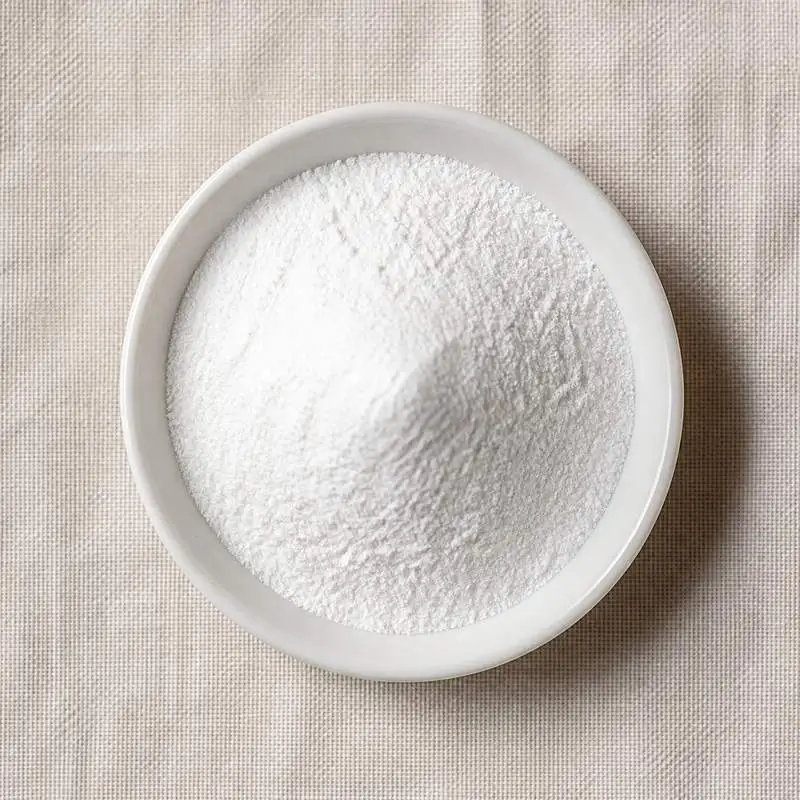
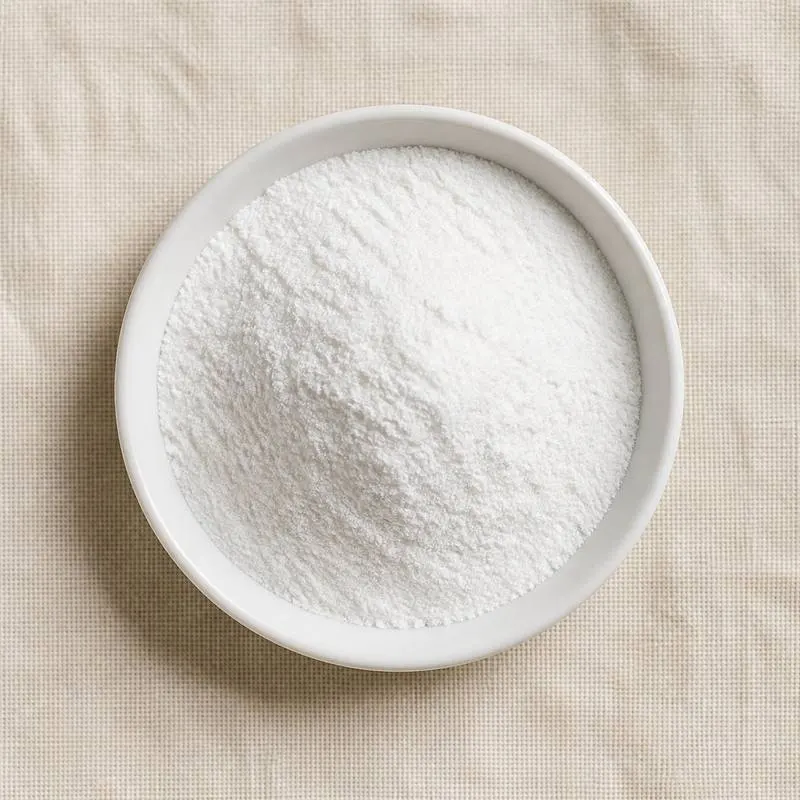
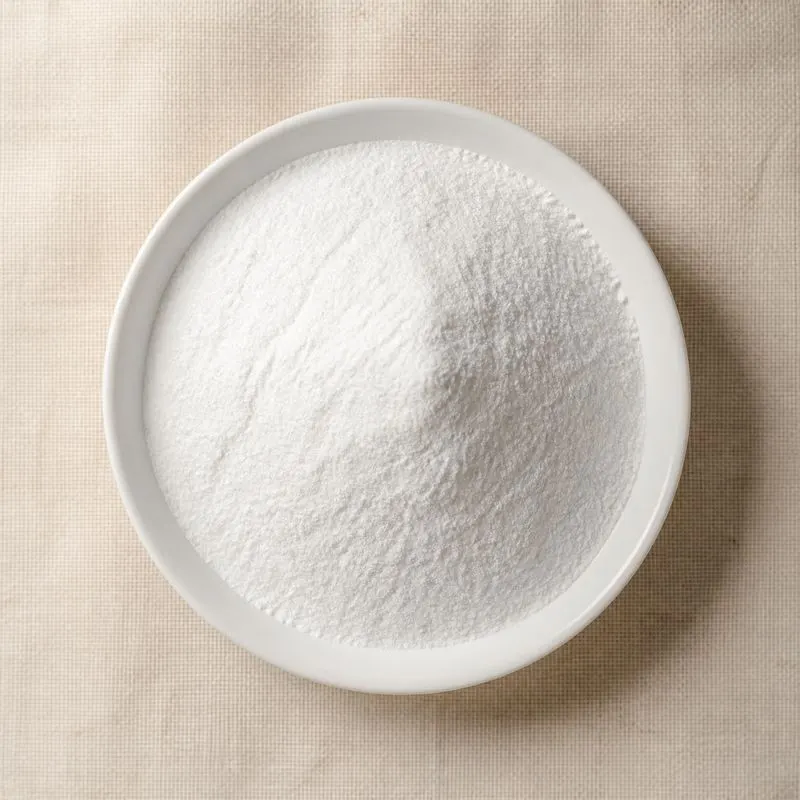
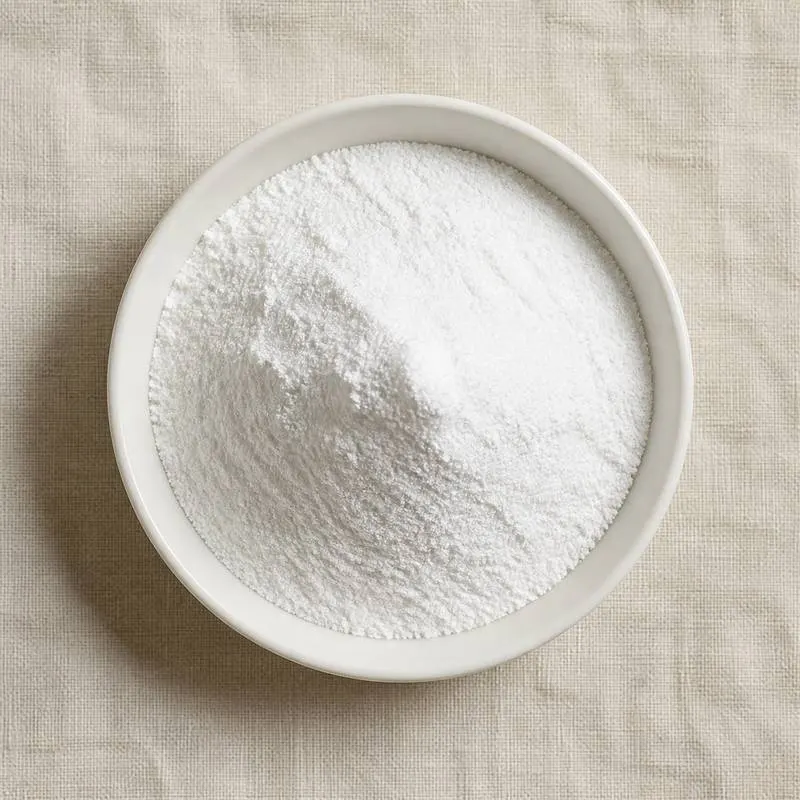
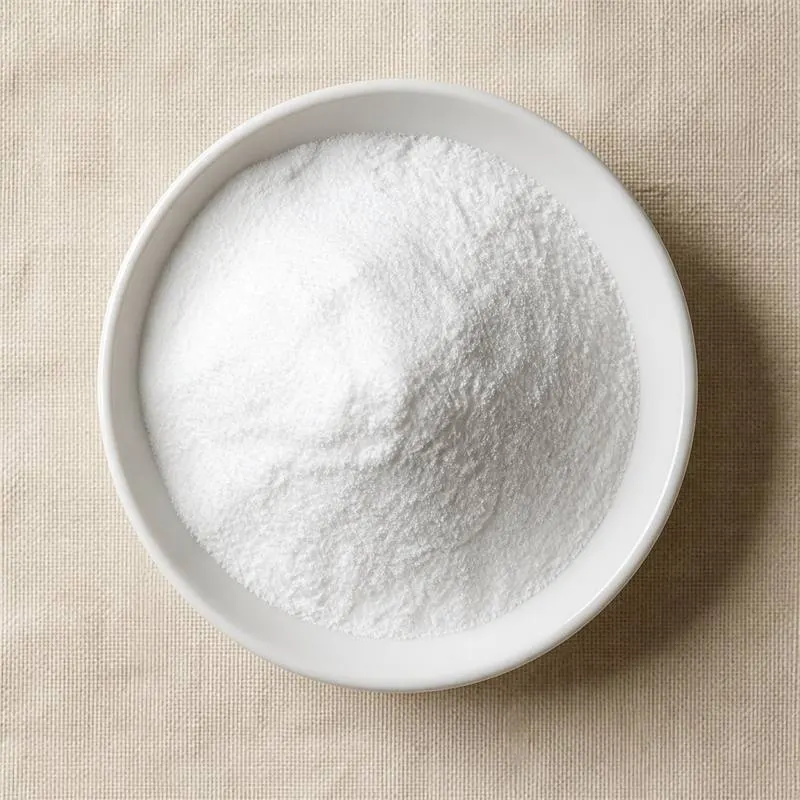
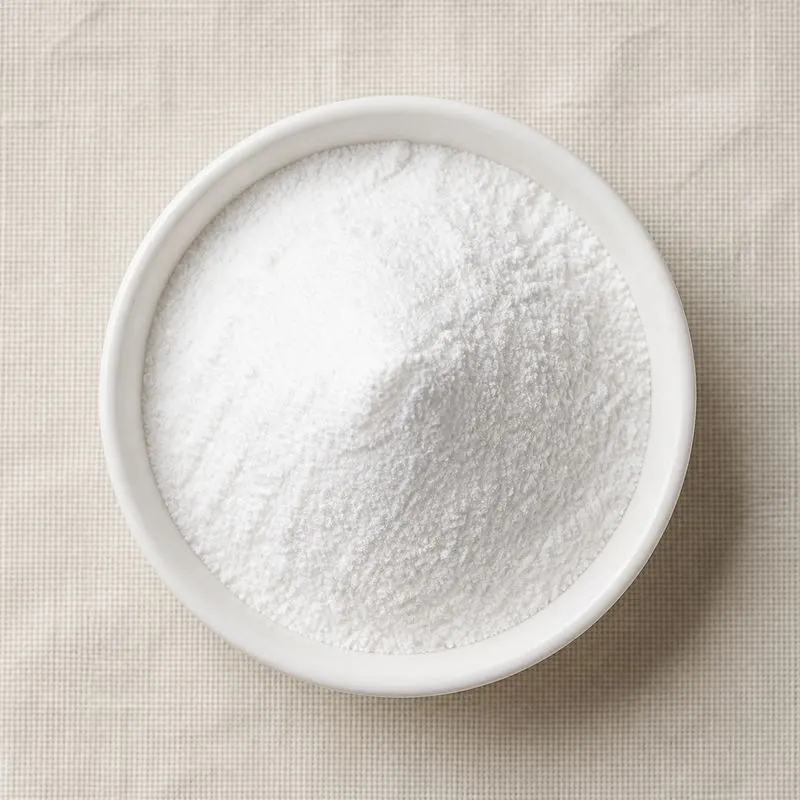
The material is a white to off white crystalline powder, odourless or with a faint acetic note, freely soluble in water and practically insoluble in ethanol. Roughly seventy percent of the weight is lysine, so a dose stated as lysine has to be converted from the salt weight. It is mildly hygroscopic and is packed with a moisture barrier, and as with all lysine products the free amino group reacts with reducing sugars during heating, so lysine added to a system that will be baked or extruded is partly lost to Maillard browning.
We source bulk L-Lysine Acetate from top China manufacturers for our partners. The manufacturer is in Jiangsu. A smaller requirement can ship in a combined container with other ingredients.
Please send the grade you need, the volume and your destination port, and we will come back with a solution and a price.
or call +86-21-6858 0751
- Function
- Amino acid
Specifications
| Item | Specification |
|---|---|
| Appearance | White to off white crystalline powder |
| Identification | Infrared spectrum conforms to reference; positive for acetate |
| Assay, dried basis | 98.5 to 101.5% |
| L-lysine content | 69.0 to 72.0% |
| Optical rotation | Conforms to reference standard for the L configuration |
| pH, 5% aqueous solution | 6.5 to 8.0 |
| Loss on drying | Not more than 1.0% |
| Residue on ignition | Not more than 0.1% |
| Chloride, as Cl | Not more than 0.02% |
| Other amino acids | Not detected by thin layer chromatography |
| Arsenic, as As | Not more than 1 mg/kg |
| Lead, as Pb | Not more than 1 mg/kg |
| Total plate count | Not more than 1,000 cfu/g |
| Salmonella | Absent in 25 g |
Common Markets Grades
The dominant grade is pharmaceutical, produced against pharmacopoeia monographs at an assay of 98.5 to 101.5 percent on the dried basis, with tight limits on related amino acids, ammonium, chloride and heavy metals and, for material destined for injectable solutions, on bacterial endotoxin. That grade supplies the amino acid infusion and parenteral nutrition market, which is the main outlet for the salt. Food and supplement grade is written against a food chemicals style monograph with somewhat wider limits and is used in oral products.
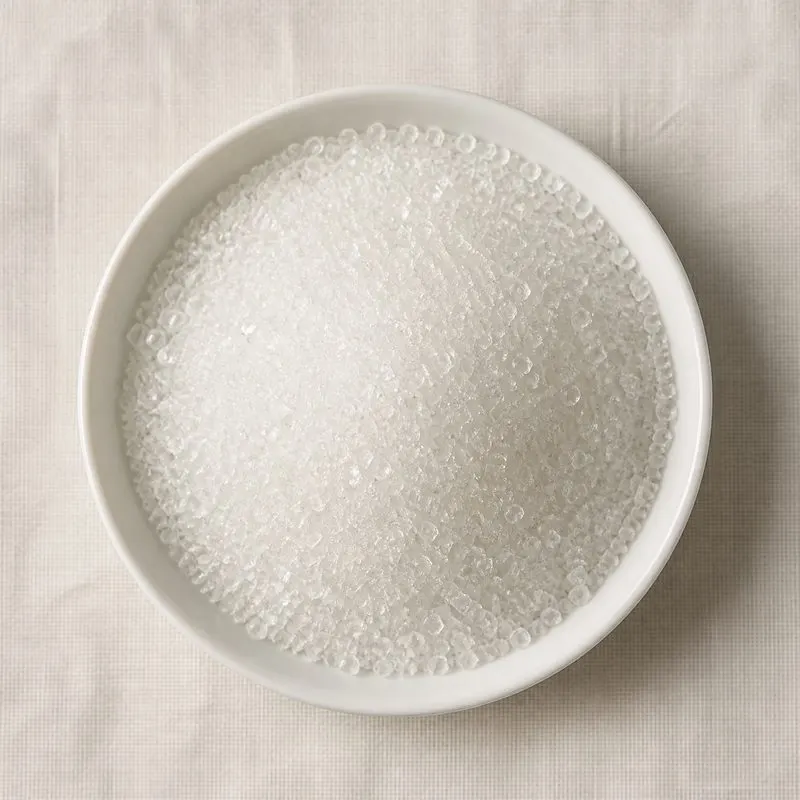
Physical presentations are fine crystalline powder for dissolving into solution manufacture and for sachets, and granulated grades for tablets and capsules. The salt should not be confused with L-lysine hydrochloride, which carries a similar lysine proportion but a different anion, or with L-lysine sulphate, a fermentation broth product of much lower lysine content sold into animal feed. Sterile and low endotoxin presentations come in dedicated packaging for aseptic manufacture.
Applications
- Amino acid infusion solutions and parenteral nutrition, where the acetate anion avoids the chloride load of the hydrochloride
- Enteral and clinical nutrition formulas, where lysine corrects the amino acid profile of the protein base
- Renal and hepatic nutrition products, where anion selection is part of the formulation design
- Oral lysine supplements in tablet and capsule form
- Sports and recovery powders, where lysine forms part of a free amino acid blend
- Cereal based food fortification, where lysine is the limiting amino acid of wheat, rice and maize protein
- Infant and specialised nutrition, where the amino acid pattern of a formula is adjusted
- Cell culture and fermentation media, where a soluble near neutral lysine source is required
- Pharmaceutical intermediates and salt formation, where lysine is used as a counter ion for acidic actives
China Manufacturers of L-Lysine Acetate
Top L-Lysine Acetate manufacturers in China.

Company names and logos are the property of the manufacturers themselves. They are listed here because our own directory records them as producing this ingredient. A listing is not an endorsement by them, and we do not represent them or speak on their behalf.
Regulatory Status
In the United States 21 CFR 172.320 lists lysine among the amino acids permitted for nutritive addition to conventional food, names it in its hydrochloride form and sets conditions on the amino acids added and their proportions, and lysine is also a lawful dietary ingredient in supplements. Material used in injectable amino acid solutions is regulated as a drug substance, made under active pharmaceutical ingredient good manufacturing practice and controlled against the pharmacopoeia monograph for lysine acetate rather than against any food specification.
In the European Union L-lysine acetate is not a food additive and has no E number. Directive 2002/46/EC as amended lists it as a permitted amino acid source in food supplements, and Regulation (EU) No 609/2013 and the delegated acts made under it govern its use in foods for specific groups, including infant formula and food for special medical purposes, and list the permitted lysine forms for each product class. Parenteral products containing the salt are authorised as medicines at Union or member state level. Codex addresses lysine addition in its standards and guidelines for foods for special dietary uses, and JECFA has published specifications for lysine and its salts.
Manufacturing Process
Lysine itself is made by submerged aerobic fermentation. A glucose syrup from hydrolysed maize, wheat or cassava starch, or clarified cane molasses, is sterilised and charged to large stirred, aerated fermenters with an ammonium or urea nitrogen source and a mineral and vitamin supplement. High yielding strains of Corynebacterium glutamicum, engineered to remove the feedback inhibition that would otherwise shut down the biosynthetic pathway, are run in fed batch mode for two to three days with ammonia added continuously as nitrogen source and pH control, and the amino acid accumulates in the broth.
For the acetate the biomass is removed by centrifugation and membrane filtration and the clarified broth is passed over a strong cation exchange resin, which captures the dibasic amino acid while sugars, organic acids and much of the colour pass through. Lysine is eluted with ammonia to give the free base, and the eluate is stripped of ammonia, decolourised over activated carbon and polish filtered. Glacial acetic acid is then added under temperature control to neutralise the base to the one to one acetate, with pH followed to the end point, since excess acid leaves free acetic acid in the product and a shortfall leaves alkaline free base. The neutralised solution is concentrated under vacuum at moderate temperature and crystallised by cooling, often with ethanol added to reduce solubility and improve yield. Crystals are separated in a centrifuge, washed, dried under vacuum or in a low temperature fluid bed, milled or granulated to the target cut, sieved, checked by metal detection and packed with a desiccant barrier.