L-Lysine
L-Lysine is an essential α-amino acid with the formula C₆H₁₄N₂O₂ and a molar mass of 146.19 g/mol. The four-carbon aliphatic side chain ends in a primary amine whose pKa near 10.5 keeps it protonated and positively charged across the entire physiological range, placing lysine in the basic class of proteinogenic amino acids.
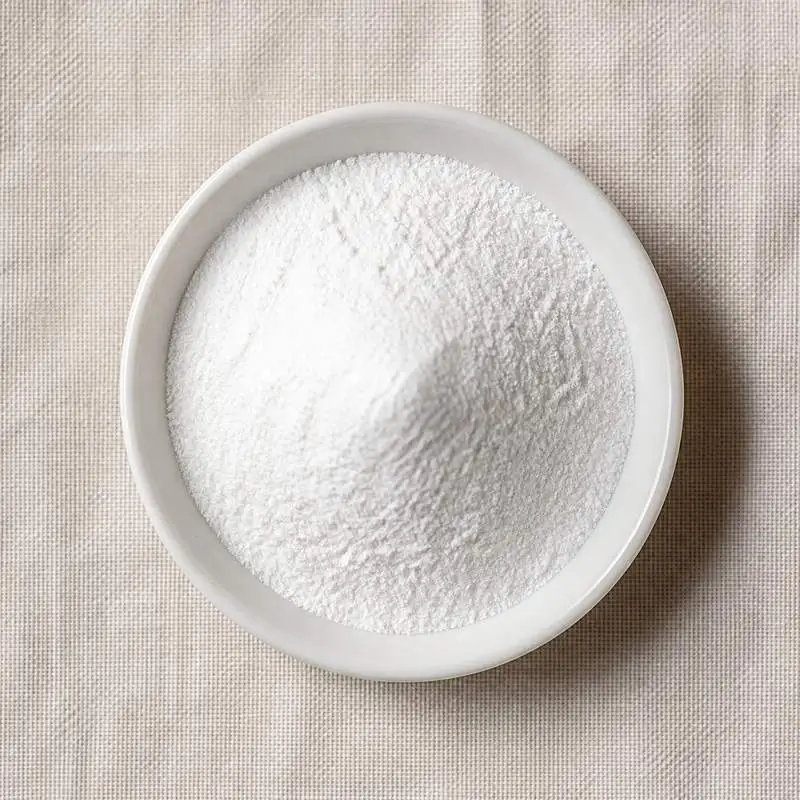
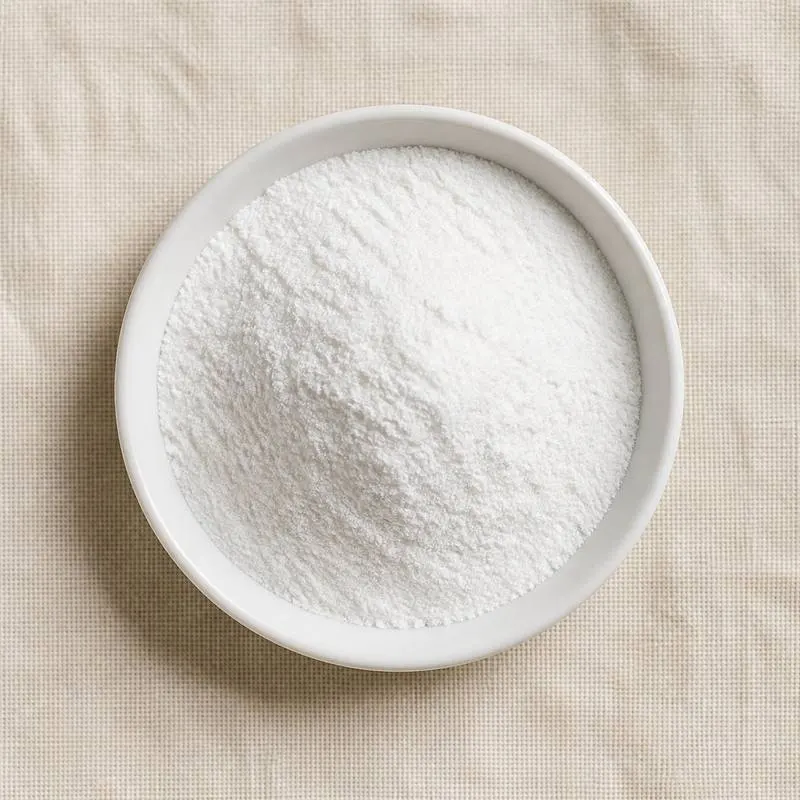
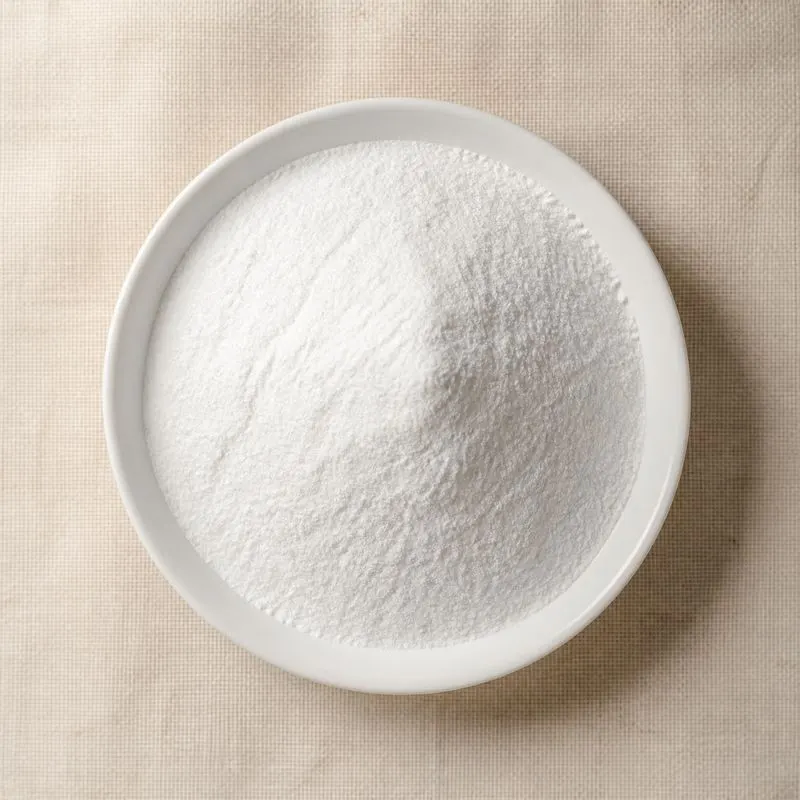
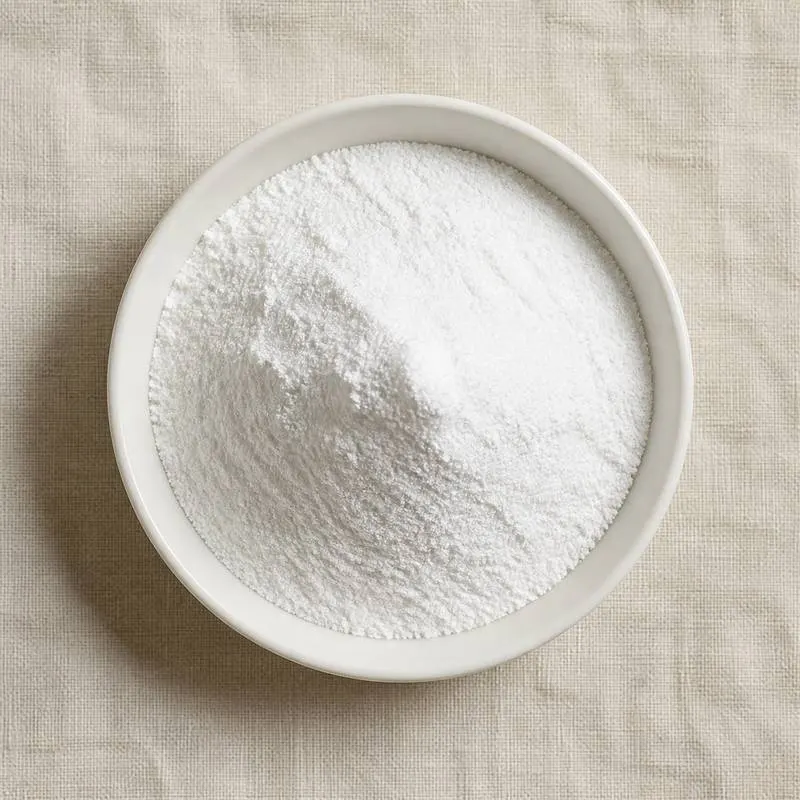
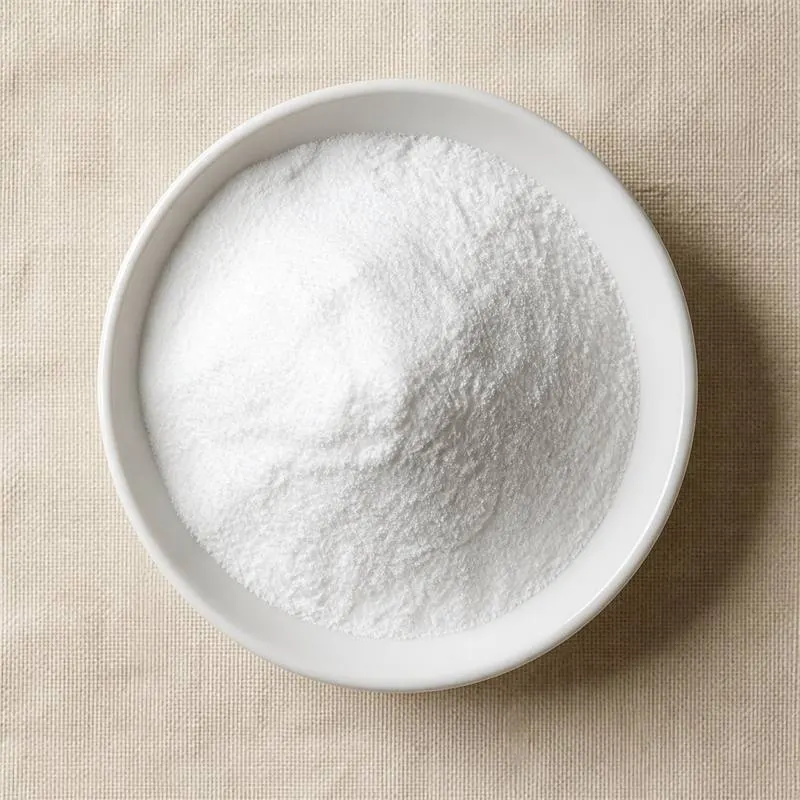
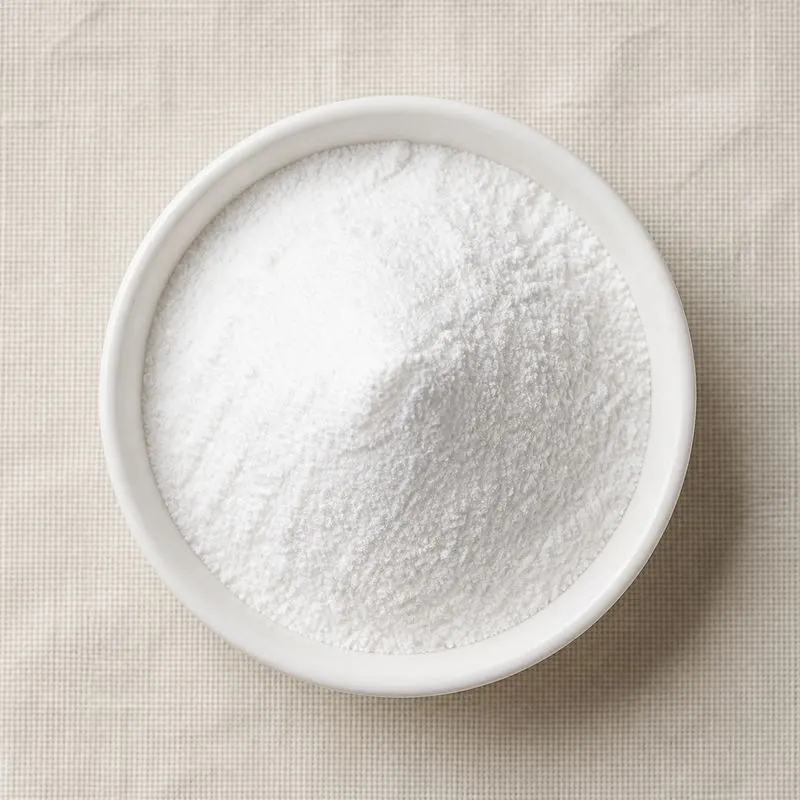
The white crystalline powder is freely soluble in water and faintly bitter. Globally, lysine is the second-largest amino acid product by volume after glutamic acid, with the great majority of supply directed into animal feed.
We source bulk L-Lysine from top China manufacturers for our partners. The manufacturer is in Henan. For this ingredient the minimum order is 18,000 kg and a 20-foot container takes 18 MT, and a smaller requirement can ship in a combined container with other ingredients.
Please send the grade you need, the volume and your destination port, and we will come back with a solution and a price.
or call +86-21-6858 0751
- Minimum order
- 18,000 kg
- Qty in 20' FCL
- 18 MT
- Packaging
- 25 kg kraft paper bag with PE inner liner
- ISO 9001
- HACCP
- Halal
- Kosher
Specifications
Grades / Types Available: Pharma Grade (USP38), Food Grade (FCCV)
| Item | Specification |
|---|---|
| Appearance | White to off-white crystalline powder |
| Assay | ≥98.5% |
| Specific Rotation [α]D20 | +20.0° to +22.0° |
| Loss on Drying | ≤0.5% |
| Residue on Ignition | ≤0.1% |
| pH (5% solution) | 9.0–10.5 |
| Heavy Metals (as Pb) | ≤10 ppm |
| Arsenic | ≤1 ppm |
| Ammonium | ≤0.02% |
| Total Plate Count | ≤1000 CFU/g |
| Chloride | 19.0~19.6% (Pharma Grade) |
| Sulfate | NMT 0.03% (Pharma Grade) |
| Iron | NMT 30ppm (Pharma Grade) |
| Lead | 5mg/kg MAX (Food Grade) |
| Related compounds | Individual impurities: NMT 0.5% Total impurities: NMT 2.0% (Pharma Grade) |
Common Markets Grades
L-Lysine reaches the market as the free base, as the monohydrochloride salt, and as 50 percent and 70 percent liquid concentrates.
Feed grade L-lysine monohydrochloride at 98.5 percent assay is the workhorse product of the global amino acid industry, with annual output measured in millions of tonnes. Feed grade L-lysine sulphate at 70 percent lysine, sold as a free-flowing granulate that includes the fermentation broth solids, is the lower-cost alternative used widely in compound feed mills.
Food and supplement grade L-lysine hydrochloride meets the FCC monograph at 98.5 to 101.5 percent assay on the dried basis. Pharmaceutical grade L-lysine hydrochloride and L-lysine acetate conform to USP, Ph. Eur., and JP monographs and are used in parenteral nutrition admixtures and in oral cold-sore preparations.
Cell-culture and biochemical grades are produced with low endotoxin counts and verified amino acid purity for use in mammalian cell-culture media and peptide synthesis.
Applications
- Feed supplement in swine, broiler, layer, and turkey diets to balance protein intake and reduce crude-protein inclusion
- Feed supplement in aquaculture diets for tilapia, salmon, shrimp, and other species
- Fortification of cereal-based foods (bread, pasta, noodles) where lysine is the limiting amino acid
- Nutritional fortification of infant formula and follow-on nutrition products
- Component of parenteral nutrition admixtures and oral clinical-nutrition products
- Oral lysine supplements positioned for cold-sore (herpes labialis) management
- Component of L-lysine aspirin, an injectable analgesic and antiplatelet preparation
- Building block in peptide synthesis and the production of poly-L-lysine for cell-culture coatings
- Substrate for the chemical synthesis of caprolactam and bio-based polyamide monomers
- Cosmetic skin-conditioning and hair-conditioning agent in shampoos and treatments
- Cell-culture and fermentation media for biopharmaceutical manufacture
- Reagent in clinical chemistry kits and in protein conjugation chemistry through epsilon-amine coupling
Brands Using L-Lysine
Widely-distributed consumer products that list L-Lysine on the ingredient label.
- Hill's Pet Nutrition (Science Diet)Hill's Science Diet Adult Indoor Chicken Recipe Dry Cat Food ↗Hill's Science Diet Indoor Adult cat food lists L-Lysine in the ingredient panel as a supplemental essential amino acid; Hill's confirms L-Lysine is included across multiple Science Diet cat recipes including Kitten, Indoor Adult, Perfect Weight, and Adult Chicken.Label verified 2026-05-24
- Royal CaninRoyal Canin Feline Ultamino Dry Cat Food ↗Royal Canin Feline Ultamino veterinary diet lists L-lysine in its ingredient panel along with L-tyrosine and DL-methionine to provide a complete amino acid profile in this hydrolysed-protein formula.Label verified 2026-05-24
Brand names, product names and logos are the property of their owners. They appear here as published evidence that the ingredient is used, taken from the brand's own label or website. Their appearance is not an endorsement, and it does not mean the brand buys from us or from any manufacturer listed on this site.
China Manufacturers of L-Lysine
Top L-Lysine manufacturers in China.
Company names and logos are the property of the manufacturers themselves. They are listed here because our own directory records them as producing this ingredient. A listing is not an endorsement by them, and we do not represent them or speak on their behalf.
How We Help Source L-Lysine
Direct Factory Sourcing
We run the whole process: selecting the manufacturer from the top Chinese food ingredient producers, negotiating the price, verifying quality, and coordinating the logistics. You deal with us instead of with several factories at once.
Original Packaging and Documents from the Manufacturer
The manufacturer sends your L-Lysine out of its own factory in the original packing, through to your destination port. The COA, COO, MSDS, TDS and any certifications reach you from the manufacturer as well.
Free Samples and Lead Time
We send 100 to 500 g free for your own laboratory to test and you cover only the courier, usually within 2 to 3 working days. ETD is usually within 7 to 15 days once the order is confirmed, and we check that date against the factory's own manufacturing schedule before we give it to you.
Combined Shipment
We can load L-Lysine together with other ingredients such as Glycine, L-Arginine and L-Leucine into one 20' FCL. If your quantity is small, we can also ship LCL.
Regulatory Status
L-Lysine and its salts are broadly accepted as feed additives, food ingredients, and pharmaceutical ingredients.
In the United States, L-lysine monohydrochloride is GRAS for use in food and is authorised as a feed ingredient by the Association of American Feed Control Officials. Independent GRAS notices cover cereal fortification, sports beverages, and clinical-nutrition products.
The European Union has authorised L-lysine monohydrochloride and L-lysine sulphate as nutritional feed additives for all animal species under Regulation (EC) No 1831/2003. Food and supplement uses are permitted under Regulation (EU) No 609/2013, and infant formula use is governed by the same framework.
USP, Ph. Eur., JP, and BP monographs cover the hydrochloride and acetate salts. Halal and Kosher certifications are routinely available for fermentation-derived material that uses plant-based feedstocks and non-animal nitrogen sources.
Manufacturing Process
Industrial L-lysine is produced almost entirely by direct fermentation of glucose using engineered Corynebacterium glutamicum strains, descendants of the same lineage that gave glutamate to the world in the late 1950s. The pathway runs from aspartate through aspartate semialdehyde, dihydrodipicolinate, and diaminopimelate to lysine, with multiple feedback-resistant enzymes installed in producer strains.
Modern fermenters reach titers above 200 g/L over runs of 40 to 60 hours, with conversion yields above 50 percent on sugar. Cane molasses, corn dextrose, beet molasses, and cassava starch hydrolysate are the dominant carbon sources, with ammonia gas supplying nitrogen. Plants are concentrated in China, the United States, Brazil, Indonesia, and France, with ADM, Ajinomoto, CJ CheilJedang, Fufeng, Meihua, Eppen, and COFCO among the largest producers.
Downstream processing diverges by product grade. For feed grade hydrochloride, the broth is acidified, the cells are removed, the lysine is captured on cation-exchange resin, eluted with ammonia, neutralised with hydrochloric acid, concentrated, and crystallised. For feed grade sulphate granulate, the whole broth is simply concentrated and spray-dried with sulphuric acid neutralisation, which keeps cell solids in the final product and improves cost.
Food and pharmaceutical grades go through a second recrystallisation step and additional decolorisation to meet tighter limits on heavy metals, related substances, and colour.