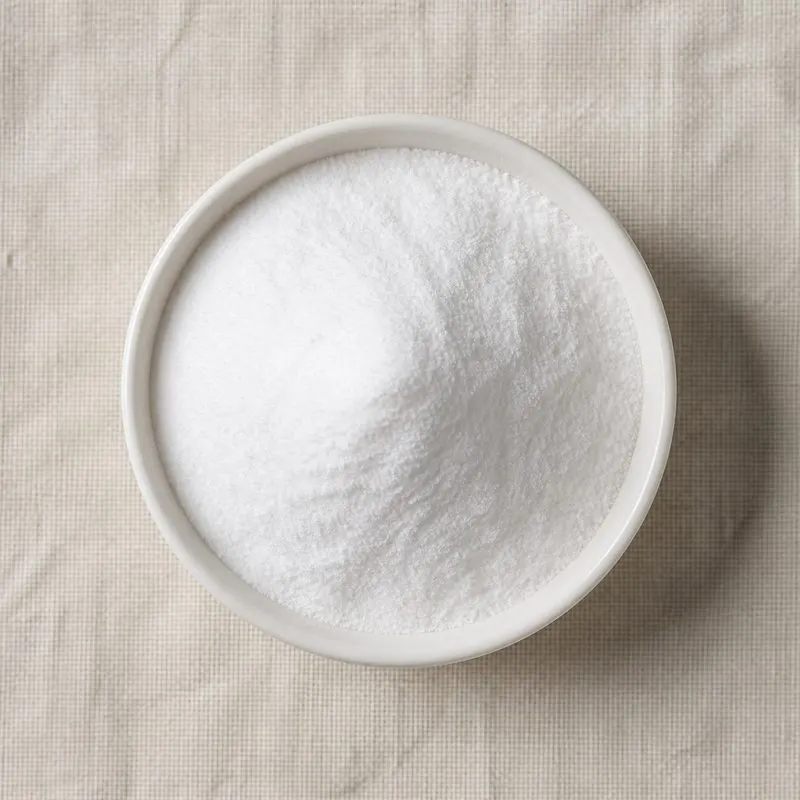
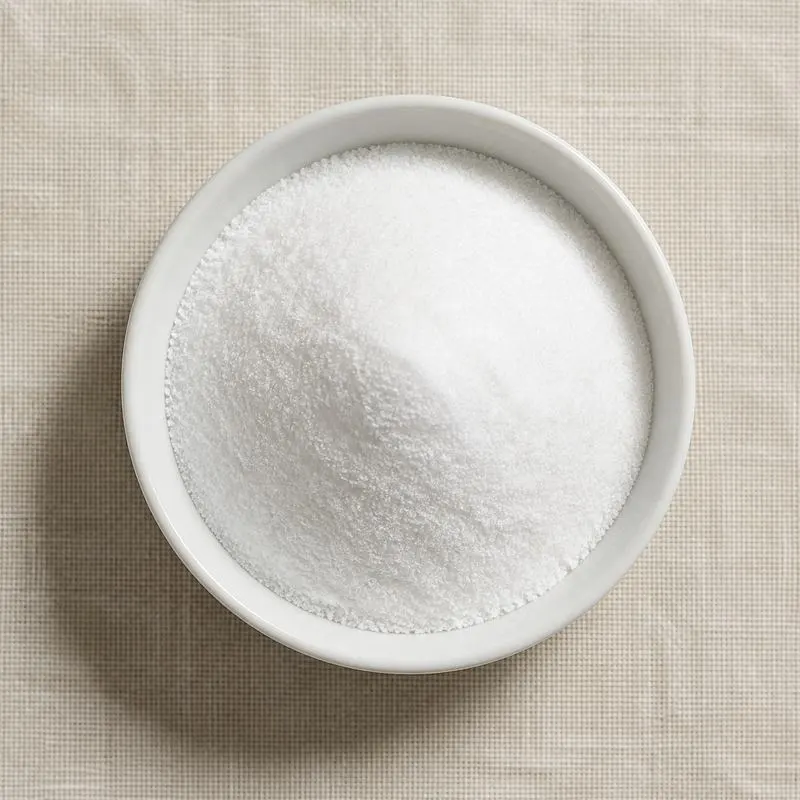
Lactitol
Lactitol is a disaccharide sugar alcohol derived from lactose, used as a low-calorie bulk sweetener in food and as an active osmotic laxative in pharmaceutical formulations.
The molecule is 4-O-beta-D-galactopyranosyl-D-glucitol with formula C₁₂H₂₄O₁₁ and CAS 585-86-4. It delivers 30 to 40 percent of the sweetness of sucrose with a mild clean profile.
We source bulk Lactitol from top China manufacturers for our partners, working with several of them. The manufacturers are in Shandong and Zhejiang. A smaller requirement can ship in a combined container with other ingredients.
Please send the grade you need, the volume and your destination port, and we will come back with a solution and a price.
or call +86-21-6858 0751
- Packaging
- 25 kg kraft paper bag with PE inner liner
- ISO 9001
- HACCP
- Halal
- Kosher
Specifications
Grades / Types Available: Crystal, Liquid
| Item | Specification |
|---|---|
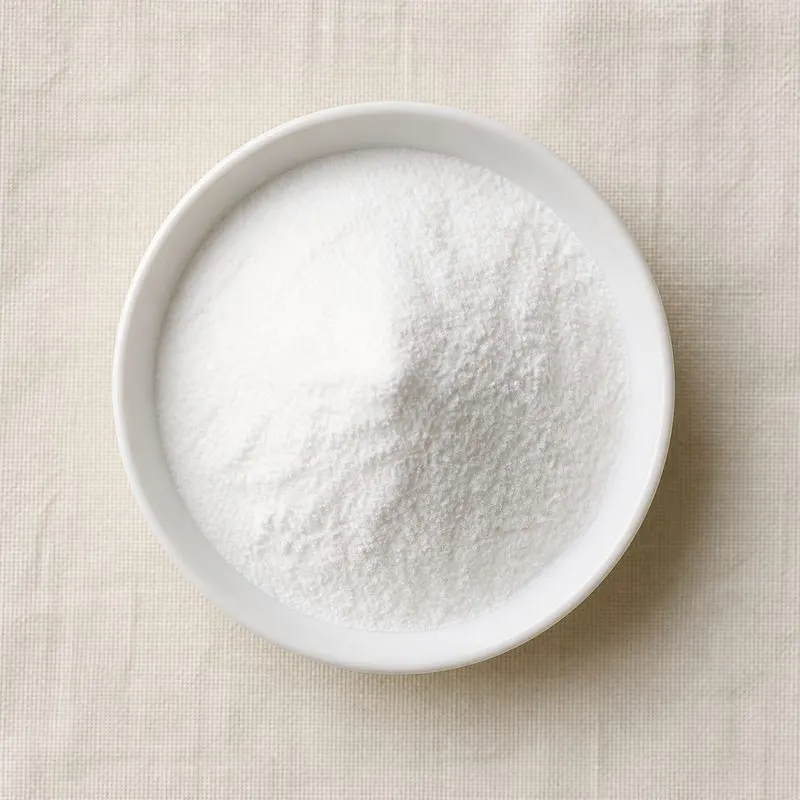
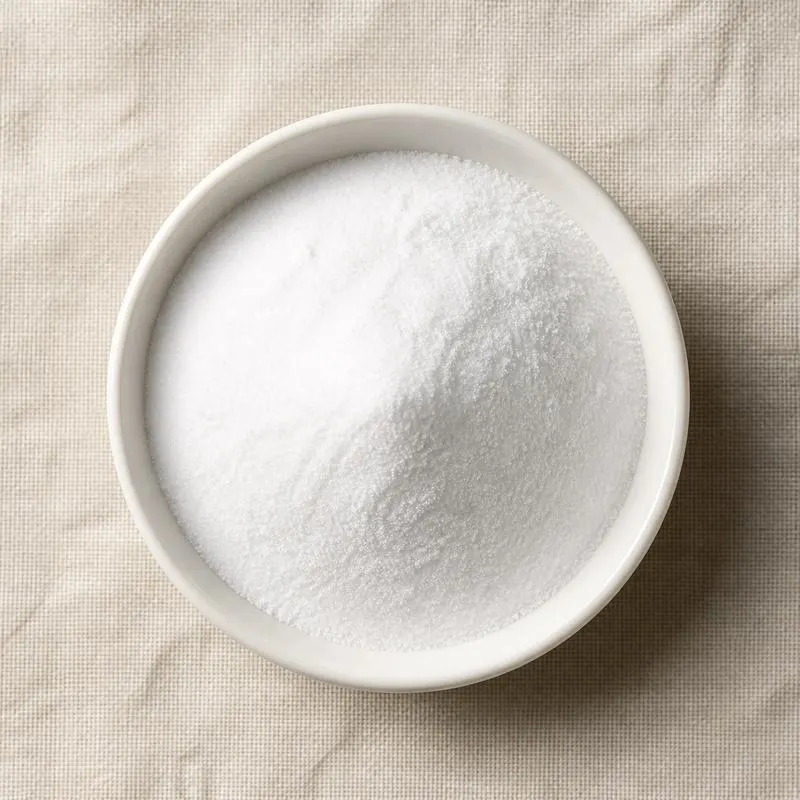
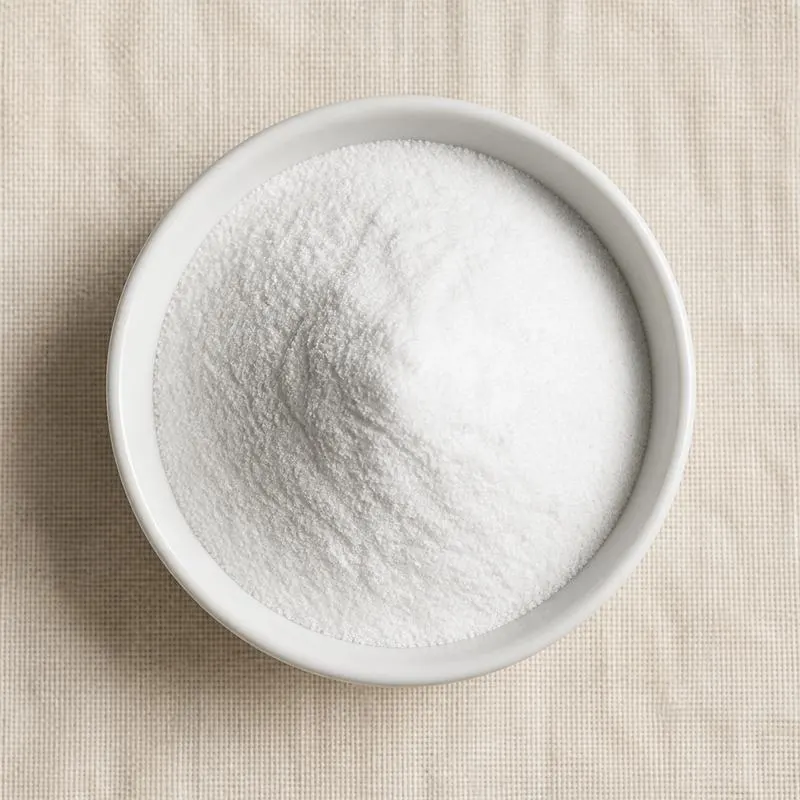
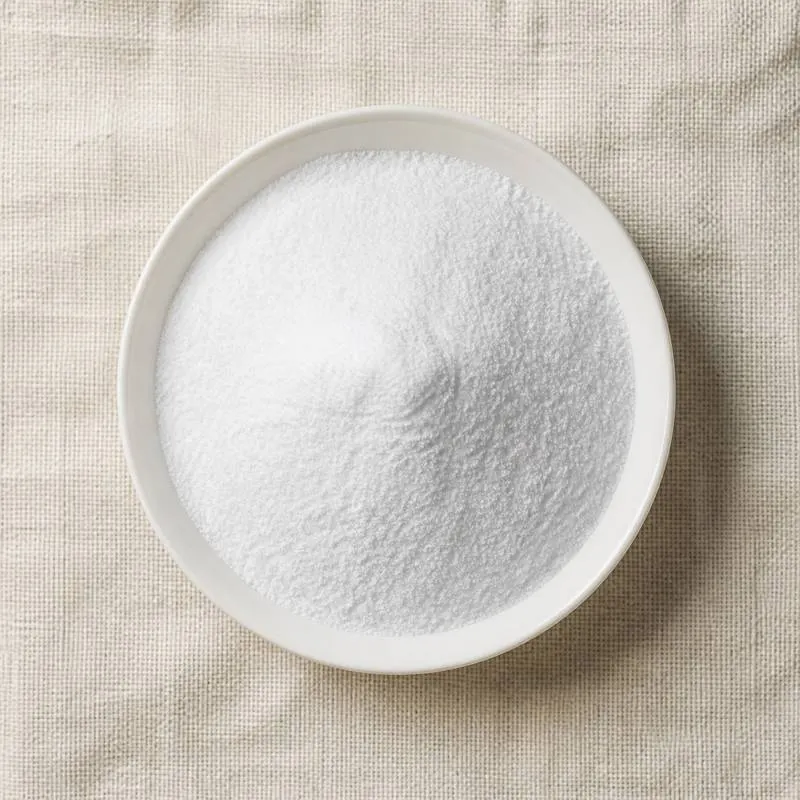
| Appearance | White crystalline powder |
| Lactitol Content | ≥ 95.0% |
| Sorbitol | ≤ 2.0% |
| Reducing Sugars | ≤ 0.2% |
| Loss on Drying | ≤ 0.5% (anhydrous) / ≤ 12.0% (monohydrate) |
| pH (10% solution) | 4.0–7.0 |
| Heavy Metals (as Pb) | ≤ 1 ppm |
| Nickel | ≤ 2 ppm |
| Assay/Purity | ≥ 95% |
| Moisture | ≤ 0.5% |
| Lead | ≤ 1 ppm |
| Arsenic | ≤ 0.5 ppm |
| Residue on Ignition | ≤ 0.1% |
| Total Plate Count | ≤ 1000 cfu/g |
| Yeast & Mold | ≤ 100 cfu/g |
| E.Coli | Negative |
| Salmonella | Negative |
Common Markets Grades
Lactitol comes in two formats, crystalline and powdered.
The food-grade crystalline product is lactitol monohydrate at 95 to 98 percent assay, in standard and fine granulations for bakery, confectionery, and reduced-calorie food applications.
Powdered milled grades support icing, frosting, and direct-compression tabletting.
Pharmaceutical-grade lactitol monohydrate complies with USP-NF and Ph. Eur. monographs. The dedicated pharmaceutical active-ingredient grade used for chronic idiopathic constipation carries tightly controlled particle-size distributions to standardise dose dispersion.
Applications
- Reduced-calorie baked goods, cookies, and biscuits as a sucrose replacement that browns mildly
- Sugar-free chocolate and compound coatings
- Sugar-free chewing gum and pastilles
- Reduced-calorie ice cream and frozen dairy desserts
- Sugar-free hard candies and lozenges
- Diabetic confectionery and reduced-sugar fruit preparations
- Direct-compression tablets and chewable pharmaceutical tablets
- Active pharmaceutical ingredient for the treatment of chronic idiopathic constipation
- Prebiotic-positioned functional foods, often combined with other fermentable carbohydrates
- Dental-care lozenges and oral-hygiene confectionery
- Sugar-free spreads and reduced-calorie jams
Brands Using Lactitol
Widely-distributed consumer products that list Lactitol on the ingredient label.
Brand names, product names and logos are the property of their owners. They appear here as published evidence that the ingredient is used, taken from the brand's own label or website. Their appearance is not an endorsement, and it does not mean the brand buys from us or from any manufacturer listed on this site.
China Manufacturers of Lactitol
Top Lactitol manufacturers in China.
- Shandong Jianyihong Biopharmaceutical Co., Ltd.9 ingredients in the directory
- Shandong Lujian Life Technology Co., Ltd.9 ingredients in the directory
- Zhejiang Huakang Pharmaceutical Co., Ltd.11 ingredients in the directory
Company names and logos are the property of the manufacturers themselves. They are listed here because our own directory records them as producing this ingredient. A listing is not an endorsement by them, and we do not represent them or speak on their behalf.
How We Help Source Lactitol
Direct Factory Sourcing
We run the whole process: selecting the manufacturer from the top Chinese food ingredient producers, negotiating the price, verifying quality, and coordinating the logistics. You deal with us instead of with several factories at once.
Original Packaging and Documents from the Manufacturer
The manufacturer sends your Lactitol out of its own factory in the original packing, through to your destination port. The COA, COO, MSDS, TDS and any certifications reach you from the manufacturer as well.
Free Samples and Lead Time
We send 100 to 500 g free for your own laboratory to test and you cover only the courier, usually within 2 to 3 working days. ETD is usually within 7 to 15 days once the order is confirmed, and we check that date against the factory's own manufacturing schedule before we give it to you.
Combined Shipment
We can load Lactitol together with other ingredients such as Stevia, Erythritol and Maltitol into one 20' FCL. If your quantity is small, we can also ship LCL.
Regulatory Status
Lactitol holds regulatory approval as a food additive and as a pharmaceutical active ingredient.
In the European Union it carries E number E966 and is permitted as a sweetener in many food categories. EU labelling requires the statement excessive consumption may produce laxative effects when a serving delivers more than 10 grams of polyol.
The U.S. Food and Drug Administration accepted lactitol as GRAS in 1993 for use as a nutritive sweetener and bulking agent. The agency has accepted a labelling caloric value of 2.0 kcal per gram.
In 2020 the FDA approved lactitol under the brand name Pizensy as a prescription oral solution for the treatment of chronic idiopathic constipation in adults. The product is dispersed in water and acts through colonic osmotic effect.
JECFA has evaluated lactitol as safe for food use. Pharmacopoeial monographs appear in USP-NF and Ph. Eur. The substance is Kosher and Halal certifiable but is derived from dairy lactose and is therefore typically labelled as a milk-derived ingredient for allergen-disclosure purposes despite the negligible residual protein.
Manufacturing Process
Lactitol is produced by the catalytic hydrogenation of lactose.
The feed is refined edible-grade lactose recovered from cheese whey, the principal byproduct of cheese manufacture. The lactose solution is purified through filtration, ion exchange, and activated-carbon treatment before hydrogenation.
The solution is reacted with hydrogen at 100 to 130 degrees Celsius and 40 to 70 bar over a Raney nickel catalyst. The reducing glucose end of the lactose disaccharide is converted to a sorbitol unit while the galactose unit retains its ring form, yielding lactitol.
The hydrogenated solution is filtered to remove nickel, demineralized through cation and anion exchange resins, decolorised on activated carbon, and concentrated under vacuum.
Controlled cooling crystallisation produces lactitol monohydrate crystals, which are centrifuged, dried, and milled to the target granulation.