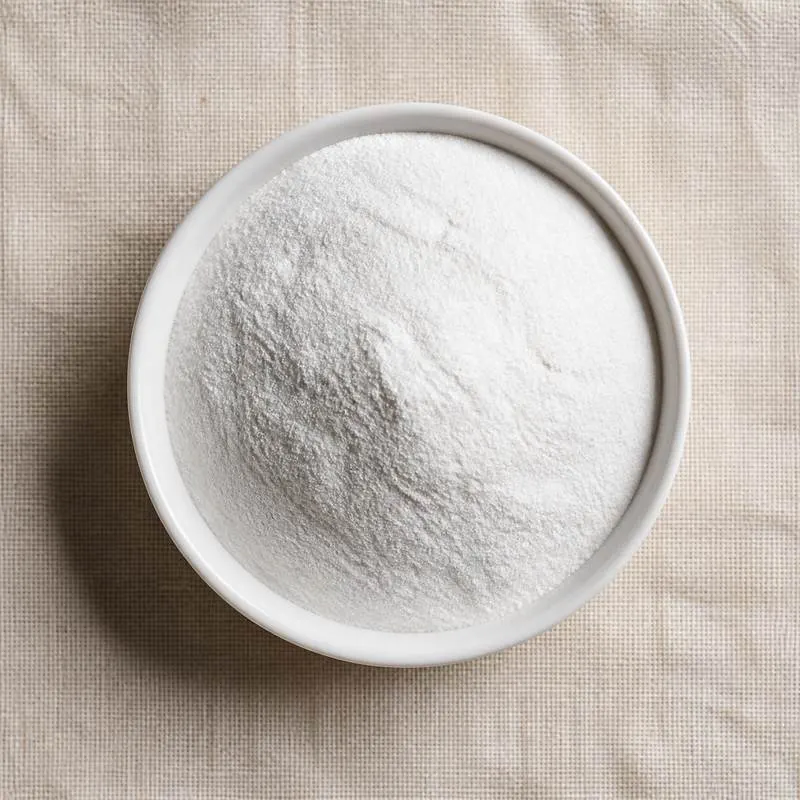
Lactose
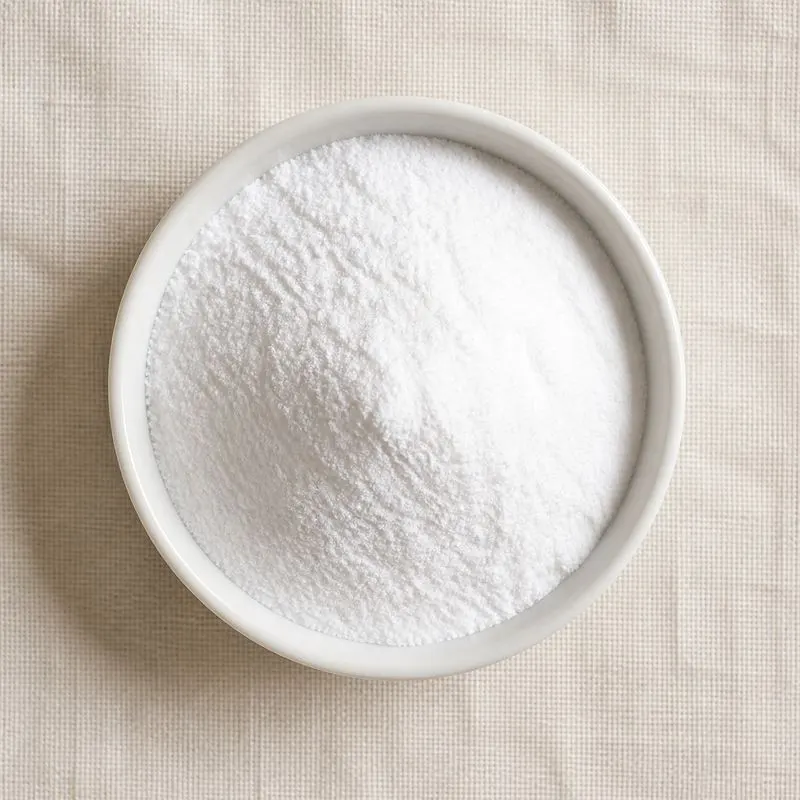
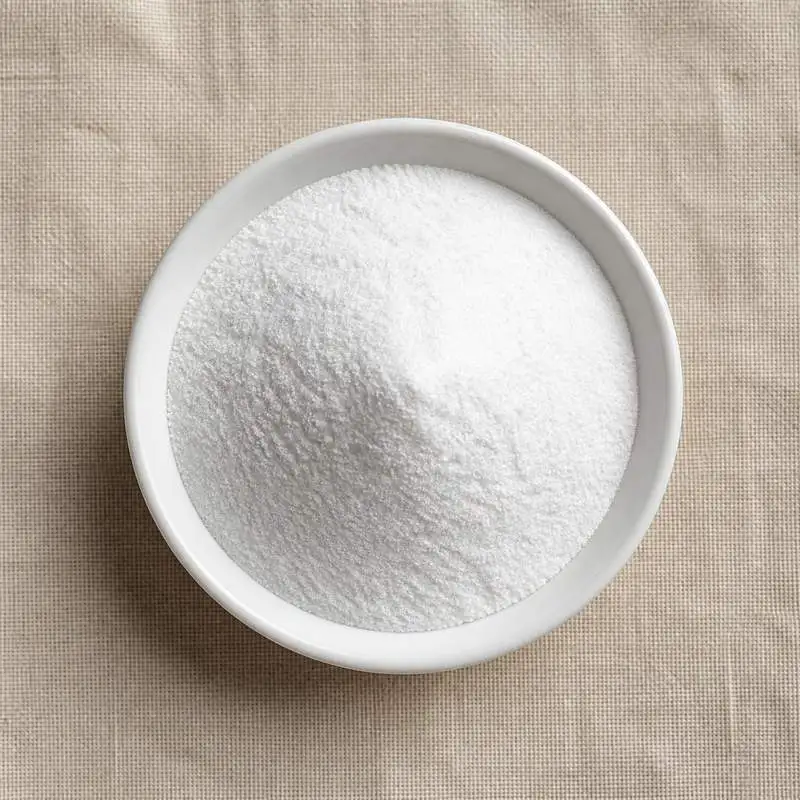
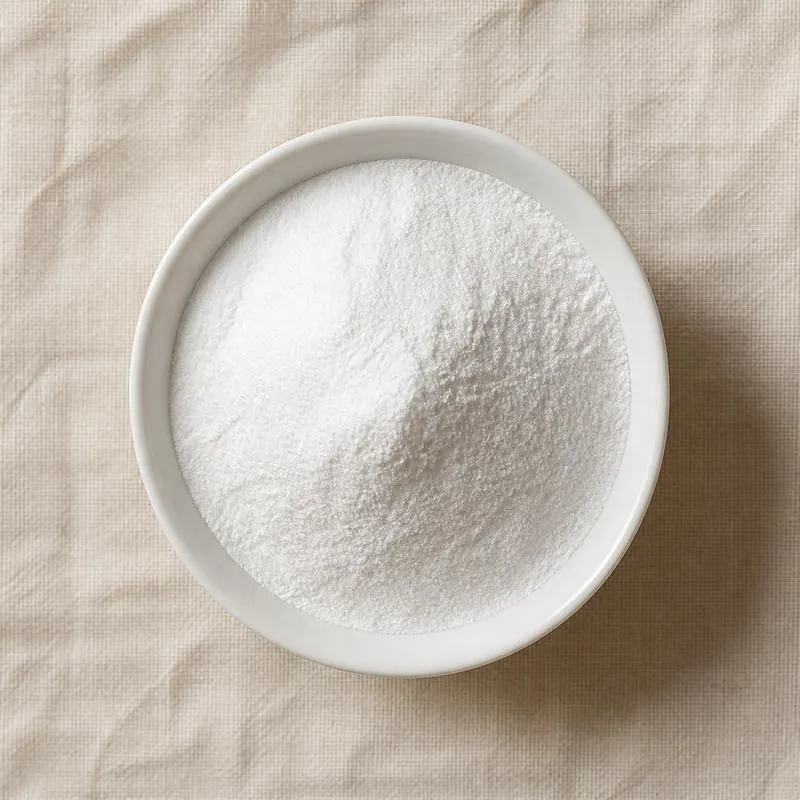
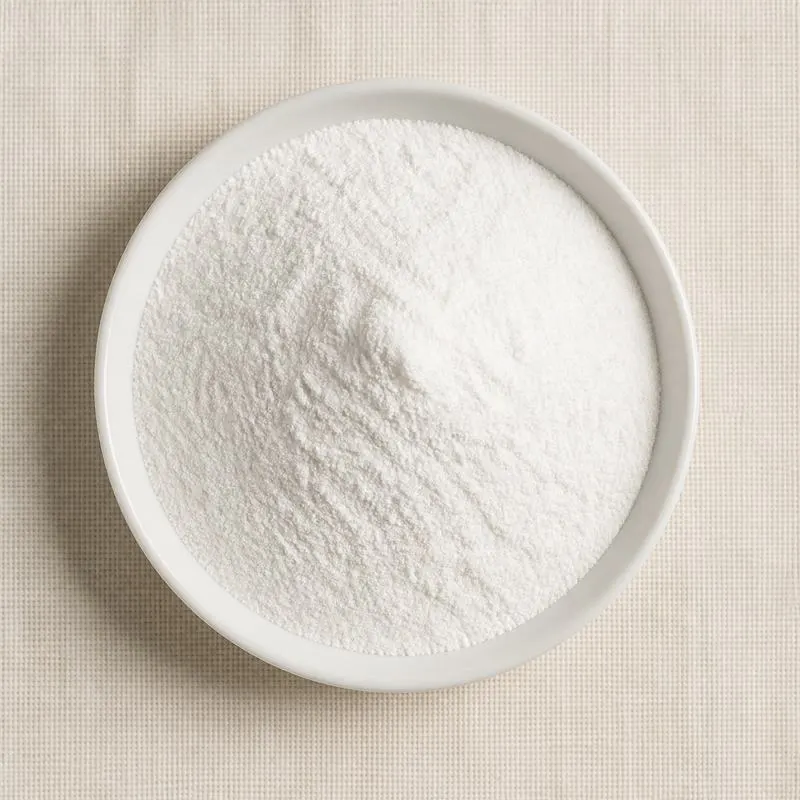
Lactose is the disaccharide of glucose and galactose linked beta 1,4, and it is the sugar naturally present in the milk of mammals. Its formula is C12H22O11 with a molar mass of 342.30 grams per mole, and it is recovered industrially from sweet whey, the liquid left after cheese making. It is a white crystalline powder.
Lactose is about a fifth as sweet as sucrose, which is what makes it useful: it adds solids, bulk and browning capacity to a formulation without adding much sweetness. It exists as two anomers, alpha and beta, which interconvert in solution through mutarotation. Alpha lactose monohydrate is the form crystallised from aqueous solution below 93 degrees Celsius and is the standard commercial article; anhydrous beta lactose is crystallised above that temperature and is more soluble and slightly sweeter.
Solubility is low for a sugar, around 20 grams per 100 millilitres of water at 25 degrees Celsius, and this is the property that decides its behaviour. In concentrated systems it readily supersaturates and then crystallises out as hard, sharp crystals, which is the cause of sandiness in ice cream and condensed milk. It is a reducing sugar, so it participates readily in Maillard browning with milk proteins and amino acids on heating.
We source bulk Lactose from top China manufacturers for our partners, working with several of them. The manufacturers are mostly in Hainan, Beijing and Hubei. A smaller requirement can ship in a combined container with other ingredients.
Please send the grade you need, the volume and your destination port, and we will come back with a solution and a price.
or call +86-21-6858 0751
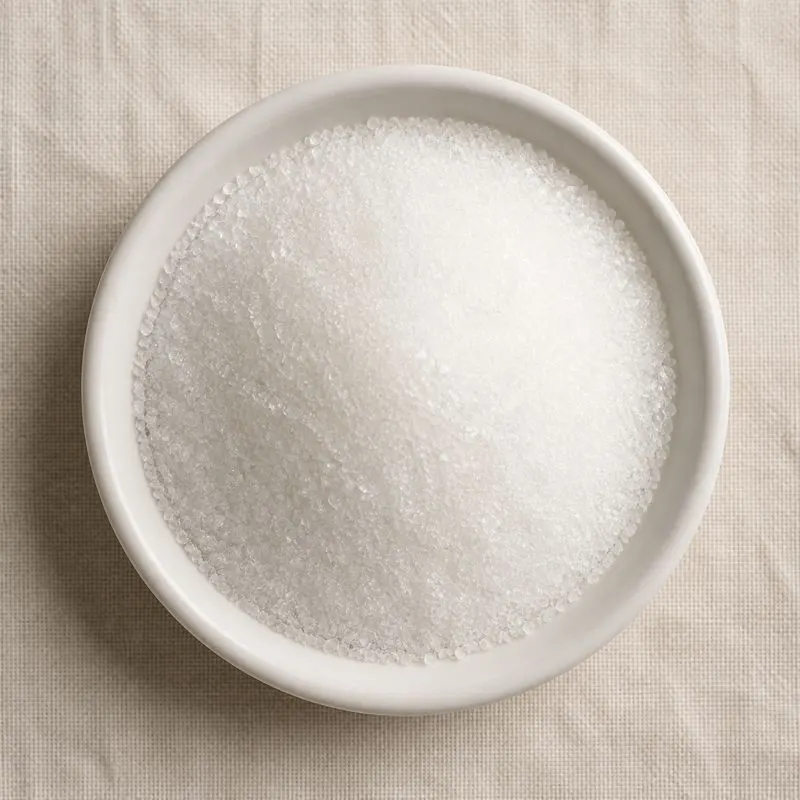
- Function
- Specialty carbohydrate
Specifications
| Item | Specification |
|---|---|
| Appearance | White to slightly off-white crystalline powder |
| Odour and Taste | Odourless, faintly sweet |
| Assay (lactose, dry basis) | ≥ 99.0% |
| Identification | Conforms by infrared spectrum and optical rotation |
| Specific Rotation | +54.4 to +55.9 degrees |
| Loss on Drying | 4.5 to 5.5% as monohydrate |
| Residue on Ignition | ≤ 0.1% |
| Protein | ≤ 0.1% |
| pH (10% solution) | 4.5 to 7.0 |
| Colour of Solution | Not more intense than reference |
| Heavy Metals (as Pb) | ≤ 5 mg/kg |
| Lead | ≤ 0.5 mg/kg |
| Arsenic | ≤ 0.5 mg/kg |
| Total Plate Count | ≤ 1,000 cfu/g |
| Yeast and Mould | ≤ 100 cfu/g |
| Escherichia coli | Negative in 1 g |
| Salmonella | Negative in 25 g |
Common Markets Grades
Edible or food grade lactose is the volume product, specified at 99 percent minimum on a dry basis and traded as regular milled, fine milled or coarse crystalline material depending on the dissolution rate required. Refined grades that have been through additional purification, decolourisation and demineralisation are used where colour, ash and protein residue must be tightly controlled.
Pharmaceutical grade lactose, compendial material meeting the monographs of the major pharmacopoeias, is a separate and more demanding line and is the largest use of lactose outside food. Buyers choose between sieved alpha lactose monohydrate for wet granulation and capsule filling, spray dried lactose for direct compression tableting, and an inhalation grade with a tightly controlled particle size distribution for dry powder inhalers. Anhydrous lactose is offered where the formulation is moisture sensitive. Feed grade, with looser purity and colour limits, goes into milk replacers.
Applications
- Infant formula, where lactose is added to bring the carbohydrate profile of a cow milk base closer to that of human milk
- Tablet and capsule manufacture, as the standard pharmaceutical filler and diluent
- Dry powder inhalers, as the carrier that the micronised drug particles adhere to
- Bakery products, where its reducing sugar behaviour drives crust colour and flavour without adding sweetness
- Confectionery and chocolate, contributing milk solids, body and controlled browning
- Processed meats and sausages, as a fermentable substrate for starter cultures and a mild bulking agent
- Instant beverage powders and creamers, as a free-flowing bulking agent
- Calf and piglet milk replacers, as the principal energy source for young animals
- Fermentation media, as the carbon source for cultures grown on dairy substrates
- Feedstock for the manufacture of lactulose, galactooligosaccharides and lactitol
Brands Using Lactose
Widely-distributed consumer products that list Lactose on the ingredient label.
- Reese'sReese's Milk Chocolate Peanut Butter Cups, 1.5 oz ↗The milk chocolate coating lists lactose among its ingredients, after skim milk and milk fat.Label verified 2026-08-31
- Hershey'sHershey's Cookies 'n' Creme Candy Bar, 1.55 oz ↗White creme bar whose ingredient list names lactose ahead of the cocoa processed with alkali.Label verified 2026-08-31
- CadburyCadbury Dairy Milk Milk Chocolate Candy Bar, 3.5 oz ↗Milk chocolate bar listing lactose inside its milk chocolate ingredient statement.Label verified 2026-08-31
Brand names, product names and logos are the property of their owners. They appear here as published evidence that the ingredient is used, taken from the brand's own label or website. Their appearance is not an endorsement, and it does not mean the brand buys from us or from any manufacturer listed on this site.
China Manufacturers of Lactose
Top Lactose manufacturers in China.
- Captain (Hainan) Food Technology Co., Ltd.3 ingredients in the directory
- China Animal Husbandry Group3 ingredients in the directory
 Hubei Baitewei Biotechnology Co., Ltd.6 ingredients in the directory
 Ningxia Yimei Biotechnology Co., Ltd.3 ingredients in the directory
Company names and logos are the property of the manufacturers themselves. They are listed here because our own directory records them as producing this ingredient. A listing is not an endorsement by them, and we do not represent them or speak on their behalf.
Regulatory Status
In the United States, lactose is a common food ingredient regarded as generally recognised as safe, and it appears in the FDA regulations as a substance permitted in food and in the standards for a number of dairy foods. Pharmaceutical lactose is an excipient covered by the United States Pharmacopeia monographs for lactose monohydrate and anhydrous lactose. Milk is a major food allergen, and because commercial lactose carries a trace of residual milk protein it must be declared as a milk derived ingredient.
In the European Union, lactose is a food rather than an additive, so no E number applies. Milk and products thereof, lactose included, are listed among the allergens that must be emphasised in the ingredient list, and lactose is produced under the hygiene rules for products of animal origin from whey that must itself come from approved establishments. The European Pharmacopoeia carries monographs for lactose monohydrate and anhydrous lactose for pharmaceutical use. Codex has adopted a standard for sugars that covers lactose and sets a minimum purity and provisions on contaminants and hygiene, and JECFA has evaluated lactose as a food ingredient without safety concern at the levels used.
Manufacturing Process
Sweet whey from cheese manufacture is clarified and separated to remove fat and fines, then usually ultrafiltered, with the retentate going to whey protein concentrate and the permeate carrying the lactose forward. The permeate is concentrated in a multiple effect falling film evaporator under vacuum to roughly 60 percent solids, at which point the solution is supersaturated with respect to lactose.
The hot concentrate is transferred to crystallisers and cooled slowly over many hours under controlled agitation, often with seeding, so that alpha lactose monohydrate grows as well formed crystals rather than as a fine unfilterable mass. Cooling rate is the critical variable, since it sets crystal size and therefore the ease of the next step. The crystal slurry is separated in decanter centrifuges or basket centrifuges and the crystals are washed with water to remove adhering mother liquor carrying protein, salts and riboflavin colour. Washed crystals are dried in a fluid bed to below 0.5 percent free moisture, taking care not to exceed the temperature at which the water of crystallisation is lost, then milled and sieved to the required particle size. Refined and pharmaceutical grades take the washed crystals back into solution and recrystallise them after carbon and ion exchange treatment.