Lactoferrin
Lactoferrin is an iron-binding glycoprotein recovered from bovine milk and used as a functional ingredient in infant formula, immune-support supplements, and specialty nutrition.
The molecule is a single-chain protein of roughly 80 kDa carrying two lobes, each able to bind one ferric iron atom. Its CAS number is 146897-68-9.
or call +86-21-6858 0751
- Packaging
- 25 kg kraft paper bag with PE inner liner
- ISO 9001
- HACCP
- Halal
- Kosher
Specifications
Grades / Types Available: Food Grade, Feed Grade
| Item | Specification |
|---|---|
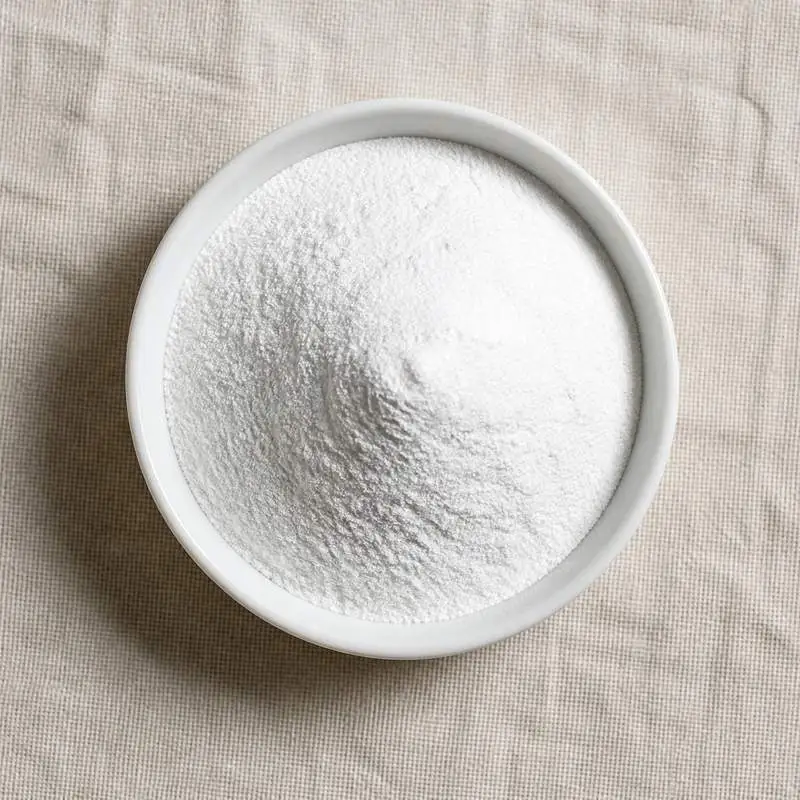
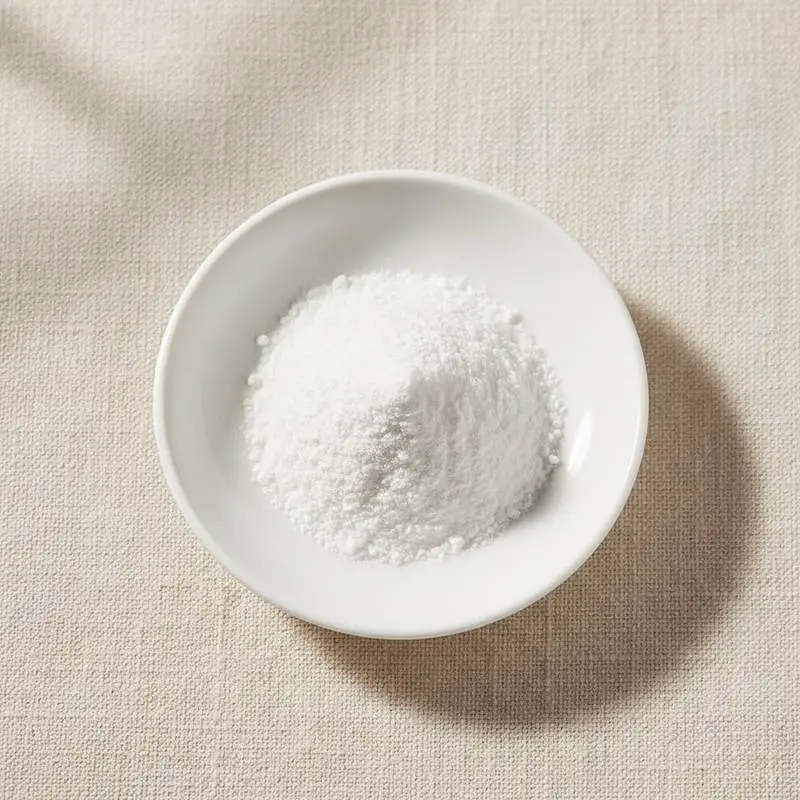
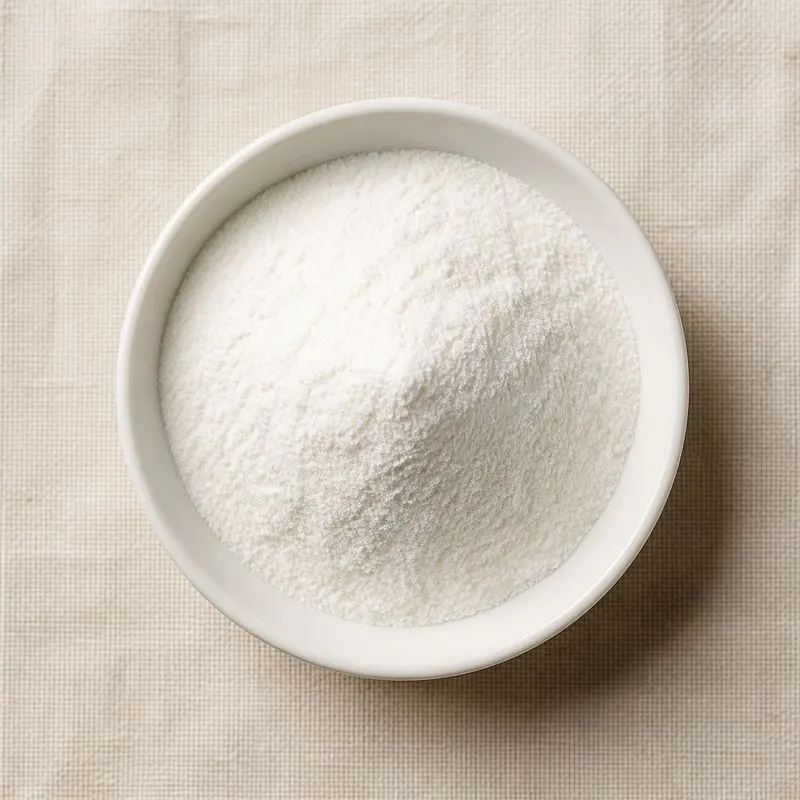
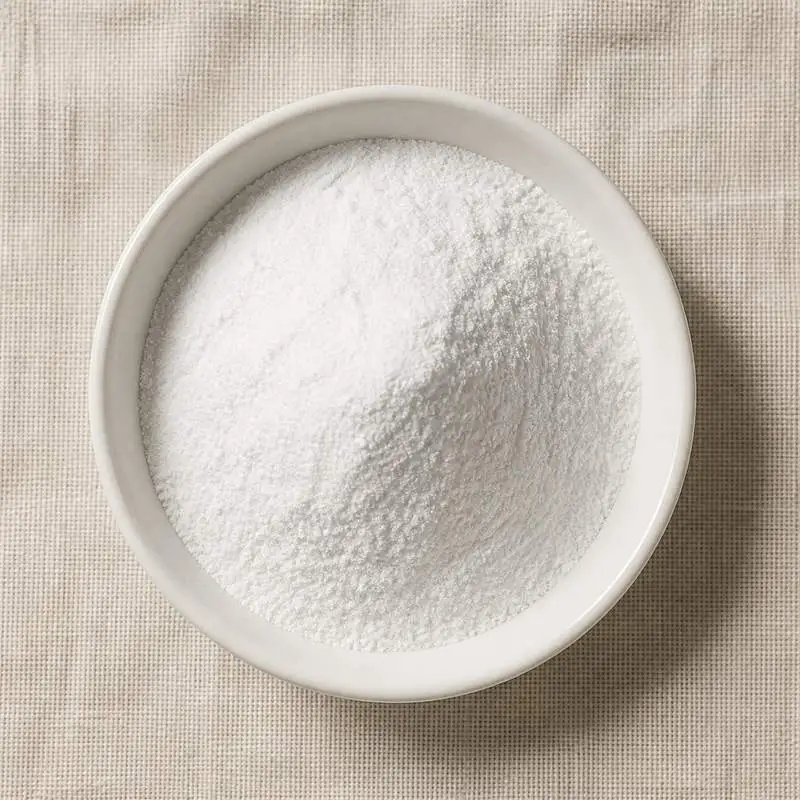
| Appearance | Light pink fine powder |
| Protein (N×6.38) | ≥95% |
| Lactoferrin Content | ≥95% |
| Iron Content | ≤350 mg/kg |
| Moisture | ≤5.0% |
| Ash | ≤1.5% |
| Fat | ≤1.0% |
| Lactose | ≤1.0% |
| pH (1% sol.) | 5.2–7.2 |
| Heavy Metals (as Pb) | ≤0.3 mg/kg |
| Total Plate Count | ≤10,000 cfu/g |
| Coliforms | Negative in 0.1g |
| Salmonella | Absent in 25g |
| Purity (Food Grade) | >90% |
Common Markets Grades
Bovine lactoferrin is graded by purity, iron saturation, and microbial profile.
The standard food grade is 90 percent minimum protein with an iron content typically below 200 ppm, corresponding to apo-lactoferrin in the low-saturation form.
A 95 percent high-purity grade is used in top-tier infant formula and clinical nutrition, where the lower fat and lactose carry-over matters for the final product specification.
Holo-lactoferrin, with iron saturation intentionally raised by post-purification loading, is sold to formulators targeting iron-delivery claims.
Microbial counts and endotoxin limits are tighter for infant-formula grade than for adult supplement grade, and a low-heat-treated grade is produced where native conformation is critical.
Applications
- Infant and follow-on formula as an immunity-positioned ingredient close to the level found in human milk
- Toddler and young-child nutritional powders
- Adult immune-support capsules and tablets, often paired with colostrum or zinc
- Iron-supplement formulations aimed at gentle absorption and lower GI side effects
- Functional yogurts and fermented dairy drinks
- Sports nutrition recovery blends focused on training-load immunity
- Oral health lozenges, toothpastes, and mouthwashes
- Topical cosmetic formulations for acne-prone and sensitive skin
- Clinical nutrition products for elderly and immunocompromised patients
- Pet nutrition for working dogs and senior cats
- Wound-care and post-surgical dietary support products
Brands Using Lactoferrin
Widely-distributed consumer products that list Lactoferrin on the ingredient label.
- Jarrow FormulasLactoferrin 250 mg Capsules (Freeze Dried) ↗Jarrow Formulas Lactoferrin (apolactoferrin) supplies 250 mg of freeze-dried bovine lactoferrin per capsule as an immune-supporting glycoprotein that also helps with iron absorption.Label verified 2026-05-24
- Life ExtensionLactoferrin Caps 300 mg ↗Vegetarian capsules supplying 300 mg apolactoferrin from bovine whey.Label verified 2026-05-24
- EnfamilEnfamil Enspire Optimum Infant Formula (with Lactoferrin) ↗Enfamil Enspire, now branded Enfamil Optimum, is a Mead Johnson infant formula that lists lactoferrin, a protein found in colostrum and breast milk, on its ingredient panel.Label verified 2026-05-24
Brand names, product names and logos are the property of their owners. They appear here as published evidence that the ingredient is used, taken from the brand's own label or website. Their appearance is not an endorsement, and it does not mean the brand buys from us or from any manufacturer listed on this site.
How We Help Source Lactoferrin
Direct Factory Sourcing
We run the whole process: selecting the manufacturer from the top Chinese food ingredient producers, negotiating the price, verifying quality, and coordinating the logistics. You deal with us instead of with several factories at once.
Original Packaging and Documents from the Manufacturer
The manufacturer sends your Lactoferrin out of its own factory in the original packing, through to your destination port. The COA, COO, MSDS, TDS and any certifications reach you from the manufacturer as well.
Free Samples and Lead Time
We send 100 to 500 g free for your own laboratory to test and you cover only the courier, usually within 2 to 3 working days. ETD is usually within 7 to 15 days once the order is confirmed, and we check that date against the factory's own manufacturing schedule before we give it to you.
Combined Shipment
We can load Lactoferrin together with other ingredients such as Arachidonic Acid, Coenzyme Q10 and Chondroitin Sulphate Sodium into one 20' FCL. If your quantity is small, we can also ship LCL.
Regulatory Status
Bovine lactoferrin has GRAS status in the United States under multiple GRAS Notices for use in infant formula, foods, and beverages.
In the European Union it was authorised as a novel food in 2012 for use in a defined list of food categories including infant formula, follow-on formula, dairy products, and food supplements.
Several Asian markets including Japan and Korea accept bovine lactoferrin in infant formula and general food applications under their local food safety frameworks.
Codex Alimentarius standards for infant formula recognise lactoferrin as a permitted optional ingredient, and the FAO/WHO has reviewed its safety in this context.
Halal and Kosher certifications are routinely available where the upstream dairy supply qualifies.
Manufacturing Process
Production starts from fresh skim milk or sweet whey, the byproduct stream of cheese making. The starting liquid is clarified and pasteurised to bring microbial load down to a defined level.
Lactoferrin is then captured by cation-exchange chromatography. At neutral milk pH the protein carries a strong positive charge and binds tightly to sulfopropyl or carboxymethyl resins while most other milk proteins flow through.
Bound lactoferrin is eluted with a salt step, concentrated by ultrafiltration, and diafiltered against water to remove residual lactose and salts.
The concentrate is pasteurised again, spray-dried under conditions chosen to preserve native folding, and packed under controlled atmosphere. Each batch is tested for protein purity by RP-HPLC, iron content by ICP, and microbial profile against the relevant grade specification.