Colostrum
Colostrum is the first milk secreted by a cow in the days immediately after calving, collected and spray dried into a powder that serves as a concentrated source of immunoglobulins and milk growth factors.
It differs from ordinary milk in composition rather than in kind. Where mature milk carries around three percent protein, first milking colostrum carries fifteen percent or more, of which the dominant fraction is immunoglobulin G, accompanied by immunoglobulin A and M, lactoferrin, lactoperoxidase, proline rich polypeptides, insulin like growth factor and a set of oligosaccharides not found at the same level in milk. Fat and lactose are present at levels that shift sharply between the first and later milkings, which is why collection timing is specified in the trade.
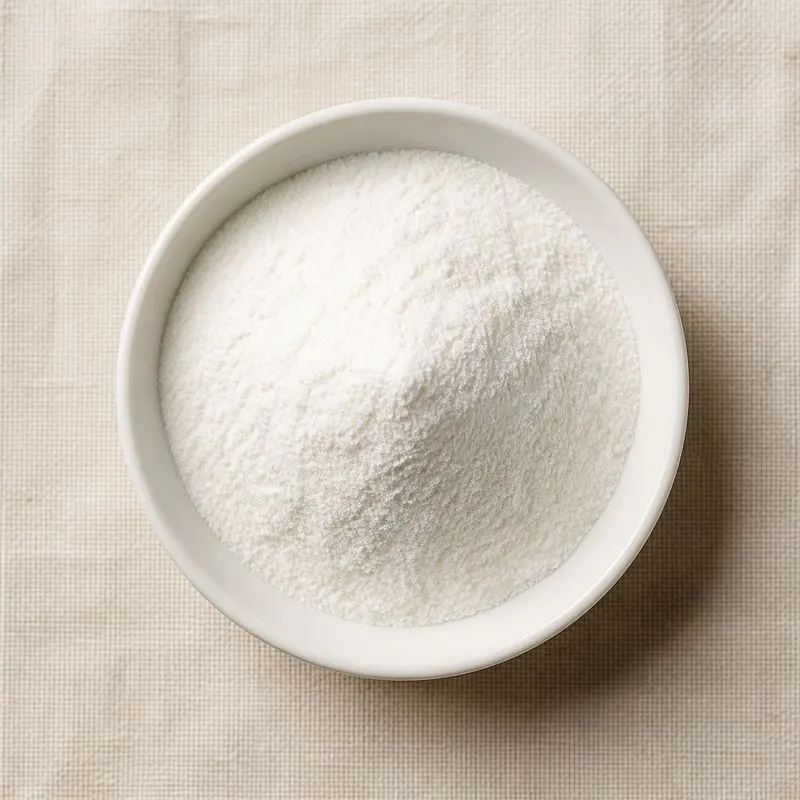
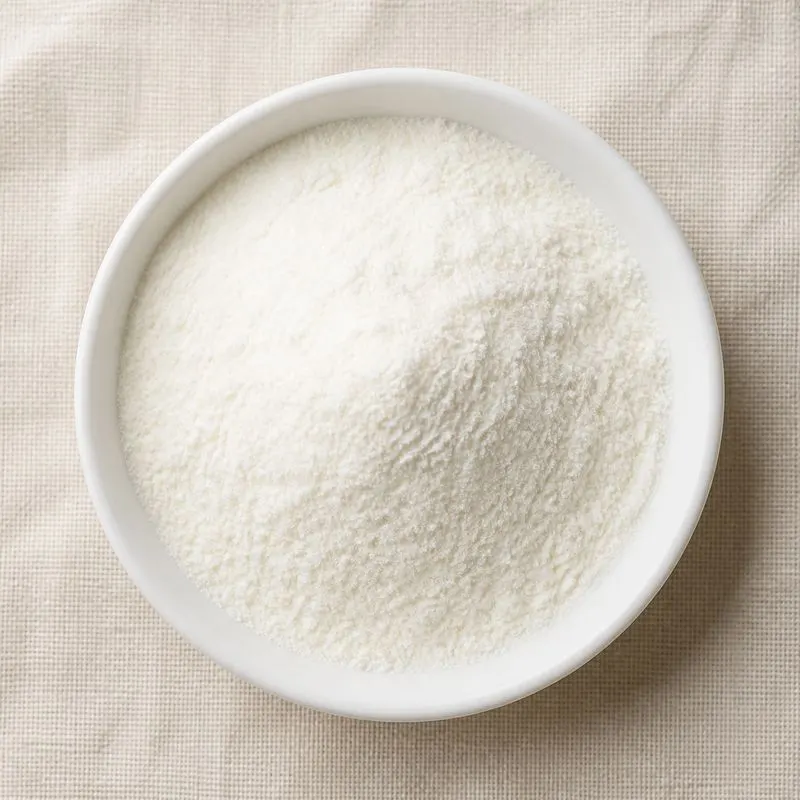
The dried product is a cream to pale yellow free flowing powder with a mild dairy odour and a faintly sweet, slightly cheesy taste. It disperses in water to a hazy solution and is hygroscopic. The active proteins are easily damaged by heat, so the material is processed by low temperature pasteurisation and spray drying rather than by conventional high heat drying, and finished powder is held cool and dry to protect the immunoglobulin titre through shelf life.
We source bulk Colostrum from top China manufacturers for our partners. The manufacturer is in Heilongjiang. A smaller requirement can ship in a combined container with other ingredients.
Please send the grade you need, the volume and your destination port, and we will come back with a solution and a price.
or call +86-21-6858 0751
- Function
- Nutraceutical
Specifications
| Item | Specification |
|---|---|
| Appearance | Cream to pale yellow free flowing powder |
| Immunoglobulin G | Not less than 20.0% |
| Crude Protein, dry basis | Not less than 45.0% |
| Fat | Not more than 20.0% |
| Lactose | Not more than 30.0% |
| Moisture | Not more than 5.0% |
| Total Ash | Not more than 8.0% |
| pH, 10% solution | 6.0 to 7.0 |
| Antibiotic Residues | Negative |
| Lead | Not more than 0.5 mg/kg |
| Total Plate Count | Not more than 10,000 CFU/g |
| Yeast and Mould | Not more than 50 CFU/g |
| E. coli | Absent in 1 g |
| Salmonella | Absent in 25 g |
Common Markets Grades
Grades are set primarily by immunoglobulin G content on a dry basis. Standard supplement grade is commonly specified at 15 or 20 percent IgG, with concentrated grades at 30 and 40 percent produced by membrane enrichment, and a high IgG grade above that made by chromatographic fractionation. Whole colostrum powder retains the natural fat and lactose; defatted and delactosed grades are made by separation and membrane processing where a higher protein concentration or a low lactose declaration is needed.
Beyond the IgG figure, buyers specify the milking window, since first milking material carries a much higher immunoglobulin titre than pooled early milkings, and whether the powder is instantised for dispersion. Skim, whole and colostrum whey grades are traded separately, and specialised fractions such as isolated lactoferrin, proline rich polypeptide concentrate and colostrum oligosaccharide preparations are handled as distinct ingredients. Documentation of herd health status, absence of antibiotic residues and the absence of recombinant bovine somatotropin is standard in the specification.
Applications
- Immune support capsules, tablets and powders, the largest single supplement outlet
- Gut health and intestinal barrier formulations, often combined with probiotics and glutamine
- Sports nutrition recovery blends positioned on training load and gut permeability
- Infant and toddler growing up formulas in markets where the ingredient is permitted
- Functional dairy drinks and yoghurt where a low heat process preserves the active fraction
- Medical and clinical nutrition products aimed at gut recovery and elderly nutrition
- Chewable tablets and lozenges positioned on upper respiratory support
- Calf and companion animal feed supplements, the original use for surplus material
- Topical and cosmetic preparations using the growth factor fraction
Brands Using Colostrum
Widely-distributed consumer products that list Colostrum on the ingredient label.
- ARMRAColostrum Unflavored Jar ↗Powdered drink mix whose ingredient line reads proprietary ARMRA Colostrum Concentrate (Bovine), with a milk allergen statement.Label verified 2026-08-31
- CodeageColostrum Powder ↗Powder listing grass-fed bovine colostrum from first milking as its ingredient, at 1,000 mg per serving.Label verified 2026-08-31
- Cowboy ColostrumNature's Gold Unflavored Colostrum ↗Single-ingredient powder listed as grass-fed bovine colostrum, 3 g per scoop, with a milk allergen statement.Label verified 2026-08-31
Brand names, product names and logos are the property of their owners. They appear here as published evidence that the ingredient is used, taken from the brand's own label or website. Their appearance is not an endorsement, and it does not mean the brand buys from us or from any manufacturer listed on this site.
China Manufacturers of Colostrum
Top Colostrum manufacturers in China.
Company names and logos are the property of the manufacturers themselves. They are listed here because our own directory records them as producing this ingredient. A listing is not an endorsement by them, and we do not represent them or speak on their behalf.
Regulatory Status
In the United States, bovine colostrum is handled as a dietary ingredient under the Dietary Supplement Health and Education Act and as a dairy ingredient subject to the Grade A milk framework where it enters the fluid dairy chain, with the Food Safety Modernization Act preventive controls applying to the drying plant. It is a milk derived ingredient and must be declared as a milk allergen under the Food Allergen Labelling and Consumer Protection Act. Claims are limited to structure function statements, and drug like claims about specific infections are not permitted.
In the European Union, bovine colostrum is a product of animal origin regulated under the food hygiene rules, which set specific requirements for its collection, treatment and traceability separately from raw milk, and it must come from approved establishments. It is not a food additive and carries no E number. Its status for supplement and food use is handled under general food law in most member states, while a specific concentrated fraction produced by a novel process may require assessment under the novel food regulation on its own specification. Milk is an Annex II allergen under the food information regulation and must be declared. Codex covers the material through its general standards for contaminants and its codes of hygienic practice for milk and milk products rather than through a JECFA specification.
Manufacturing Process
Colostrum is collected on farm at the first milkings after calving, kept separate from the bulk milk line, and immediately chilled or frozen because the immunoglobulin titre falls with every hour at ambient temperature and the material is an excellent medium for bacterial growth. Collected lots are tested for IgG titre, for antibiotic residues and for total plate count before they are accepted, and are pooled by titre so that batches can be standardised.
At the plant the thawed or chilled colostrum is clarified and, where a defatted grade is wanted, separated in a centrifugal separator. It is pasteurised at a low temperature and long hold, or by a high temperature short time cycle tuned well below normal milk conditions, because the immunoglobulins denature at ordinary pasteurisation settings. The pasteurised liquid is then concentrated on ultrafiltration membranes, which raise the protein content while passing lactose and minerals into the permeate, and diafiltration is used where a delactosed or higher IgG grade is the target. The concentrate is spray dried in a tower run with a reduced inlet temperature and a short residence time, then cooled, sieved, optionally instantised by agglomeration with lecithin, tested for IgG by immunoassay, blended to the declared potency and packed in foil laminate under low humidity.