Lavender Oil
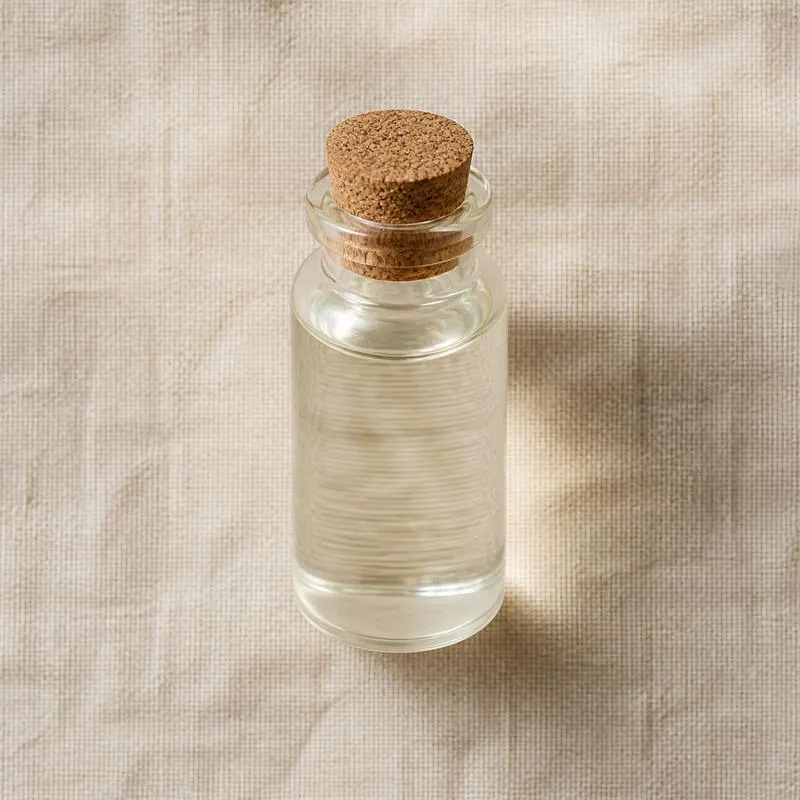
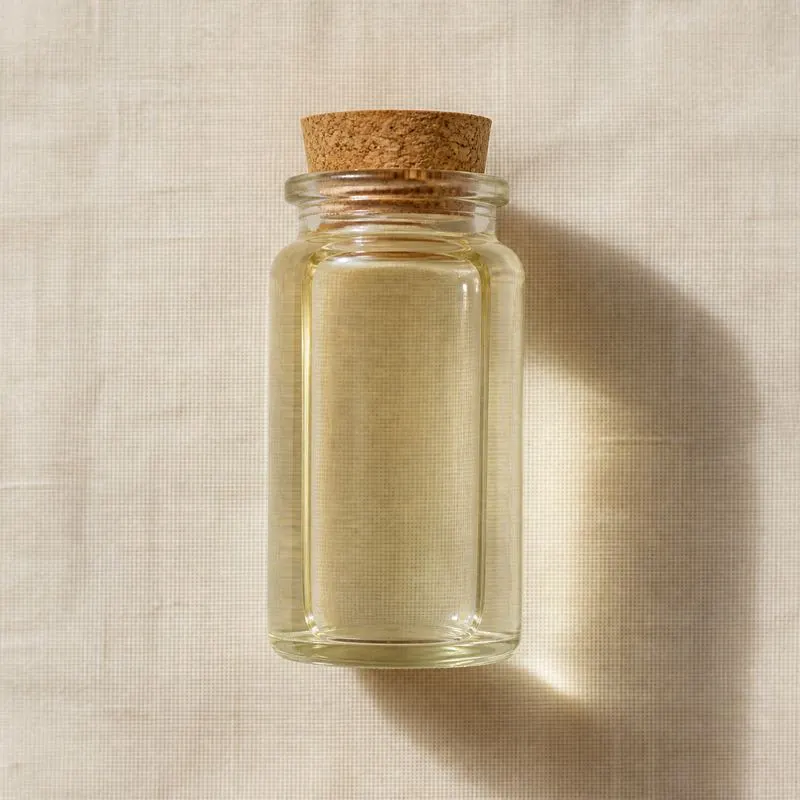
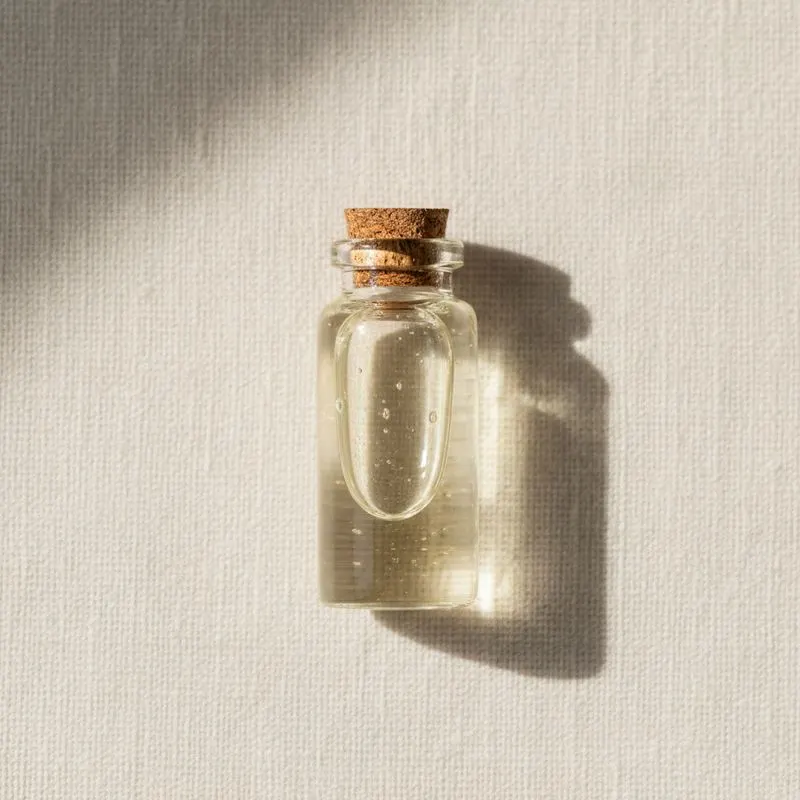
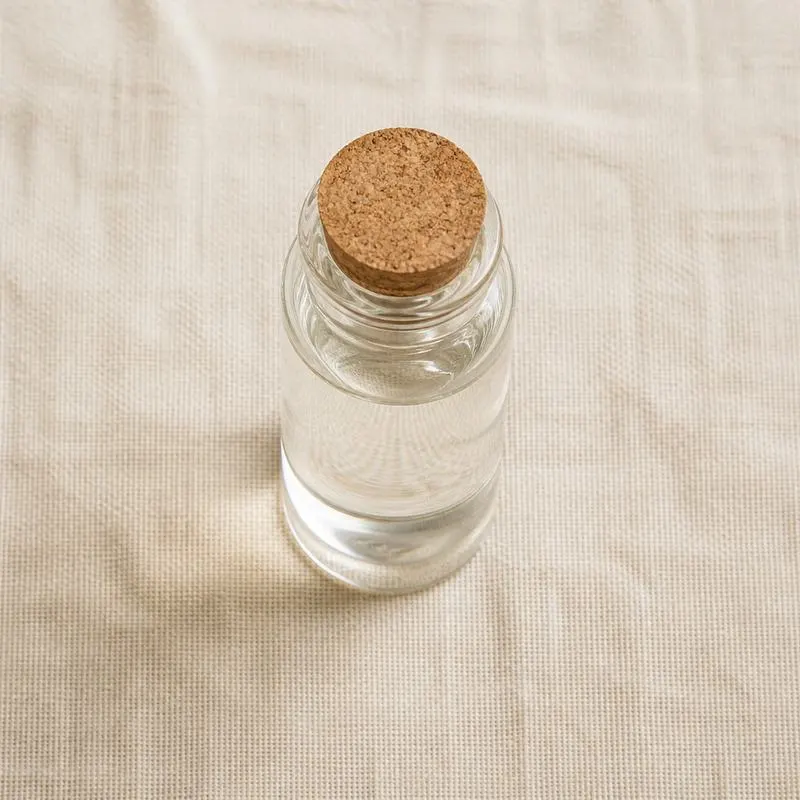
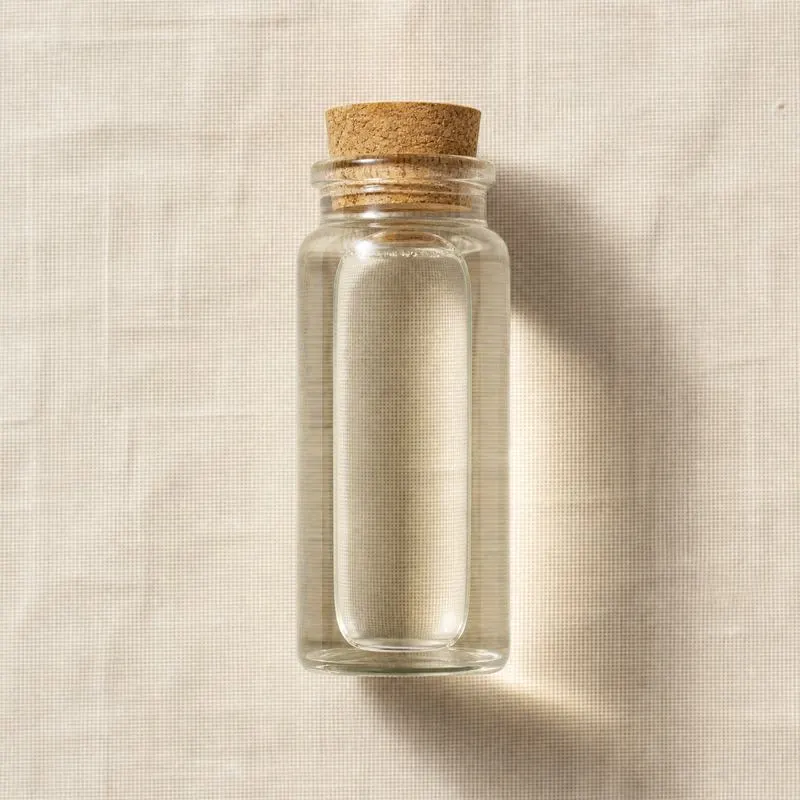
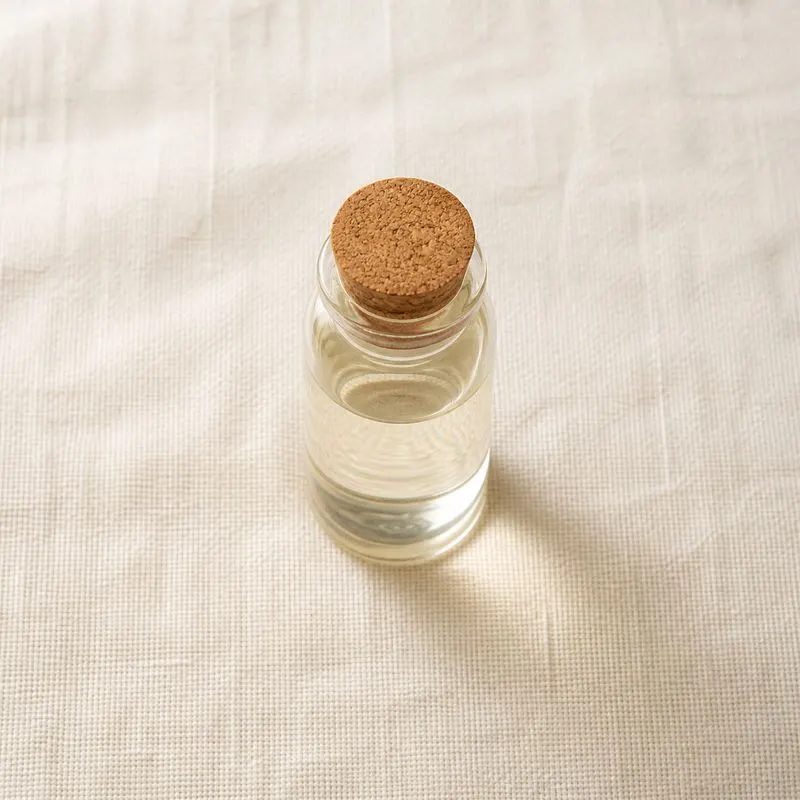
Lavender oil is the steam-distilled essential oil of the flowering tops of Lavandula angustifolia and, in higher-volume commodity form, of the sterile hybrid Lavandula x intermedia known as lavandin. It is a clear, colourless to pale yellow mobile liquid with a sweet, floral, herbaceous odour and a soft woody drydown.
The odour rests almost entirely on two constituents, linalool and linalyl acetate, which together account for well over half of a true lavender oil. Camphor, 1,8-cineole, lavandulyl acetate, terpinen-4-ol and beta-caryophyllene make up most of the remainder, and the camphor level is the main analytical marker separating true lavender from lavandin.
The oil is soluble in ethanol and in vegetable oils and effectively insoluble in water, so beverage applications rely on ethanol solutions, emulsions or terpeneless fractions. Linalyl acetate hydrolyses to linalool under acid conditions and on prolonged storage, which shifts the profile towards a harsher, more camphoraceous note, so stock is held cool, dark and in filled containers.
We source bulk Lavender Oil from top China manufacturers for our partners. The manufacturer is in Jiangxi. A smaller requirement can ship in a combined container with other ingredients.
Please send the grade you need, the volume and your destination port, and we will come back with a solution and a price.
or call +86-21-6858 0751
- Function
- Essential oil
Specifications
| Item | Specification |
|---|---|
| Appearance | Clear colourless to pale yellow mobile liquid |
| Odour | Sweet floral herbaceous, characteristic of lavender |
| Relative Density (20°C) | 0.878 to 0.892 |
| Refractive Index (20°C) | 1.455 to 1.466 |
| Optical Rotation (20°C) | -12.5° to -6.0° |
| Linalool | 25.0 to 38.0 percent by GC |
| Linalyl Acetate | 25.0 to 45.0 percent by GC |
| Camphor | Not more than 1.2 percent by GC |
| 1,8-Cineole | Not more than 2.5 percent by GC |
| Solubility | Clearly soluble in 3 volumes of 70 percent ethanol |
| Acid Value | Not more than 1.0 mg KOH/g |
| Heavy Metals (as Pb) | Not more than 10 mg/kg |
| Lead | Not more than 2 mg/kg |
| Arsenic | Not more than 1 mg/kg |
Common Markets Grades
The trade separates true lavender oil from lavandin. True lavender oil from Lavandula angustifolia is distilled from high-altitude plantings, carries a low camphor content, usually under one percent, and commands the flavour, fine fragrance and aromatherapy market. Lavandin oil, from Lavandula x intermedia cultivars such as Grosso and Abrialis, yields several times more oil per hectare, contains five to ten percent camphor and more 1,8-cineole, and supplies detergent, soap and household fragrance. Spike lavender oil from Lavandula latifolia is a third type, dominated by cineole and camphor.
Within each type, oils are traded to a linalool and linalyl acetate window rather than to a single assay figure, with the ratio between the two used to place origin. Rectified grades are redistilled to lighten colour and remove heavy tail fractions, terpeneless and sesquiterpeneless grades are concentrated for beverage work, and organic certified lots are segregated through distillation and storage. Standardised dilutions in ethanol, propylene glycol or triethyl citrate are used for flavour dosing.
Applications
- Bakery and confectionery, where lavender supports honey, lemon and berry profiles in shortbread, macarons and floral pastilles
- Ice cream and dairy desserts, dosed at a few parts per million against the fat phase
- Herbal and floral infusions and ready-to-drink teas, using ethanol solutions or emulsified forms
- Flavoured syrups, cordials and cocktail bitters, where ethanol solubility allows direct blending
- Gin and flavoured spirits, added to the botanical charge or post-distillation
- Fine fragrance, as a fougere and aromatic accord component
- Soap, detergent and fabric softener perfuming, where lavandin grades carry the volume
- Personal care, including body lotion, bath oil and shampoo
- Aromatherapy and massage products at low dilution in carrier oil
- Candles, air fresheners and room sprays
Brands Using Lavender Oil
Widely-distributed consumer products that list Lavender Oil on the ingredient label.
- Nature's WayCalmAid ↗A once-daily softgel built on Silexan, a clinically studied lavender oil, taken for feelings of tension and stress.Label verified 2026-08-31
- CliganicOrganic Lavender Essential Oil ↗A single-ingredient bottled essential oil steam distilled from lavender blossoms and sold for diffuser and carrier oil use.Label verified 2026-08-31
- Majestic PureLavender Essential Oil 4 fl oz ↗Bottled lavender essential oil sold as a single aromatherapy ingredient for diffusing and dilution into massage oil.Label verified 2026-08-31
- Handcraft BlendsLavender Essential Oil ↗A bottled lavender essential oil offered on its own for diffusers and for blending into topical carrier oils.Label verified 2026-08-31
- LorAnn OilsLavender Oil, Natural ↗Natural lavender oil sold as a flavouring and aromatic ingredient for baking, confectionery and home use.Label verified 2026-08-31
Brand names, product names and logos are the property of their owners. They appear here as published evidence that the ingredient is used, taken from the brand's own label or website. Their appearance is not an endorsement, and it does not mean the brand buys from us or from any manufacturer listed on this site.
China Manufacturers of Lavender Oil
Top Lavender Oil manufacturers in China.
Company names and logos are the property of the manufacturers themselves. They are listed here because our own directory records them as producing this ingredient. A listing is not an endorsement by them, and we do not represent them or speak on their behalf.
Regulatory Status
In the United States lavender is included among the essential oils, oleoresins and natural extractives generally recognised as safe for their intended use in food under 21 CFR 182.20, and lavender and lavandin oils also hold FEMA GRAS status as flavouring substances. No separate food additive regulation applies, and use levels in food are self-limiting on odour grounds.
In the European Union lavender oil is treated as a natural flavouring preparation under Regulation (EC) No 1334/2008 and carries no E number. Cosmetic and household use falls under the IFRA standards and under the EU Cosmetics Regulation, which requires declaration of linalool and limonene above the set thresholds in leave-on and rinse-off products. Lavender oil is also the subject of a European Pharmacopoeia monograph, and material sold to pharmacopoeial grade is tested against the composition limits set there. Codex has no commodity standard specific to the oil, and ISO publishes composition standards used as the common commercial reference.
Manufacturing Process
Flowering tops are cut in mid to late summer when a set proportion of the florets has opened, since oil composition changes rapidly through the flowering window. Modern practice field wilts the cut crop for a day or two to reduce water load, then loads it directly into mobile stainless steel vessels that are docked onto a boiler at the still yard. Low pressure steam is passed through the packed bed for roughly 40 to 60 minutes for lavandin and somewhat longer for true lavender.
The vapour is condensed in a tubular condenser and the two phases separate in a Florentine flask, the oil floating clear of the distillation water. The water layer is usually recycled to the boiler to recover dissolved linalool. Crude oil is decanted, dried over anhydrous sodium sulphate or by settling, and polish filtered. Lots are held for several weeks to let the oil mature and any remaining haze settle, then analysed by gas chromatography and blended to a standard profile. Rectified and terpeneless grades are produced by a further vacuum fractional distillation.