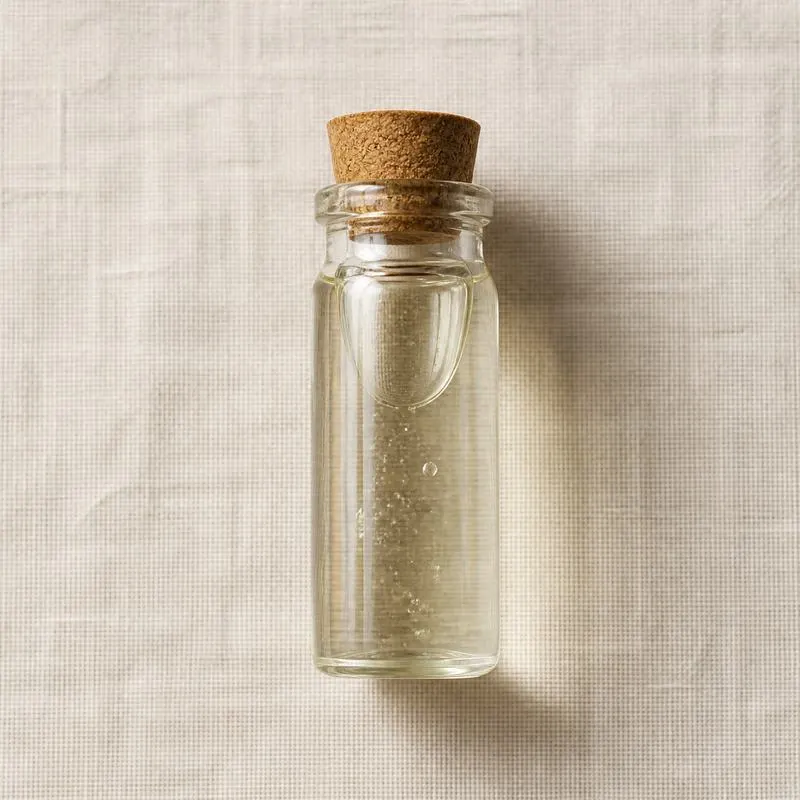
Ginger Essential Oil
Ginger Essential Oil is the steam-distilled volatile oil of the dried rhizome of Zingiber officinale Roscoe.
The oil is a pale yellow to amber liquid with a warm, spicy, slightly woody aroma. Its character comes from a sesquiterpene-dominated profile led by zingiberene, alongside β-bisabolene, ar-curcumene, and α-farnesene.
We source bulk Ginger Essential Oil from top China manufacturers for our partners, working with several of them. The manufacturers are in Henan. A smaller requirement can ship in a combined container with other ingredients.
Please send the grade you need, the volume and your destination port, and we will come back with a solution and a price.
or call +86-21-6858 0751
- Packaging
- 25 kg galvanised drum, nitrogen blanketed
- ISO 9001
- HACCP
- Halal
- Kosher
Specifications
| Item | Specification |
|---|---|
| Appearance | Pale yellow to amber clear mobile liquid |
| Odour | Warm, spicy, slightly woody; characteristic of ginger rhizome |
| Specific Gravity (20 °C) | 0.870 - 0.890 |
| Refractive Index (20 °C) | 1.488 - 1.495 |
| Optical Rotation (20 °C) | -28° to -45° |
| Zingiberene (GC-FID) | 20.0 - 35.0% |
| β-Bisabolene (GC-FID) | 5.0 - 12.0% |
| ar-Curcumene (GC-FID) | 4.0 - 15.0% |
| α-Farnesene (GC-FID) | 3.0 - 10.0% |
| Camphene (GC-FID) | 4.0 - 12.0% |
| 1,8-Cineole (GC-FID) | ≤ 6.0% |
| Acid Value | ≤ 2.0 mg KOH/g |
| Solubility in Ethanol (20 °C) | Soluble in 5 volumes of 95% ethanol, slight opalescence permitted |
| Heavy Metals (as Pb) | ≤ 10 mg/kg |
| Arsenic | ≤ 1 mg/kg |
Common Markets Grades
Ginger Essential Oil is graded by botanical origin and by whether the rhizome was distilled fresh or dried.
Chinese ginger oil from Shandong, Yunnan, and Sichuan dominates global volume and presents a balanced citrus-spicy character.
Indian ginger oil from Cochin and Calicut carries a more pungent, almost camphoraceous note driven by higher 1,8-cineole.
Nigerian ginger oil is the most pungent of the commercial origins and is preferred for high-impact flavour applications.
Madagascan and Sri Lankan oils target premium fragrance work.
Suppliers also offer CO₂-extracted ginger oil, which captures non-volatile gingerols and shogaols absent from steam-distilled grades and is produced for warming-sensation formulations rather than flavour.
Applications
- Soft drinks, ginger ales, and ginger beer flavouring
- Bakery: gingerbread, ginger snaps, and spiced cake mixes
- Asian sauces, marinades, and ready-meal seasoning systems
- Confectionery: ginger chews, hard candies, and chocolate-ginger truffles
- Liqueurs, bitters, and spirit infusions
- Aromatherapy blends targeting nausea and travel sickness
- Warming massage oils and sports liniments
- Hair tonics and scalp treatments in the traditional and Ayurvedic categories
- Pharmaceutical and nutraceutical preparations for digestive comfort
- Soap, shower gel, and bath salts in the spicy-oriental fragrance family
- Fine fragrance, particularly in masculine and woody-oriental compositions
Brands Using Ginger Essential Oil
Widely-distributed consumer products that list Ginger Essential Oil on the ingredient label.
- Aura CaciaGinger Essential Oil 0.5 fl. oz. ↗Ingredient: Zingiber officinale (ginger) essential oil.Label verified 2026-05-24
- Plant TherapyGinger Essential Oil ↗Steam-distilled from Zingiber officinale rhizomes.Label verified 2026-05-24
- doTERRAGinger Essential Oil ↗Steam-distilled from fresh ginger rhizome (Zingiber officinale); main constituents alpha-zingiberene and beta-sesquiphellandrene.Label verified 2026-05-24
- Edens GardenGinger Essential Oil ↗100% pure Zingiber officinale, steam-distilled, sourced from Sri Lanka.Label verified 2026-05-24
Brand names, product names and logos are the property of their owners. They appear here as published evidence that the ingredient is used, taken from the brand's own label or website. Their appearance is not an endorsement, and it does not mean the brand buys from us or from any manufacturer listed on this site.
China Manufacturers of Ginger Essential Oil
Top Ginger Essential Oil manufacturers in China.
- Henan Mingtian Food Co., Ltd.4 ingredients in the directory
- Nanyang Plant Essence Extraction Co., Ltd.18 ingredients in the directory
 Zhengzhou Xuemeilong Food Spice Co., Ltd.8 ingredients in the directory
Company names and logos are the property of the manufacturers themselves. They are listed here because our own directory records them as producing this ingredient. A listing is not an endorsement by them, and we do not represent them or speak on their behalf.
How We Help Source Ginger Essential Oil
Direct Factory Sourcing
We run the whole process: selecting the manufacturer from the top Chinese food ingredient producers, negotiating the price, verifying quality, and coordinating the logistics. You deal with us instead of with several factories at once.
Original Packaging and Documents from the Manufacturer
The manufacturer sends your Ginger Essential Oil out of its own factory in the original packing, through to your destination port. The COA, COO, MSDS, TDS and any certifications reach you from the manufacturer as well.
Free Samples and Lead Time
We send 100 to 500 g free for your own laboratory to test and you cover only the courier, usually within 2 to 3 working days. ETD is usually within 7 to 15 days once the order is confirmed, and we check that date against the factory's own manufacturing schedule before we give it to you.
Combined Shipment
We can load Ginger Essential Oil together with other ingredients such as Peppermint Oil, Star Anise Oil and Clove Oil into one 20' FCL. If your quantity is small, we can also ship LCL.
Regulatory Status
Ginger Essential Oil is recognised as a flavouring substance across all major regulatory frameworks.
In the U.S. it appears on the FDA GRAS list under 21 CFR 182.20.
The EU permits it as a natural flavouring under Regulation (EC) 1334/2008, FL 14.014.
JECFA has reviewed ginger oil and its constituents and raised no safety concerns at typical food-use levels.
The European Medicines Agency Community herbal monograph for Zingiber officinale rhizome supports traditional use against motion sickness, although the monograph primarily covers powdered rhizome rather than essential oil.
IFRA does not currently restrict ginger oil in fragrance applications. Kosher, Halal, and organic certifications are routinely available.
Manufacturing Process
Dried rhizomes are coarsely ground and rehydrated before loading into stainless-steel stills.
Distillation runs for 8 to 14 hours at atmospheric pressure. The long cycle is needed because the heavier sesquiterpenes co-distill slowly with steam.
The yield is modest, typically 1.5 to 3 percent of dried rhizome weight. The crude oil is decanted from the floral water, dried over anhydrous sodium sulphate, and filtered through a polishing cartridge.
Some plants run a second pass of partial vacuum rectification to remove off-notes from over-dried or fermented rhizomes.
CO₂-extracted grades are produced separately by supercritical extraction at 200 to 300 bar, which captures the non-volatile pungent principles (gingerols and shogaols) along with the volatile fraction.