Liquid Lecithin
Liquid Lecithin is the standard fluid form of phospholipid emulsifier sold to food, feed, and industrial users. It is the original commercial format from which all other lecithin presentations are derived and is produced most commonly from soybean and sunflower sources.
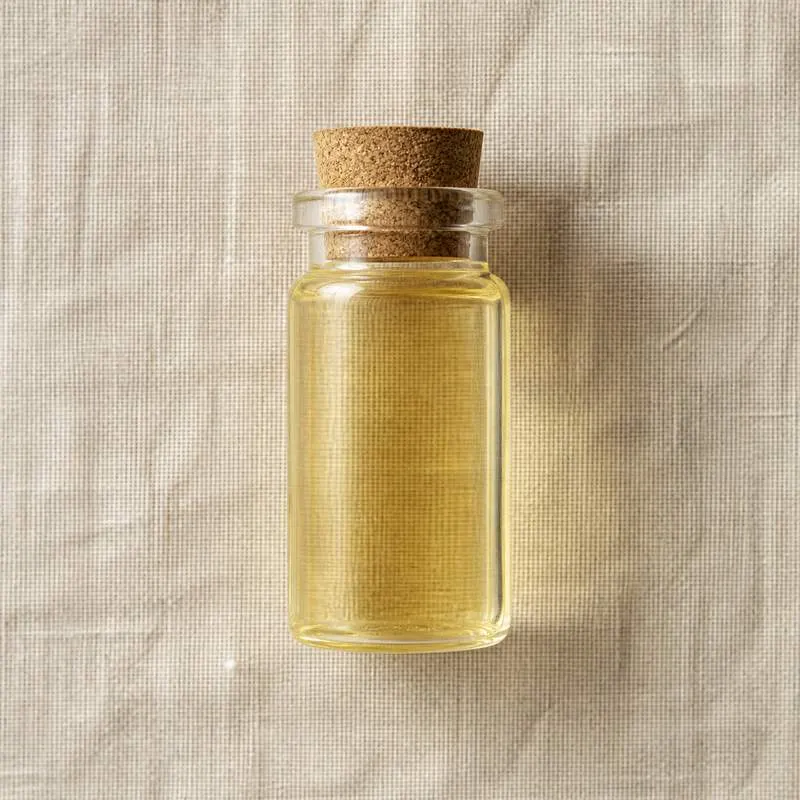
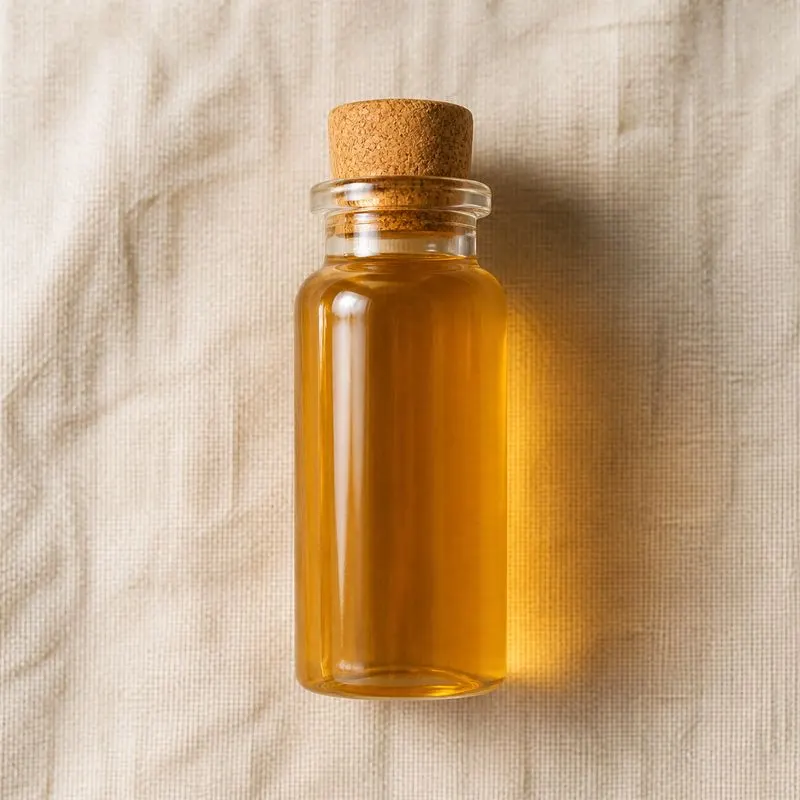
The material is a viscous amber liquid with a typical acetone-insoluble value of 62 to 64 percent. It carries residual neutral oil at 33 to 38 percent, which keeps the product pourable and easy to meter in continuous food manufacturing.
We source bulk Liquid Lecithin from top China manufacturers for our partners. The manufacturer is in Hebei. A smaller requirement can ship in a combined container with other ingredients.
Please send the grade you need, the volume and your destination port, and we will come back with a solution and a price.
or call +86-21-6858 0751
- Packaging
- 250 kg plastic drum or 1,000 kg IBC tote
- ISO 9001
- HACCP
- Halal
- Kosher
Specifications
Grades / Types Available: Food Grade, Feed Grade
| Item | Specification |
|---|---|
| Appearance | Amber to brown viscous liquid |
| Acetone Insolubles | ≥ 62% |
| Hexane Insolubles | ≤ 0.3% |
| Acid Value | ≤ 36 mg KOH/g |
| Peroxide Value | ≤ 10 meq/kg |
| Moisture | ≤ 1.0% |
| Viscosity (25°C) | ≤ 10,000 mPa·s |
| Heavy Metals (as Pb) | ≤ 2 mg/kg |
| Purity/Assay (Food Grade) | ≥ 95% |
| Moisture/Loss on Drying | ≤ 0.5% |
| pH | 6.0 - 7.0 |
| Lead | ≤ 1 mg/kg |
| Arsenic | ≤ 0.5 mg/kg |
| Total Plate Count | ≤ 1000 cfu/g |
| Yeast & Mold | ≤ 100 cfu/g |
Common Markets Grades
Liquid Lecithin is differentiated by viscosity, colour, and acid value.
Natural fluid lecithin sells as recovered from the degumming step, with viscosity ranging from 7,500 to 15,000 centipoise at 25 degrees Celsius. Fluidized grades are blended with additional neutral oil or fatty acids to reach viscosity targets below 5,000 centipoise for spray and metering applications.
Bleached fluid grades use a single peroxide treatment to reach a Gardner colour of 10 or lower. Double-bleached grades reach Gardner 7 or lower for the palest end-use products.
Compounded fluid grades carry intentional additions of carriers such as sunflower oil, fatty acids, or solvents to deliver specific dispersibility profiles for bakery, release, or feed use.
Applications
- Chocolate and confectionery as a viscosity reducer and cocoa butter sparer
- Margarine and shortening as a water-in-oil emulsion stabiliser
- Bakery release sprays and pan greases
- Bread, cake, and pastry doughs for crumb softening and volume
- Instant beverage powders for cold-water dispersibility
- Plant-based meat and dairy alternatives as a binder
- Animal feed and pet food as a fat dispersant and palatability aid
- Calf milk replacers and aquaculture feeds
- Industrial paints, inks, and coatings as a wetting agent
- Release agents for rubber and plastic molding
- Cosmetic emulsions as a co-emulsifier
- Textile and leather processing aids
Brands Using Liquid Lecithin
Widely-distributed consumer products that list Liquid Lecithin on the ingredient label.
- NOW FoodsSunflower Liquid Lecithin ↗Product is pure sunflower liquid lecithin: 'Contains phosphatidyl choline... soy-free and non-GMO. Can be blended into milk, protein shakes... or used as an emulsifier.'Label verified 2026-05-24
- CarlyleSunflower Lecithin Liquid (16 fl oz, 2-Pack) ↗Product is liquid sunflower lecithin: contains 'naturally occurring EFAs Phosphatidylcholine, Phosphatidylinositol and Phosphatidylethanolamine'; vegan, soy free, non-GMO.Label verified 2026-05-24
Brand names, product names and logos are the property of their owners. They appear here as published evidence that the ingredient is used, taken from the brand's own label or website. Their appearance is not an endorsement, and it does not mean the brand buys from us or from any manufacturer listed on this site.
China Manufacturers of Liquid Lecithin
Top Liquid Lecithin manufacturers in China.

Company names and logos are the property of the manufacturers themselves. They are listed here because our own directory records them as producing this ingredient. A listing is not an endorsement by them, and we do not represent them or speak on their behalf.
How We Help Source Liquid Lecithin
Direct Factory Sourcing
We run the whole process: selecting the manufacturer from the top Chinese food ingredient producers, negotiating the price, verifying quality, and coordinating the logistics. You deal with us instead of with several factories at once.
Original Packaging and Documents from the Manufacturer
The manufacturer sends your Liquid Lecithin out of its own factory in the original packing, through to your destination port. The COA, COO, MSDS, TDS and any certifications reach you from the manufacturer as well.
Free Samples and Lead Time
We send 100 to 500 g free for your own laboratory to test and you cover only the courier, usually within 2 to 3 working days. ETD is usually within 7 to 15 days once the order is confirmed, and we check that date against the factory's own manufacturing schedule before we give it to you.
Combined Shipment
We can load Liquid Lecithin together with other ingredients such as Polyglycerol Esters of Fatty Acids, Non-Dairy Creamer and Mono- and Diglycerides of Fatty Acids into one 20' FCL. If your quantity is small, we can also ship LCL.
Regulatory Status
Liquid Lecithin is approved under E322 in the European Union for general food use at quantum satis levels, subject to the specific restrictions that apply to infant formula and to a small number of categories.
The United States Food and Drug Administration classifies lecithin as Generally Recognized as Safe under 21 CFR 184.1400 and as a multipurpose food substance.
JECFA reviewed lecithins as a class and concluded that a numerical intake limit is not required. The Food Chemicals Codex monograph for lecithin covers fluid food grades.
Source labelling and allergen declarations follow the rules for the parent oilseed. Soy-derived liquid lecithin must declare soy allergen in most major markets, while sunflower-derived material does not.
Manufacturing Process
Liquid Lecithin is a direct output of the oilseed degumming step.
Crude vegetable oil from soybean, sunflower, or rapeseed pressing is mixed with hot water at 70 to 80 degrees Celsius. The phospholipids hydrate and form a heavier phase that separates from the oil in a disk-stack centrifuge.
The wet gums are dried under vacuum at 60 to 80 degrees Celsius until moisture falls below 1 percent. The dried fluid is then cooled, filtered, and standardised for acid value, colour, and viscosity in finishing tanks.
Bleaching with hydrogen peroxide is carried out in stirred reactors at controlled temperature before the final drying step. Compounded grades are produced by blending the standardised base with measured quantities of carrier oils or fatty acids.