Liver Peptide
Liver peptide is the soluble hydrolysate obtained when animal liver, most often porcine, bovine or poultry, is digested with food grade proteases and the clarified digest is dried into a powder of short peptide chains and free amino acids.
Liver is one of the richest soft tissue protein sources available to a hydrolysis plant, and its protein is largely soluble enzymatic and cytoplasmic material rather than the structural collagen that dominates hide, bone and skin. The resulting powder therefore shows a balanced amino acid distribution with none of the glycine and hydroxyproline signature, and it carries through a natural complement of nucleotides, B vitamins and haem bound iron, the last of which explains its dark colour and part of its nutritional positioning.
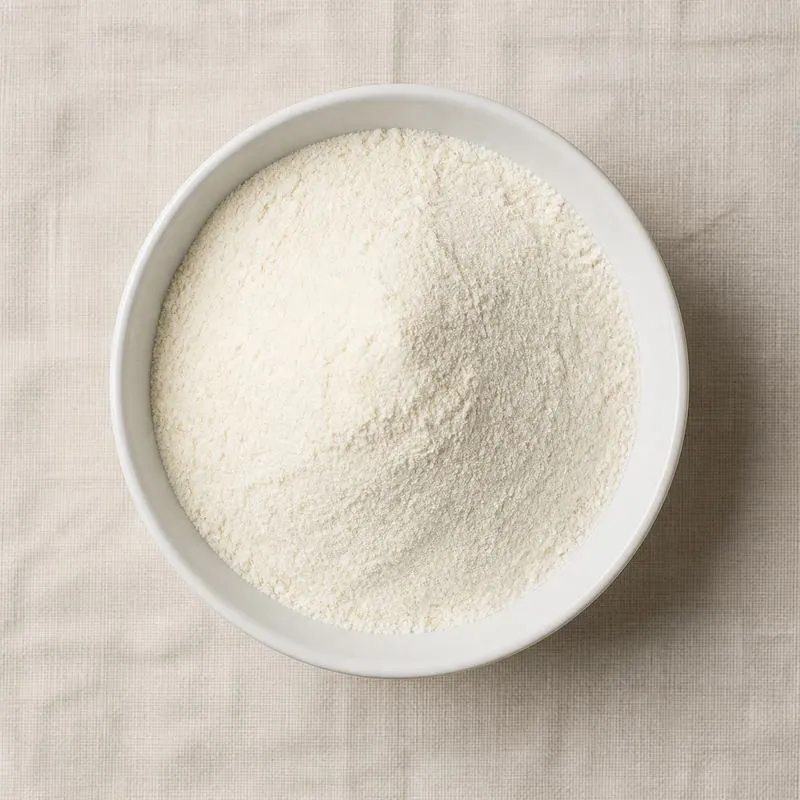
Supplied as a light brown to dark brown spray dried powder with a strong savoury and liverish aroma, it dissolves completely in cold and hot water and stays in solution at low pH where intact protein would flocculate. Solutions withstand pasteurisation and retort. The pronounced flavour, rather than any functional limitation, is what steers the material towards capsules, culture media, palatants and reaction flavours rather than towards plain beverages.
We source bulk Liver Peptide from top China manufacturers for our partners. The manufacturers are in Hainan and Inner Mongolia. A smaller requirement can ship in a combined container with other ingredients.
Please send the grade you need, the volume and your destination port, and we will come back with a solution and a price.
or call +86-21-6858 0751
- Function
- Protein
Specifications
| Item | Specification |
|---|---|
| Appearance | Light brown to dark brown fine powder |
| Odour and Taste | Strong characteristic savoury liver note, free from putrid odour |
| Protein (N x 6.25, dry basis) | Minimum 75.0% |
| Peptide Content (dry basis) | Minimum 50.0% |
| Molecular Weight below 3000 Da | Minimum 85.0% |
| Free Amino Nitrogen (of total nitrogen) | Minimum 25.0% |
| Loss on Drying | Maximum 7.0% |
| Ash | Maximum 10.0% |
| pH (1% solution) | 5.5 to 7.5 |
| Lead | Maximum 0.5 mg/kg |
| Arsenic | Maximum 0.5 mg/kg |
| Total Plate Count | Maximum 10,000 cfu/g |
| Yeast and Mould | Maximum 100 cfu/g |
| Escherichia coli and Salmonella | Absent in 25 g |
Common Markets Grades
Species defines the first grade split. Porcine liver is the volume feedstock, bovine liver is offered where a non porcine origin is required, and chicken and duck liver hydrolysates are made largely for the pet food palatant market, where the species on the pack matters commercially. Molecular weight is the second axis, with general grades holding most peptide mass below 3000 Daltons and oligopeptide grades ultrafiltered below 1000 Daltons.
Refining level completes the picture. Decolourised and deodorised lots, treated with activated carbon or resin, are made for supplements and oral liquids, while unrefined lots retaining the full colour and aroma go to culture media, feed and savoury flavour work, where the aroma is an asset. Freeze dried presentation of the same hydrolysate is traded as a separate and more expensive grade. Feed and technical grades carry lower protein floors and looser microbiological limits than food grade, and species identity testing along with veterinary residue screening is normally part of the certificate in every grade.
Applications
- Pet food palatants, sprayed or coated onto kibble, where liver hydrolysate is among the strongest intake stimulants for cats and dogs
- Microbiological culture media, supplying nitrogen, peptides and growth factors for fastidious organisms
- Savoury reaction flavours, used as the amino acid donor reacted with reducing sugars to build roast and meat notes
- Bouillon, stock and soup bases, contributing depth and body without added glutamate
- Capsule and tablet supplements in East Asian markets, positioned on liver support and recovery
- Oral liquid tonics and shots, where a fully soluble animal peptide is needed in an acid base
- Aquaculture and weaning feeds, acting as an attractant and a readily digested protein for early stage animals
- Clinical and convalescent nutrition, where short peptides reduce the digestive load of intact protein
- Fermentation media in industrial biotechnology, replacing part of the peptone requirement
- Processed meat and pate, where the hydrolysate deepens the cooked offal character of the recipe
China Manufacturers of Liver Peptide
Top Liver Peptide manufacturers in China.
 Hainan Yotide Biopharmaceutical Co., Ltd.13 ingredients in the directory
 Inner Mongolia Taihao Biological Products Co., Ltd.6 ingredients in the directory
Company names and logos are the property of the manufacturers themselves. They are listed here because our own directory records them as producing this ingredient. A listing is not an endorsement by them, and we do not represent them or speak on their behalf.
Regulatory Status
In the United States liver hydrolysate has a long history of use as a dietary ingredient in supplements under the Dietary Supplement Health and Education Act, with the manufacturer responsible for the safety basis and for compliance with dietary supplement good manufacturing practice, and it is separately used in microbiological media and in animal feed under their own frameworks, feed ingredients being subject to the definitions maintained through the Association of American Feed Control Officials. No food additive regulation or published generally recognised as safe listing covers liver peptide by name, so conventional food use rests on a self determined generally recognised as safe conclusion for the specific source and process. Bovine material falls under the ruminant tissue controls imposed against transmissible spongiform encephalopathy.
In the European Union a liver peptide preparation has no demonstrated history of significant consumption in that form and would generally require novel food authorisation before being placed on the market as a food or food supplement ingredient. Manufacture is governed additionally by the animal by-products framework, which sets out which categories of material may be processed for food or feed and requires approved establishments, and by the transmissible spongiform encephalopathy rules where bovine tissue is used. There is no E number, since the substance is an ingredient rather than an additive, and no Codex or JECFA specification exists for it.
Manufacturing Process
Chilled or frozen liver from an approved abattoir is trimmed of gall bladder remnants, large vessels and connective tissue, then washed to remove residual blood and minced with water into a pumpable slurry. A short heat step follows immediately, inactivating the tissue's own very active proteases and lipases, which would otherwise drive uncontrolled autolysis, and reducing the microbial load. The slurry is then cooled to the working temperature of the enzyme system, generally 50 to 60 degrees Celsius, and the pH is adjusted.
Hydrolysis runs in a stirred reactor, typically with a bacterial endoprotease opening the chains and an exopeptidase preparation trimming the hydrophobic terminal residues that carry bitterness. When the target degree of hydrolysis is reached the reactor is heated to denature the enzymes and stop the reaction. The digest is centrifuged, dropping out undigested tissue and separating a fat layer, and the clarified liquor is passed through ultrafiltration at a few kiloDaltons to hold back residual whole protein. Grades requiring a pale powder are decolourised on activated carbon or ion exchange resin, at some loss of the aroma compounds that other grades are sold for. The liquor is concentrated under vacuum to a syrup, spray dried, then sieved, metal checked and packed in lined bags or drums.