Lung Peptide
Lung peptide is a protein hydrolysate produced by digesting animal lung tissue, in practice porcine or bovine lung recovered at slaughter, with food grade proteases and drying the clarified digest into a soluble powder.
Lung is an unusual hydrolysis feedstock because its protein is dominated by the structural components of the alveolar and vascular network, collagen and elastin, together with soluble parenchymal protein. The hydrolysate therefore sits between a collagen peptide and an organ peptide in composition, showing an elevated glycine and proline content alongside a broad spread of other residues, and it also carries through mucopolysaccharides and residual haem protein from the tissue's dense capillary bed.
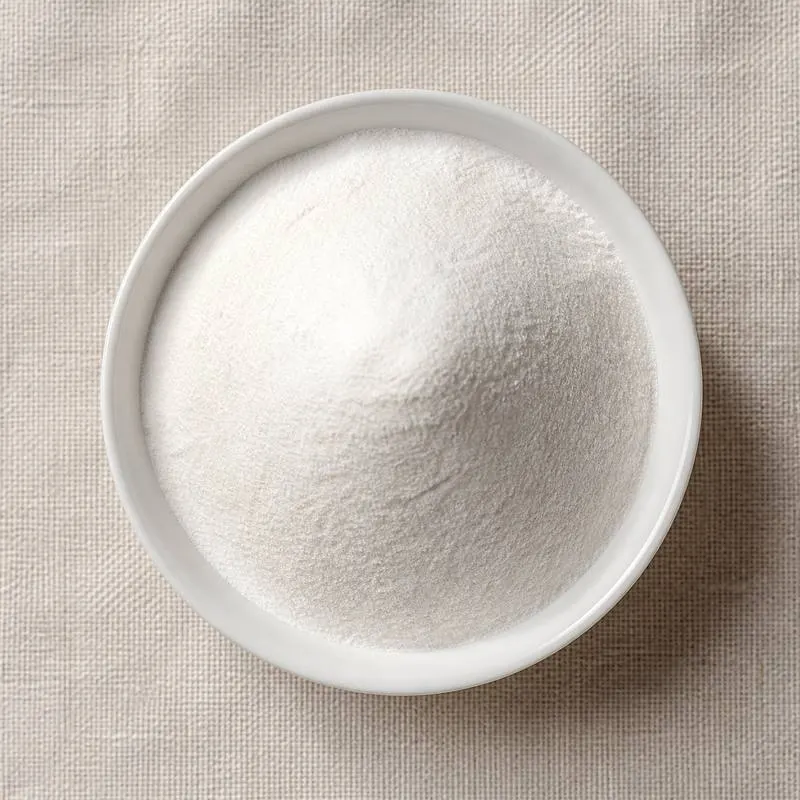
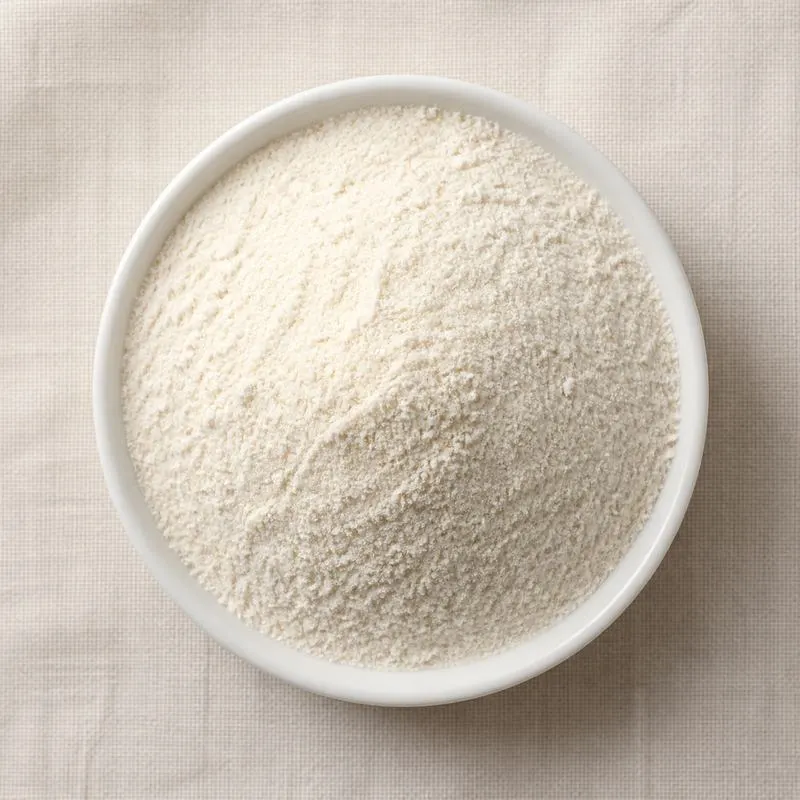
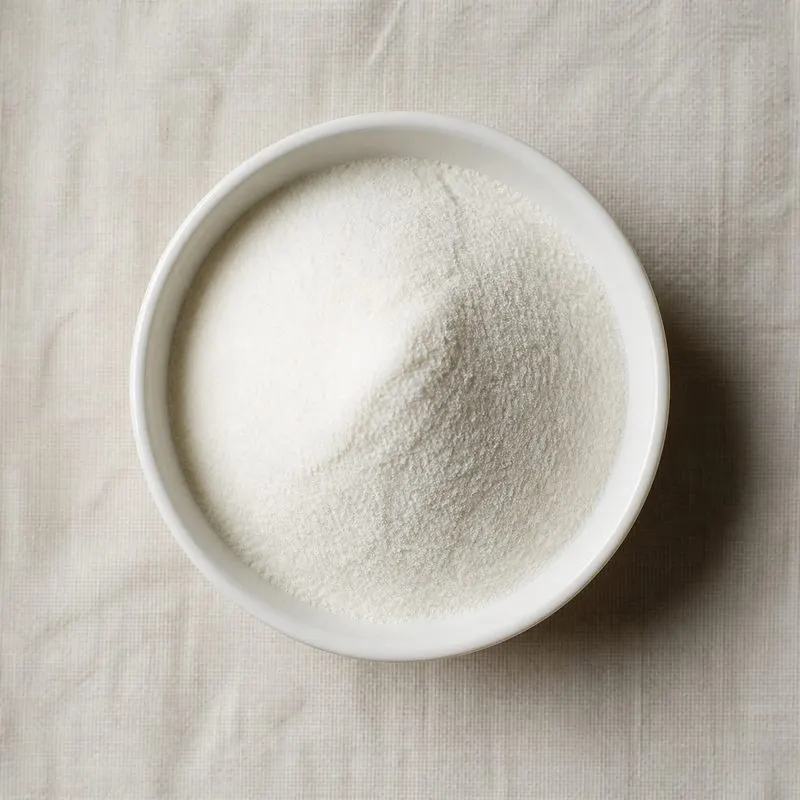
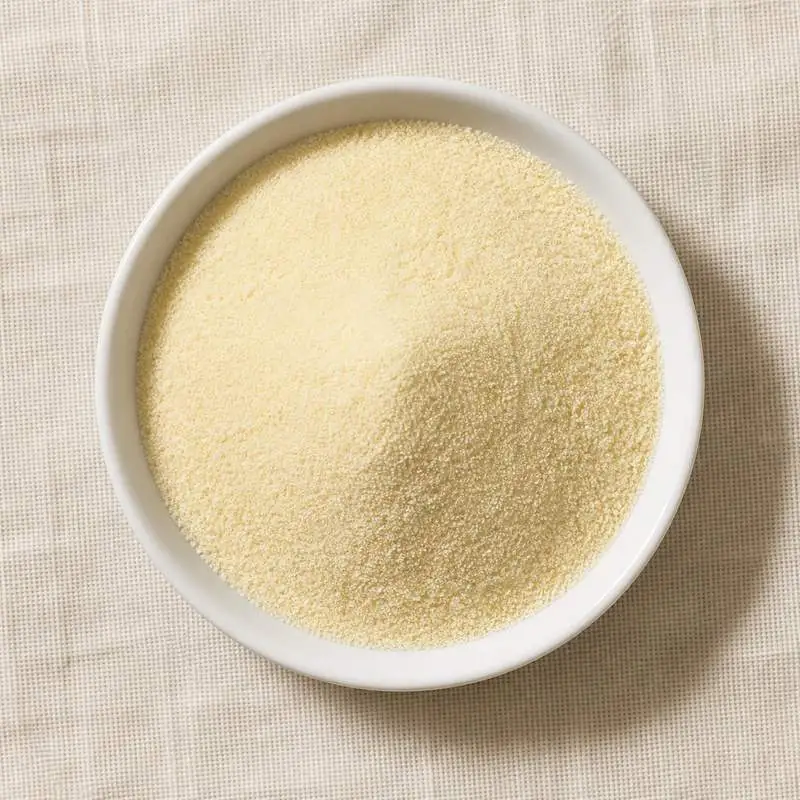
The powder is light brown to reddish brown with a savoury, faintly bloody odour, dissolves readily in water, and remains in solution through the acid range that would precipitate intact protein. In commercial terms the material is peripheral rather than mainstream. Lung is a low value by-product whose principal industrial history lies in heparin extraction, and the peptide fraction is used mainly in feed, palatants and culture media, with human food use restricted in several major markets.
We source bulk Lung Peptide from top China manufacturers for our partners. The manufacturer is in Inner Mongolia. A smaller requirement can ship in a combined container with other ingredients.
Please send the grade you need, the volume and your destination port, and we will come back with a solution and a price.
or call +86-21-6858 0751
- Function
- Protein
Specifications
| Item | Specification |
|---|---|
| Appearance | Light brown to reddish brown fine powder |
| Odour | Characteristic savoury note, free from putrid odour |
| Protein (N x 6.25, dry basis) | Minimum 70.0% |
| Peptide Content (dry basis) | Minimum 45.0% |
| Molecular Weight below 3000 Da | Minimum 80.0% |
| Loss on Drying | Maximum 7.0% |
| Ash | Maximum 10.0% |
| Fat | Maximum 3.0% |
| pH (1% solution) | 5.5 to 7.5 |
| Lead | Maximum 1.0 mg/kg |
| Arsenic | Maximum 1.0 mg/kg |
| Total Plate Count | Maximum 30,000 cfu/g |
| Yeast and Mould | Maximum 100 cfu/g |
| Escherichia coli and Salmonella | Absent in 25 g |
Common Markets Grades
The traded distinctions are species, molecular weight and refining level. Porcine lung is the common feedstock, with bovine lung used where a non porcine source is specified, and both are subject to species identity testing because organ by-products are readily substituted. Molecular weight grades follow the usual pattern, general material below 3000 Daltons and ultrafiltered oligopeptide grades below 1000 Daltons.
Refining separates feed and technical material, which retains full colour and aroma and carries a lower protein floor, from decolourised and deodorised lots intended for oral formats in the markets that permit them. Freeze dried presentation of the same hydrolysate is traded separately and at a higher price. Because human food use is not open in every jurisdiction, the intended market is effectively part of the grade description, and buyers should confirm the permitted status of lung derived material before specifying it.
Applications
- Pet food palatants, where organ hydrolysates raise intake in cats and dogs at low inclusion
- Wet and dry pet food formulations, used as a protein and flavour component
- Aquaculture feed attractants, stimulating feed intake in shrimp and marine fish
- Microbiological culture media, supplying peptides, nitrogen and haem for fastidious organisms
- Fermentation media in industrial biotechnology, replacing part of the peptone requirement
- Savoury reaction flavour manufacture, used as an amino acid donor for meat notes in feed applications
- Fur and livestock feed supplements, where a low cost animal protein hydrolysate improves palatability
- Supplement formats in East Asian markets that permit lung derived preparations, positioned on respiratory support
- Organic fertiliser and foliar amino acid inputs, where low grade protein hydrolysates are applied as a nitrogen source
China Manufacturers of Lung Peptide
Top Lung Peptide manufacturers in China.

Company names and logos are the property of the manufacturers themselves. They are listed here because our own directory records them as producing this ingredient. A listing is not an endorsement by them, and we do not represent them or speak on their behalf.
Regulatory Status
Lung is the point of regulatory difficulty for this ingredient rather than the peptide chemistry. In the United States the Food Safety and Inspection Service prohibits the use of animal lungs in human food, on the grounds that fluids and particulate matter aspirated during slaughter cannot be reliably removed, so lung derived material is available for animal feed, pet food and technical use but not as a human food ingredient. Feed use falls under the framework administered by the Food and Drug Administration with ingredient definitions maintained through the Association of American Feed Control Officials, and bovine material is additionally subject to the ruminant tissue controls imposed against transmissible spongiform encephalopathy, which specifically restrict certain bovine tissues.
In the European Union lung from animals fit for slaughter is classified as edible offal and may enter the food chain under the hygiene rules for products of animal origin, but a peptide preparation made from it has no history of significant consumption in that form and would require novel food authorisation before being sold as a food or supplement ingredient. Manufacture is governed by the animal by-products framework, which determines which material categories may be processed for food and feed and requires approved establishments, and by the transmissible spongiform encephalopathy rules for bovine tissue. No E number applies, and neither Codex nor JECFA has published a specification for the material.
Manufacturing Process
Lung recovered at slaughter is chilled promptly, trimmed of trachea, bronchi and adhering connective tissue, and washed repeatedly, since the organ retains a large volume of blood and the residual haem drives colour and odour in the finished powder. The washed tissue is minced with water into a slurry and given a short heat treatment to inactivate tissue enzymes and reduce the microbial load, then cooled to the working temperature of the protease system.
Because a large part of lung protein is collagen and elastin, hydrolysis normally runs harder than for a soft organ, often with an initial mild acid or alkaline swelling step or a longer thermal pretreatment to open the structural matrix, followed by a bacterial endoprotease and then an exopeptidase preparation to reduce bitterness. The digest is heat inactivated, centrifuged to remove undigested fibre and separate the fat layer, and filtered. The clarified liquor is ultrafiltered at a few kiloDaltons, then decolourised on activated carbon where the grade requires it, which removes much of the residual haem colour. Concentration under vacuum is followed by spray drying, or by tray freezing and lyophilisation for the freeze dried grade, after which the powder is sieved, metal checked and packed.