Lung Protein Peptide Lyophilized
Lung protein peptide, lyophilised, is a freeze dried powder of short peptides prepared by enzymatic hydrolysis of animal lung tissue, generally porcine or bovine lung, and dried from the frozen state under vacuum rather than in a hot gas stream.
Lung protein is a mixture of the structural collagen and elastin of the alveolar and vascular framework with soluble parenchymal protein, so the hydrolysate carries an elevated glycine and proline content alongside a broad spread of other residues, together with mucopolysaccharides and residual haem protein from the tissue's dense capillary network. Lyophilisation is specified where the buyer is paying for heat sensitive minor components to survive the drying step, since spray drying exposes the liquor to a hot gas stream that degrades part of them.
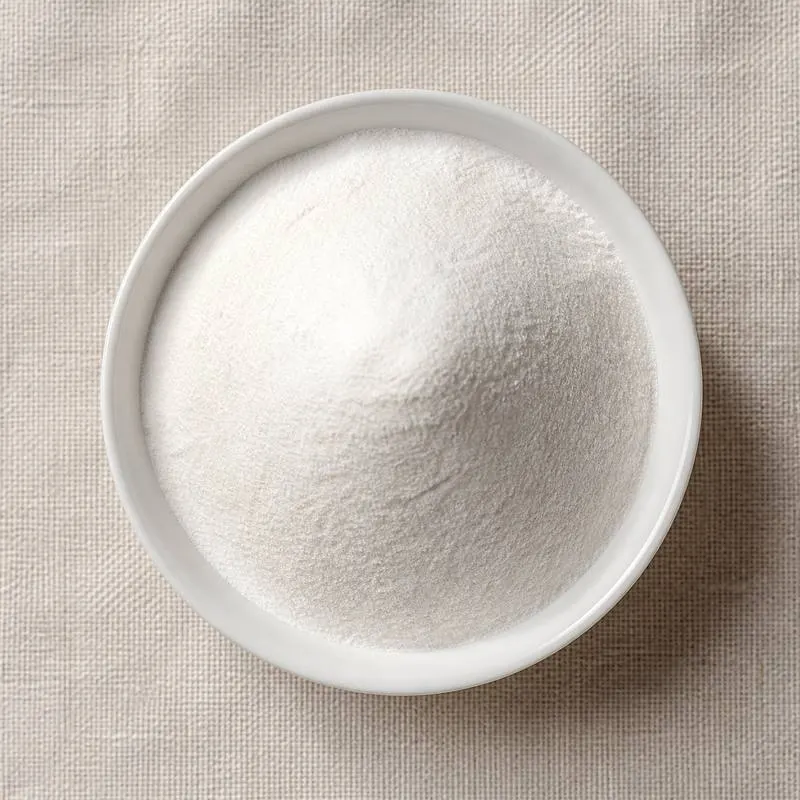
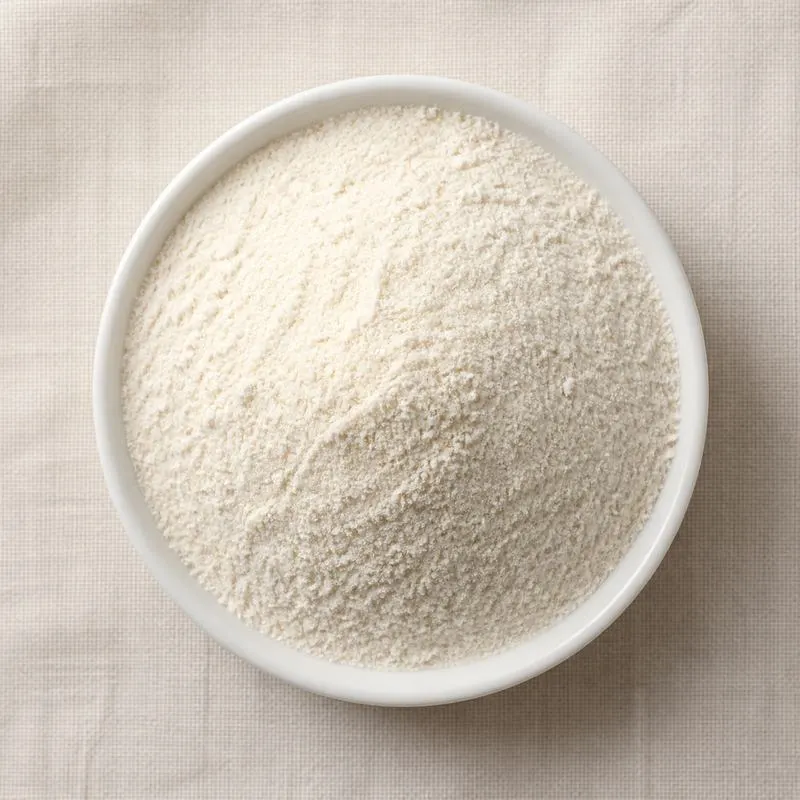
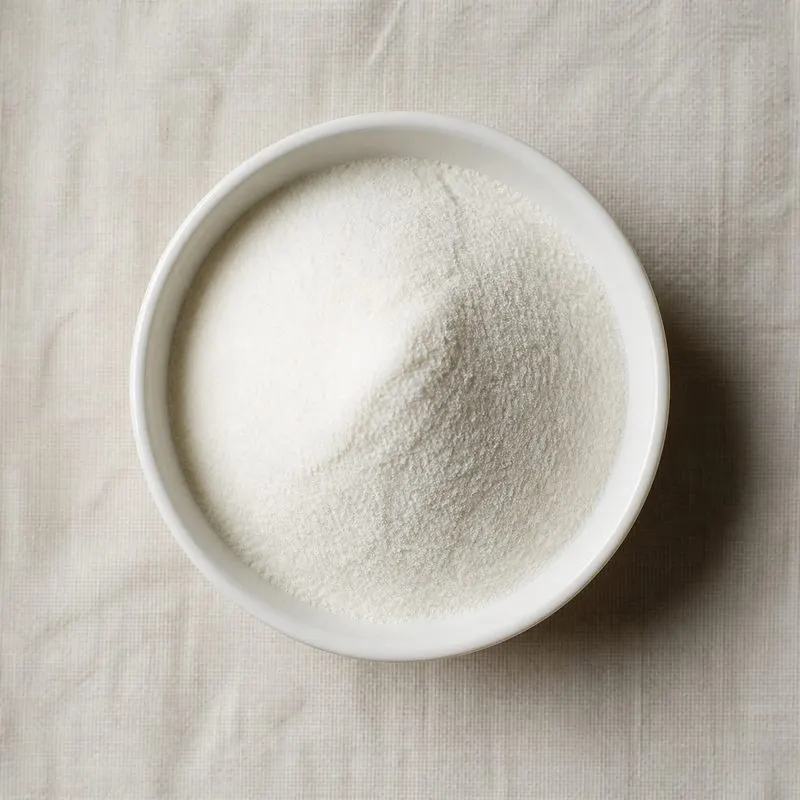
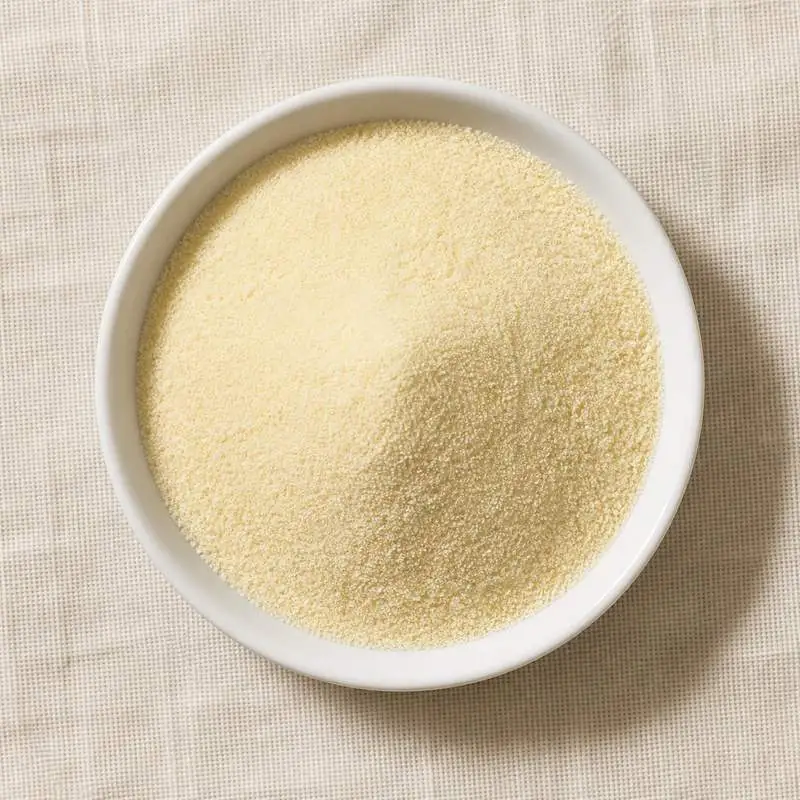
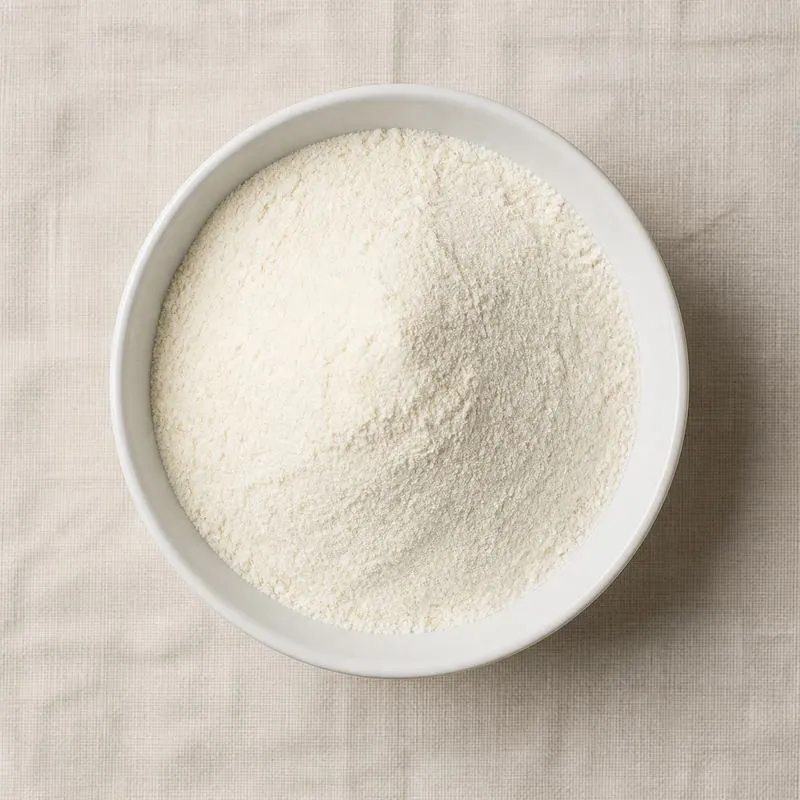
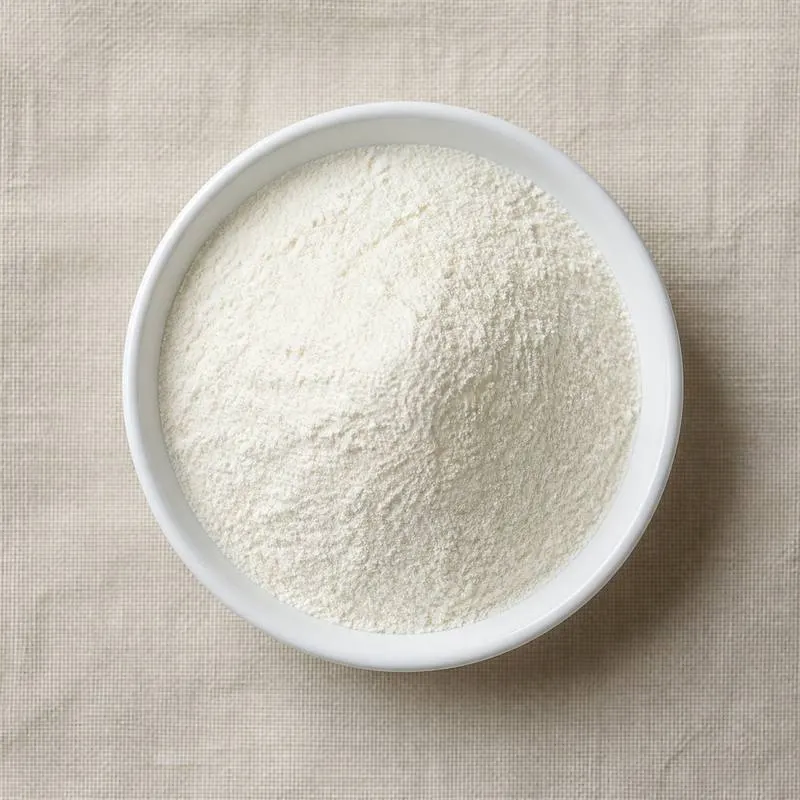
The powder is light brown to reddish brown, porous and low in bulk density, with a savoury and faintly bloody odour. The open cake structure left by sublimation drying means it dissolves almost instantly in water, and the same structure makes it markedly hygroscopic, so it is packed under nitrogen in foil and handled in a humidity controlled room. Its commercial position is narrow, with human food use restricted in several major markets and most volume going to feed, palatants and culture media.
We source bulk Lung Protein Peptide Lyophilized from top China manufacturers for our partners. The manufacturer is in Hainan. A smaller requirement can ship in a combined container with other ingredients.
Please send the grade you need, the volume and your destination port, and we will come back with a solution and a price.
or call +86-21-6858 0751
- Function
- Protein
Specifications
| Item | Specification |
|---|---|
| Appearance | Light brown to reddish brown porous freeze dried powder |
| Odour | Characteristic savoury note, free from putrid odour |
| Protein (N x 6.25, dry basis) | Minimum 70.0% |
| Peptide Content (dry basis) | Minimum 45.0% |
| Molecular Weight below 3000 Da | Minimum 85.0% |
| Loss on Drying | Maximum 5.0% |
| Ash | Maximum 10.0% |
| Fat | Maximum 3.0% |
| pH (1% solution) | 5.5 to 7.5 |
| Lead | Maximum 1.0 mg/kg |
| Arsenic | Maximum 1.0 mg/kg |
| Total Plate Count | Maximum 10,000 cfu/g |
| Yeast and Mould | Maximum 50 cfu/g |
| Escherichia coli and Salmonella | Absent in 25 g |
Common Markets Grades
Freeze dried presentation is itself the primary grade distinction against the spray dried version of the same hydrolysate, and the two carry different prices and different specifications. Within lyophilised material, grades are defined by species, with porcine lung the common feedstock and bovine lung used where a non porcine source is specified, and by molecular weight, with general grades holding most peptide mass below 3000 Daltons and ultrafiltered oligopeptide grades taken below 1000 Daltons.
Protein content on a dry basis normally starts around 70 percent and rises above 80 percent for ultrafiltered lots. Decolourised and deodorised material is made for oral formats in the markets that permit lung derived ingredients, while unrefined lots retaining full colour and aroma go to feed and flavour work. Because organ by-products are readily substituted in trade, species identification and veterinary residue screening are ordinarily part of the documentation for every grade, and the permitted market for lung derived material should be confirmed before a specification is fixed.
Applications
- Pet food palatants, where a freeze dried organ hydrolysate dissolves instantly into the coating slurry
- Wet and freeze dried pet food, used as a protein and flavour component
- Aquaculture and weaning feed attractants, stimulating intake in early stage shrimp and fish
- Microbiological culture media, supplying peptides, nitrogen and haem for fastidious organisms
- Fermentation media in industrial biotechnology, substituting for part of the peptone requirement
- Supplement capsules and oral powders in East Asian markets that permit lung derived preparations
- Savoury reaction flavour manufacture for feed applications, used as an amino acid donor
- Laboratory and research preparations requiring a defined lung derived peptide fraction
- Foliar and soil applied amino acid fertilisers, where hydrolysates serve as an organic nitrogen source
China Manufacturers of Lung Protein Peptide Lyophilized
Top Lung Protein Peptide Lyophilized manufacturers in China.

Company names and logos are the property of the manufacturers themselves. They are listed here because our own directory records them as producing this ingredient. A listing is not an endorsement by them, and we do not represent them or speak on their behalf.
Regulatory Status
The regulatory constraint on this ingredient is the tissue rather than the process. In the United States the Food Safety and Inspection Service prohibits animal lungs in human food, because material aspirated into the lungs during slaughter cannot be reliably removed, so lung derived preparations are confined to animal feed, pet food and technical applications there. The Food and Drug Administration administers the framework governing feed use, together with the ingredient definitions maintained through the Association of American Feed Control Officials, and the ruminant tissue controls imposed against transmissible spongiform encephalopathy further restrict bovine sourced material.
In the European Union lung from animals passed fit for slaughter counts as edible offal and may enter the food chain under the hygiene rules for products of animal origin, but a peptide preparation obtained from it has no established history of significant consumption in that form, so novel food authorisation would be needed before it could be marketed as a food or food supplement ingredient. Processing falls under the animal by-products framework, which sets out which categories of material may be handled for food and feed and requires approved establishments, and under the transmissible spongiform encephalopathy rules where bovine tissue is used. No E number applies, and neither Codex nor JECFA has issued a specification for the material.
Manufacturing Process
Lung collected at slaughter is chilled without delay, trimmed of trachea, bronchi and adhering connective tissue, and washed repeatedly, since the organ holds a large volume of blood whose haem content otherwise dominates the colour and odour of the finished powder. The washed tissue is minced with water into a slurry and heated briefly to inactivate tissue enzymes and reduce the microbial load, then cooled to the working temperature of the protease system.
Because much of the protein is structural, hydrolysis is preceded by a swelling step that opens the collagen and elastin matrix to enzyme attack, either a mild acid or alkaline treatment or an extended thermal hold. Digestion then runs with a bacterial endoprotease followed by an exopeptidase preparation to trim the bitter terminal residues, and is stopped by heat once the target degree of hydrolysis is reached. The digest is centrifuged to remove undigested fibre and to separate the fat layer, filtered, and passed through ultrafiltration at a few kiloDaltons, with activated carbon treatment where a lighter colour is required. The permeate is concentrated at low temperature, filled into trays, frozen solid, and dried in a lyophiliser where the ice sublimes under vacuum without the product passing through a liquid phase. The dried cake is milled, sieved and packed immediately under nitrogen.