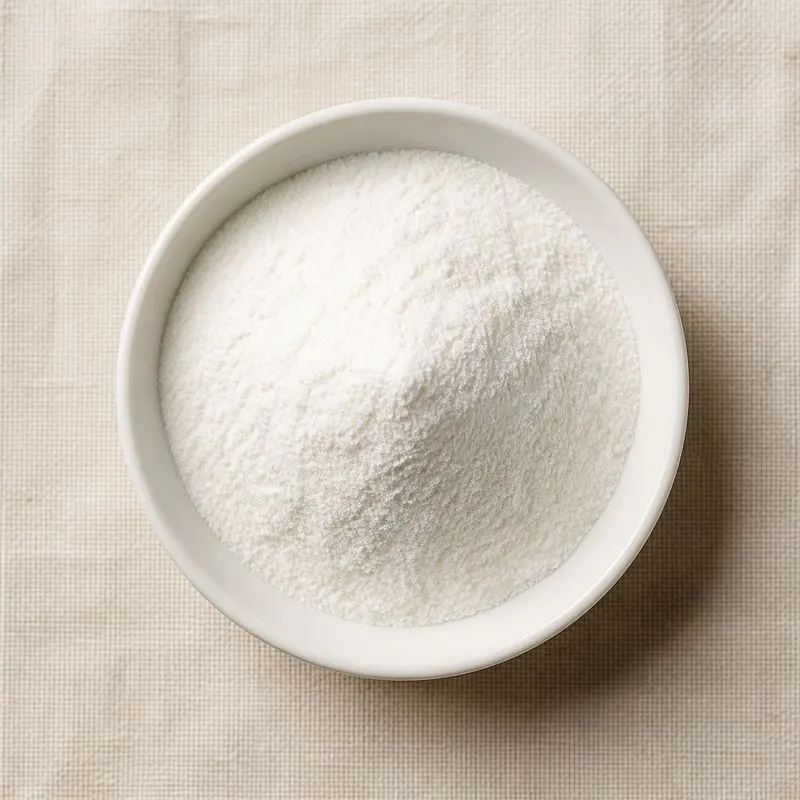
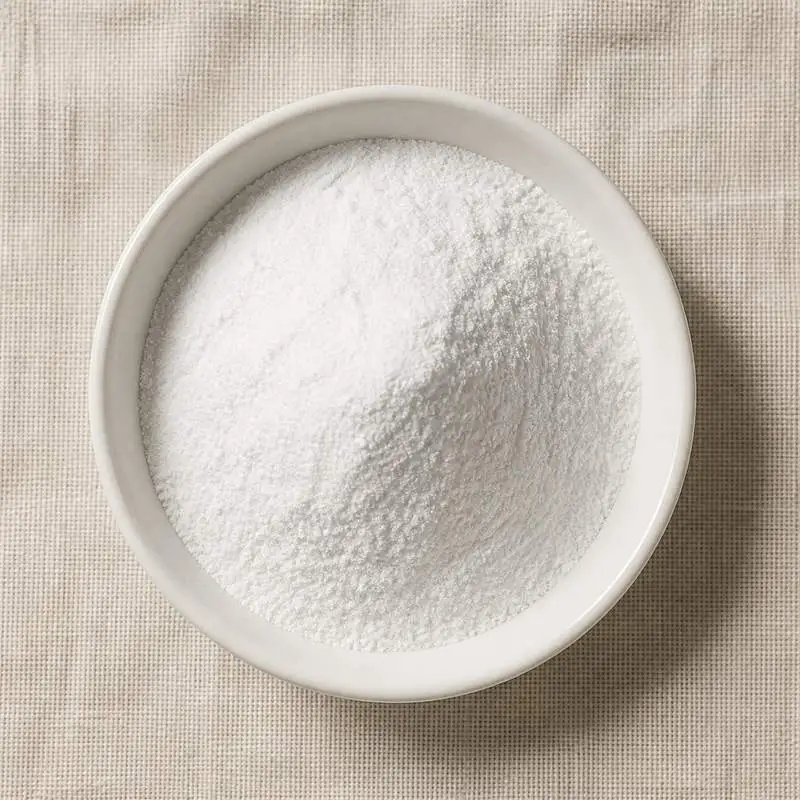
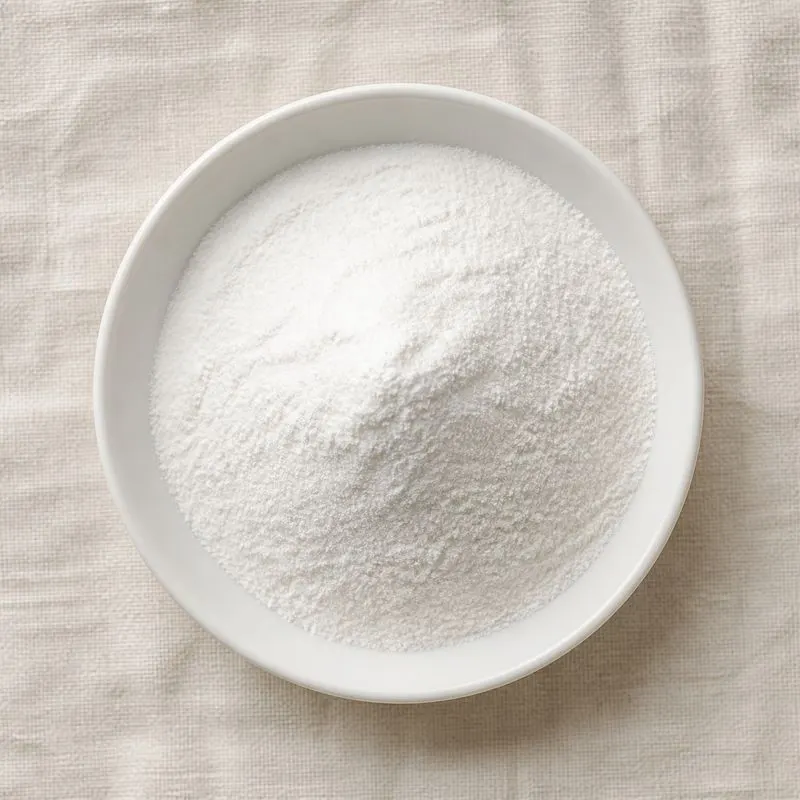
Lyohpilized Drone Pupa
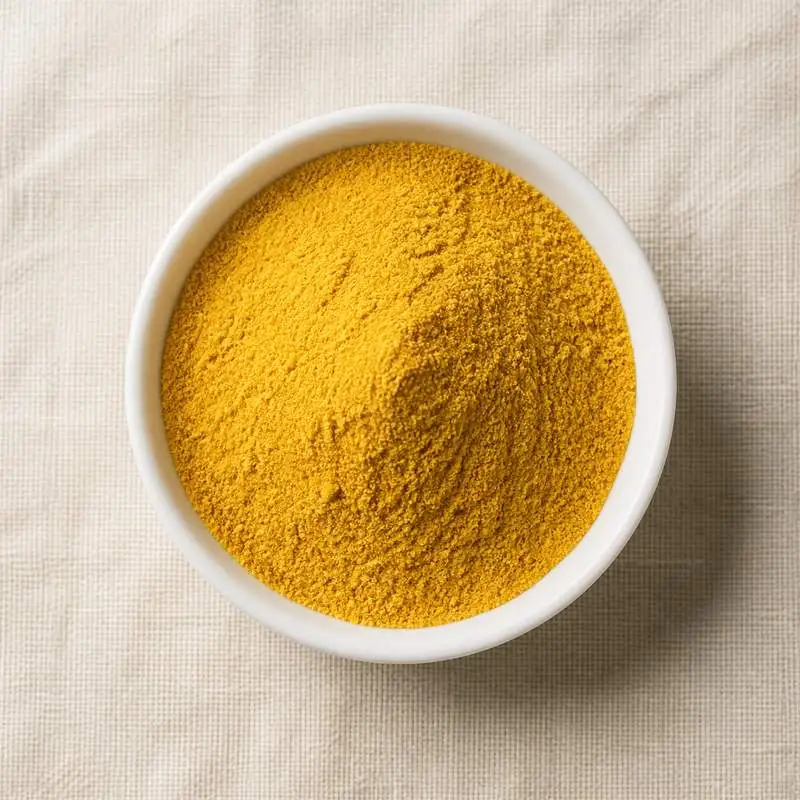
Lyophilized drone pupa is the freeze dried pupal stage of the male honey bee, Apis mellifera, harvested from drone brood comb and dried by sublimation under vacuum. It comes as pale yellow to light brown brittle whole pupae or as a milled powder with a mild characteristic odour, and it is one of the small group of apicultural products traded for nutrition rather than for the hive.
In composition the material is a whole insect protein: on a dry basis it typically carries 45 to 55 percent crude protein with a complete amino acid profile, 20 to 30 percent lipid dominated by oleic, palmitic and linoleic acid, and a mineral fraction rich in zinc, iron and selenium. It also carries the free amino acids, nucleotides, chitin and hormonal precursors present in developing brood, and in Chinese practice the material is used as a tonic food on that basis. Its function in a formulation is nutritional rather than technological.
Freeze drying is used in preference to hot air drying because drone pupa is a soft, high-moisture, lipid-rich tissue that darkens and develops rancid and ammonia notes when heated. The lyophilised product is light, porous and extremely hygroscopic, rehydrating quickly and going soft on exposure to humid air, so it is packed under nitrogen or vacuum in foil laminate with desiccant and stored cool and dark. The residual lipid is unsaturated and oxidises on prolonged air contact.
We source bulk Lyohpilized Drone Pupa from top China manufacturers for our partners. The manufacturer is in Zhejiang. A smaller requirement can ship in a combined container with other ingredients.
Please send the grade you need, the volume and your destination port, and we will come back with a solution and a price.
or call +86-21-6858 0751
- Function
- Nutraceutical
Specifications
| Item | Specification |
|---|---|
| Appearance | Pale yellow to light brown brittle whole pupae or fine powder |
| Odour and taste | Mild characteristic odour, free from ammoniacal or rancid notes |
| Identification | Conforms to Apis mellifera drone pupa by morphology |
| Crude protein, dry basis | Not less than 45.0 percent |
| Crude fat | 20 to 30 percent |
| Moisture | Not more than 5.0 percent |
| Water activity | Not more than 0.30 |
| Total ash | Not more than 6.0 percent |
| Peroxide value of lipid fraction | Not more than 5.0 meq/kg |
| Particle size, milled grade | Passes 60 mesh, not less than 95 percent |
| Yeast and mould | Not more than 500 cfu/g |
| Escherichia coli | Absent in 1 g |
| Staphylococcus aureus | Absent in 1 g |
| Salmonella | Absent in 25 g |
Common Markets Grades
Grading depends on the developmental stage at harvest and on the form. Pupae taken at the white-eye to pink-eye stage give the palest and mildest product and command the highest grade; later brown-eye and pigmented pupae give a darker powder with a stronger odour. Whole freeze dried pupae are sold for direct consumption and for capsule filling, while milled powder at 60 to 100 mesh is used in tablets, sachets and blends. A defatted meal, made by pressing or solvent extracting the lipid before or after drying, is offered where a higher protein figure and better oxidative stability are wanted, and the separated drone pupa oil is a small separate article.
Specification points that distinguish suppliers are moisture and water activity, crude protein and crude fat, peroxide value on the lipid fraction, and the microbiological profile, since brood is a nutrient-rich substrate handled at ambient temperature before freezing. Residue screening for the acaricides used in varroa control is a routine requirement, and organic certified material is available where the apiary is certified. There is no pharmacopoeial monograph, so each buyer sets the specification in the contract.
Applications
- Traditional Chinese tonic foods, the freeze dried pupae taken directly or reconstituted in soups and porridges
- Capsule and tablet supplements sold as a whole-insect protein and micronutrient source
- Protein and amino acid supplement blends, the powder used alongside plant and dairy proteins
- Male vitality and sports supplement formulations, the traditional use category in the Chinese market
- Instant beverage and porridge sachets carrying the milled powder at low inclusion
- Speciality food ingredient in edible insect products, where whole pupae are seasoned as a snack
- Feedstock for enzymatic protein hydrolysate and peptide manufacture
- Pet and companion animal supplements as a palatable protein and lipid source
- Cosmetic and personal care preparations using the hydrolysate, outside food use
China Manufacturers of Lyohpilized Drone Pupa
Top Lyohpilized Drone Pupa manufacturers in China.
Company names and logos are the property of the manufacturers themselves. They are listed here because our own directory records them as producing this ingredient. A listing is not an endorsement by them, and we do not represent them or speak on their behalf.
Regulatory Status
Honey bee brood has a documented history of consumption in parts of Asia and Africa, but its regulatory position outside those regions is that of an edible insect rather than a conventional food. In the United States there is no specific FDA regulation for bee brood; a product would be marketed either as a food, on the basis of a documented history of safe use and compliance with the general adulteration and labelling provisions, or as a dietary supplement ingredient under the Dietary Supplement Health and Education Act, with a new dietary ingredient notification where the preparation lacks pre-1994 marketing. Insect-derived foods are treated as a source of potential allergens, and cross-reactivity with crustacean and dust mite allergy is a recognised labelling concern.
In the European Union edible insects and their preparations are novel foods and require authorisation under Regulation (EU) 2015/2283 before being placed on the market. Several insect species have been authorised individually with defined specifications and use conditions, and honey bee drone brood has been the subject of a novel food application, so the lawful status of a given preparation in the Union depends on whether it is covered by a granted authorisation. Union authorisations for insect products carry mandatory allergen labelling in relation to crustaceans, molluscs and dust mites. The material is not a food additive and carries no E number. Codex Alimentarius has no standard for bee brood; the applicable Codex texts are the general standards for contaminants and the hygiene codes.
Manufacturing Process
Production begins in the apiary. Drone comb frames are placed in a colony and the queen lays unfertilised eggs in the larger drone cells; the frames are removed when the brood reaches the target pupal stage, roughly eighteen to twenty-one days after laying. Pupae are extracted from the cells by vacuum suction, by centrifuge or by pressing the comb, then washed to remove wax, propolis and haemolymph, and immediately chilled or frozen, since the tissue breaks down quickly at ambient temperature.
The washed pupae are graded, spread in a single layer on trays and frozen to around minus 35 degrees Celsius. Freeze drying then proceeds in two stages: primary sublimation removes the frozen free water under a vacuum of a fraction of a millibar with gentle shelf heating, and secondary desorption removes bound water at a slightly higher shelf temperature, bringing the product below 5 percent moisture. Trays are unloaded under low humidity, and the dried pupae are either packed whole or milled in a cooled hammer or pin mill and sieved. Where a defatted grade is being made, the dried material is cold pressed or extracted before milling. Packing is under nitrogen in aluminium foil laminate with an oxygen scavenger.