Magnesium Sulphate
Magnesium Sulphate is an inorganic magnesium salt, sold most often as the heptahydrate MgSO₄·7H₂O with a molar mass of 246.47 g/mol. The heptahydrate is the form known historically as Epsom salt, after the mineral spring at Epsom, Surrey, where it was first isolated in the seventeenth century.
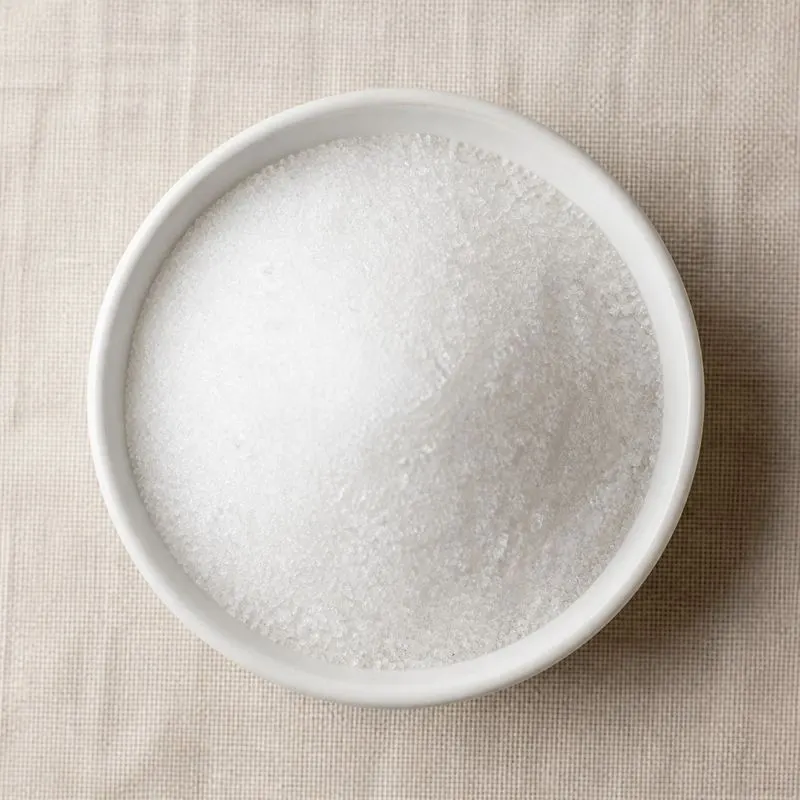
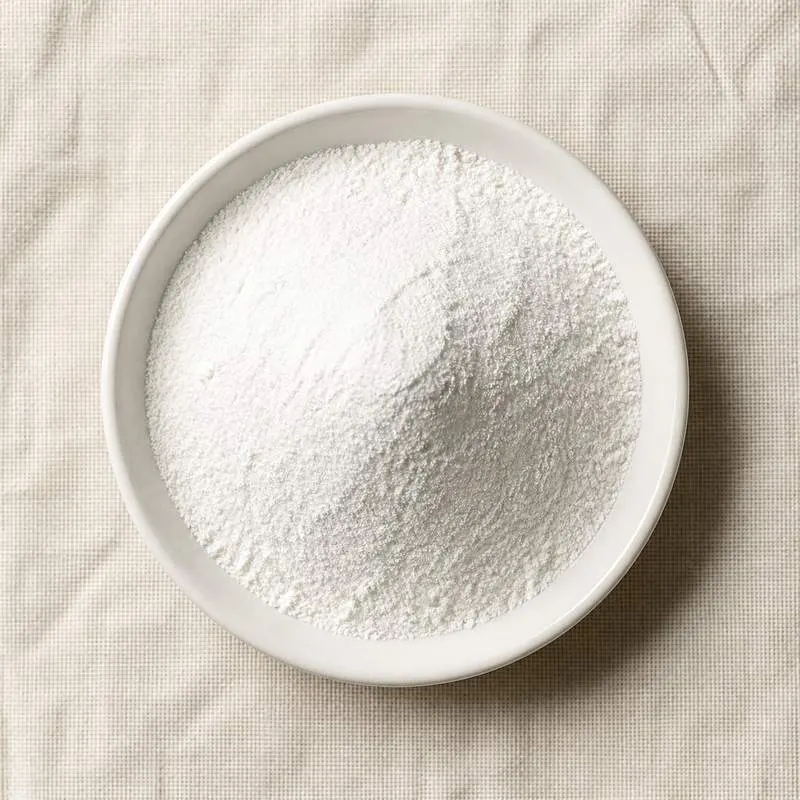
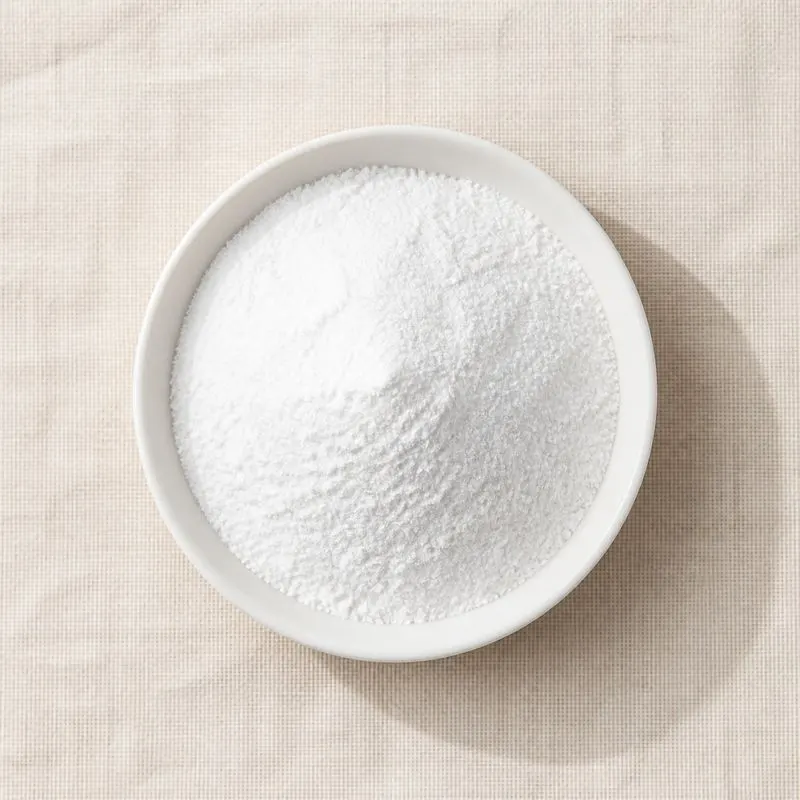
The material takes the form of colourless crystals, white granules, or compacted prills, all freely soluble in water and slightly bitter to the taste. The compound spans an unusually wide commercial footprint, covering bath products, agricultural micronutrient fertilizer, infusion-grade pharmaceuticals, and brewing process water.
We source bulk Magnesium Sulphate from top China manufacturers for our partners, working with several of them. The manufacturers are in Jiangsu, Hebei and Shandong. A smaller requirement can ship in a combined container with other ingredients.
Please send the grade you need, the volume and your destination port, and we will come back with a solution and a price.
or call +86-21-6858 0751
- Packaging
- 25 kg kraft paper bag with PE inner liner
- ISO 9001
- HACCP
- Halal
- Kosher
Specifications
| Item | Specification |
|---|---|
| Appearance | White crystals or powder |
| Assay (as MgSO₄) | ≥ 99.0% (anhydrous) / ≥ 48.0% (heptahydrate) |
| Magnesium Content | ≥ 9.7% (heptahydrate) |
| pH (5% solution) | 5.0-8.0 |
| Chloride | ≤ 0.015% |
| Heavy Metals (as Pb) | ≤ 10 mg/kg |
| Arsenic | ≤ 3 mg/kg |
| Assay (Mg)% | 10.5-16.4 |
| Loss on drying % | 20 - 29 |
| Loss on drying (anhydrous)≤% | - |
| Chloride≤% | 0.05 |
| Sulfate ≤% | 0.2 |
| Arsenic ≤% | 0.0003 |
| Heavy metal ≤% | 0.002 |
| Calcium ≤% | - |
| Iron≤% | - |
| organic volatile impurities | - |
Common Markets Grades
Magnesium Sulphate is graded by hydration state and pharmacopoeial conformance.
The heptahydrate is the dominant retail and bath grade, sold as coarse crystals or technical-grade granules. The monohydrate MgSO₄·H₂O, known mineralogically as kieserite, is the standard form for agricultural broadcast fertilizer, since the lower water content concentrates the magnesium and sulphur payload per tonne shipped. The anhydrous form is used as a laboratory drying agent and in technical processes that cannot tolerate water.
USP and Ph. Eur. pharmaceutical grades of the heptahydrate are the format used for sterile injection, intravenous infusion ampoules, and oral solutions, with strict limits on iron, arsenic, lead, chloride, and selenium.
Food-grade heptahydrate matches FCC and the E518 specification.
Bath-grade Epsom salt is a coarse-crystal heptahydrate, typically with looser specifications and optional fragrance or colour additions.
Applications
- Epsom-salt bath soaks and foot baths positioned on muscle relaxation, traditional spa use, and skin softening
- Bath bombs, bath salts, and shower steamers in personal-care formulations
- Sterile intravenous infusion for the management of severe pre-eclampsia, eclampsia, and torsades de pointes ventricular arrhythmia
- Intravenous bronchodilator therapy in severe acute asthma exacerbations
- Oral saline laxative in bowel-cleansing preparations and short-course constipation relief
- Magnesium and sulphur micronutrient fertilizer for citrus, tomatoes, peppers, potatoes, palm, and conifers
- Brewing water adjustment to recreate hard-water profiles such as those of Burton-on-Trent for pale-ale styles
- Tofu coagulant in some traditional firm-tofu formulations, used alone or alongside magnesium chloride nigari
- Mineral fortification of bottled and reverse-osmosis-treated drinking waters
- Float-tank and isolation-tank flotation media at high concentrations, typically 25 to 35 percent by weight
- Mushroom-substrate supplementation and aquarium reef-tank magnesium dosing
Brands Using Magnesium Sulphate
Widely-distributed consumer products that list Magnesium Sulphate on the ingredient label.
Brand names, product names and logos are the property of their owners. They appear here as published evidence that the ingredient is used, taken from the brand's own label or website. Their appearance is not an endorsement, and it does not mean the brand buys from us or from any manufacturer listed on this site.
China Manufacturers of Magnesium Sulphate
Top Magnesium Sulphate manufacturers in China.
 Hebei Meishen Technology Co., Ltd.4 ingredients in the directory
 Hebei Messi Biology Co., Ltd.4 ingredients in the directory
- Jiangsu Dingguan Food Technology Co., Ltd.10 ingredients in the directory
- Jiangsu Zhenghe Ift Corp.7 ingredients in the directory
- Lianyungang Dikang Food Additive Factory5 ingredients in the directory
- Lianyungang Kede Food Ingredients Co., Ltd.5 ingredients in the directory
 Lianyungang Zhonghong Chemical Co., Ltd.11 ingredients in the directory
 Shandong Laiyu Chemical Co., Ltd.1 ingredient in the directory
Company names and logos are the property of the manufacturers themselves. They are listed here because our own directory records them as producing this ingredient. A listing is not an endorsement by them, and we do not represent them or speak on their behalf.
How We Help Source Magnesium Sulphate
Direct Factory Sourcing
We run the whole process: selecting the manufacturer from the top Chinese food ingredient producers, negotiating the price, verifying quality, and coordinating the logistics. You deal with us instead of with several factories at once.
Original Packaging and Documents from the Manufacturer
The manufacturer sends your Magnesium Sulphate out of its own factory in the original packing, through to your destination port. The COA, COO, MSDS, TDS and any certifications reach you from the manufacturer as well.
Free Samples and Lead Time
We send 100 to 500 g free for your own laboratory to test and you cover only the courier, usually within 2 to 3 working days. ETD is usually within 7 to 15 days once the order is confirmed, and we check that date against the factory's own manufacturing schedule before we give it to you.
Combined Shipment
We can load Magnesium Sulphate together with other ingredients such as Sodium Acetate, Calcium Citrate and Sodium Lactate into one 20' FCL. If your quantity is small, we can also ship LCL.
Regulatory Status
Magnesium Sulphate is approved for food, pharmaceutical, agricultural, and industrial use in essentially every regulated market.
In the European Union it carries the additive number E518 as a firming agent and acidity regulator with quantum satis authorisation. It is also listed on Annex II of Regulation (EU) 1170/2009 as a permitted magnesium source in food supplements.
The U.S. Food and Drug Administration recognises the substance as GRAS under 21 CFR 184.1443 for food use, and the heptahydrate holds USP monograph status for parenteral and oral pharmaceutical use, including the long-established Epsom Salt oral solution.
JECFA has reviewed magnesium salts as a group and assigned them acceptable status for use as food additives.
Pharmacopoeial monographs appear in the United States Pharmacopeia (USP), the European Pharmacopoeia (Ph. Eur.), the British Pharmacopoeia (BP), and the Japanese Pharmacopoeia (JP). Halal and Kosher certifications are routine.
Manufacturing Process
Three industrial sources account for almost all commercial supply.
The dominant route mines and beneficiates the natural minerals kieserite, MgSO₄·H₂O, and epsomite, MgSO₄·7H₂O. The German Werra and Zechstein potash basins are the largest historic source, where kieserite is recovered as a co-product of muriate of potash production. Mined kieserite can be sold directly as fertilizer or recrystallised to the heptahydrate.
The synthetic route reacts magnesium oxide, magnesium hydroxide, or magnesium carbonate with sulphuric acid. The resulting solution is filtered, polished, and crystallised to the heptahydrate. This is the route most often used for pharmaceutical and pharmacopoeial grades, since starting-material purity can be controlled tightly.
The bittern route recovers magnesium sulphate from the residual liquor of solar sea-salt operations, where it crystallises out after sodium chloride and most of the potassium chloride have already been removed. This route is significant in China, Israel, and the United States.