Manganese Bisglycinate
Manganese bisglycinate is a manganese amino acid chelate in which one manganese ion is bound by two glycine molecules through both the amino nitrogen and the carboxyl oxygen, forming two stable five membered rings.
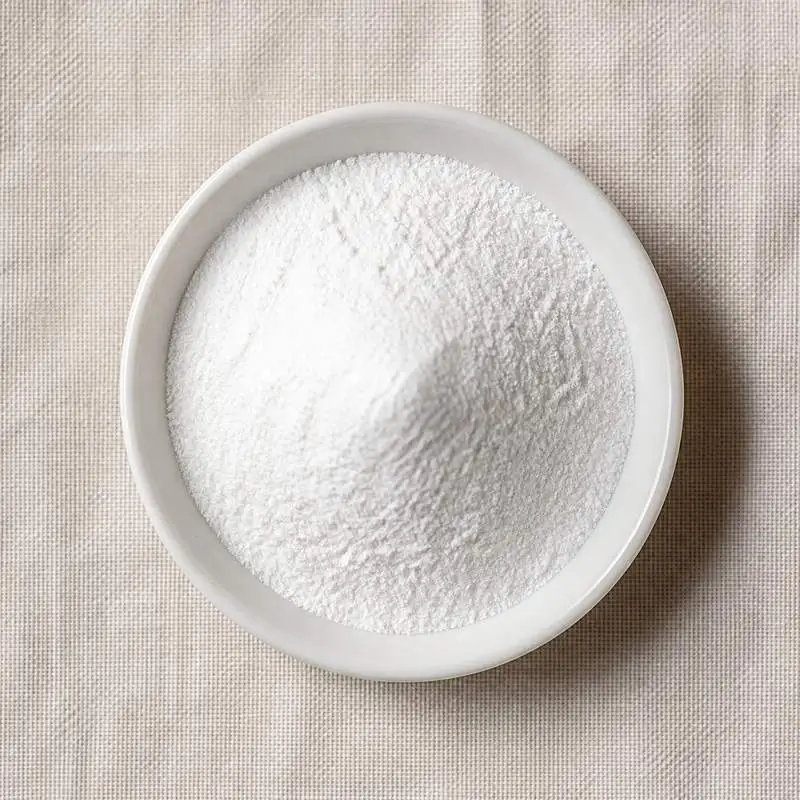
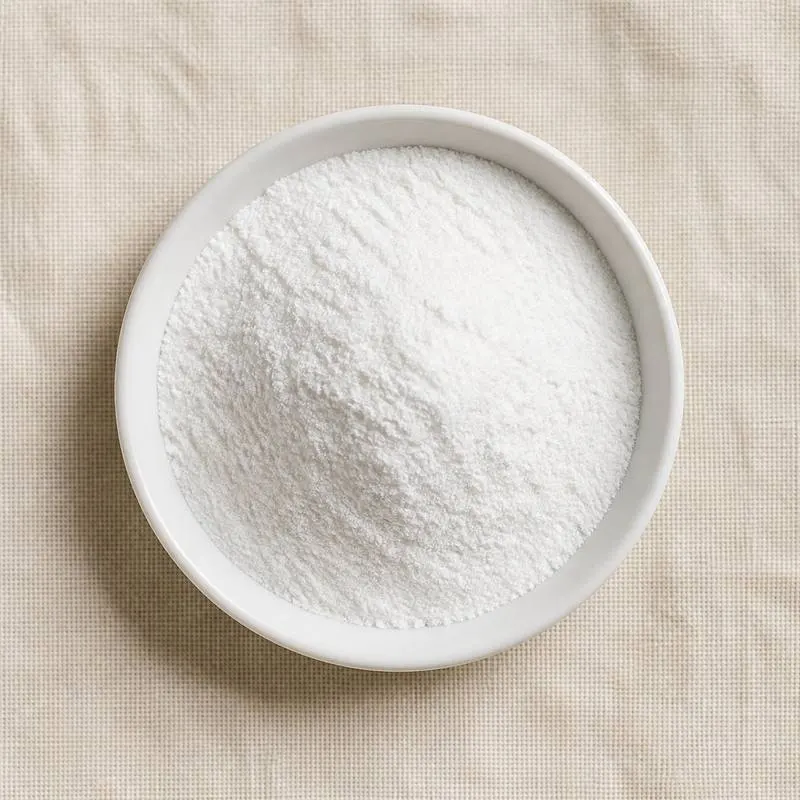
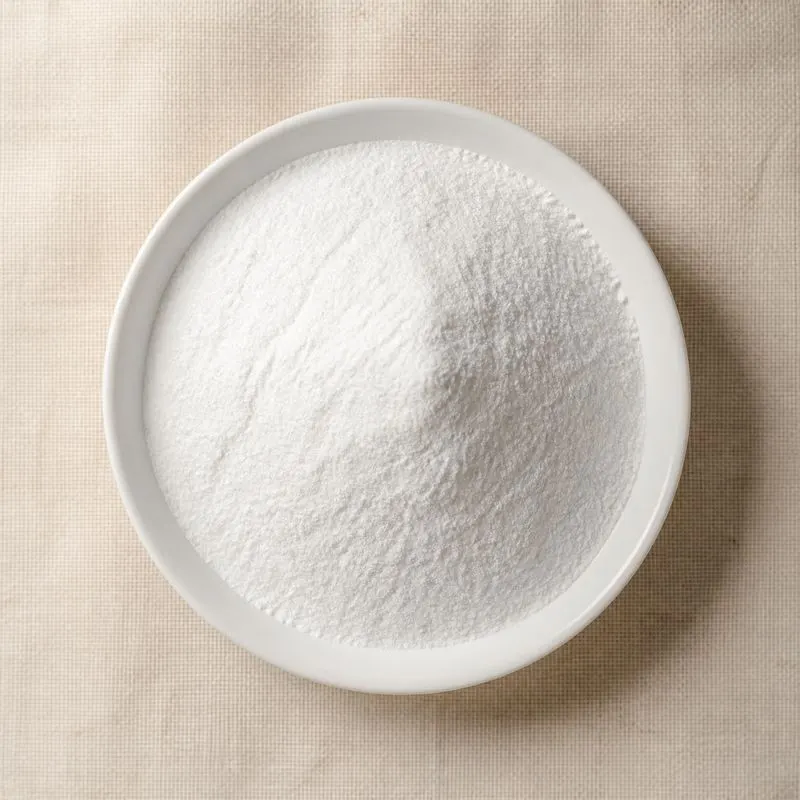
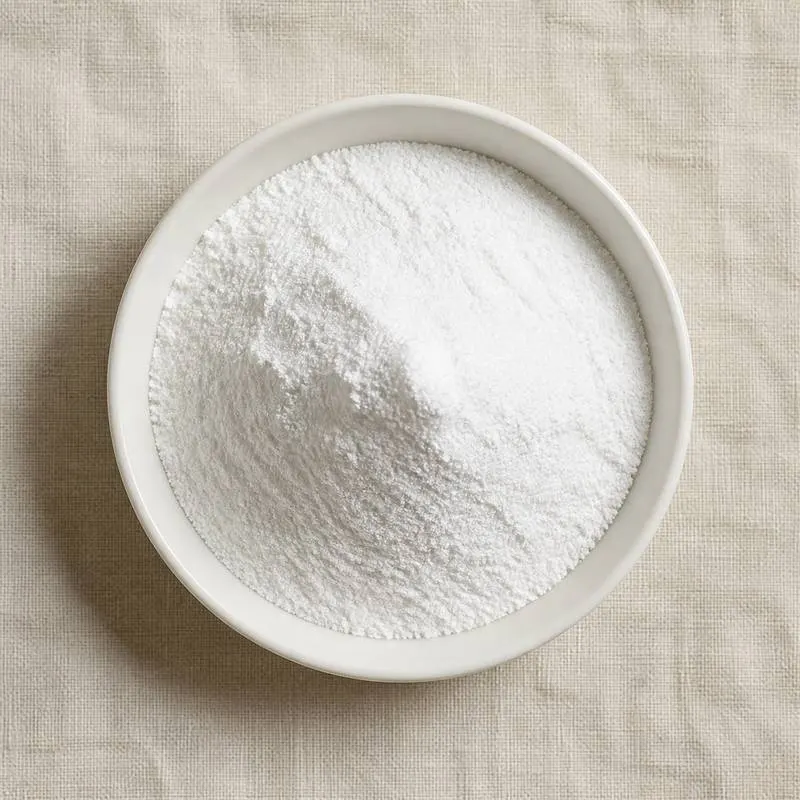
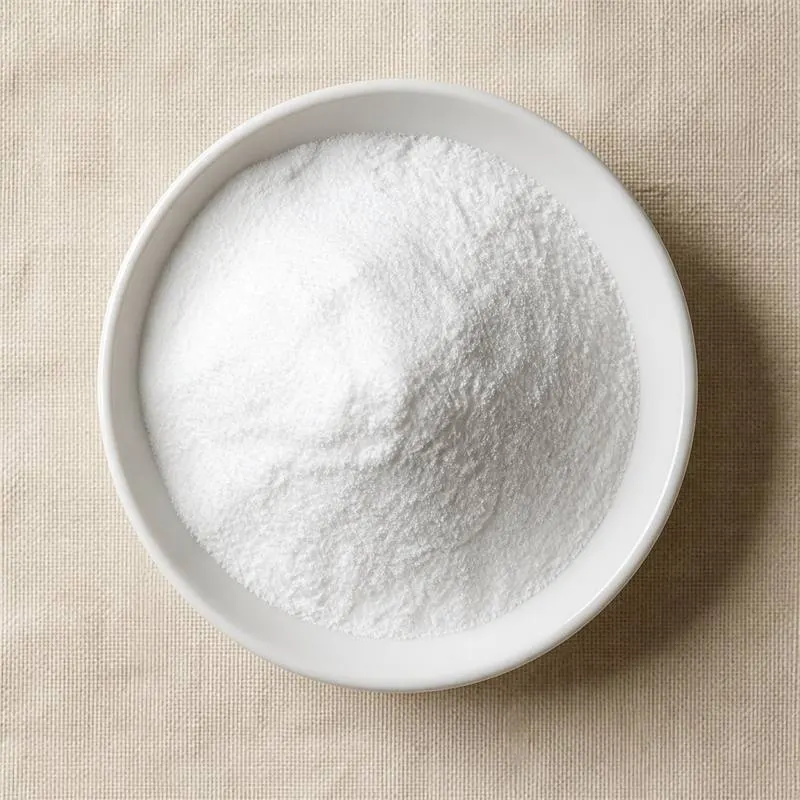
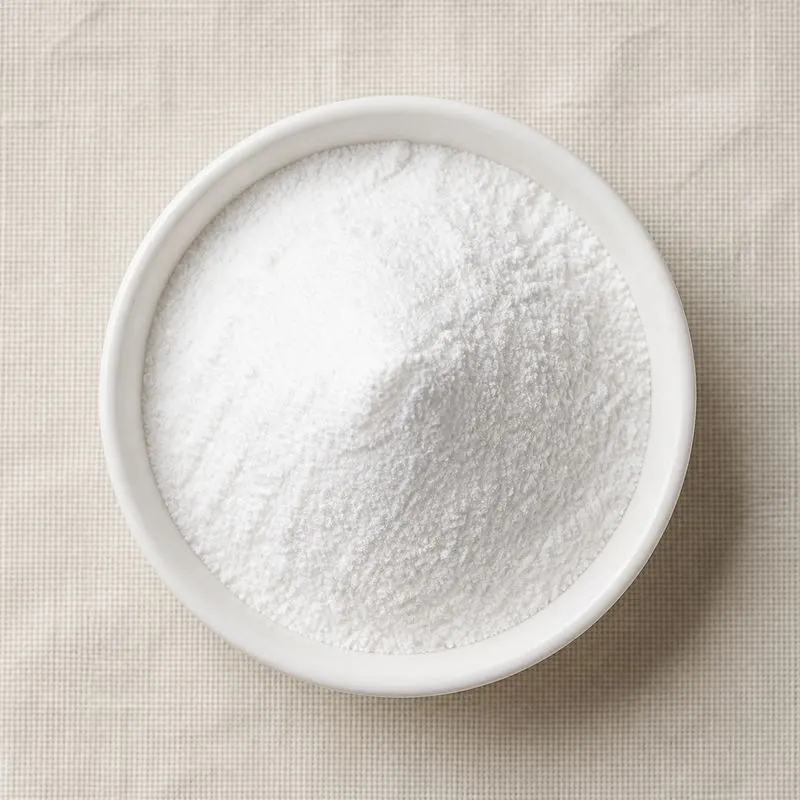
The material is a pale pink to light tan free flowing powder. Fully reacted anhydrous chelate carries close to twenty seven percent manganese on a theoretical basis, but commercial grades are standardised lower, commonly to a declared figure in the mid teens to low twenties, depending on the degree of hydration and whether excess glycine has been left in as a buffer. The declared elemental manganese figure, not the chelate assay, is what formulators dose against.
Solubility in water is limited but rises sharply below pH 4, which is why the chelate disperses rather than dissolves in neutral premixes and passes readily into solution in the acidic conditions of the stomach. The powder is stable to heat and to normal blending and pelleting operations, and it is less reactive towards vitamins in a premix than manganese sulphate.
We source bulk Manganese Bisglycinate from top China manufacturers for our partners. The manufacturer is in Shanghai. A smaller requirement can ship in a combined container with other ingredients.
Please send the grade you need, the volume and your destination port, and we will come back with a solution and a price.
or call +86-21-6858 0751
- Function
- Amino acid
Specifications
| Item | Specification |
|---|---|
| Appearance | Pale pink to light tan free flowing powder |
| Identification | Conforms by infrared spectrum and manganese ion test |
| Manganese (elemental) | Meets declared content, typically 15.0 to 22.0% |
| Glycine to manganese molar ratio | 1.8 to 2.2 to 1 |
| Free glycine | Not more than 5.0% |
| Loss on drying | Not more than 5.0% |
| Sulphated ash | Not more than 2.0% |
| pH (1% aqueous suspension) | 5.5 to 8.0 |
| Particle size | Not less than 95% through 80 mesh |
| Lead | Not more than 3.0 mg/kg |
| Arsenic | Not more than 2.0 mg/kg |
| Cadmium | Not more than 1.0 mg/kg |
| Mercury | Not more than 0.1 mg/kg |
| Total plate count | Not more than 1,000 cfu/g |
Common Markets Grades
Two families are traded. Food and supplement grade material is made to a tight glycine to manganese ratio, declared on elemental manganese, and carries full heavy metal and microbiological testing for use in tablets, capsules and fortified foods. Feed grade chelate is a larger volume product with a broader specification, sold on guaranteed manganese content for mineral premixes and complete feed.
Within each family the practical variables are manganese content and particle size. Higher assay grades near the stoichiometric limit are chosen where dose volume is tight, while buffered grades containing free glycine are preferred where a lower, more forgiving assay makes premix blending easier. Fine powders through 80 mesh suit capsules and liquid dispersions, and granulated grades are used for direct compression and for feed premix, where dust control and segregation resistance matter.
Applications
- Multivitamin and multimineral tablets, where manganese appears at trace levels alongside zinc and copper chelates
- Bone and joint supplements, in which manganese is included for its role in connective tissue formation
- Prenatal supplements as the trace manganese source in an otherwise mineral heavy formula
- Sports and antioxidant formulas positioned around manganese dependent superoxide dismutase
- Fortified powdered beverages and meal replacements requiring a low reactivity manganese source
- Poultry and swine mineral premixes, where the chelated form is used to reduce interaction with dietary phytate
- Ruminant and aquaculture feeds as a trace mineral carrier in pelleted rations
- Companion animal supplements and complete pet foods within the trace element pack
- Enteral and clinical nutrition products needing a defined trace element profile
Brands Using Manganese Bisglycinate
Widely-distributed consumer products that list Manganese Bisglycinate on the ingredient label.
Brand names, product names and logos are the property of their owners. They appear here as published evidence that the ingredient is used, taken from the brand's own label or website. Their appearance is not an endorsement, and it does not mean the brand buys from us or from any manufacturer listed on this site.
China Manufacturers of Manganese Bisglycinate
Top Manganese Bisglycinate manufacturers in China.

Company names and logos are the property of the manufacturers themselves. They are listed here because our own directory records them as producing this ingredient. A listing is not an endorsement by them, and we do not represent them or speak on their behalf.
Regulatory Status
In the United States manganese is an essential nutrient whose permitted forms for food fortification include manganese sulphate, gluconate, chloride and citrate under the generally recognised as safe listings in 21 CFR Part 182, and manganese amino acid chelates are used chiefly as dietary ingredients in supplements manufactured under 21 CFR Part 111. For animal feed, manganese amino acid complexes and chelates are described in the Association of American Feed Control Officials ingredient definitions and are used within those descriptions.
In the European Union the annex to Directive 2002/46/EC fixes the manganese sources permitted in food supplements and Regulation 1925/2006 fixes those permitted for the fortification of foods, and formulators confirm that the specific chelate they intend to use appears on the applicable list before selling into the market. For feed, manganese chelate of glycine hydrate is an authorised nutritional additive in the EU feed additive register, with its own purity and labelling conditions. Codex and JECFA have not issued a specification monograph for the chelate.
Manufacturing Process
The chelate is made by reacting a manganese source with glycine in water. Manganese carbonate or manganese oxide is slurried with two molar equivalents of glycine and heated, with the carbonate route releasing carbon dioxide as the reaction advances, which is convenient because it drives the reaction and leaves no anion behind. Where manganese sulphate is used as the feedstock instead, an alkali is added to precipitate the carbonate or hydroxide in situ and the resulting sulphate salt is washed out, since residual sulphate would otherwise show up in the assay.
The reaction is held at controlled temperature and pH until chelation is complete, checked by a drop in free glycine and by conductivity. The slurry is filtered to remove unreacted manganese solids, then dried, most often by spray drying the concentrated liquor and occasionally by tray or fluid bed drying of the wet cake. The dried solid is milled, sieved to the contracted mesh, passed through magnetic separation and metal detection, and blended to the declared manganese content before packing.