Superoxide Dismutase
Superoxide dismutase is a metalloenzyme that catalyses the dismutation of the superoxide radical anion into molecular oxygen and hydrogen peroxide, the first step of the cellular defence against reactive oxygen species. Three families are distinguished by the metal at the active site: copper zinc superoxide dismutase, the cytosolic form used in most commercial preparations, manganese superoxide dismutase from mitochondria and from bacteria, and iron superoxide dismutase from prokaryotes and some plants.
In food and supplement work the enzyme is treated as a functional protein rather than a processing aid. Its declared potency is expressed in activity units per milligram or per gram, measured by inhibition of a superoxide driven indicator reaction such as the reduction of nitroblue tetrazolium or cytochrome c, and not by protein assay alone.
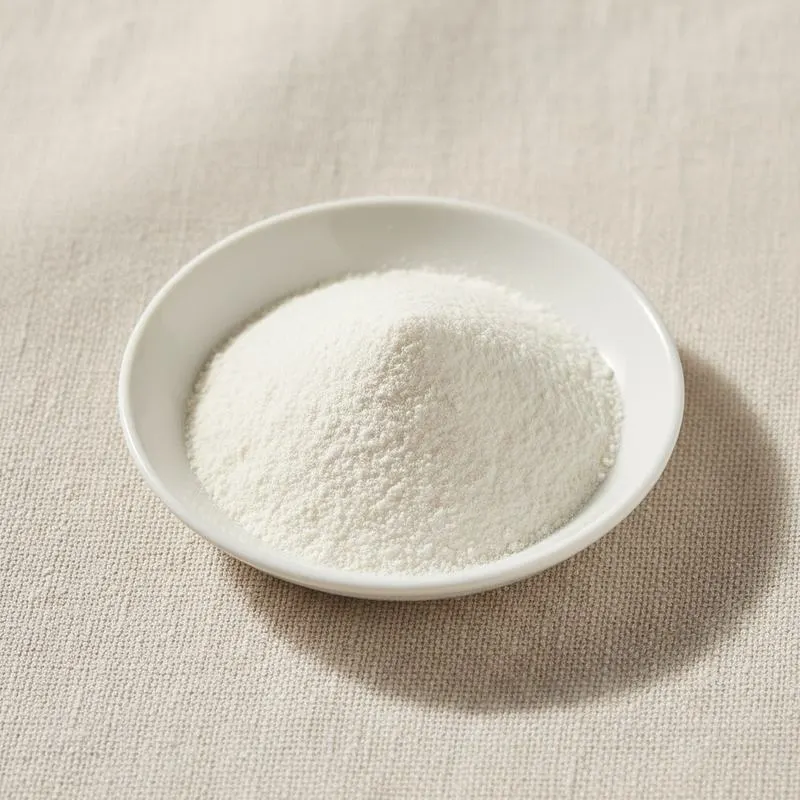
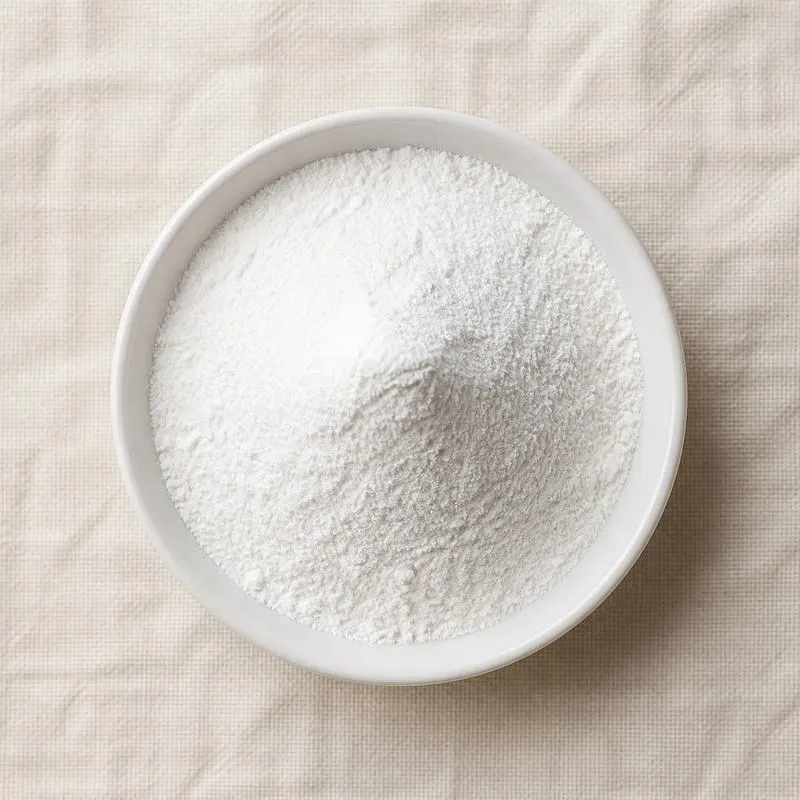
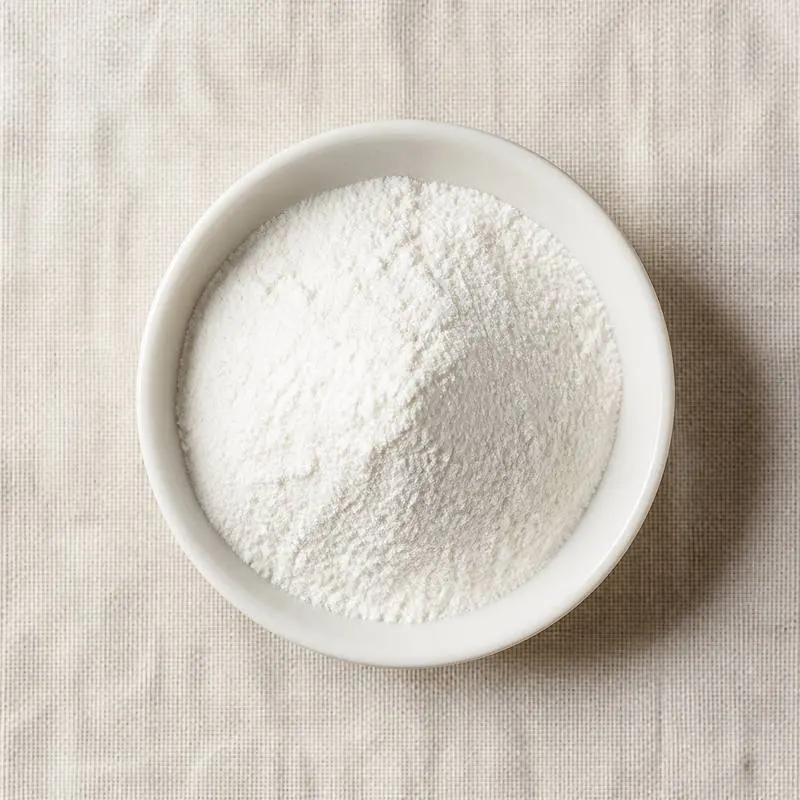
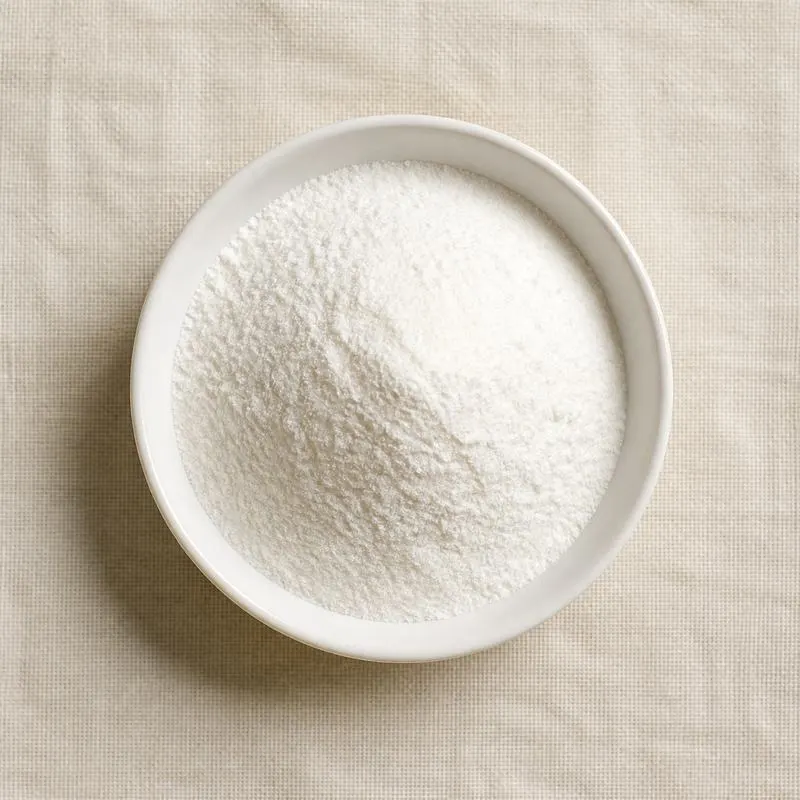
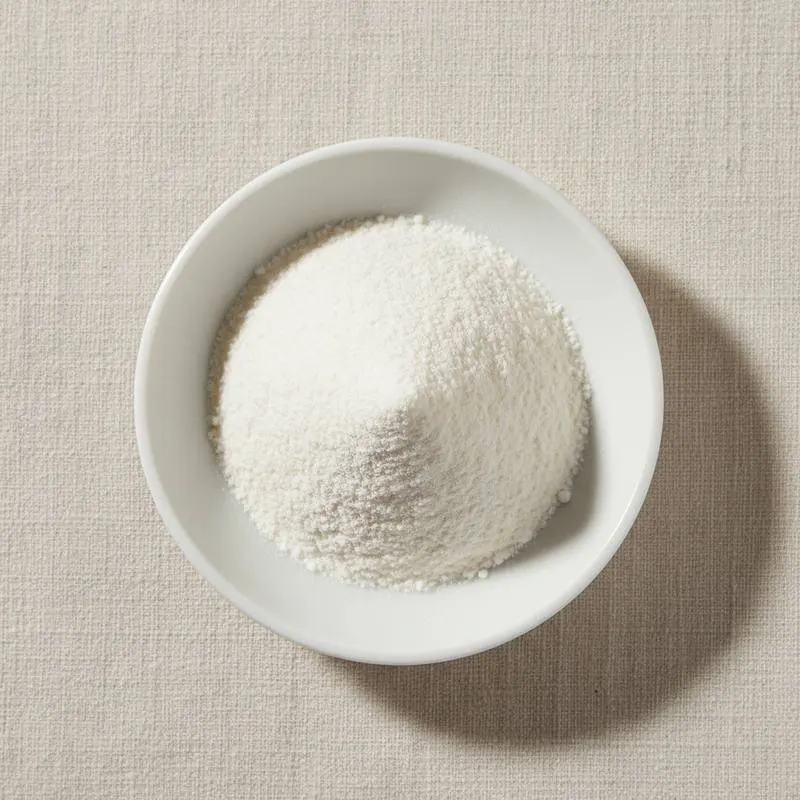
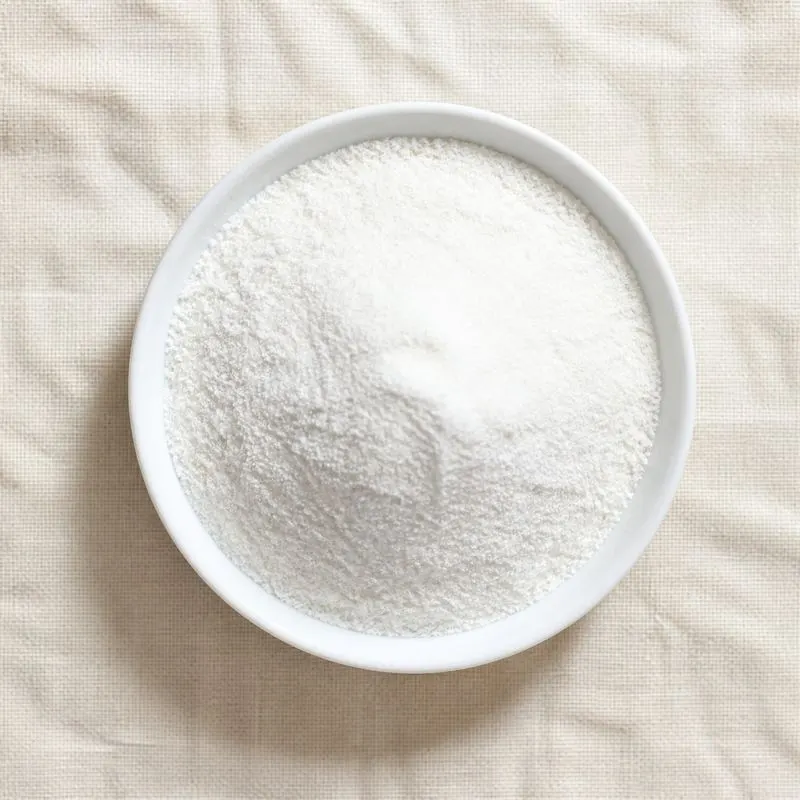
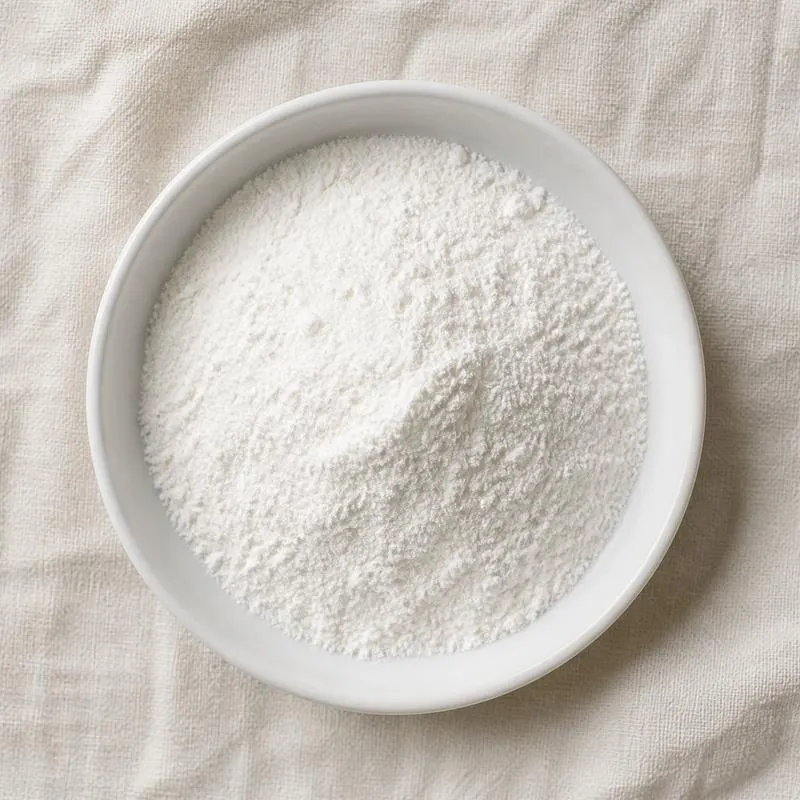
Commercial material is a light tan to pale pink freeze dried or spray dried powder, or a standardised blend diluted on maltodextrin to a fixed unit count. It is freely soluble in water and in buffered aqueous systems. The protein is stable when dry and cool but loses activity on prolonged exposure to heat, extremes of pH and free metal chelators, so it is added after thermal steps rather than before. Gastric stability is the limiting factor in oral use, and enteric coated or gliadin complexed forms exist for that reason.
We source bulk Superoxide Dismutase from top China manufacturers for our partners. The manufacturer is in Jilin. A smaller requirement can ship in a combined container with other ingredients.
Please send the grade you need, the volume and your destination port, and we will come back with a solution and a price.
or call +86-21-6858 0751
- Function
- Enzyme
Specifications
| Item | Specification |
|---|---|
| Appearance | Light tan to pale pink fine powder |
| Odour | Characteristic, faint |
| Activity | Conforms to declared units per gram, not less than 95 percent of label |
| Identification | Positive by superoxide scavenging assay |
| Particle size | 98 percent through 80 mesh |
| Loss on drying | Not more than 8.0 percent |
| Residue on ignition | Not more than 10.0 percent |
| Heavy metals as Pb | Not more than 10 mg/kg |
| Lead | Not more than 2 mg/kg |
| Arsenic | Not more than 1 mg/kg |
| Total plate count | Not more than 10,000 cfu/g |
| Yeast and mould | Not more than 500 cfu/g |
| E. coli | Absent in 10 g |
| Salmonella | Absent in 25 g |
Common Markets Grades
Superoxide dismutase trades in three broad grades. Food and supplement grade is a standardised powder sold on declared activity, commonly in the range of several hundred to several thousand units per milligram for concentrated preparations and far lower for melon juice concentrates diluted on a carrier. Cosmetic grade holds similar activity against a specification weighted toward colour, odour and preservative compatibility. Research and diagnostic grade is a chromatographically purified single isoenzyme sold in milligram quantities against a specific activity figure.
Source is the other axis of differentiation. Plant derived material, most often from a high enzyme cantaloupe melon, is the usual choice for supplement work and is frequently used as a gliadin coated complex intended to survive gastric transit. Microbial material from submerged fermentation and recombinant expression is the route for higher activity powders. Particle size is typically specified to pass an 80 mesh screen, and the enzyme is offered both neat and as a formulated premix.
Applications
- Dietary supplements and capsules positioned on antioxidant enzyme activity, usually as a gliadin complexed melon concentrate
- Functional beverages added after pasteurisation and cooling, where the enzyme cannot survive an in line heat step
- Sports nutrition powders and recovery formulations blended with other antioxidant actives
- Skin care emulsions and serums, where it is used as an active against oxidative stress in the formulation and on the skin
- Sun care and after sun products as part of a combined antioxidant system
- Animal feed premixes for poultry and swine, used to reduce oxidative load during heat stress
- Aquaculture feed additives for shrimp and fish under intensive rearing conditions
- Diagnostic and assay kits, where purified enzyme serves as a reference standard for superoxide scavenging measurements
- Cell culture media supplements to limit oxidative damage in sensitive lines
Brands Using Superoxide Dismutase
Widely-distributed consumer products that list Superoxide Dismutase on the ingredient label.
- NutricostNutricost S.O.D. ↗A capsule providing 300 mg of superoxide dismutase per serving, rated at 2,400 AU of enzyme activity.Label verified 2026-08-31
- CodeageHair Growth + Smooth Skin Max ↗A hair and skin supplement containing SOD B Dimpless, a melon derived superoxide dismutase concentrate.Label verified 2026-08-31
Brand names, product names and logos are the property of their owners. They appear here as published evidence that the ingredient is used, taken from the brand's own label or website. Their appearance is not an endorsement, and it does not mean the brand buys from us or from any manufacturer listed on this site.
China Manufacturers of Superoxide Dismutase
Top Superoxide Dismutase manufacturers in China.

Company names and logos are the property of the manufacturers themselves. They are listed here because our own directory records them as producing this ingredient. A listing is not an endorsement by them, and we do not represent them or speak on their behalf.
Regulatory Status
In the United States, superoxide dismutase preparations reach the market as dietary ingredients under the dietary supplement framework, and melon juice concentrate standardised for the enzyme has been the subject of a generally recognised as safe determination for defined food uses. There is no single food additive regulation covering the enzyme as such; enzyme preparations used in food processing sit within 21 CFR Part 173, while the dietary supplement provisions govern supplement use rather than any additive listing. Cosmetic use is regulated through general cosmetic ingredient safety requirements rather than a positive list.
In the European Union, an enzyme added to food for a technological purpose falls under Regulation (EC) No 1332/2008 on food enzymes, and material sold for its physiological effect in supplements falls instead under the food supplements Directive and, for any preparation without a significant history of consumption in the Union before May 1997, the novel food Regulation (EU) 2015/2283. Melon concentrates carrying the enzyme have been assessed in that novel food context. The Joint FAO WHO Expert Committee on Food Additives publishes general specifications for enzyme preparations that cover source organism, purity and microbiological limits, and these are applied to superoxide dismutase where it is used as a food enzyme.
Manufacturing Process
Commercial superoxide dismutase follows two routes. The plant route starts from a selected high enzyme melon variety, usually a cantaloupe cultivar bred for elevated copper zinc superoxide dismutase in the flesh. Fruit is washed, pulped and pressed, and the juice is clarified by centrifugation and filtration. The clarified juice is concentrated by ultrafiltration, blended with a wheat gliadin fraction or a maltodextrin carrier, standardised to a target unit count, and freeze dried or spray dried at inlet temperatures low enough to preserve activity.
The microbial route uses submerged aerobic fermentation of a bacterial or yeast strain, in modern plants a recombinant host carrying the gene for the target isoenzyme. Broth is harvested, the cells are separated and lysed mechanically, and the cell free extract is clarified. Purification proceeds through ammonium sulphate precipitation or aqueous two phase separation, then ion exchange and, where a single isoenzyme is required, size exclusion or affinity chromatography. The purified fraction is ultrafiltered into a stabilising buffer, sterile filtered, standardised and lyophilised.