Marine Fish Oligopeptide
Marine fish oligopeptide is a low molecular weight protein hydrolysate obtained by controlled enzymatic digestion of fish muscle protein, in which the native protein chain is cut down to fragments of roughly two to ten amino acid residues. The defining specification is molecular weight distribution rather than protein content alone, with commercial material typically declaring that the great majority of peptides fall below 1000 daltons.
Functionally the material behaves quite differently from intact fish protein. Short peptides are absorbed across the intestinal wall through peptide transporters rather than requiring further digestion, which is the basis of the absorption claims made for the category, and the loss of tertiary structure removes the gelling and water holding behaviour that intact myofibrillar protein contributes. What remains is a protein source with almost no viscosity contribution, high solubility and a strong amino acid profile weighted towards glutamic acid, aspartic acid, lysine and leucine.
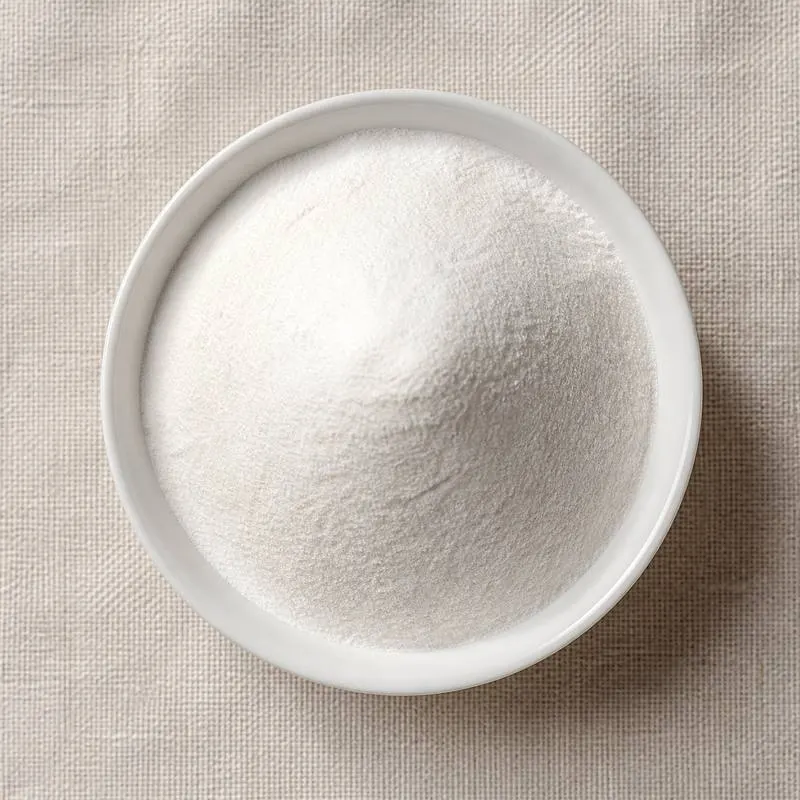
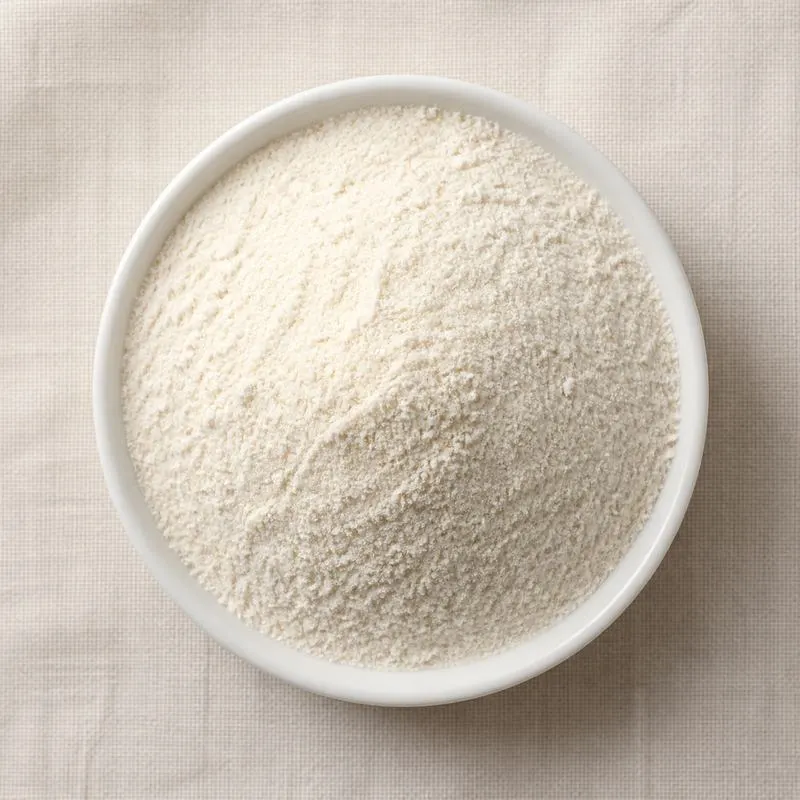
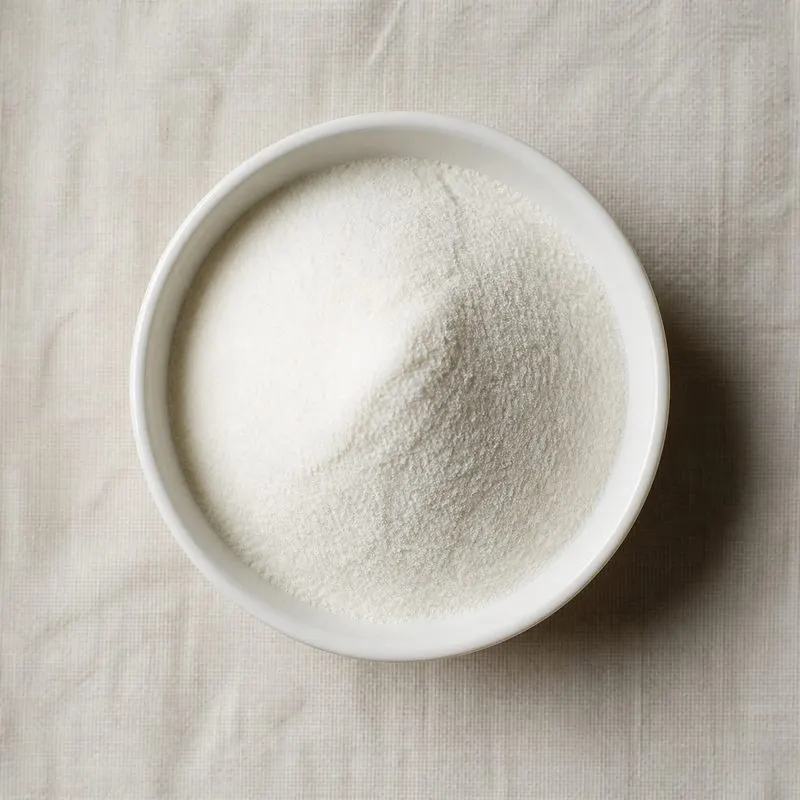
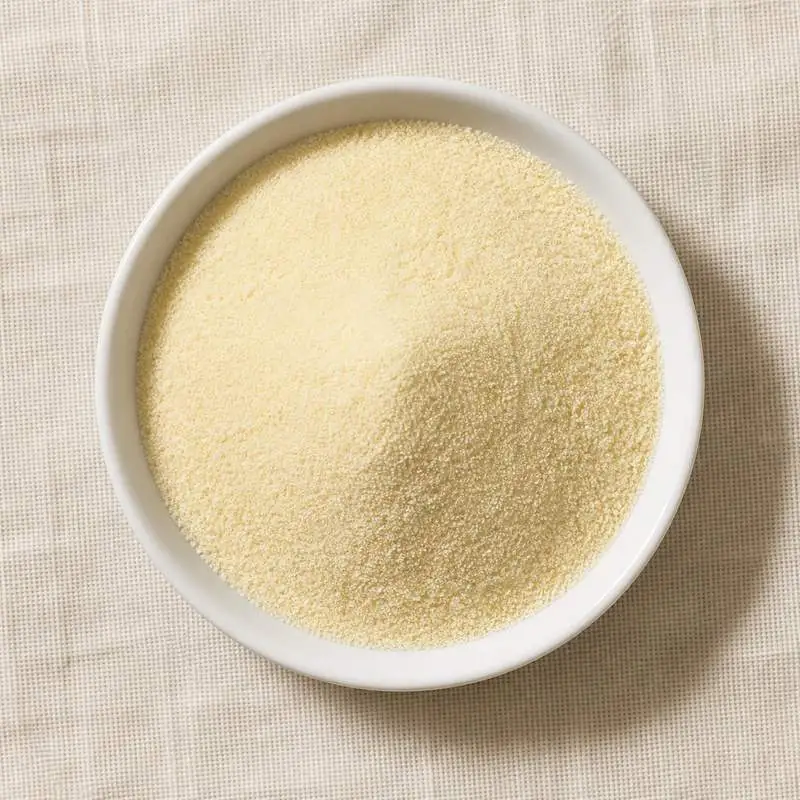
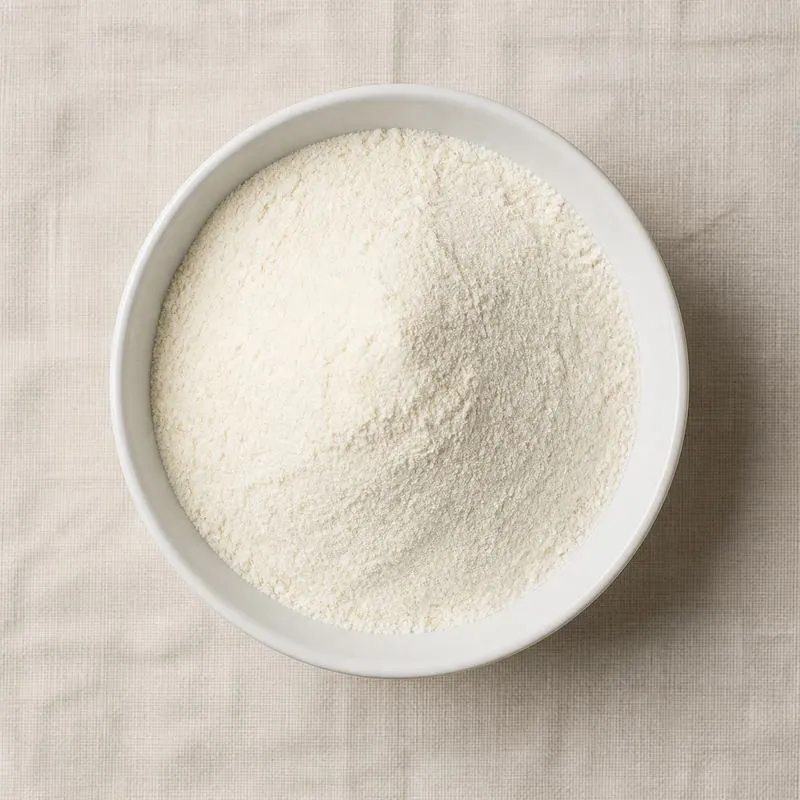
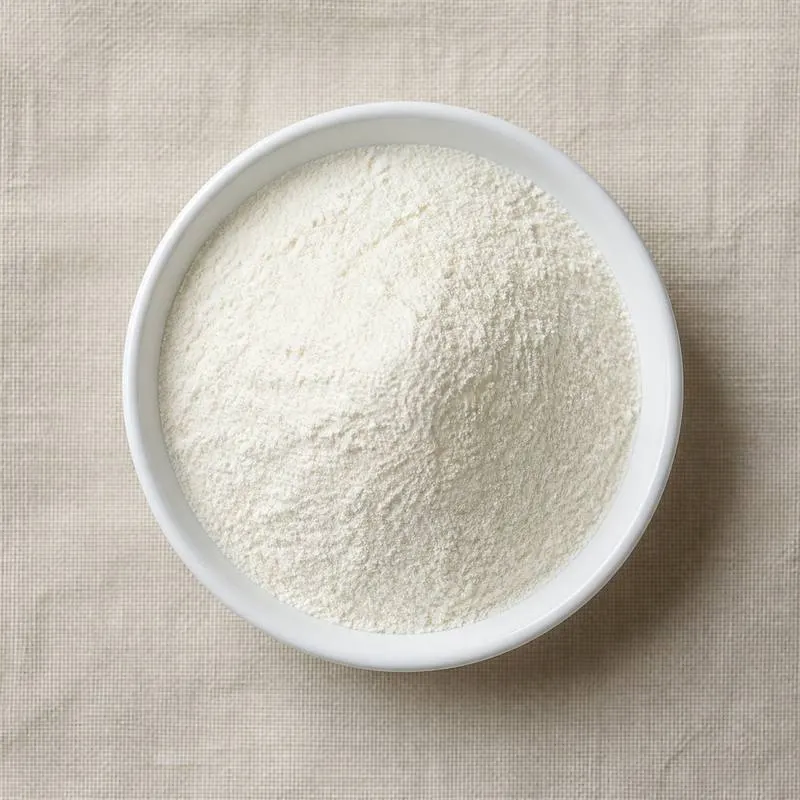
It is a white to pale yellow free flowing spray dried powder with a characteristic fish note that ranges from mild to pronounced depending on how far deodorisation has been taken. Solubility in water is essentially complete across the normal food pH range, solutions stay clear rather than turbid, and the peptides are heat stable through pasteurisation and retort processing because there is no remaining conformation to denature.
We source bulk Marine Fish Oligopeptide from top China manufacturers for our partners, working with several of them. The manufacturers are in Shandong. A smaller requirement can ship in a combined container with other ingredients.
Please send the grade you need, the volume and your destination port, and we will come back with a solution and a price.
or call +86-21-6858 0751
- Function
- Protein
Specifications
| Item | Specification |
|---|---|
| Appearance | White to pale yellow free flowing powder |
| Odour and Taste | Characteristic mild marine odour, slightly salty taste |
| Protein (dry basis, N x 6.25) | Not less than 90.0 percent |
| Peptides below 1000 Daltons | Not less than 85.0 percent |
| Identification | Amino acid profile and molecular weight distribution conform to reference |
| Loss on Drying | Not more than 6.0 percent |
| Ash | Not more than 6.0 percent |
| pH (1 percent solution) | 5.5 to 7.5 |
| Solubility in Water | Not less than 99.0 percent |
| Heavy Metals (as Pb) | Not more than 10 mg/kg |
| Lead | Not more than 0.5 mg/kg |
| Arsenic (inorganic) | Not more than 0.5 mg/kg |
| Mercury | Not more than 0.5 mg/kg |
| Total Plate Count | Not more than 10000 cfu/g |
| Yeast and Mould | Not more than 100 cfu/g |
| E. coli | Negative in 1 g |
| Salmonella | Negative in 25 g |
Common Markets Grades
Grades separate first on molecular weight. A general nutritional grade specifies peptides below 1000 daltons at 80 to 85 percent, while a premium grade tightens that to 90 percent or higher and may additionally declare the fraction below 500 daltons. Protein content on a dry basis runs from about 85 percent for standard material to 90 percent and above for grades that have been through ion exchange or membrane desalting to strip residual salt and ash.
The second distinction is sensory and raw material. Deodorised and decoloured grades carry activated carbon and resin treatment to reduce the fishy note and trimethylamine content, and command a premium for beverage and dairy use where flavour carry through matters. Raw material identity is also specified in trade, with cod, tilapia, pollock and mixed marine sources traded separately, and religious certification and species declaration are routine requirements. Physical presentation is almost always spray dried powder; granulated and instantised versions exist for dry blend and sachet formats where dusting and wetting behaviour matter more than bulk density.
Applications
- Protein supplement powders and sachets, where the peptides dissolve clear and add no viscosity at high inclusion
- Ready to drink sports and recovery beverages, where intact protein would cause sedimentation or retort gelling
- Clinical and elemental nutrition formulas for patients with impaired digestive capacity
- Elderly and post surgical nutrition products, where nitrogen delivery matters more than texture
- Meal replacement and weight management formulations, as a protein source that does not thicken the finished drink
- Functional shots and small format beverages, where a high protein load must sit in a low volume
- Savoury seasoning and soup bases, where the free amino acids and short peptides contribute umami and body
- Pet food palatants and premium pet supplements, where hydrolysed marine protein improves acceptance
- Cosmetic and personal care formulations, as a humectant and film forming protein derivative
China Manufacturers of Marine Fish Oligopeptide
Top Marine Fish Oligopeptide manufacturers in China.
- Qingdao Kehaijiantang Biochemistry Co., Ltd.2 ingredients in the directory
 Shandong Hailongyuan Bio-tech Co., Ltd.10 ingredients in the directory
- Shandong Longbei Biology Technology.,Ltd.2 ingredients in the directory
Company names and logos are the property of the manufacturers themselves. They are listed here because our own directory records them as producing this ingredient. A listing is not an endorsement by them, and we do not represent them or speak on their behalf.
Regulatory Status
In the United States fish protein hydrolysates are treated as food ingredients rather than additives and are marketed on the basis of self affirmed or notified generally recognised as safe status, with the manufacturing process, source species and specification defining that status. Fish is one of the major food allergens named in the Food Allergen Labelling and Consumer Protection Act, so the species must be declared on the label regardless of the degree of hydrolysis. Products presented for supplement use fall under the dietary supplement framework, and any structure or function claim carries the associated notification and disclaimer requirements.
In the European Union fish protein hydrolysate from conventional food fish and produced by conventional enzymatic hydrolysis is regarded as a food rather than a novel food, though hydrolysates from species without a history of consumption in the Union, or made by processes not previously used, require novel food authorisation. Fish is a listed allergen under the food information regulation and must appear in the ingredient list. The material is not a food additive and holds no E number. Codex has no commodity standard specific to fish oligopeptide, and the relevant reference points are the Codex code of practice for fish and fishery products and the general standard for contaminants, which sets the heavy metal expectations applied to marine derived ingredients.
Manufacturing Process
Production starts from fish muscle, usually the trimmings and frames left after filleting or from small pelagic species landed for processing. The raw material is washed, minced and defatted, since residual lipid oxidises during downstream heating and is the main source of the off odour that plagues the category. The mince is slurried in water, the pH and temperature are adjusted to the working range of the chosen enzyme, and hydrolysis is run with a food grade protease system, typically an alkaline endoprotease such as alcalase followed by an exopeptidase like flavourzyme to cut the bitter hydrophobic peptides down further. Degree of hydrolysis is tracked during the reaction and the enzymes are inactivated by heating once the target is reached.
The hydrolysate is then clarified by centrifugation and filtration to remove bone fragments, undigested residue and separated fat, and passed through ultrafiltration to hold back high molecular weight material, followed by nanofiltration to concentrate the permeate and remove part of the salt load. Activated carbon adsorption and, in higher grades, ion exchange resin treatment strip colour, trimethylamine and residual bitter fractions. The purified concentrate is evaporated under vacuum and spray dried into a fine powder, then sieved, metal checked and packed in lined bags or drums with a moisture barrier.