Matcha Flavour
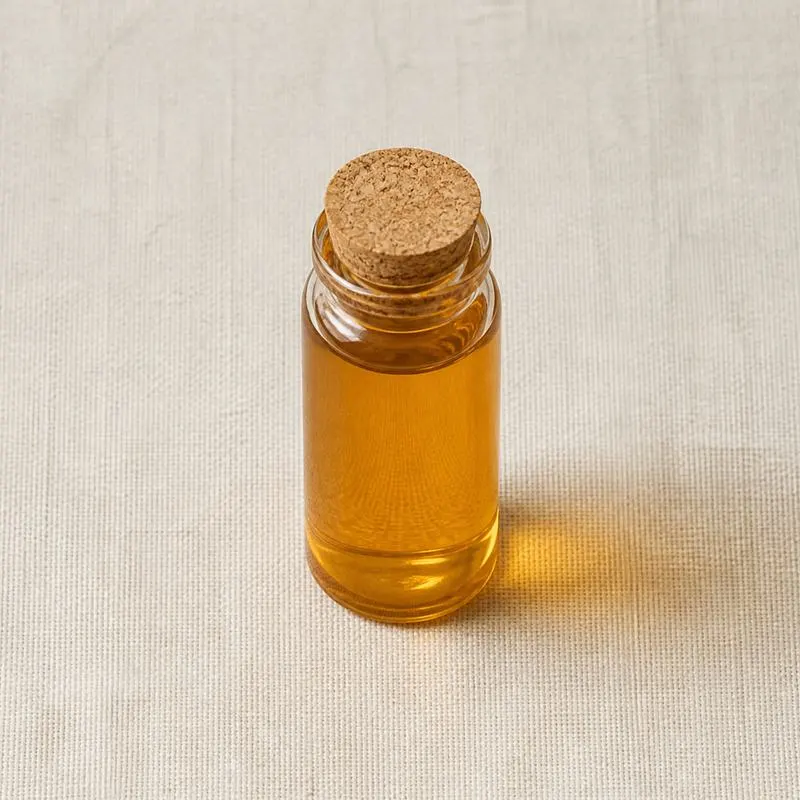
Matcha Flavour is a compounded flavouring that reproduces the aroma of matcha, the shade grown Japanese green tea that is stone milled to a fine powder and consumed whole rather than infused. Shading the plants before harvest raises the amino acid content, particularly theanine, and lowers catechin formation, which is why matcha reads as sweeter, more savoury and less astringent than ordinary green tea. The aroma profile that a flavour reconstructs is built on dimethyl sulphide for the fresh marine note, the C6 green compounds cis 3 hexenol and hexanal, linalool and geraniol for the floral lift, indole and pyrazines for the roasted depth in higher fired styles, and the volatile products of the theanine and sugar reaction that give the characteristic sweet vegetal top.
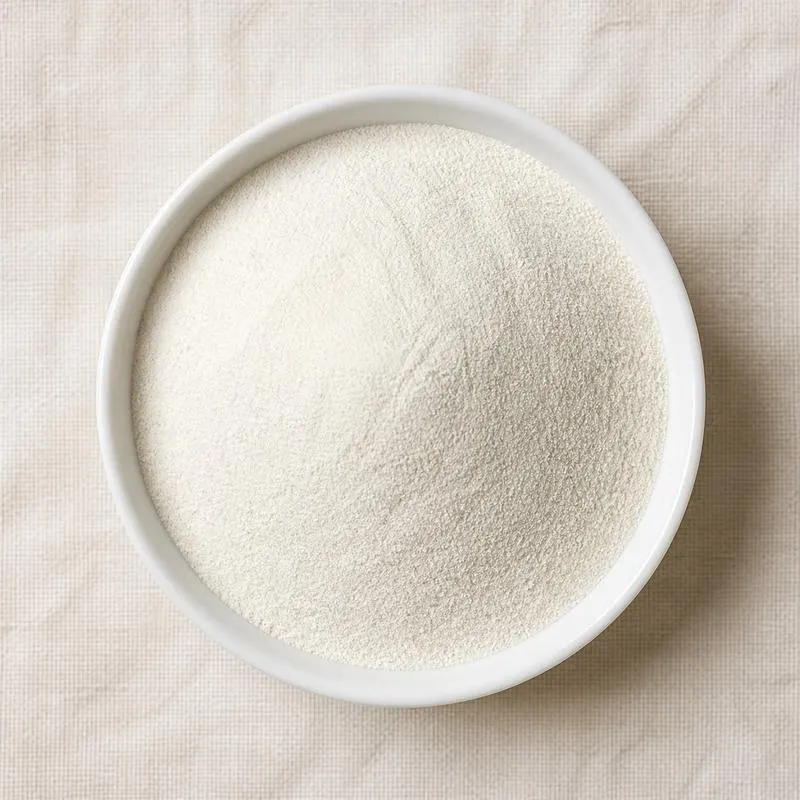
It arrives as a water miscible liquid in propylene glycol or ethanol, as an oil soluble concentrate for chocolate and fat based fillings, and as a spray dried powder. It is almost always used alongside a colour, since a flavour carries no pigment and consumers read the green colour as part of the identity; that colour is either real matcha powder used as part of the ingredient system or a permitted green colour. The green top note fraction is volatile and is lost on open heating, so the flavour is dosed cold or after any thermal step.
We source bulk Matcha Flavour from top China manufacturers for our partners. The manufacturer is in Fujian. A smaller requirement can ship in a combined container with other ingredients.
Please send the grade you need, the volume and your destination port, and we will come back with a solution and a price.
or call +86-21-6858 0751
- Function
- Flavours and Aromas
Specifications
| Item | Specification |
|---|---|
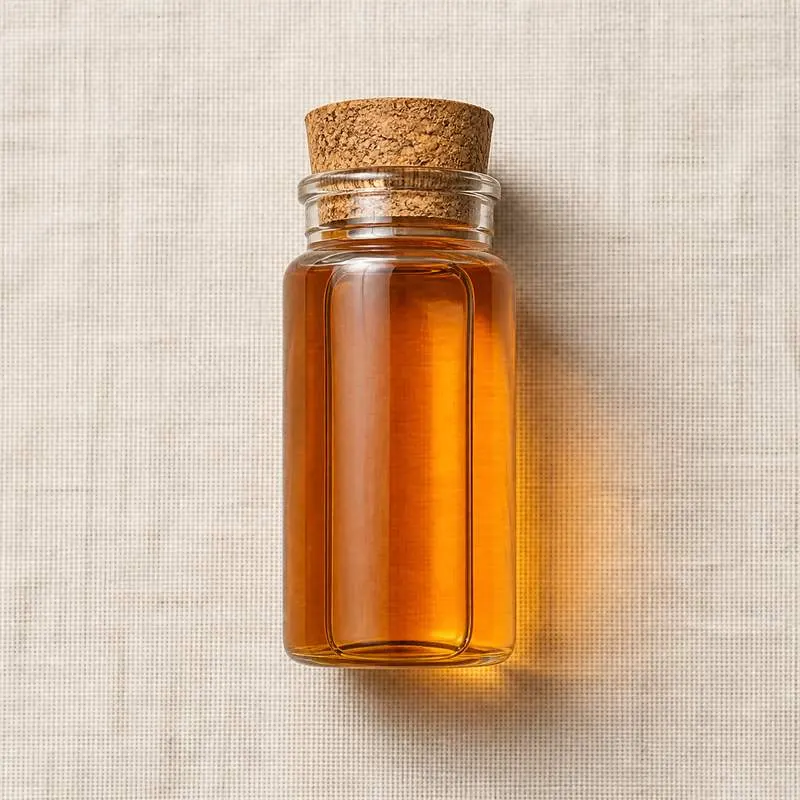
| Appearance | Clear pale yellow to green yellow liquid, free of sediment |
| Odour and Taste | Characteristic matcha, green and vegetal, true to reference sample |
| Solubility | Miscible with water at declared dosage, no separation |
| Relative Density at 25 degrees Celsius | 0.990 to 1.070 |
| Refractive Index at 20 degrees Celsius | 1.410 to 1.460 |
| Acid Value | Not more than 5.0 mg KOH per gram |
| Ethanol Content | As declared, plus or minus 2.0 percent |
| Gas Chromatography Profile | Conforms to reference chromatogram |
| Residual Solvent | Not more than 25 mg per kg |
| Lead | Not more than 1.0 mg per kg |
| Arsenic | Not more than 1.0 mg per kg |
| Total Plate Count | Not more than 1000 cfu per gram |
| Yeast and Mould | Not more than 50 cfu per gram |
| Salmonella | Absent in 25 g |
Common Markets Grades
The first distinction is labelling status. Natural grades are built around a matcha or green tea extract combined with naturally derived terpene alcohols and green notes, and are the more expensive option. Nature identical grades reproduce the profile with synthesised components. Many commercial products carry a small extract load over a synthetic body so that the extract sets the character and the synthetics carry the strength.
The second is profile style. Ceremonial style grades are sweeter, greener and more marine, matching high grade matcha. Culinary and latte style grades are heavier, more roasted and more astringent in impression, and hold up better against milk, sugar and fat. Beyond that, buyers specify the solubility system, whether the carrier is alcohol free or propylene glycol free, flavour strength as a recommended dosage band, heat stability where the flavour will pass through a bake or retort, and whether a colour forms part of the system or is bought separately.
Applications
- Matcha latte and milk tea beverages, where the flavour must read against dairy fat and sugar
- Ready to drink green tea beverages and bottled matcha drinks
- Instant powdered drink mixes, using a spray dried grade
- Ice cream and frozen desserts, dosed cold into the mix
- Chocolate and compound coatings in white chocolate matcha products, using an oil soluble grade
- Bakery, including cakes, cookies and Swiss rolls, where a heat stable construction is needed
- Yoghurt and dairy desserts in matcha variants
- Confectionery, including jellies, gummies and filled chocolates
- Mochi, dorayaki and other Japanese style confections
- Plant based milks and desserts on oat, soy and almond bases
China Manufacturers of Matcha Flavour
Top Matcha Flavour manufacturers in China.
Company names and logos are the property of the manufacturers themselves. They are listed here because our own directory records them as producing this ingredient. A listing is not an endorsement by them, and we do not represent them or speak on their behalf.
Regulatory Status
In the United States labelling of flavours as natural or artificial follows 21 CFR 101.22, which also governs characterising flavour claims where matcha or green tea is named on the front of a pack. Green tea extract is an established food ingredient, and the FEMA GRAS programme or 21 CFR 172.515 clears the individual synthetic components. The colour additive rules separately regulate any green colour used alongside the flavour, with the exempt from certification listings at 21 CFR Part 73 covering the plant derived options.
In the European Union the framework is Regulation (EC) No 1334/2008, which maintains the Union list of authorised flavouring substances with FL numbers, defines natural flavourings and flavouring preparations, and restricts when a flavour may be named after the food it evokes. Colours used alongside the flavour fall under Regulation (EC) No 1333/2008, with chlorophylls and copper chlorophyllins carrying the numbers E 140 and E 141 and defined conditions of use. Codex has adopted general guidelines for the use of flavourings and a standard for green tea, and JECFA has evaluated the terpene alcohols, the aliphatic alcohols and aldehydes and the pyrazines in structural groups.
Manufacturing Process
Where natural material is used, the base is a green tea extract. Shade grown leaf or matcha powder is extracted with hot water or with aqueous ethanol, the extract is separated from the spent leaf by filtration or decanter centrifuge, and the volatile fraction stripped during the first concentration stage is rectified and returned so that the aroma is not lost with the water. The concentrate is taken down under vacuum at a temperature low enough to protect the sulphide and green note fractions, and is then either used as a liquid or spray dried.
The individual aroma components are made separately. Linalool and geraniol are produced by the terpene synthesis routes used across the aroma industry and purified by fractional distillation; cis 3 hexenol is made by selective partial hydrogenation of a hexynol intermediate; pyrazines are made by condensation of a diamine with an alpha dicarbonyl. Compounding follows a flavourist formula, with components weighed through a verified dispensary, potent materials such as dimethyl sulphide and indole dosed as pre made dilutions, and the blend dissolved in the specified carrier, mixed, held to mature and filtered. Powder grades are emulsified with a carbohydrate carrier and spray dried at a low outlet temperature. Every lot is released against a reference chromatogram and a sensory panel.