Tea Extract
Tea Extract is a concentrated preparation from the leaves of Camellia sinensis (L.) Kuntze, sold across the full processing spectrum from green tea (unfermented) through oolong (partially fermented) to black tea (fully fermented).
The active profile differs by processing route. Green tea extracts are dominated by catechins, principally epigallocatechin gallate (EGCG), epigallocatechin (EGC), epicatechin gallate (ECG), and epicatechin. Black tea extracts carry theaflavins and thearubigins formed by enzymatic oxidation of those same catechins during fermentation.
All tea extracts also contain caffeine, L-theanine, and a range of flavonol glycosides.
We source bulk Tea Extract from top China manufacturers for our partners. The manufacturers are in Anhui and Shanghai. A smaller requirement can ship in a combined container with other ingredients.
Please send the grade you need, the volume and your destination port, and we will come back with a solution and a price.
or call +86-21-6858 0751
- Packaging
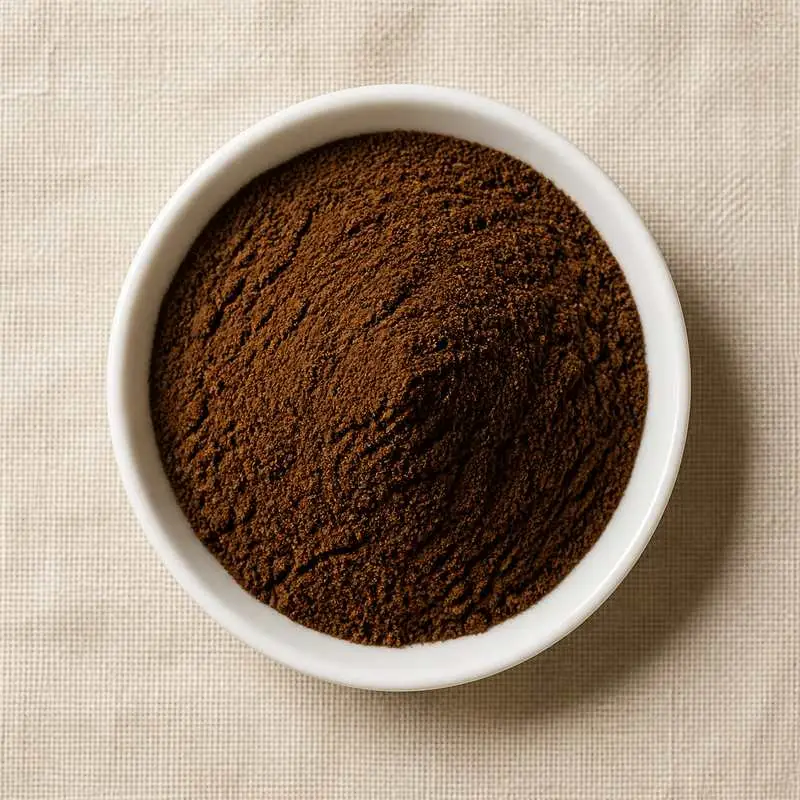
- 25 kg fibre drum with double PE liner
- ISO 9001
- HACCP
- Halal
- Kosher
Specifications
| Item | Specification |
|---|---|
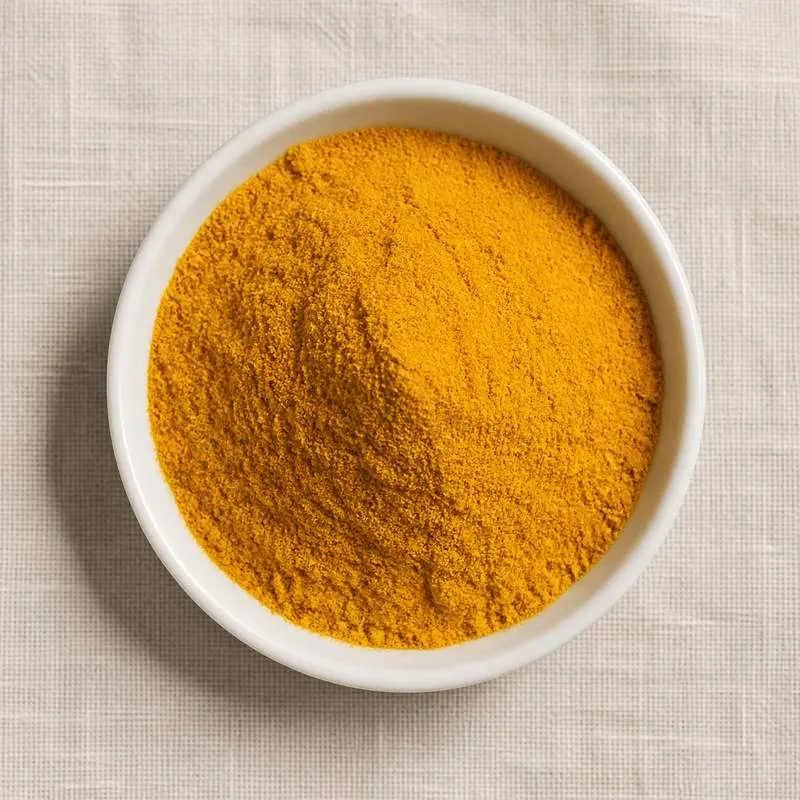
| Appearance | Yellow-brown to dark brown fine powder |
| Total Polyphenols | 50–98% (UV) |
| EGCG | 25–80% (HPLC) |
| Caffeine | <2% or <0.5% (decaf grade) |
| Moisture | ≤5.0% |
| Ash | ≤5.0% |
| Extraction Solvent | Water / ethanol |
| Particle Size (80 mesh) | ≥95% |
| Heavy Metals (as Pb) | ≤2 mg/kg |
| Pesticide Residues | Complies |
| Total Plate Count | ≤10,000 cfu/g |
| Salmonella | Absent in 25g |
Common Markets Grades
Tea Extract is graded by total polyphenol content, catechin (or theaflavin) assay, and caffeine level.
Standard green tea grades are 40 percent, 50 percent, 80 percent, and 95 percent total polyphenols by Folin-Ciocalteu, with parallel HPLC reporting on total catechins and EGCG.
Decaffeinated green tea grades (caffeine below 0.5 percent) are produced by supercritical CO2 or solvent decaffeination and serve supplement applications where caffeine is undesirable.
Black tea grades are typically standardised to 20 percent or 40 percent theaflavins (TF1, TF2A, TF2B, TF3), which represent the high-value oxidised polyphenol fraction. Theaflavin-enriched grades command a significant price premium over the source black tea.
Instant tea grades are spray-dried whole-leaf infusions at 8 to 15 percent total polyphenols, used as the base for ready-to-drink and powdered tea beverages.
L-theanine-enriched grades and caffeine-enriched grades go to sports and cognitive supplement formulators as targeted fractions.
Applications
- Ready-to-drink iced teas, sparkling teas, and tea-based functional beverages
- Instant powdered tea mixes for foodservice and retail
- Dietary supplements for antioxidant, weight management, and cardiovascular positioning
- Sports nutrition powders and pre-workout blends
- Functional food applications including bars, chocolates, and gummies
- Cosmetic anti-aging serums, creams, and eye treatments leveraging EGCG
- Sun-care formulations as a natural photoprotection adjunct
- Hair-care shampoos and conditioners for scalp health claims
- Oral care products including toothpaste, mouthwash, and breath sprays
- Natural food preservation in lipid-rich systems including meat and fish
- Pet food and treat fortification for antioxidant claims
- Pharmaceutical preparations and herbal medicinal products in regulated markets
Brands Using Tea Extract
Widely-distributed consumer products that list Tea Extract on the ingredient label.
- NOW FoodsGreen Tea Extract 400 mg Veg Capsules ↗A concentrated tea (Camellia sinensis) extract standardised for polyphenols and catechins, 400 mg per veg capsule.Label verified 2026-05-24
- Nature's BountyGreen Tea Extract 315 mg Capsules ↗A tea leaf (Camellia sinensis) extract supplying 315 mg per capsule, with EGCG and flavonoids.Label verified 2026-05-24
- LiptonLipton Green Tea with Citrus (bottled iced tea) ↗Lipton's bottled Green Tea with Citrus declares green tea, a brewed water extract of Camellia sinensis, on its ingredient panel.Label verified 2026-05-24
- Campbell's (V8)V8 +Energy Beverages ↗V8 +Energy uses natural caffeine from green tea extract (Camellia sinensis) as its labeled energy source, a mainstream consumer beverage built on tea extract rather than guarana or synthetic caffeine.Label verified 2026-05-24
Brand names, product names and logos are the property of their owners. They appear here as published evidence that the ingredient is used, taken from the brand's own label or website. Their appearance is not an endorsement, and it does not mean the brand buys from us or from any manufacturer listed on this site.
China Manufacturers of Tea Extract
Top Tea Extract manufacturers in China.
- Huangshan Greenxtract Co., Ltd.1 ingredient in the directory
 Shanghai Xumei Food Tech. Co., Ltd.1 ingredient in the directory
Company names and logos are the property of the manufacturers themselves. They are listed here because our own directory records them as producing this ingredient. A listing is not an endorsement by them, and we do not represent them or speak on their behalf.
How We Help Source Tea Extract
Direct Factory Sourcing
We run the whole process: selecting the manufacturer from the top Chinese food ingredient producers, negotiating the price, verifying quality, and coordinating the logistics. You deal with us instead of with several factories at once.
Original Packaging and Documents from the Manufacturer
The manufacturer sends your Tea Extract out of its own factory in the original packing, through to your destination port. The COA, COO, MSDS, TDS and any certifications reach you from the manufacturer as well.
Free Samples and Lead Time
We send 100 to 500 g free for your own laboratory to test and you cover only the courier, usually within 2 to 3 working days. ETD is usually within 7 to 15 days once the order is confirmed, and we check that date against the factory's own manufacturing schedule before we give it to you.
Combined Shipment
We can load Tea Extract together with other ingredients such as Astaxanthin, Dehydrated Garlic and Lutein into one 20' FCL. If your quantity is small, we can also ship LCL.
Regulatory Status
Tea and tea extracts have long histories of food use across all major jurisdictions and are recognised food ingredients globally.
In the European Union, green tea catechins were the subject of an EFSA scientific opinion in 2018 that established cautionary intake limits for EGCG at 800 mg per day from supplements due to hepatotoxicity signals at higher exposures. Member states implement labelling and warning requirements on green tea catechin supplements at varying thresholds.
In the United States green tea extract and its constituents are marketed under DSHEA. FDA permits a qualified health claim on green tea and reduced risk of certain cancers, and the agency monitors adverse-event reporting on hepatic signals.
The European Pharmacopoeia carries a monograph for refined and quantified Camellia sinensis dry extract. The United States Pharmacopeia includes monographs for green tea leaves and powdered extract.
JECFA has evaluated tea catechins. Organic, Kosher, and Halal certifications are routinely available from contracted producers.
Manufacturing Process
Green tea extract production starts with high-grade green tea leaf or stem material from Zhejiang, Fujian, Anhui, or other Chinese growing regions, supplemented by Indian, Sri Lankan, and Kenyan sources for black tea inputs.
The dried leaves are milled and extracted with water, ethanol-water, or methanol-water at 50 to 90 degrees Celsius. Temperature control is critical because EGCG epimerizes to GCG at elevated temperature, which shifts the analytical profile.
The crude extract is filtered, then often passed across macroporous adsorption resin to enrich the catechin or theaflavin fraction and strip caffeine, sugars, and minerals. Eluate from the resin is concentrated under vacuum.
For decaffeinated grades, supercritical CO2 is the standard route, selectively removing caffeine while preserving the polyphenol profile. Solvent decaffeination using ethyl acetate or methylene chloride is the alternative.
The concentrate is spray-dried, typically at low inlet temperature to protect the heat-sensitive EGCG, and may be co-blended with maltodextrin or other carriers to set flow properties.
For theaflavin enrichment, black tea extract is further fractionated by reverse-phase or polyamide chromatography to lift theaflavins from the 1 to 3 percent native level up to 40 percent or higher.