Green Tea Extract
Green Tea Extract is a concentrated preparation made from the leaves of Camellia sinensis, the same plant that yields all true teas. The leaves are processed without the oxidation step used for black or oolong tea, which preserves the native polyphenol fraction.
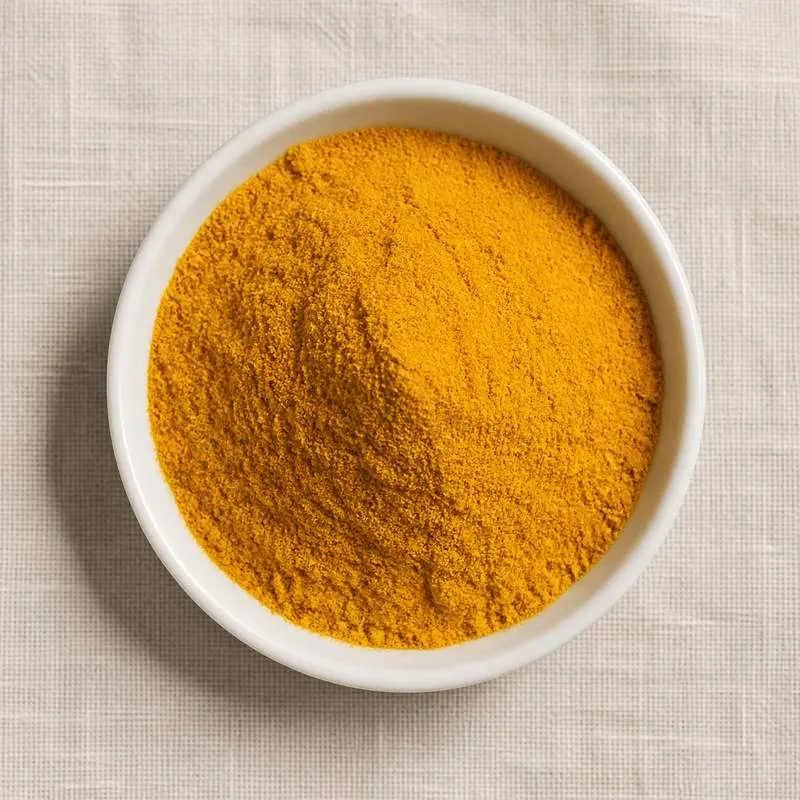
Commercial extracts are standardised to total polyphenols, total catechins, and the principal catechin epigallocatechin gallate (EGCG). They appear as light tan to green-brown powders, occasionally as amber liquids, with a characteristic astringent character.
We source bulk Green Tea Extract from top China manufacturers for our partners. The manufacturer is in Shaanxi. A smaller requirement can ship in a combined container with other ingredients.
Please send the grade you need, the volume and your destination port, and we will come back with a solution and a price.
or call +86-21-6858 0751
- Packaging
- 25 kg fibre drum with double PE liner
- ISO 9001
- HACCP
- Halal
- Kosher
Specifications
| Item | Specification |
|---|---|
| Appearance | Light yellow to brown free-flowing powder |
| Total polyphenols (UV) | ≥ 50% (entry grade) up to ≥ 98% |
| Total catechins (HPLC) | 50% / 60% / 80% / 90% / 95% |
| EGCG (HPLC) | 45% / 60% / 80% / 90% / 98% |
| Caffeine | varies by grade (≤ 0.5% in decaf) |
| Loss on drying | ≤ 5.0% |
| Heavy metals (as Pb) | ≤ 2 mg/kg |
| Total plate count | ≤ 1000 cfu/g |
| Source | Camellia sinensis leaves |
Common Markets Grades
Green Tea Extract is graded by polyphenol, catechin, EGCG, and caffeine content.
A typical food-grade extract is standardised to 40 to 50 percent total polyphenols and 25 to 30 percent catechins, with naturally occurring caffeine in the 5 to 10 percent range. This profile is common in functional beverages and ready-to-drink applications.
Supplement-grade extracts are usually 80 to 95 percent total polyphenols, 50 to 80 percent catechins, and 30 to 50 percent EGCG. Decaffeinated grades reduce caffeine to below 1 percent through supercritical CO₂ or ethyl acetate decaffeination.
High-purity EGCG isolates at 90 to 98 percent are produced for clinical research and premium nutraceutical use. Water-soluble spray-dried instant tea powders are a separate category aimed at beverage and stick-pack applications.
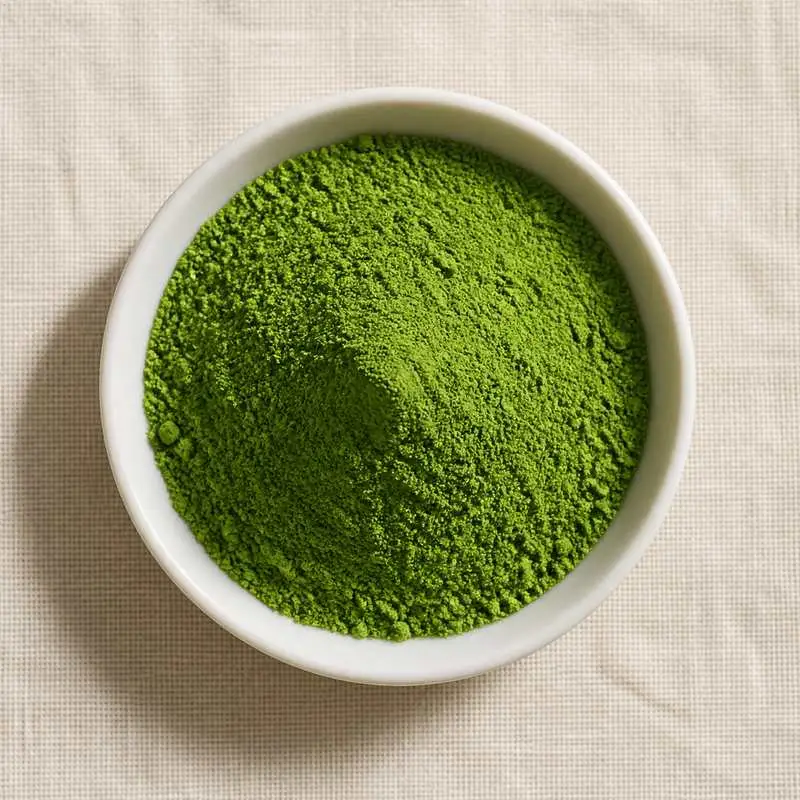
Specialty extracts include polyphenon profiles enriched for L-theanine, matcha-style milled powders, and white-tea-derived extracts with slightly different catechin distributions.
Applications
- Dietary supplements positioned for metabolic support, weight management, and antioxidant intake
- Sports nutrition products including pre-workouts, fat burners, and recovery blends
- Functional beverages such as iced teas, kombucha-style drinks, and wellness shots
- Skincare formulations including serums, eye creams, sunscreens, and after-sun lotions
- Hair-care products targeting scalp health and follicle support
- Oral care including toothpastes, mouthwashes, and breath sprays
- Confectionery and chewing gum for green-tea flavour positioning
- Bakery and dairy applications including matcha-style ice creams and pastries
- Cosmetic anti-aging creams leveraging polyphenol antioxidant claims
- Pet supplements for oral health and antioxidant support
- Natural preservative role in lipid-rich foods, oils, and pet treats
- Botanical blends combined with caffeine, L-theanine, or B-vitamins for nootropic stacks
Brands Using Green Tea Extract
Widely-distributed consumer products that list Green Tea Extract on the ingredient label.
- Nature's BountyGreen Tea Extract 315 mg Capsules ↗Supplies 315 mg Camellia sinensis leaf extract per capsule, standardised to 15% polyphenols (94.5 mg).Label verified 2026-05-24
- NOW FoodsEGCg Green Tea Extract 400 mg Veg Capsules ↗NOW Foods' EGCg Green Tea Extract 400 mg product page delivers a standardised green tea extract providing 200 mg EGCG per capsule as a free radical scavenger.Label verified 2026-05-24
- SolgarStandardized Full Potency Green Tea Leaf Extract ↗A Camellia sinensis leaf extract standardised to 50% polyphenols, in vegetable capsules.Label verified 2026-05-24
- Life ExtensionDecaffeinated Mega Green Tea Extract ↗Supplies 725 mg decaffeinated green tea extract standardised to 98% polyphenols, high in EGCG, per vegetarian capsule.Label verified 2026-05-24
- NOW FoodsThermo Green Tea Extra Strength Veg Capsules ↗NOW Foods' Thermo Green Tea Extra Strength product page features standardised green tea extract combined with caffeine for thermogenic / weight-management support.Label verified 2026-05-24
Brand names, product names and logos are the property of their owners. They appear here as published evidence that the ingredient is used, taken from the brand's own label or website. Their appearance is not an endorsement, and it does not mean the brand buys from us or from any manufacturer listed on this site.
China Manufacturers of Green Tea Extract
Top Green Tea Extract manufacturers in China.

Company names and logos are the property of the manufacturers themselves. They are listed here because our own directory records them as producing this ingredient. A listing is not an endorsement by them, and we do not represent them or speak on their behalf.
How We Help Source Green Tea Extract
Direct Factory Sourcing
We run the whole process: selecting the manufacturer from the top Chinese food ingredient producers, negotiating the price, verifying quality, and coordinating the logistics. You deal with us instead of with several factories at once.
Original Packaging and Documents from the Manufacturer
The manufacturer sends your Green Tea Extract out of its own factory in the original packing, through to your destination port. The COA, COO, MSDS, TDS and any certifications reach you from the manufacturer as well.
Free Samples and Lead Time
We send 100 to 500 g free for your own laboratory to test and you cover only the courier, usually within 2 to 3 working days. ETD is usually within 7 to 15 days once the order is confirmed, and we check that date against the factory's own manufacturing schedule before we give it to you.
Combined Shipment
We can load Green Tea Extract together with other ingredients such as Astaxanthin, Dehydrated Garlic and Lutein into one 20' FCL. If your quantity is small, we can also ship LCL.
Regulatory Status
Green Tea Extract is regulated primarily as a food and food supplement ingredient.
In the European Union, EGCG-containing green tea extracts are subject to a maximum permitted level in food supplements of 800 milligrams of EGCG per day, established under Regulation (EU) 2022/2340 following EFSA hepatotoxicity evaluation. Labelling and warning statements are required above defined thresholds.
The U.S. Food and Drug Administration recognises green tea and standard aqueous green tea extracts as Generally Recognized as Safe for use in conventional foods and beverages, with several New Dietary Ingredient notifications for high-catechin extracts in supplements.
Health Canada, the Japanese Ministry of Health, Labour and Welfare, and the Therapeutic Goods Administration of Australia all permit green tea extract in food supplements with conditions on EGCG content and labelling.
Pharmacopoeial monographs for green tea and its extract appear in the United States Pharmacopeia and the European Pharmacopoeia. Kosher, Halal, organic, and non-GMO certifications are widely available from established suppliers.
Manufacturing Process
Green Tea Extract production starts with sorted, dried green tea leaves, primarily from China, Japan, India, Sri Lanka, and Kenya. Spring-harvested young leaves yield the highest catechin content.
Leaves are milled and extracted with hot water, hydroalcoholic mixtures, or ethanol at 60 to 90 degrees Celsius. The extract is filtered, concentrated under vacuum, and partitioned with ethyl acetate to enrich the catechin fraction while leaving behind much of the caffeine and water-soluble carbohydrates.
The catechin-rich phase is washed, concentrated, and either spray-dried directly or subjected to further chromatographic purification on macroporous resins to isolate specific catechins, particularly EGCG.
Decaffeination, when required, is performed with supercritical carbon dioxide on the dried leaves before extraction, or with ethyl acetate partitioning on the liquid extract. Modern facilities apply ultrafiltration and column chromatography to deliver tightly specified catechin profiles.
Quality control focuses on heavy metals, residual solvents, pesticide residues, microbiological status, and accurate HPLC quantification of individual catechins and caffeine.