Medicinal Starch
Medicinal starch is starch manufactured and certified to pharmacopoeial specification for use as a pharmaceutical excipient, as distinct from the food and industrial grades of the same material. The starch itself is chemically identical; what distinguishes the grade is the monograph it is tested against, the tightness of the limits on foreign starch, oxidising substances, iron, sulphur dioxide and microbiological quality, and the documentation and change control that accompany it.
Several botanical sources are recognised, each with its own monograph in the major pharmacopoeias: maize starch, potato starch, wheat starch, rice starch and tapioca starch. Maize is the standard choice for tabletting, potato is used where a stronger disintegrant is wanted, and rice, with its very small granules, is used in dusting powders and in some topical preparations. Pregelatinised starch, cooked and dried so that it hydrates cold, and sodium starch glycolate, a cross linked and carboxymethylated derivative, are separate monographed excipients derived from the same base.
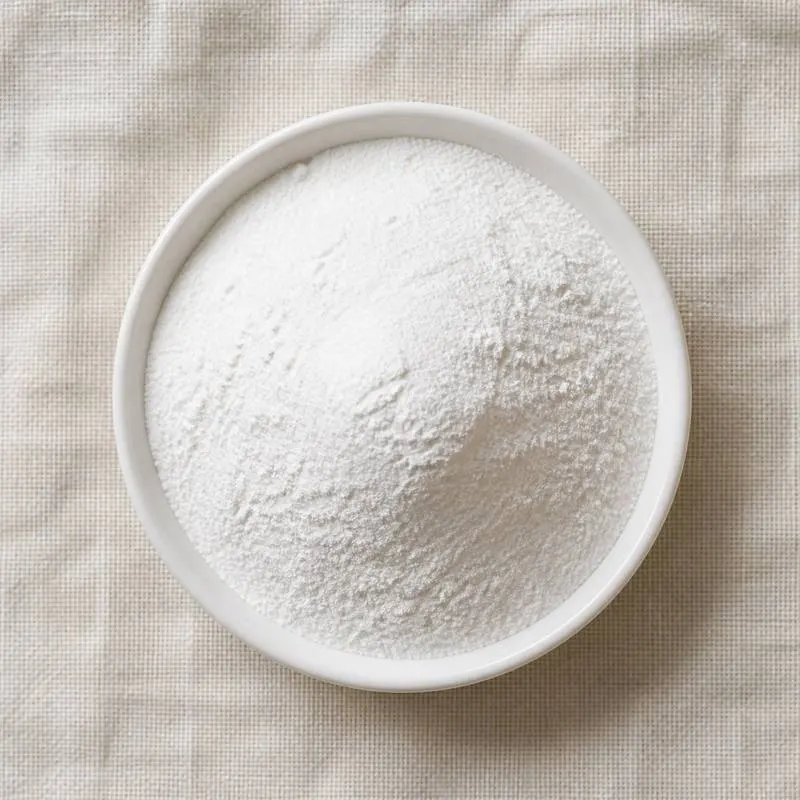
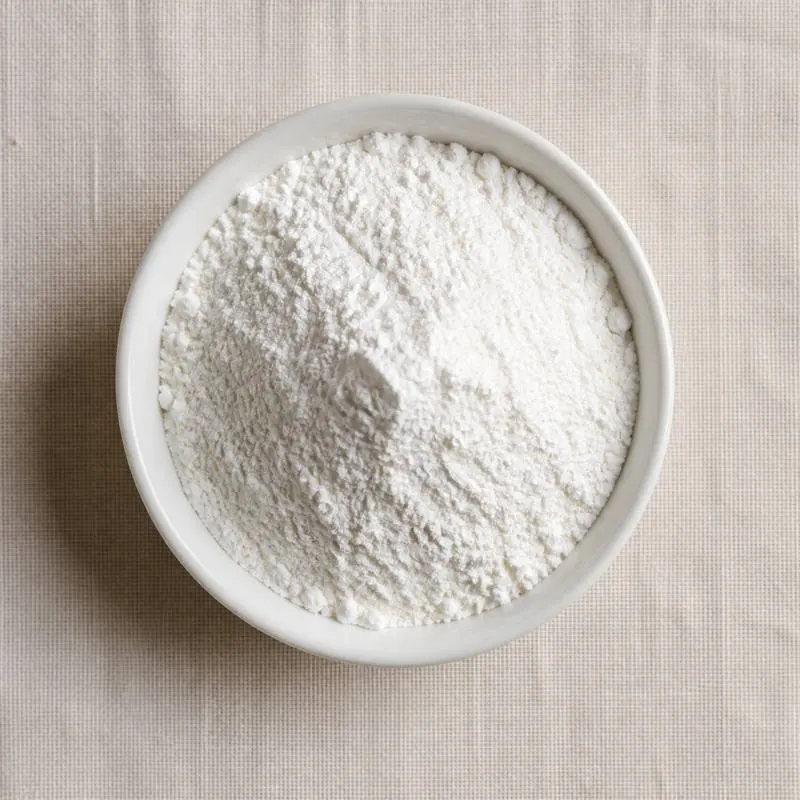
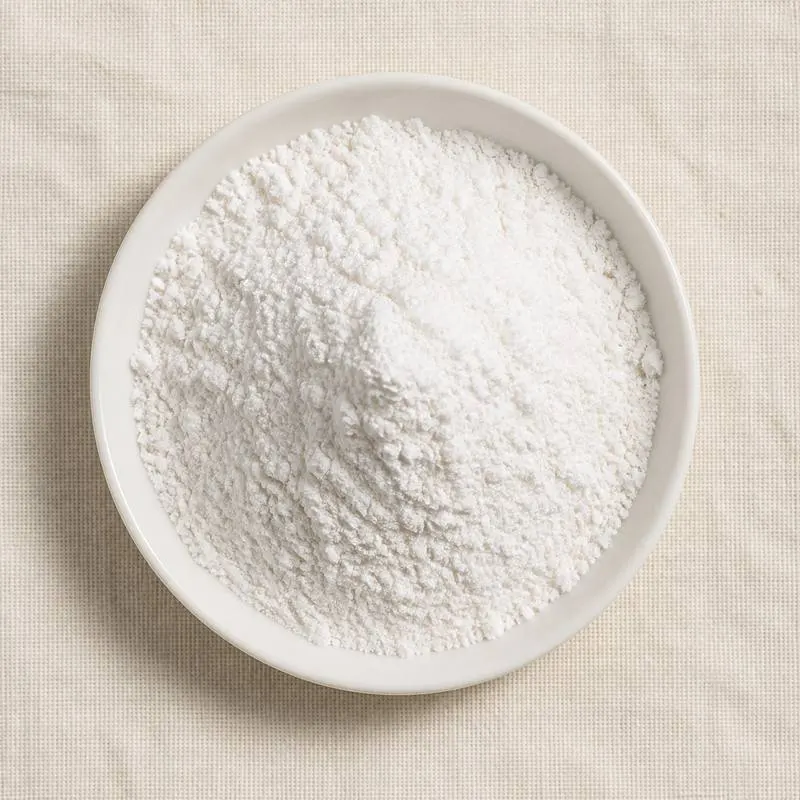
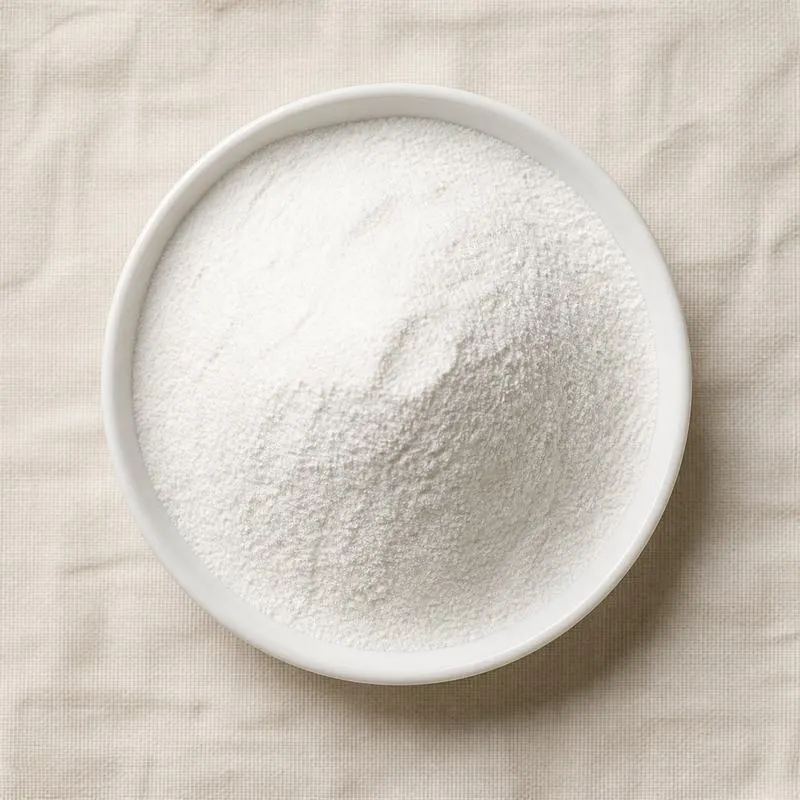
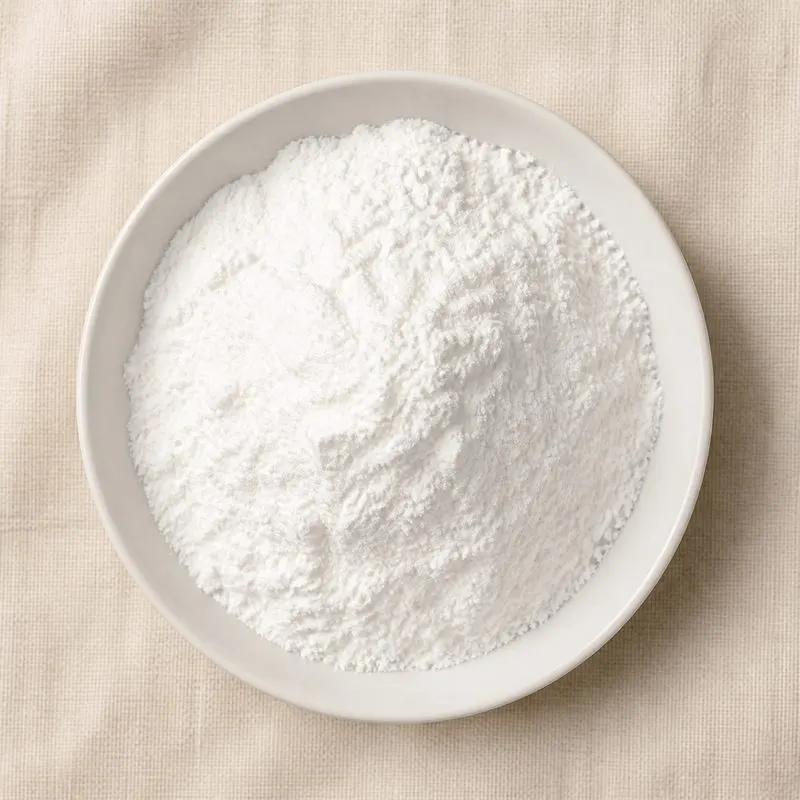
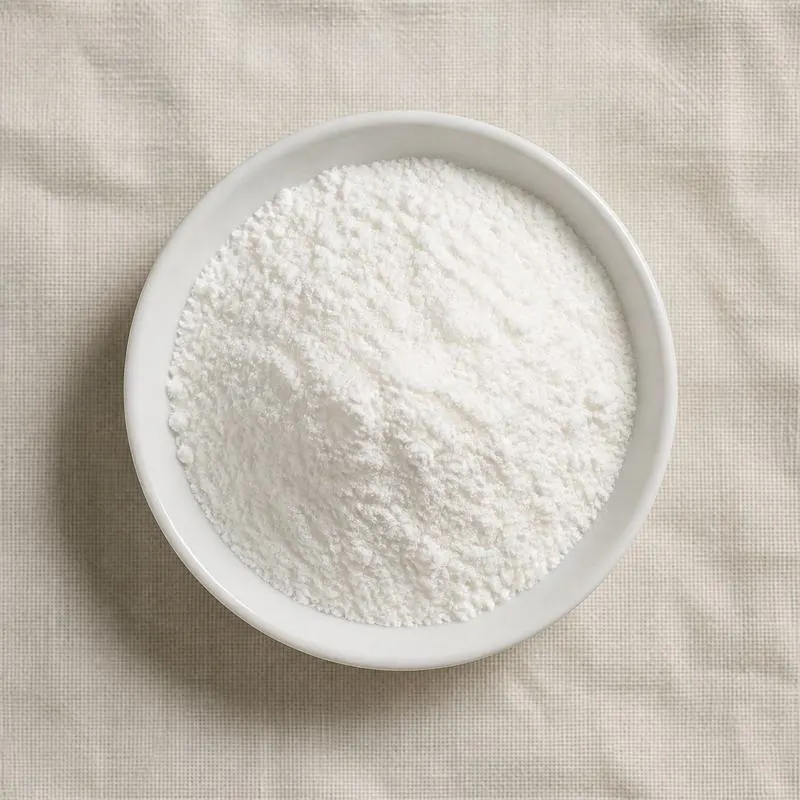
In a solid dosage form starch performs three duties. As a diluent it makes up the bulk of a tablet containing a small dose of active. As a binder, used as a cooked paste in wet granulation, it holds the granule together. As a disintegrant it swells on contact with gastric fluid and forces the compressed tablet apart, which is what releases the drug. The material is a fine white to off white free flowing powder, insoluble in cold water and in ethanol.
We source bulk Medicinal Starch from top China manufacturers for our partners. The manufacturer is in Shandong. A smaller requirement can ship in a combined container with other ingredients.
Please send the grade you need, the volume and your destination port, and we will come back with a solution and a price.
or call +86-21-6858 0751
- Function
- Texturisers
Specifications
| Item | Specification |
|---|---|
| Appearance | Fine white to off white powder, free of foreign matter |
| Identification | Blue with iodine; granule form conforms to declared botanical source under microscope |
| Loss on drying | 15.0 percent maximum for maize starch |
| Sulphated ash | 0.6 percent maximum |
| pH, aqueous suspension | 4.5 to 7.0 |
| Iron | 10 mg/kg maximum |
| Oxidising substances | 20 mg/kg maximum, as hydrogen peroxide |
| Sulphur dioxide | 50 mg/kg maximum |
| Foreign matter | No starch granules of other botanical origin detected |
| Protein, nitrogen times 6.25 | 0.3 percent maximum |
| Lead | 0.5 mg/kg maximum |
| Arsenic | 0.5 mg/kg maximum |
| Total aerobic microbial count | 1000 cfu/g maximum |
| Total yeast and mould count | 100 cfu/g maximum |
| E. coli | Absent in 1 g |
| Salmonella | Absent in 25 g |
Common Markets Grades
Grades follow first from botanical source and from the monograph they meet, with maize starch, potato starch, wheat starch, rice starch and tapioca starch each described separately in the European Pharmacopoeia, the USP-NF and the Japanese Pharmacopoeia, and harmonised specifications developed through the international pharmacopoeial harmonisation process. Compliance with more than one pharmacopoeia is normal for traded material and is stated on the certificate of analysis.
Beyond the native starches, three derivative excipients are traded under the same broad heading. Pregelatinised starch, either fully or partially cooked, is used as a directly compressible filler binder that needs no wet granulation. Partially pregelatinised maize starch retains some intact granules and combines binding with disintegrant action. Sodium starch glycolate, a cross linked carboxymethyl starch, is a superdisintegrant used at a few percent where fast dissolution is required. Sterile and low endotoxin grades are made for parenteral related and surgical uses, and a separate absorbable dusting powder grade of modified starch is produced for surgical gloves.
Applications
- Tablet disintegrant, swelling on contact with fluid to break the compressed tablet apart and release the active
- Tablet and capsule diluent, making up the bulk of a dosage form containing a small quantity of drug
- Wet granulation binder, applied as a cooked starch paste to bind the powder blend into granules
- Directly compressible filler binder, in the pregelatinised grades, avoiding a wet granulation step altogether
- Superdisintegrant, as sodium starch glycolate, in rapidly dissolving and orally disintegrating tablets
- Dusting powder and glidant in topical and powder formulations
- Suspending and thickening agent in oral suspensions and syrups
- Carrier and diluent in dry powder blends and triturations of potent actives
- Base for pastes, ointments and dermatological preparations
- Reagent in laboratory and clinical analysis, as the iodine indicator in titrimetric assays
China Manufacturers of Medicinal Starch
Top Medicinal Starch manufacturers in China.

Company names and logos are the property of the manufacturers themselves. They are listed here because our own directory records them as producing this ingredient. A listing is not an endorsement by them, and we do not represent them or speak on their behalf.
Regulatory Status
Pharmaceutical grade starch is controlled by pharmacopoeial monograph rather than by food additive law. The European Pharmacopoeia carries separate monographs for maize starch, potato starch, wheat starch, rice starch and pregelatinised starch, and the USP-NF carries corresponding monographs for corn starch, potato starch, wheat starch, tapioca starch, pregelatinised starch and sodium starch glycolate, with several of these harmonised between the European, United States and Japanese pharmacopoeias. Compliance with the applicable monograph is the basic regulatory requirement for use as an excipient.
Manufacture is subject to the good manufacturing practice expectations for pharmaceutical excipients, which in the United States sit under the drug current good manufacturing practice framework and in the European Union under the excipient risk assessment provisions of the medicinal products legislation, supported by the international excipient GMP guidance. Where the same material is sold into food it is additionally a food ingredient, treated as generally recognised as safe in the United States and as a food carrying no E number in the European Union. Wheat starch used as an excipient must be considered for gluten content and is subject to allergen declaration rules in medicinal product labelling, and starch of maize, potato, rice and tapioca origin raises no such declaration.
Manufacturing Process
Separation of the starch is the same wet milling operation used for food grade material, differing in the controls applied rather than in the unit operations. Maize is steeped in warm water with dilute sulphur dioxide, coarsely milled to release the germ, finely milled and screened to remove fibre, and the starch is separated from the gluten protein in a disc nozzle centrifuge on their density difference, then refined through a multistage countercurrent hydrocyclone battery. Potato and tapioca routes rasp the tuber or root and separate the starch from fibre and juice directly. The refined starch milk is dewatered on a vacuum drum filter or peeler centrifuge and flash dried in hot air with a residence time short enough that no granule gelatinises.
What makes the grade pharmaceutical is what surrounds this. The plant or the dedicated line is operated to pharmaceutical good manufacturing practice for excipients, with defined cleaning, segregation from food and industrial campaigns, controlled water quality, environmental monitoring and full batch traceability. Process water is treated to remove the iron that would otherwise fail the monograph limit. Drying and handling are controlled to hold microbiological counts within the pharmacopoeial limits, and the finished powder is sieved, checked with magnets and metal detectors and packed in double lined bags in a controlled area. Each batch is tested against the full monograph, identification, loss on drying, pH, iron, oxidising substances, sulphur dioxide, foreign matter and microbial enumeration, and released against a certificate of analysis with a change control commitment to the customer.