Medium-long Chain Triglycerides
Medium-long chain triglycerides, abbreviated MLCT, are structured lipids in which medium chain fatty acids of eight and ten carbons and long chain fatty acids of sixteen to eighteen carbons are attached to the same glycerol backbone, so that a single triglyceride molecule carries both classes. They are distinct from a simple physical blend of medium chain triglyceride oil and a vegetable oil, in which the two chain lengths remain on separate molecules.
The distinction matters because digestion acts on the molecule rather than on the mixture. Pancreatic lipase releases the fatty acids at the outer positions, and the medium chain acids released from a structured molecule are absorbed directly into the portal circulation and oxidised rapidly, while the long chain acids are re-esterified and packaged into chylomicrons. Building both onto one glycerol gives a fat with the rapid energy contribution of medium chain triglyceride while retaining essential fatty acids and a melting and mouthfeel profile closer to a conventional oil.
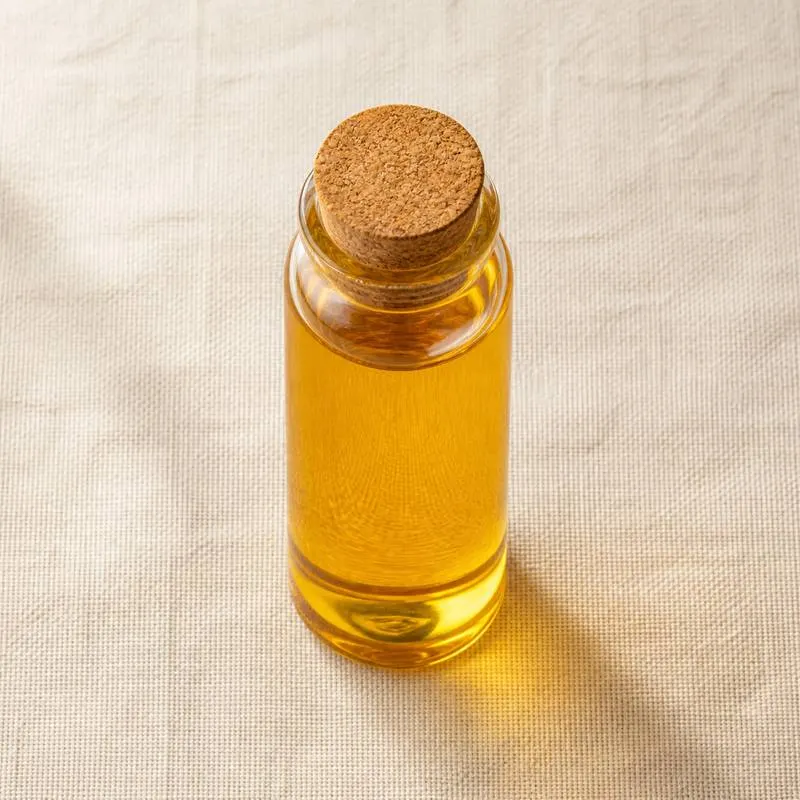
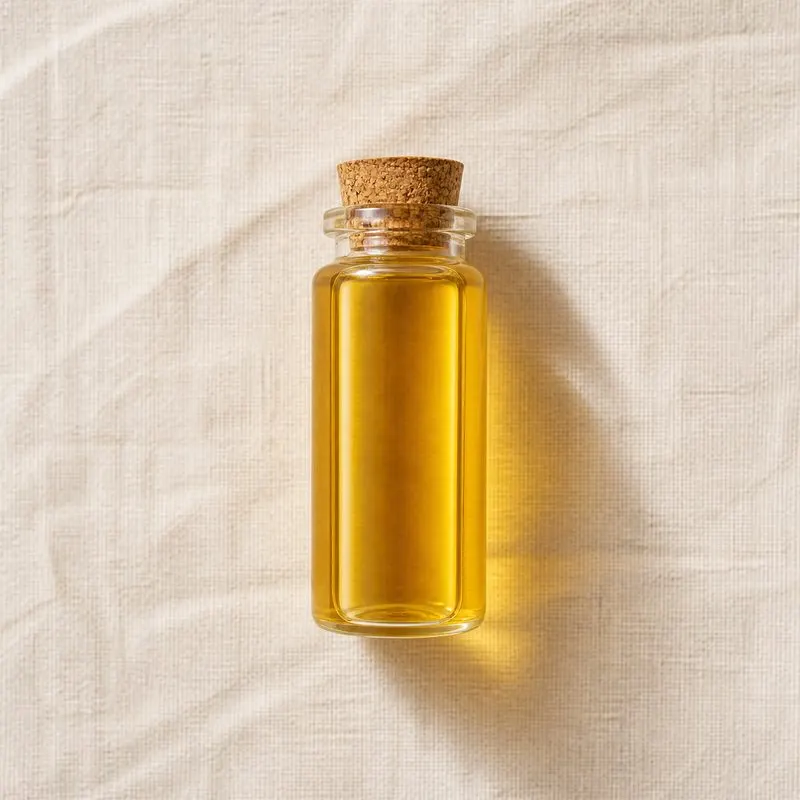
Commercial MLCT is a pale yellow clear oil or, where a higher long chain saturated content is built in, a semi-solid fat. It is oil soluble and insoluble in water, has a lower viscosity and a lower smoke point than the parent long chain oil, and is more resistant to oxidation than a polyunsaturated oil because the medium chain fraction is fully saturated. It is packed under nitrogen with added tocopherol and stored away from heat and light.
We source bulk Medium-long Chain Triglycerides from top China manufacturers for our partners. The manufacturer is in Guangdong. A smaller requirement can ship in a combined container with other ingredients.
Please send the grade you need, the volume and your destination port, and we will come back with a solution and a price.
or call +86-21-6858 0751
- Function
- Nutraceutical
Specifications
| Item | Specification |
|---|---|
| Appearance | Clear pale yellow oil, free from sediment at 20 degrees Celsius |
| Odour and taste | Bland, characteristic of deodorised oil, free from rancidity |
| Medium chain fatty acids, C8 plus C10 | 25 to 35 percent of total fatty acids |
| Long chain fatty acids, C16 to C18 | 65 to 75 percent of total fatty acids |
| Structured triglyceride species by HPLC | Not less than 75 percent mixed medium and long chain species |
| Free fatty acid as oleic acid | Not more than 0.1 percent |
| Peroxide value | Not more than 1.0 meq/kg |
| Anisidine value | Not more than 4.0 |
| Moisture and volatile matter | Not more than 0.05 percent |
| Colour, Lovibond 5.25 inch cell | Not more than 2.0 red |
| Unsaponifiable matter | Not more than 1.5 percent |
| Soap content | Not detected |
| Lead | Not more than 0.1 mg/kg |
| Arsenic | Not more than 0.1 mg/kg |
Common Markets Grades
Grades are defined by the ratio of medium chain to long chain fatty acids and by the long chain oil used as the base. Typical commercial products carry 20 to 40 percent medium chain fatty acids, with rapeseed, soybean, sunflower, high oleic sunflower or palm oil supplying the long chain fraction, and the specification states the fatty acid composition by gas chromatography together with the proportion of the material that is genuinely structured rather than blended. Where the claim of a structured lipid is central, the specification reports the triglyceride species distribution, since that is the only measurement that separates MLCT from a physical mix.
Physical forms follow the base oil. A liquid cooking and frying grade based on a liquid vegetable oil is the largest form, and a plastic or semi-solid grade based on a palm fraction is used for bakery and coating use. Nutritional grades destined for enteral and infant products carry tighter limits on peroxide value, anisidine value, trans fatty acids and residual catalyst, and may be sold refined, bleached and deodorised to a very low free fatty acid figure. Encapsulated powder grades, spray dried onto a protein or carbohydrate carrier, are made for dry beverage and nutrition powder applications.
Applications
- Cooking and frying oils positioned on their medium chain fatty acid content in Asian retail markets
- Sports and ketogenic nutrition drinks and powders, delivering rapidly oxidised fatty acids with less gastrointestinal load than pure medium chain triglyceride
- Enteral and clinical nutrition formulations for patients with impaired fat digestion or absorption
- Meal replacement and weight management products, where the energy delivery profile is the reason for the formulation
- Infant and follow-on formula fat blends, contributing medium chain fatty acids alongside essential long chain acids
- Bakery shortenings and fillings in the semi-solid grade, where the melting profile can be tuned by the long chain fraction
- Encapsulated fat powders for instant beverages, coffee creamers and nutrition sachets
- Confectionery coatings and compound fats requiring a specific solid fat content curve
- Medical and geriatric nutrition where energy density has to be raised without raising volume
China Manufacturers of Medium-long Chain Triglycerides
Top Medium-long Chain Triglycerides manufacturers in China.

Company names and logos are the property of the manufacturers themselves. They are listed here because our own directory records them as producing this ingredient. A listing is not an endorsement by them, and we do not represent them or speak on their behalf.
Regulatory Status
In the United States the constituents of these fats are established food substances: medium chain triglycerides are the subject of a food additive listing and have been the subject of GRAS notifications for defined uses, and refined vegetable oils are conventional foods. An interesterified fat is regulated as a fat or oil rather than as an additive, and the enzymes and catalysts used are permitted processing aids; an enzyme preparation is either the subject of a food additive regulation or generally recognised as safe. Fats and oils are subject to the standards of identity and the labelling provisions, and the nutrition label declares saturated and trans fatty acids, and the trans figure is a practical constraint on process design. Sodium methoxide residues are removed in refining and are not permitted to remain.
In the European Union interesterified fats and oils are foods rather than food additives and carry no E number; they are covered by the general food law framework, by the contaminants regulation, which sets limits on the glycidyl esters and 3-monochloropropanediol esters that can form during high temperature deodorisation, and by the food information regulation for labelling. Enzyme preparations used in enzymatic interesterification fall under Regulation (EC) No 1332/2008 on food enzymes. Where such a fat is used in infant formula, the compositional requirements of Regulation (EU) No 609/2013 and its delegated acts apply, including limits on trans fatty acids and requirements on the fat sources permitted. Codex Alimentarius covers these products through the Standard for Named Vegetable Oils and the Standard for Fats and Oils not Covered by Individual Standards, together with the Code of Practice for the reduction of process contaminants in refined oils.
Manufacturing Process
Manufacture is an interesterification. The feedstocks are a medium chain triglyceride oil, itself made from the C8 and C10 fatty acids fractionated from coconut or palm kernel oil, and a refined long chain vegetable oil. The two are dried and blended in the ratio that will give the target fatty acid composition, then reacted so that the fatty acids redistribute across the available glycerol backbones until an equilibrium distribution of mixed medium and long chain triglycerides is reached.
Two routes are used. Chemical interesterification employs sodium methoxide at 80 to 110 degrees Celsius under vacuum, is fast and inexpensive, and gives a random distribution of fatty acids across all three positions; the catalyst is afterwards destroyed with water or acid and washed out. Enzymatic interesterification uses an immobilised 1,3-specific lipase in a packed bed reactor at 60 to 70 degrees Celsius, acts only at the outer positions and leaves the fatty acid at the middle position untouched, which is the route chosen where a defined positional structure is required, as in infant formula fats. The reacted oil then goes through a conventional refining train: washing and neutralisation to remove catalyst residues and soaps, bleaching over activated earth to remove colour and oxidation products, filtration, and deodorisation by steam stripping under high vacuum, which also removes free fatty acids and any residual methyl esters. Winterisation is applied where a clear liquid grade is required. Antioxidant is dosed and the oil is filled under nitrogen.