Melatonin
Melatonin is N-acetyl-5-methoxytryptamine (C₁₃H₁₆N₂O₂, CAS 73-31-4), the indoleamine hormone secreted by the pineal gland in response to darkness.
In the human body it serves as the principal chemical signal of biological night, setting the timing of the circadian system and promoting sleep onset. In commerce it is the dominant over-the-counter sleep-support ingredient in the United States and an increasingly important food-supplement category in Europe.
We source bulk Melatonin from top China manufacturers for our partners, working with several of them. The manufacturers are in Beijing, Fujian and Hebei. A smaller requirement can ship in a combined container with other ingredients.
Please send the grade you need, the volume and your destination port, and we will come back with a solution and a price.
or call +86-21-6858 0751
- Packaging
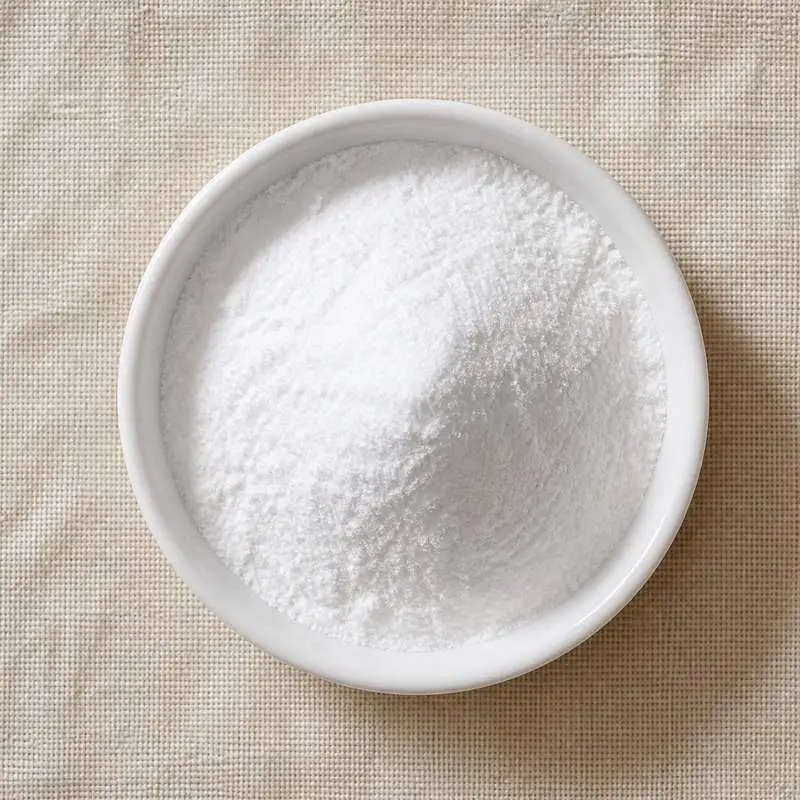
- 25 kg kraft paper bag with PE inner liner
- ISO 9001
- HACCP
- Halal
- Kosher
Specifications
| Item | Specification |
|---|---|
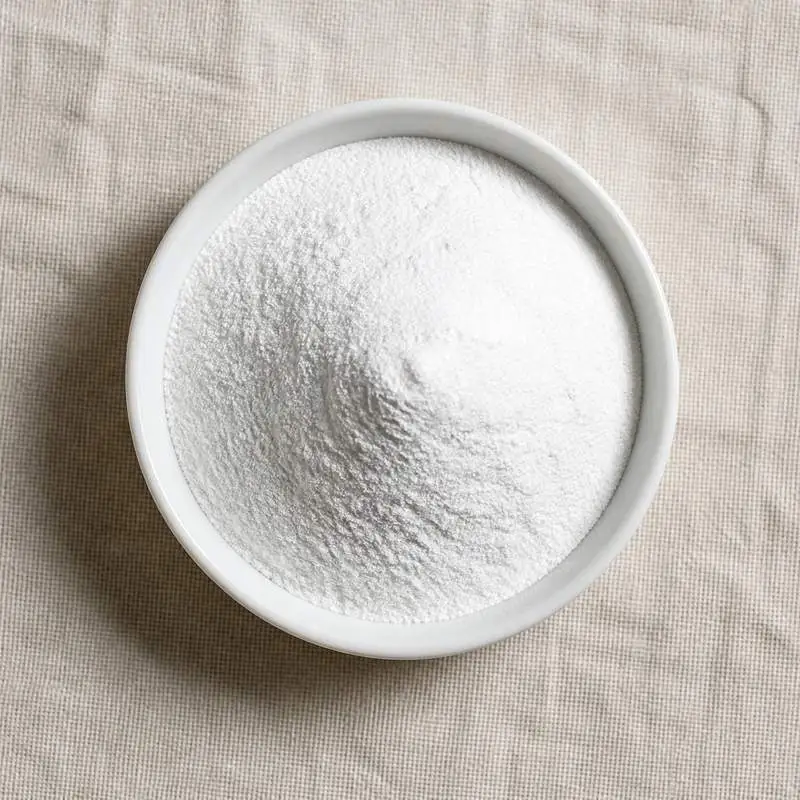
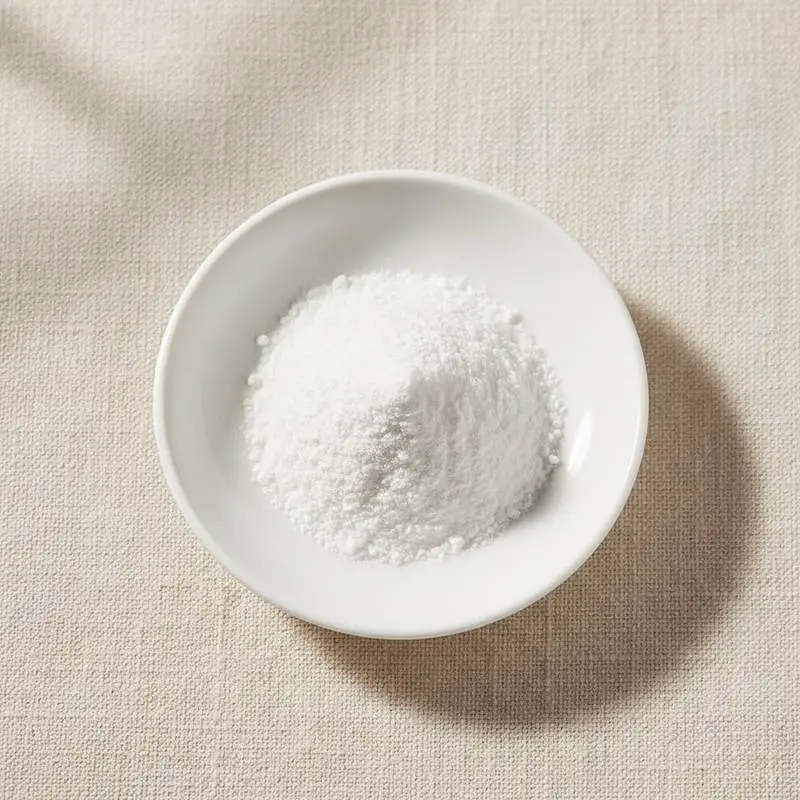
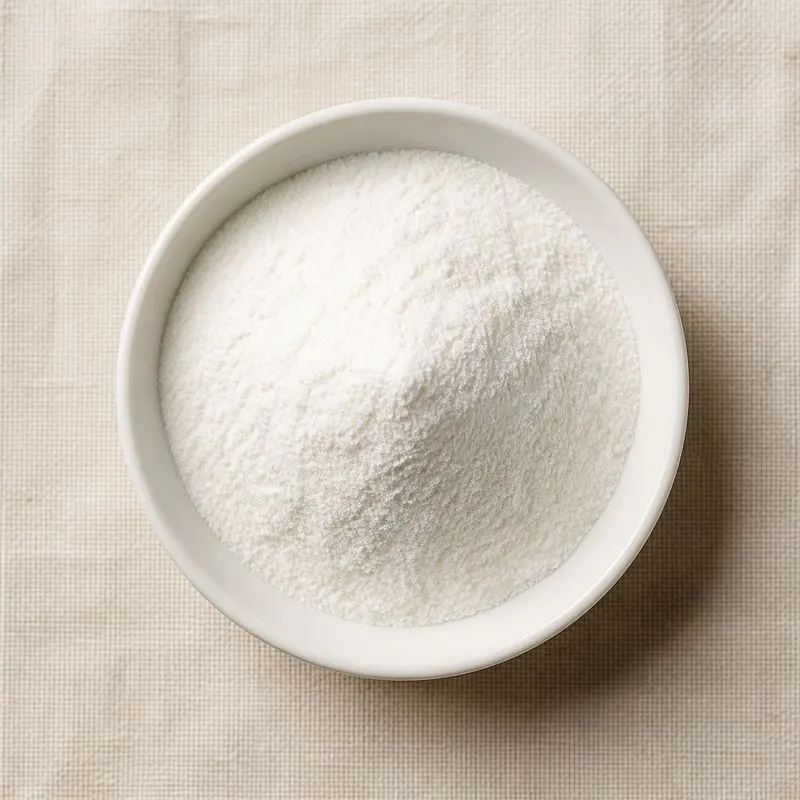
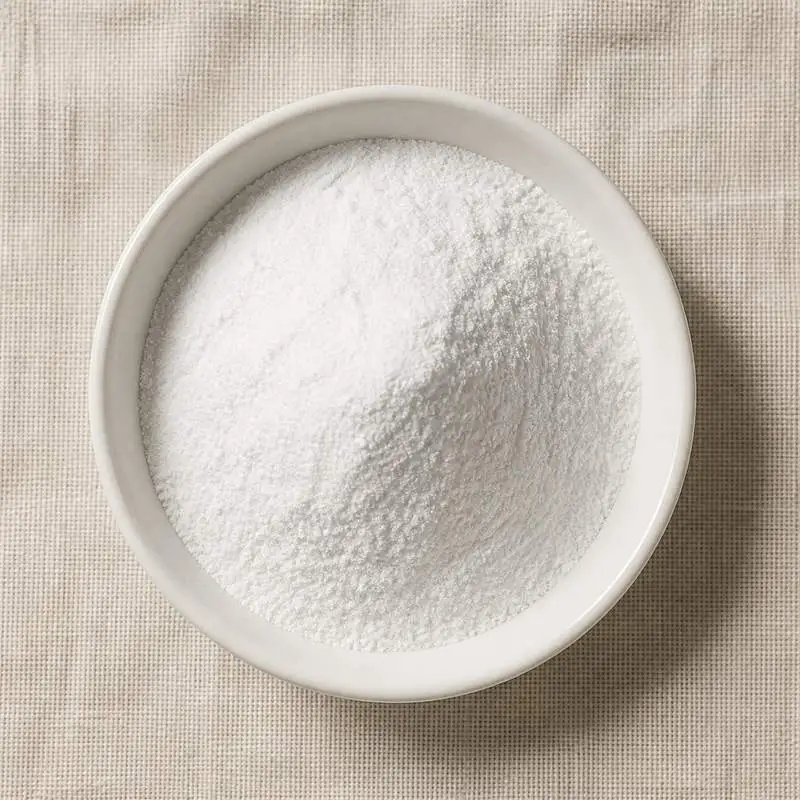
| Appearance | White to off-white crystalline powder |
| Assay (HPLC, dry basis) | ≥ 99.0% |
| Loss on drying | ≤ 0.5% |
| Melting point | 116 °C to 118 °C |
| Related substances | ≤ 0.5% |
| Heavy metals (as Pb) | ≤ 10 mg/kg |
| Arsenic | ≤ 1 mg/kg |
| Residual solvents | Meets ICH Q3C limits |
| Microbiology | Meets pharmacopoeial limits |
| Storage | Sealed, protected from light, cool dry conditions |
Common Markets Grades
Melatonin is graded by purity and particle shape rather than by extract strength.
Standard supplement grade assays at 99 percent minimum by HPLC, with related substances and residual solvents controlled to USP and Ph. Eur. limits. Pharmaceutical grade at 99.5 percent or higher is produced for prescription products such as Circadin and for compounded preparations.
Micronized melatonin with mean particle size below 10 microns is used in fast-dissolve tablets, orally disintegrating films, and sublingual sprays where dissolution speed drives the perceived onset. Coarse crystalline material is preferred for direct-compression tablets and capsule filling.
Kosher, Halal, and vegan certifications are routine because all commercial melatonin is synthetic. Bovine pineal extracts were withdrawn from the market in the 1990s on contamination and prion-risk grounds.
Applications
- Sleep-onset supplements in tablet, capsule, and gummy form at 0.3 to 10 mg per serving
- Jet-lag products formulated as sublingual tablets or fast-melt strips
- Shift-work and rotating-schedule support formulations
- Pediatric melatonin liquids and chewables for sleep difficulties in children with neurodevelopmental conditions
- Geriatric sleep formulations targeting the age-related decline in the body's own secretion
- Travel kits combining melatonin with magnesium, L-theanine, or chamomile
- Functional beverages and bedtime teas in markets where regulation permits
- Topical cosmetics positioned around overnight skin recovery and antioxidant claims
- Veterinary calming products for cats, dogs, and horses
- Prescription prolonged-release tablets for insomnia in adults over 55 in the European Union
Brands Using Melatonin
Widely-distributed consumer products that list Melatonin on the ingredient label.
- Nature MadeMelatonin 3 mg Tablets ↗A tablet supplying 3 mg melatonin.Label verified 2026-05-24
- Nature MadeMelatonin Maximum Strength 10 mg Tablets ↗10mg melatonin per tablet for sleep support.Label verified 2026-05-24
- NatrolMelatonin Fast Dissolve Strawberry Tablets 5 mg ↗5mg fast-dissolve melatonin tablet, strawberry flavour; 99% pure melatonin.Label verified 2026-05-24
- NatrolMelatonin Time Release Tablets 5 mg ↗5mg time-release melatonin tablet for sustained sleep support.Label verified 2026-05-24
- OLLYSleep Gummies (Blackberry Mint) ↗3mg melatonin per serving combined with L-theanine, chamomile, passionflower, lemon balm.Label verified 2026-05-24
- OLLYExtra Strength Sleep Gummies ↗5mg melatonin per two gummies with L-theanine for healthy sleep cycle.Label verified 2026-05-24
- ZzzQuilPURE Zzzs Melatonin Gummies ↗Drug-free melatonin sleep gummies (Vicks/ZzzQuil brand), made in the USA.Label verified 2026-05-24
Brand names, product names and logos are the property of their owners. They appear here as published evidence that the ingredient is used, taken from the brand's own label or website. Their appearance is not an endorsement, and it does not mean the brand buys from us or from any manufacturer listed on this site.
China Manufacturers of Melatonin
Top Melatonin manufacturers in China.
 GENEDART Biotechnology Co., Ltd.6 ingredients in the directory
 Techno (Fujian) Food Ingredients Co., Ltd.4 ingredients in the directory
 VDK NaturaSyn Co., Ltd.5 ingredients in the directory
Company names and logos are the property of the manufacturers themselves. They are listed here because our own directory records them as producing this ingredient. A listing is not an endorsement by them, and we do not represent them or speak on their behalf.
How We Help Source Melatonin
Direct Factory Sourcing
We run the whole process: selecting the manufacturer from the top Chinese food ingredient producers, negotiating the price, verifying quality, and coordinating the logistics. You deal with us instead of with several factories at once.
Original Packaging and Documents from the Manufacturer
The manufacturer sends your Melatonin out of its own factory in the original packing, through to your destination port. The COA, COO, MSDS, TDS and any certifications reach you from the manufacturer as well.
Free Samples and Lead Time
We send 100 to 500 g free for your own laboratory to test and you cover only the courier, usually within 2 to 3 working days. ETD is usually within 7 to 15 days once the order is confirmed, and we check that date against the factory's own manufacturing schedule before we give it to you.
Combined Shipment
We can load Melatonin together with other ingredients such as Arachidonic Acid, Coenzyme Q10 and Chondroitin Sulphate Sodium into one 20' FCL. If your quantity is small, we can also ship LCL.
Regulatory Status
Melatonin has one of the most fragmented regulatory profiles in the supplement industry.
In the United States it is a lawful dietary supplement ingredient under DSHEA, with no upper dose limit set by the FDA. In Canada it is a Natural Health Product approved up to 10 mg for adults. In the European Union doses up to 1 mg are generally tolerated as food supplements under an EFSA health claim for reduction of sleep onset latency at 1 mg, while the Circadin and Slenyto authorisations place doses of 2 mg or more under prescription medicine rules.
In the United Kingdom melatonin is a prescription-only medicine for adults regardless of dose, with limited exceptions for travel products. Australia recently shifted low-dose melatonin to over-the-counter pharmacy status. Japan permits it in foods with function claims under specific notification routes.
The substance is not on the WADA prohibited list. Pediatric use varies sharply between jurisdictions and is typically guided by sleep medicine specialists.
Manufacturing Process
All commercial melatonin is produced by chemical synthesis.
The classical route starts from 5-methoxyindole or 5-methoxytryptamine, which is N-acetylated with acetic anhydride to give the final molecule. Several refinements have been published, including routes via 5-methoxytryptophan and via direct N-acetylation of tryptamine followed by 5-methoxylation.
Process control centres on residual solvents, isomeric purity, and the suppression of N,N-diacetyl byproducts. Modern good-manufacturing-practice plants recrystallise the crude material from ethanol-water and pass it through a polishing carbon treatment before final drying.
Capacity is concentrated in China, with smaller plants in India and Italy. The Italian and Swiss pharmaceutical houses supply most of the prescription-grade material used in European prolonged-release products.